
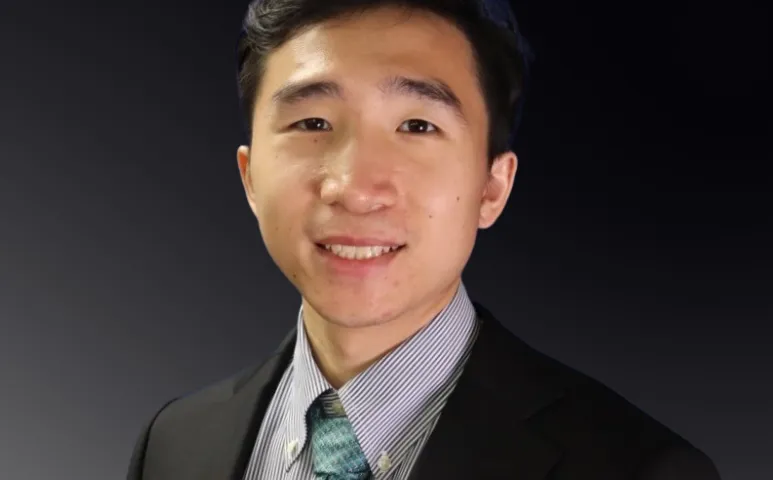
Banyan Treatment Centers, Next Generation Healers Scholarship Recipient, Richard Qiu Heads to Duke With a Mission to Close Healthcare’s Equity Gap
When Richard Qiu was growing up in an immigrant household, he saw how difficult it could be for families like his to navigate the healthcare system.
Language barriers made it harder to understand diagnoses. Limited health literacy made it harder to ask the right questions. Work demands made it difficult to attend appointments, even when care was available. For Qiu, those early experiences shaped the way he understood healthcare access and the people who are too often left behind.
“I saw the quiet suffering that happens when a system treats access as a privilege rather than a right,” Qiu said.
This fall, Qiu will take the next step in his mission to change that reality. With support from the Banyan Treatment Centers Next Generation Healers Scholarship, he has been accepted into Duke University School of Nursing’s BSN-to-DNP Adult-Gerontology Nurse Practitioner–Acute Care program, where he will train to become an advanced practice provider focused on reducing healthcare disparities for underserved and immigrant communities.
From First-Generation Immigrant to Cardiac ICU Nurse
Qiu, a first-generation immigrant who came to the United States at 18, is already deeply familiar with the demands of patient care. As a registered nurse on Houston Methodist’s cardiac ICU step-down unit, he has cared for medically complex patients managing acute cardiovascular conditions.
At the bedside, Qiu began seeing the same barriers his own family had faced, but on a much larger scale. Patients from non-English-speaking or low-income backgrounds were often discharged with self-management instructions they could not easily read, follow-up appointments they could not always attend, and digital health tools they did not know how to use.
“The technology existed,” Qiu said, “but it was not reaching them.”
That clinical observation helped drive his research. Qiu is the first author of a manuscript currently under review examining digital health usage, privacy concerns, and health implications among Vietnamese Americans. He also presented his findings at the 2025 Asian American Pacific Islander Nurses Association Conference, where he explored how cultural distrust, language barriers, and limited digital literacy can affect whether patients from immigrant communities engage with health technology.
Questions about our Facilities or Programs?
Our admissions coordinators are available 24/7 to answer any questions you may have as you consider whether treatment at Banyan is right for you or your loved one.
Seeing the Gaps Beyond the Hospital
Qiu’s understanding of healthcare access was not shaped by acute care alone. While volunteering with Bonton Farms and the Austin Street Center in Dallas, organizations serving individuals experiencing poverty and houselessness, he saw how social determinants of health directly influenced who received care, who went without it, and who survived preventable conditions.
Mental health and addiction services, he observed, were especially difficult for many people to access.
“Patients I encountered often self-medicated because professional help was too costly, too far, or too culturally foreign to feel safe,” Qiu said. “That realization, that geography, poverty, and culture can determine whether someone receives care for addiction or mental illness, has never left me.”
Those experiences helped Qiu connect his work in nursing with a broader mission: not only treating illness, but helping address the conditions that allow illness, addiction, and mental health challenges to go untreated.
Why Banyan Treatment Centers’ Mission Resonated
That gap between the care people need and the care they can reach is part of what drew Qiu to Banyan Treatment Centers.
Banyan provides compassionate behavioral healthcare for individuals and families affected by substance use disorders and mental health conditions. Across its programs, Banyan is committed to reducing stigma, expanding access, and helping people find treatment that meets them where they are.
For Qiu, whose clinical, research, and volunteer work all point back to underserved communities, Banyan’s mission felt personal.
The Banyan Treatment Centers scholarship program supports aspiring healthcare professionals whose goals reflect a shared commitment to accessible, compassionate, and equitable care. Qiu’s story stood out because of the clarity of his mission and the communities he hopes to serve.
“Richard’s story is exactly why this scholarship exists,” said John Sory, CEO of Banyan Treatment Centers. “At Banyan Treatment Centers, we believe that no one should be denied access to compassionate behavioral healthcare because of where they come from, what language they speak, or what barriers stand in their way. Richard has lived in that reality, and he is building a career to change it. We are proud to support a future healthcare leader who shares our commitment to reaching the communities that are too often left behind.”
Getting into treatment is easy with our free insurance verification
"*" indicates required fields
Looking Ahead to Duke and Beyond
At Duke, Qiu plans to develop culturally adapted telehealth and remote monitoring protocols designed specifically for immigrant and underserved populations managing cardiovascular and chronic conditions.
His long-term vision is to serve in a dual role: as a clinician caring for medically complex and underserved patients and as an educator training the next generation of nurse practitioners to practice with equity, compassion, and cultural awareness.
“I do not want to simply treat illness,” Qiu said. “I want to change the conditions that allow it to go untreated. Banyan’s commitment to accessible, compassionate behavioral healthcare aligns with everything I am working toward, and I am committed to making this investment matter.”
For Banyan Treatment Centers, supporting Qiu is more than a scholarship award. It is an investment in a future healthcare leader working to close gaps in care and expand access for communities that have too often been overlooked.
Banyan Treatment Centers is proud to continue this scholarship program and support students like Richard who are pursuing degrees in the healthcare field. For students working toward careers dedicated to helping others, scholarship support can make a meaningful difference as they continue their education, complete clinical training, and prepare to serve their communities. Banyan values those who choose this path because it reflects the same mission that guides our work every day: helping people access compassionate, life-changing care when they need it most. Whether through supporting future healthcare professionals or providing treatment for those facing addiction and mental health challenges, Banyan remains committed to helping individuals and families find hope, healing, and support. If you or a loved one is struggling with substance, use or mental health, Banyan Treatment Centers is here to help.
Wherever you are, we have you.
Not sure what level of care fits your needs? Our admissions team can help you understand your options confidentially.
Medical Disclaimer
Banyan Treatment Centers aims to improve the quality of life for people struggling with substance use or mental health disorders with fact-based content about the nature of behavioral health conditions, treatment options and their related outcomes. We publish material that is researched, cited, edited and reviewed by licensed medical professionals. The information we provide is not intended to be a substitute for professional medical advice, diagnosis or treatment. It should not be used in place of the advice of your physician or other qualified healthcare providers.