


Medically Reviewed by:

Dr. Darrin Mangiacarne
Chief Medical Officer
At Banyan Treatment Centers, Chief Medical Officer Dr. Darrin Mangiacarne leads our nationwide clinical team with over a decade of addiction medicine experience, helping ensure evidence-based, compassionate care across every level of treatment.
Author / Written by: Banyan Editorial Staff
Medically reviewed by: Dr. Darrin Mangiacarne, CMO
Updated on: May 2026
Ready to take the next step? Verify your insurance.
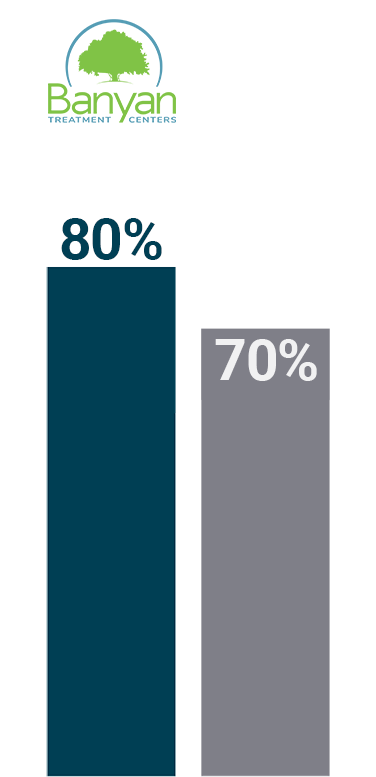
Completion Rate
Crack Addiction Rehab Treatment at Banyan Treatment Center
Crack cocaine is a highly addictive stimulant that can quickly lead to compulsive drug use, intense cravings, and serious medical complications. Crack is derived from powdered cocaine and is typically smoked, producing a rapid and intense high that reinforces repeated use. Because crack cocaine acts directly on the brain reward system by increasing dopamine levels, dependence can develop quickly, and stopping without professional support can feel overwhelming.[1]
Crack cocaine obtained on the street may also be mixed with other substances, increasing the risk of overdose and unpredictable effects.[2] Over time, crack abuse can negatively affect a person’s life, including physical health, mental stability, relationships, and overall well-being.
At Banyan Treatment Center, we provide comprehensive crack addiction treatment through structured levels of care. Our crack cocaine addiction treatment programs are designed to support individuals and loved ones impacted by crack addiction by offering medical detox, behavioral therapies, and long-term recovery planning in a supportive rehab center environment.
Who Should Not Use Crack Cocaine?
Crack cocaine is dangerous for anyone, but specific individuals face an exceptionally high risk. Because crack cocaine can sharply increase heart rate and blood pressure, it can contribute to cardiac events, including heart attack, stroke, or irregular heart rhythms. People with cardiovascular disease, high blood pressure, or respiratory conditions may be especially vulnerable.[3]
Crack cocaine can also intensify anxiety, agitation, paranoia, and violent behavior, particularly in individuals with mental health conditions or underlying psychiatric risk factors.[4] Combining crack with alcohol, heroin, opioids, or other substances increases toxicity and can raise the risk of life-threatening complications.
Anyone experiencing crack use, crack abuse, or symptoms of substance use disorder should seek professional help rather than attempting to stop alone.
Signs of Crack Addiction
Crack addiction often develops rapidly because the high is intense but short-lived. Many crack addicts continue using to avoid the crash, emotional distress, and withdrawal symptoms that occur soon after the effects wear off. As addiction progresses, it can affect decision-making, relationships, finances, and safety.
Common signs of crack cocaine addiction may include:
- using crack more frequently or in larger amounts than intended
- inability to stop despite negative consequences
- secrecy, isolation, or changes in social circles
- financial instability or selling possessions to fund crack use
- risky behaviors or legal problems
- neglecting work, school, or family responsibilities
- relationship strain with family members or a loved one
Physical and behavioral symptoms associated with crack cocaine use may include:
- dilated pupils and red eyes
- decreased appetite and weight loss
- insomnia or lack of sleep
- elevated body temperature and sweating
- rapid heart rate and increased blood pressure
- coughing, shortness of breath, or lung irritation
- mood swings, irritability, anxiety, paranoia, or depression
If these signs are present, crack cocaine addiction treatment can provide stabilization and a safer path toward recovery.
Why Is Crack Cocaine Addictive?
Crack cocaine is addictive because it causes a powerful surge of dopamine, a neurotransmitter associated with pleasure and reward. Smoking crack delivers the drug to the brain quickly, intensifying the dopamine spike and reinforcing addictive behavior. Over time, the brain adapts to repeated exposure and becomes less able to regulate mood and motivation without the drug.
As dopamine levels become dysregulated, individuals may feel emotionally flat, depressed, or unable to experience pleasure without crack. This creates a cycle where crack use continues not only to feel high, but to avoid discomfort, emotional crash, and cravings. These changes are a significant reason cocaine users may struggle to quit without structured addiction treatment.
The Importance of Crack Detox
Although crack cocaine withdrawal is not typically fatal in the same way as alcohol withdrawal, detox is still an essential first step for many individuals. Crack cocaine detox can involve severe psychological symptoms that increase relapse risk, including depression, agitation, and intense cravings.[6]
A medically supported detox process provides structure, monitoring, and stabilization during early recovery. This is especially important for individuals with co-occurring mental health symptoms, polysubstance use, or a history of relapse.
Common crack cocaine withdrawal symptoms may include:
- intense cravings
- fatigue and exhaustion
- depression, emotional numbness, or hopelessness
- irritability and agitation
- anxiety and restlessness
- disrupted sleep and vivid dreams
- difficulty concentrating
Some individuals may experience symptoms consistent with cocaine withdrawal syndrome, including prolonged mood changes and relapse vulnerability. Professional detox support helps reduce risks and improves the likelihood of continued engagement in treatment.
How Crack Addiction Is Treated
Crack addiction treatment involves more than detox. Long-term recovery requires addressing the psychological, behavioral, and social factors that drive drug use.[7] Treatment begins with a comprehensive clinical assessment and an individualized treatment plan tailored to symptom severity, safety needs, and recovery goals.
At Banyan, treatment for crack includes evidence-based behavioral therapies that help patients identify triggers, reduce cravings, and build coping skills for sustained recovery. Care may include individual, group, and family therapy sessions when appropriate.
Evidence-based treatment approaches may include:
- Cognitive Behavioral Therapy (CBT)
- Motivational Interviewing
- Group therapy sessions and peer support
- Individual counseling with licensed clinicians (including a licensed social worker when appropriate)
- Family therapy to support communication and recovery stability
- Relapse prevention planning and aftercare
This comprehensive approach supports the recovery process by strengthening decision-making skills, emotional regulation, and long-term stability.
Levels of Care for Crack Cocaine Addiction Treatment
Banyan Treatment Centers provide multiple levels of care to support individuals through each phase of recovery. The appropriate level depends on the severity of crack addiction, medical risk, and home environment.
Medical Detox
Crack cocaine withdrawal can trigger intense cravings, mood changes, agitation, and depression that make it difficult to stop using without support. In medical detox, patients receive 24/7 clinical monitoring and stabilization while the treatment team helps manage withdrawal symptoms and sleep disruption. Detox also serves as the foundation for the next phase of crack addiction treatment by reducing immediate relapse risk.
Intensive Inpatient Treatment
Intensive inpatient treatment provides a higher level of structure and medical oversight for individuals whose crack use has caused significant health concerns, severe cravings, or unstable functioning. Patients live onsite and participate in daily therapy and recovery programming in a controlled environment away from triggers. This level of care helps establish early recovery routines while reinforcing accountability and safety.
Residential Treatment
Residential rehab offers full-time support for individuals who need a stable setting to focus on healing from crack cocaine addiction. Patients receive consistent clinical support, structured therapy, and daily recovery-focused activities designed to address addictive behaviors and rebuild healthy coping strategies. This immersive environment helps patients strengthen emotional regulation and reduce the risk of returning to crack use.
Partial Hospitalization Program (PHP)
PHP provides a highly structured treatment schedule during the day while allowing patients to return to sober living or supportive housing in the evenings. This level of care is ideal for individuals stepping down from inpatient/residential rehab or those who need intensive support without 24-hour supervision. PHP strengthens relapse prevention skills through daily therapy, recovery education, and consistent clinical monitoring.
Intensive Outpatient Program (IOP)
IOP helps individuals continue crack addiction treatment while returning to work, school, or family responsibilities. Patients attend structured group therapy and individualized sessions multiple days per week, focusing on triggers, cravings, coping strategies, and long-term recovery planning. This level of care supports real-world stability while maintaining clinical accountability.
Telehealth IOP
Telehealth treatment allows individuals to receive addiction support remotely. Telehealth IOP can help patients stay connected to therapy and relapse-prevention resources after discharge or when transportation or distance limits access to in-person services.
Each level supports recovery by reinforcing structure, therapy engagement, relapse prevention, and ongoing support as individuals progress toward independence.
The Role of Mental Health and Co-Occurring Disorders
Crack addiction frequently overlaps with mental health symptoms such as anxiety, depression, paranoia, and mood instability. Some individuals misuse crack to cope with emotional distress or trauma-related symptoms, which can worsen over time.[8]
Integrated treatment supports both addiction and mental health needs within one coordinated plan. This approach aligns with best practices recognized across addiction medicine and mental health services administration frameworks and helps reduce relapse risk.[9]
The Importance of a Strong Support Network
Recovery is strengthened through connection and accountability. Support groups, family involvement, alumni services, and aftercare planning help individuals stay engaged in recovery beyond formal treatment. Continued group therapy and structured support reduce isolation and help patients maintain long-term stability.
Banyan provides aftercare and alumni support as part of the final phase of treatment planning, so individuals have resources to stay supported after discharge.
Is Crack Addiction Treatment Right for Me?
Crack addiction treatment may be appropriate if you or someone you care about:
- cannot stop using crack despite negative consequences
- experience intense cravings or withdrawal symptoms when not using
- feel emotionally unstable, depressed, or anxious without crack
- have experienced medical symptoms such as chest pain or rapid heartbeat
- have tried to quit before but relapsed
- notice relationships, work, or health are being negatively affected
If these concerns apply, it is essential to seek professional treatment.
Questions about our Facilities or Programs?
Our admissions coordinators are available 24/7 to answer any questions you may have as you consider whether treatment at Banyan is right for you or your loved one.
Insurance and Admissions Support
Many insurance plans cover crack cocaine addiction treatment and substance abuse treatment services. Banyan’s admissions team can verify benefits, explain options, and help individuals begin treatment as quickly as possible.
Start Your Recovery Today
Crack cocaine addiction can be devastating, but recovery is possible with professional care. Banyan Treatment Center offers crack addiction treatment programs designed to help individuals detox safely, rebuild stability, and achieve lasting recovery.
If you or a loved one is struggling with crack addiction, contact Banyan today to learn more about available treatment options and begin the path to healing.
Getting into treatment is easy with our free insurance verification
"*" indicates required fields
Frequently Asked Questions
Banyan Facilities for Drug, Alcohol, & Mental Health Treatment
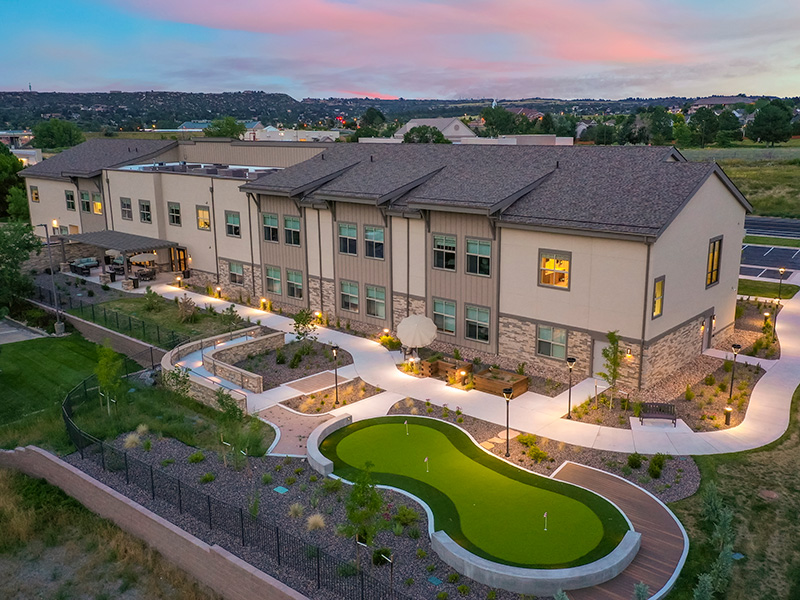
Banyan Castle Rock
Located in Castle Rock, CO
Substance Use Inpatient
Mental Health Inpatient
Telehealth Virtual IOP

Banyan Heartland Mental Health & Drug Rehab in Illinois
Located in Gilman, IL
Substance Use Inpatient
Mental Health Inpatient
Substance Use Outpatient
Telehealth Virtual IOP

Banyan Palm Springs
Located in Cathedral City, CA
Substance Use Inpatient
Telehealth Virtual IOP
Getting Into Treatment Is Easy. Here's How to Get Started!

Call Us Anytime
Speak with our compassionate admissions specialists to discuss your situation and explore treatment options.

Initial Assessment
We conduct a thorough evaluation to determine the best level of care tailored to your needs.

Financial Guidance
Our team will verify your insurance coverage and provide transparent cost information.

Begin Your Recovery
Once everything is set, you’ll be welcomed into our program and start your journey toward healing.