
Written by: Banyan Editorial Staff | Medically reviewed by: Dr. Darrin Mangiacarne - Chief Medical Officer | Edited: February 2025
Medically Reviewed by:
Dr. Darrin Mangiacarne
Chief Medical Officer
At Banyan Treatment Centers, Chief Medical Officer Dr. Darrin Mangiacarne leads our nationwide clinical team with over a decade of addiction medicine experience, helping ensure evidence-based, compassionate care across every level of treatment.
Author / Written by: Banyan Editorial Staff
Medically reviewed by: Dr. Darrin Mangiacarne, CMO
Updated on: April 2026
Residential treatment offers a safe, structured environment where individuals can step away from daily stressors and triggers, allowing them to focus fully on recovery and stabilization.[1] At Banyan Treatment Center, 24/7 supervision, evidence-based therapies, and individualized planning support lasting progress.
With nationwide expertise and a compassionate approach, Banyan’s residential care provides the balanced structure and support needed to rebuild stability and move forward with confidence for those at any treatment stage.
Who Is Residential Treatment For?
Residential treatment is designed for individuals who need a structured, substance-free environment to focus fully on recovery from drug or alcohol addiction. This level of care is often recommended when outpatient treatment is not enough to support lasting sobriety or when substance use has become difficult to manage safely at home.
Adults
Residential treatment is effective for adults with substance use disorders who need daily structure, accountability, and 24/7 support, especially those with a history of relapse, long-term or heavy substance use, or difficulty maintaining sobriety in less structured settings.[2] Many also have co-occurring conditions like anxiety, depression, trauma, or mood instability that impact substance use and relapse. In a residential setting, these challenges are addressed together to support recovery.
Seniors
Older adults may benefit from residential addiction treatment when substance use has affected their physical health, daily functioning, or safety. Residential care provides a supervised setting. Withdrawal symptoms, medications, and recovery needs can be closely monitored. This level of care can be especially helpful when co-occurring medical conditions, prescription medication use, or long-term substance dependence increase the risks associated with detox and early recovery.[3]
When Is Inpatient Rehab or Residential Care Necessary?
Residential care or inpatient rehab may be necessary when substance use has reached a level that makes recovery difficult or unsafe without full-time support. These levels of care are designed to stabilize individuals, reduce relapse risk, and provide a strong foundation for long-term recovery.
Residential or inpatient addiction treatment may be appropriate when someone is experiencing:
- Severe or high-risk withdrawal symptoms.
- Ongoing substance use despite repeated attempts to stop.
- Frequent relapse after outpatient or lower levels of care.
- Loss of control over substance use.
- An unsafe, unstable, or triggering home environment.
- Polysubstance use or long-term dependence.
- Co-occurring disorders that worsen cravings, emotional regulation, or decision-making and interfere with sobriety.[4]
When comparing inpatient vs outpatient addiction treatment, the key difference is structure and supervision. Inpatient rehab and residential care provide 24/7 support in a controlled environment, while outpatient programs allow individuals to live at home and attend scheduled sessions.
Residential treatment is often recommended when addiction is compounded by co-occurring challenges that make independent recovery more difficult.[4]
Questions about our Facilities or Programs?
Our admissions coordinators are available 24/7 to answer any questions you may have as you consider whether treatment at Banyan is right for you or your loved one.
Conditions & Addictions Treated in Residential Care
Residential treatment is designed to support individuals struggling with substance use disorders. This is especially important when addiction is severe, long-standing, or complicated by other challenges. Care focuses on stabilizing substance use while addressing factors that increase relapse risk.
Substance Use Disorders
Residential care at Banyan supports recovery from a wide range of substance-related conditions, including:
- Alcohol use disorder
- Opioids and heroin
- Cocaine
- Methamphetamine
- Benzodiazepines
- Prescription drug misuse
- Polysubstance abuse
These substances can affect the body and brain differently, but all benefit from structured care, consistent therapy, and a controlled environment during early recovery.
Mental Health Conditions
Many individuals entering residential addiction treatment also experience co-occurring conditions. These conditions directly influence substance use patterns, cravings, and relapse risk.[5] While residential care is focused on addiction, these overlapping concerns are addressed as part of a coordinated recovery plan.
Common mental health conditions may include:
- Depression
- Anxiety disorders
- PTSD
- Bipolar disorder
- OCD
- Schizophrenia or schizoaffective disorder
- Borderline personality disorder
- Drug- or alcohol-induced psychosis
Addressing these conditions alongside addiction helps improve engagement in treatment and supports long-term recovery outcomes.
Benefits of Residential Treatment
Residential treatment offers a level of structure and support that can be difficult to achieve in outpatient settings, especially during early recovery. For many people, this level of care answers an important question: Is residential treatment effective? For individuals who need intensive support, the answer is often yes.
Key benefits include round-the-clock medical and clinical support for withdrawal, cravings, and early recovery challenges.
- A safe, trigger-free environment removed from access to substances and daily stressors.
- A structured daily routine that promotes accountability, stability, and healthy habits.
- A multidisciplinary treatment team providing coordinated care and consistent guidance.
- Personalized therapy approaches tailored to substance use history and recovery goals.
- Peer support and community help individuals connect with others who understand the recovery process.
- Holistic wellness services that support physical health, stress management, and overall well-being.
- Improved long-term recovery outcomes, especially for those with a relapse history or complex addiction patterns.
Residential treatment can provide the foundation many people need to stabilize, build recovery skills, and prepare for the next step in care with greater confidence.
What to Expect in Banyan’s Residential Treatment Program
Banyan’s residential treatment program provides a structured, supportive environment for individuals focused on recovery from drug or alcohol addiction. Care is evidence-based, personalized, and delivered by a multidisciplinary team experienced in substance use disorder treatment.
Comprehensive Clinical Assessment
Treatment begins with a thorough assessment to understand each individual’s substance use history, physical health, and recovery needs. This includes a physical evaluation and substance-use screening. A review examines factors influencing addiction and relapse risk. Based on this information, the clinical team develops an individualized treatment plan. The plan focuses on stabilization, skill-building, and long-term recovery.
Therapeutic Treatment Modalities
Residential care includes a range of therapies proven effective in addiction treatment, such as:
- Cognitive Behavioral Therapy (CBT) is used to identify triggers and change substance-related thought patterns.[6]
- Dialectical Behavior Therapy (DBT) skills to support emotional regulation and impulse control.[7]
- Motivational Interviewing (MI) to strengthen commitment to recovery.[8]
- Group therapy to build accountability and shared understanding.
- Family therapy to address relationship dynamics affected by addiction.
- Psychoeducation focused on addiction, relapse prevention, and recovery skills.
- Trauma-informed care is when past experiences affect substance use patterns.[9]
- Holistic therapies, including yoga, meditation, and nutrition support, are used to promote overall wellness in recovery.[13]
Medical & Mental Health Support
Residential treatment includes ongoing medical oversight to support safety and stability. Medication management may be provided when appropriate to support recovery, manage cravings, or address substance-related complications. For individuals entering residential care after detox, staff continue to monitor withdrawal symptoms and overall physical well-being during early recovery.
Daily Program Structure
Days in residential treatment follow a consistent schedule designed to promote stability and engagement.
A typical day may include:
- Morning educational or process groups.
- Individual therapy sessions.
- Skill-building workshops focused on coping strategies and relapse prevention.
- Wellness or recreational activities.
- Evening peer support meetings or reflection groups.
This structure helps replace substance-focused routines with healthier daily habits.
*Daily programming may vary by location and days.
Community & Peer Support
Community is a key part of residential treatment. Living alongside others in recovery creates opportunities for shared learning, accountability, and connection. Peer support helps individuals feel less isolated and reinforces motivation to stay engaged in treatment and recovery.
Aftercare & Transition Planning
Recovery does not end when residential treatment is complete. Banyan’s team works with each individual to plan the next step in care, which may include Partial Hospitalization (PHP), Intensive Outpatient Programs (IOP), or Telehealth virtual services. Aftercare planning focuses on relapse prevention strategies, ongoing support, and connection to alumni programs that help individuals stay engaged in recovery after leaving residential care.
How Long Does Residential Treatment Last?
The length of residential treatment varies based on individual needs, substance use history, and clinical progress. Most residential addiction treatment programs last between 30 and 90 days, providing enough time to stabilize, build recovery skills, and prepare for ongoing care.[10]
For many individuals:
- 30 days offers a focused foundation for early recovery.
- 60 days allows deeper work around relapse prevention and routine-building.
- 90 days or longer may be recommended for long-term substance use, repeated relapse, or complex recovery needs.
In certain cases, longer-term residential or inpatient care (including programs lasting up to six months) may be medically necessary, especially when substance use has significantly disrupted health, functioning, or safety.[11]
Length of stay is influenced by several factors, including:
- Type and duration of substance use.
- History of relapse or prior treatment.
- Physical health considerations.
- Engagement and progress in treatment.
- Need for continued structure before transitioning to outpatient care.
While timelines vary by diagnosis and level of care, Banyan’s team focuses on determining the appropriate length of stay based on addiction severity and overall stabilization needs.
Getting into treatment is easy with our free insurance verification
"*" indicates required fields
Success Rates & Long-Term Recovery Outlook
Residential treatment can be highly effective, especially when individuals fully engage in the program and continue care after discharge. Long-term recovery outcomes are influenced by several key factors, including:
- Active participation in therapy and daily programming.
- Willingness to build and practice relapse-prevention skills.
- Ongoing support after residential treatment.
- Connection to a sober support network.
- Continued care through step-down programs and alumni resources.[12]
Banyan’s residential programs are built around evidence-based addiction treatment approaches, individualized care planning, and structured daily routines. Many individuals find that residential care provides the stability needed to break cycles of use and create momentum for lasting recovery.
Continued involvement in aftercare services and alumni programs plays a critical role in maintaining progress, strengthening accountability, and supporting long-term sobriety.
Length of Stay & Program Timeline
Phase of Residential Treatment | Typical Time frame | What This Stage Focuses On |
Admission & Stabilization | Days 1–3 | Intake, clinical assessment, substance use history review, safety planning, and orientation to the program. |
Early Recovery Phase | Week 1 | Adjustment to a substance-free environment, establishing routine, managing cravings, and beginning therapy. |
Core Treatment Phase | Weeks 2–3 | Daily therapy (individual and group), relapse prevention education, coping skill development, and peer support. |
Skill-Building & Insight | Weeks 3–4 | Strengthening recovery skills, addressing triggers, rebuilding healthy routines, and preparing for life after residential care. |
Discharge & Transition Planning | Final days of stay | Aftercare planning, step-down placement (PHP, IOP, OP), relapse prevention planning, and alumni connection. |
Cost of Residential Treatment (With & Without Insurance)
The cost of residential addiction treatment can vary based on several factors, including the length of stay, level of medical oversight, services provided, and the individual needs of each person in care. Because residential programs include housing, daily clinical services, therapy, and 24/7 supervision, they are typically more comprehensive and more costly than outpatient treatment options.
Insurance coverage often plays a significant role in affordability. Many insurance plans provide benefits for inpatient or residential treatment when medically necessary.
Coverage levels, deductibles, and out-of-pocket costs can differ depending on the plan, the recommended level of care, and whether treatment is provided in an inpatient or outpatient setting. In general, inpatient and residential care involve different coverage considerations than outpatient services, which is why understanding benefits ahead of time is important.
Banyan offers free insurance verification to help individuals and families navigate these details before treatment begins. Admissions specialists work directly with insurance providers to review benefits, explain coverage for residential care, and outline any potential costs.
This process helps ensure transparency and allows people to make informed decisions about treatment without added financial uncertainty.
Why Choose Banyan Treatment Centers?
Choosing a residential treatment program is a significant decision, and the quality of care matters. Banyan Treatment Centers are known for providing structured, evidence-based addiction treatment within a supportive and respectful environment.
What sets Banyan apart includes:
- Accredited facilities nationwide, offering consistent standards of care across locations
- An experienced multidisciplinary team of addiction specialists, clinicians, medical staff, and recovery professionals
- Personalized treatment plans designed around substance use history, relapse risk, and recovery goals
- Strong alumni and aftercare support, helping individuals stay connected and supported after residential treatment
- A full continuum of care, allowing seamless transitions from residential treatment to PHP, IOP, virtual online care, and ongoing recovery support
Banyan’s approach focuses on helping individuals stabilize, build recovery skills, and move forward with a clear plan for long-term sobriety.
Find a Banyan Residential Treatment Center Near You
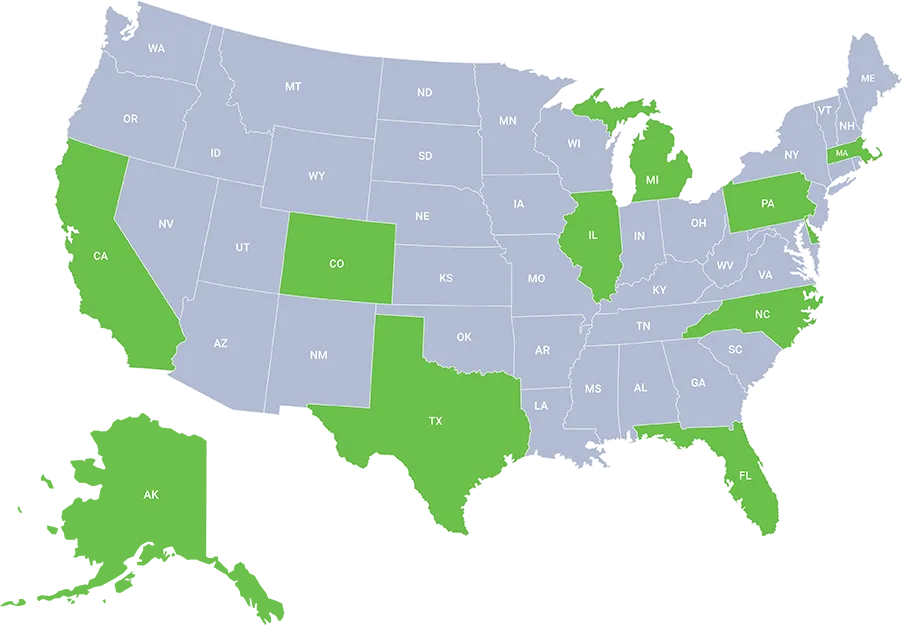
If you are seeking inpatient treatment near you, Banyan offers residential addiction treatment at locations across the country. With multiple facilities nationwide, individuals can access high-quality residential care without having to travel far from home.
Each Banyan residential treatment center provides a structured, substance-free environment with 24/7 support, evidence-based therapies, and individualized care planning. Admissions specialists can help identify the most appropriate location based on clinical needs, availability, and insurance coverage.
To explore Banyan residential treatment locations and learn more about programs available near you, speaking with an admissions specialist can help you take the next step with clarity and confidence.
Start Your Recovery Journey Today
Taking the first step toward recovery can feel overwhelming, but you don’t have to navigate it alone. Banyan Treatment Centers offers compassionate, structured residential care designed to help individuals safely step away from active addiction and begin rebuilding stability.
Admissions support is available 24/7, and conversations are always confidential and pressure-free. Our team can answer questions, explain treatment options, and help verify insurance benefits at no cost. Whether you are seeking help for yourself or a loved one, reaching out can provide clarity, reassurance, and a path forward.
Frequently Asked Questions
Banyan Facilities for Drug, Alcohol, & Mental Health Treatment
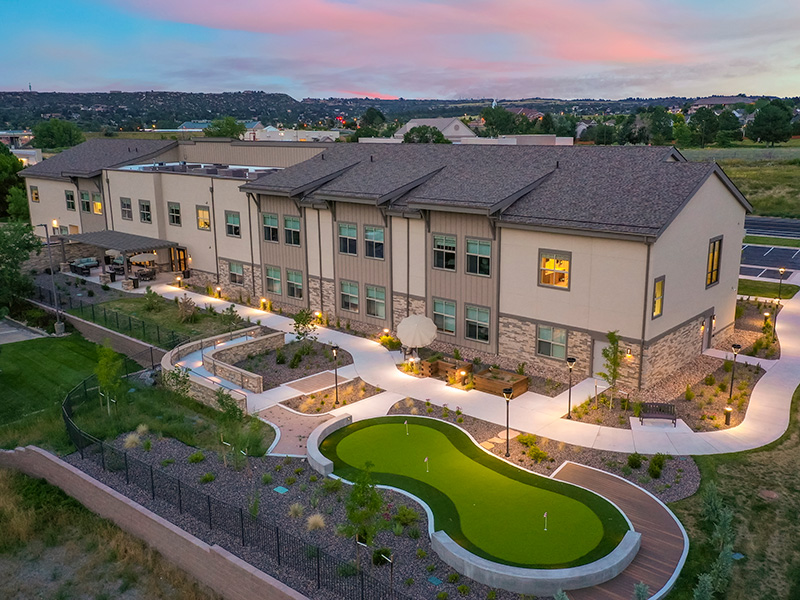
Banyan Castle Rock
Located in Castle Rock, CO
Substance Use Inpatient
Mental Health Inpatient
Telehealth Virtual IOP

Banyan Heartland Mental Health & Drug Rehab in Illinois
Located in Gilman, IL
Substance Use Inpatient
Mental Health Inpatient
Substance Use Outpatient
Telehealth Virtual IOP
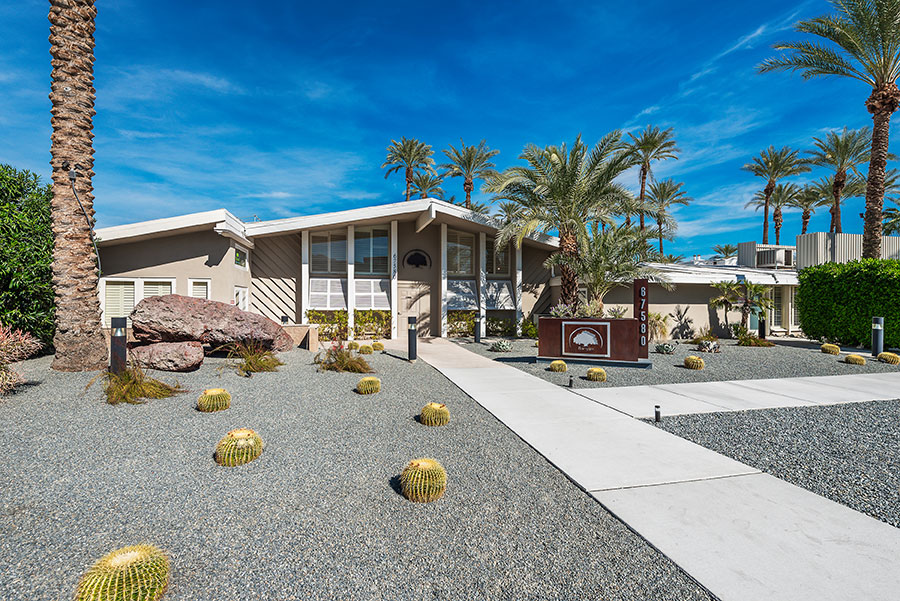
Banyan Palm Springs
Located in Cathedral City, CA
Substance Use Inpatient
Telehealth Virtual IOP
What Our Patients Are Saying


Getting Into Treatment Is Easy. Here's How to Get Started!

Call Us Anytime
Speak with our compassionate admissions specialists to discuss your situation and explore treatment options.

Initial Assessment
We conduct a thorough evaluation to determine the best level of care tailored to your needs.

Financial Guidance
Our team will verify your insurance coverage and provide transparent cost information.

Begin Your Recovery
Once everything is set, you’ll be welcomed into our program and start your journey toward healing.