
Written by: Banyan Editorial Staff | Medically reviewed by: Dr. Darrin Mangiacarne - Chief Medical Officer | Edited: February 2026
Substance use disorders affect not just the person struggling but everyone around them. Family members often face stress, conflict, and heartbreak, and frequently feel powerless. At Banyan Treatment Centers, recovery is stronger when loved ones are involved. We offer family support groups and therapy programs as part of our comprehensive addiction and mental health treatment.
Through evidence-based therapy, families heal from addiction's damage, rebuild trust, and support recovery. These programs help not just those in treatment but parents, spouses, children, siblings, and close friends facing emotional challenges. By treating the whole family, Banyan creates a healthier foundation for recovery.
What Is Family Therapy and Support?
Family therapy and groups help families understand addiction, improve communication, and work together through recovery. Sessions address how substance use and mental health disrupt relationships, cause conflict, and strain households.
At Banyan, family therapy is more than just talking, it’s about learning new ways to support one another. In these sessions, families may explore issues such as:
- How addiction has affected communication, trust, and daily life
- Ways to stop enabling behaviors and set healthy boundaries
- The emotional and mental health impact of addiction on family members
- Strategies for supporting recovery without sacrificing personal well-being
By combining education, therapy, and group support, families gain the tools to heal together.
How Family Therapy Supports Recovery
Addiction is often called a “family disease” because it affects everyone connected to the person struggling.[1] When relationships are damaged, recovery becomes even harder. Family therapy offers a safe space to address these challenges while developing skills that enhance long-term outcomes.
For the person in treatment, family involvement improves accountability, increases retention in treatment programs, and provides motivation to stay sober.[2] For loved ones, therapy offers validation and tools to manage stress, anger, or grief. Mental health also plays a critical role; family members often carry anxiety, depression, or trauma related to their experiences. Therapy helps them work through these issues, allowing them to begin healing as well.
When families participate in therapy, they learn to:
- Understand addiction as a medical condition rather than a moral failing.
- Identify enabling behaviors and set healthy boundaries.
- Encourage positive habits and recovery-supportive environments.
- Improve communication to reduce shame, anger, and misunderstanding.
Family participation transforms recovery into a shared journey rather than an isolated struggle.
Questions about our Facilities or Programs?
Our admissions coordinators are available 24/7 to answer any questions you may have as you consider whether treatment at Banyan is right for you or your loved one.
Understanding Family Roles in Addiction
Addiction often creates specific dynamics within families. These roles develop as each person copes with the stress and unpredictability of substance use. Understanding them helps families recognize patterns that may need to change for healing to occur.
Common roles include:
- The Caretaker (Enabler): Tries to protect the person struggling, often by covering up or taking responsibility for their actions.
- The Hero: Focuses on achievement and perfection to distract from family issues.
- The Scapegoat: Acts out or draws attention away from the person with addiction.
- The Lost Child: Withdraws emotionally and avoids conflict.
- The Mascot: Uses humor to deflect pain and tension.
Types of Family Support Programs at Banyan
Banyan’s addiction recovery therapy includes family services for both substance use and mental health. Programs may include:
- Behavioral couples therapy to strengthen relationships between partners while addressing substance use.[2]
- Family behavioral therapy to improve communication, set goals, and address problem behaviors.
- Psychoeducation groups that teach families about addiction, relapse, and recovery.[7]
- Support groups for loved ones to share experiences, reduce feelings of isolation, and find a sense of community.
- Counseling sessions that focus on repairing relationships, rebuilding trust, and processing emotions.
Each program fits the family's needs, ensuring everyone feels supported and heard.
Family Therapy and Mental Health
Mental health plays a central role in how families deal with and recover from addiction. Spouses may struggle with anxiety or depression, children may feel neglected or traumatized, and parents may carry guilt, shame, or fear. Left unaddressed, these issues can complicate recovery for both the individual and their loved ones.
Family therapy creates space for these challenges to be acknowledged and worked through. Sessions often focus on enhancing emotional regulation, reducing stress, and cultivating healthier responses to conflict.[5] For families affected by trauma, therapy provides tools to process painful memories and prevent unhealthy patterns from continuing.
By treating both addiction and mental health together, Banyan helps families build resilience and move forward stronger than before.
Getting into treatment is easy with our free insurance verification
"*" indicates required fields
Benefits of Family Therapy
Family therapy offers lasting benefits in relationships and daily life. Families in Banyan’s programs often experience:
- Better communication through healthier ways of expressing feelings and needs
- Repaired trust and stronger family bonds
- Reduced enabling and codependency, allowing loved ones to support recovery effectively
- Lower stress and improved mental health for both clients and family members
- Greater stability at home, which reinforces long-term recovery
Family Therapy Beyond Banyan: Community Support Options
Banyan encourages families to continue their healing outside of treatment through national peer-support organizations such as:
- Al-Anon Family Groups: For relatives and friends of individuals with alcohol use disorder.[6]
- Nar-Anon Family Groups: For loved ones affected by someone’s drug use.
These programs provide safe, confidential spaces where families can share experiences, learn coping strategies, and build supportive communities.
Frequently Asked Questions

Take the First Step Toward Healing as a Family
Mental health and drug abuse challenges affect more than one person; they affect the entire family. At Banyan Treatment Centers, our family support and therapy programs provide loved ones with the tools they need to heal, rebuild trust, and play a meaningful role in their loved one's recovery.
If your family has been impacted by addiction, you don’t have to face it alone. Verify your insurance or reach out through our contact form today to learn more about Banyan therapies to support families affected by a rising addiction crisis. Together, we can create a healthier path forward.
Inpatient Family Therapy Options
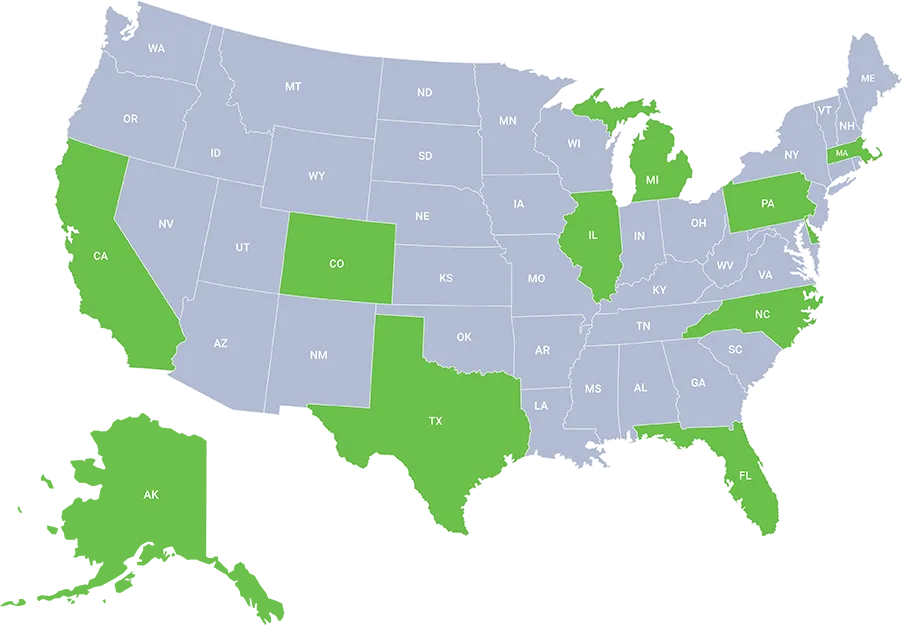
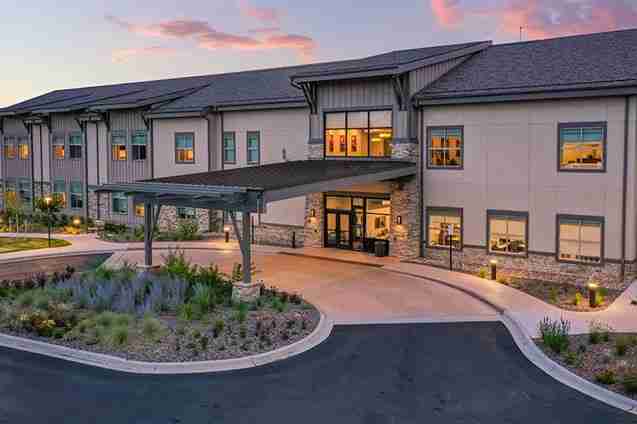
For those requiring a more residential approach to recovery, our centers offer family therapy in a structured and immersive environment, allowing clients to focus fully on their recovery. Find out which of our treatment centers offering family therapy are closest to you:


Outpatient Solutions for Family Therapy
Outpatient rehab (either through Telehealth or day programs) offers flexibility for individuals who are ready to continue treatment while balancing work, school, or family responsibilities. Our outpatient program includes family therapy (one-on-one or in group therapy) as part of its curriculum.