

Fentanyl Addiction Rehab at Banyan
We understand recovery, we can help.
- Personalized, Addiction Treatment Programs for Every Individual
- Masters-level addiction therapists
- In network with most major insurances


★★★★★
4.8 Average Google Rating
Written by: Banyan Editorial Staff | Medically reviewed by: Chief Medical Officer - Dr. Darrin Mangiacarne
Last Updated: January 2026
Medically Reviewed by:

Dr. Darrin Mangiacarne
Chief Medical Officer
At Banyan Treatment Centers, Chief Medical Officer Dr. Darrin Mangiacarne leads our nationwide clinical team with over a decade of addiction medicine experience, helping ensure evidence-based, compassionate care across every level of treatment.
Author / Written by: Banyan Editorial Staff
Medically reviewed by: Dr. Darrin Mangiacarne, CMO
Updated on: May 2026
Ready to take the next step? Verify your insurance.
Completion Rate
Fentanyl Addiction Rehab Treatment at Banyan
Fentanyl is a powerful synthetic opioid that has become a leading cause of overdose deaths in the United States in recent years.[1] While fentanyl can be prescribed in medical settings for severe pain, illicit fentanyl is increasingly found in counterfeit pills and mixed into other drugs, which raises the risk of accidental exposure. Because fentanyl is highly potent, even a small amount can cause respiratory depression, opioid overdose, and death.[3]
At Banyan Treatment Center, our fentanyl addiction treatment programs provide medically supervised care for individuals struggling with fentanyl addiction. Through fentanyl detox, medication-assisted treatment, and evidence-based counseling and behavioral therapy, we help patients stabilize safely and begin a structured recovery process focused on long-term recovery, relapse prevention, and building healthy coping strategies.
Who Should Not Use Fentanyl?
Fentanyl should only be used under a doctor’s supervision for legitimate medical purposes. Using fentanyl without a prescription or taking it in ways not directed can quickly lead to physical dependence, withdrawal symptoms, and overdose risk. Illicit fentanyl is particularly dangerous because people may be exposed without knowing it, primarily through counterfeit pills or street drugs.
Fentanyl use carries an increased risk for individuals who:
- Use opioids or other opioids recreationally.
- Mix fentanyl with alcohol, benzodiazepines, or other drugs.
- Have respiratory conditions, heart disease, or reduced tolerance.
- Have a history of substance abuse or addictive behaviors.
- May unknowingly take counterfeit pills containing fentanyl.
Because fentanyl affects the brain and body rapidly, fentanyl misuse can quickly progress into fentanyl addiction and life-threatening overdose.
Signs of Fentanyl Use
Recognizing fentanyl use early can help reduce harm and encourage someone to seek professional help before a crisis occurs. Although fentanyl symptoms can resemble those of other opioids, the risk of overdose is significantly higher due to its potency.
Common signs and symptoms of fentanyl use may include:
- Drowsiness, sedation, or “nodding off”
- Difficulty thinking clearly or slowed reaction time
- Nausea or vomiting
- Constipation
- Noticeably small pupils
- Persistent itching or sweating
- Sudden mood changes, irritability, or anxiety
- Withdrawing from family, friends, or daily responsibilities
- Slow or shallow breathing (medical emergency)
If a loved one shows these symptoms along with secrecy, isolation, or changes in behavior, it may indicate fentanyl use progressing into dependence or fentanyl addiction.
Signs of Fentanyl Addiction
Fentanyl addiction often involves a cycle of cravings, compulsive use, and continued drug use despite harm. Many individuals continue using fentanyl not to feel euphoric effects, but to avoid withdrawal and painful symptoms.
Signs of fentanyl addiction may include:
- Intense cravings and inability to stop
- Using more frequently or in larger amounts than intended
- Continued use despite harm to health, relationships, or daily life
- Increased risk-taking behaviors to obtain the drug
- Spending significant time recovering from use or seeking fentanyl
- Experiencing withdrawal symptoms between doses
Why Is Fentanyl So Addictive?
Fentanyl is addictive because it strongly activates opioid receptors in the brain and produces intense pain relief and euphoric effects. With repeated fentanyl use, the brain adapts to the drug and begins relying on it to regulate mood, reward, and stability. Over time, tolerance increases, cravings intensify, and the body becomes physically dependent.
Fentanyl is also dangerous because it suppresses breathing. In an overdose, breathing can slow or stop altogether, leading to death without immediate intervention. Risk increases even further when fentanyl is combined with heroin, alcohol, or other opioids.
The Importance of Fentanyl Detox
Fentanyl detox is often the first step in recovery because stopping fentanyl can trigger opioid withdrawal and severe withdrawal symptoms. These withdrawal symptoms can feel overwhelming and lead to relapse, especially when someone attempts detoxification alone. Returning to fentanyl after detox can be extremely dangerous due to reduced tolerance, increasing the risk of opioid overdose.[5]
Medically supervised detox provides a safe environment where healthcare professionals manage withdrawal symptoms, monitor physical health, and provide stabilization support. Detox is not a cure for addiction, but it helps patients become physically stable so they can fully engage in addiction treatment.
How Fentanyl Addiction Is Treated
Effective fentanyl addiction treatment involves more than detox. Long-term recovery requires addressing the physical, psychological, and behavioral aspects of addiction through an individualized plan.
Treatment options may include:
- Medication-assisted treatment to stabilize opioid dependence and reduce cravings
- Evidence-based therapy and counseling to address triggers and addictive behaviors
- Behavioral therapy to build emotional regulation and relapse prevention skills
- Structured support to rebuild stability in daily life and reduce risk
In some cases, medications such as buprenorphine, methadone, or naltrexone may be used as part of the treatment process to reduce withdrawal symptoms, support stabilization, and improve long-term outcomes.[6]
Levels of Care for Fentanyl Addiction Treatment
Banyan offers a full continuum of addiction treatment so individuals can receive the right level of structure and clinical support at each stage of recovery.
Medical Detox
Medical detoxification helps patients safely remove fentanyl from the body while managing opioid withdrawal symptoms. Patients receive 24/7 monitoring, symptom relief support, and stabilization to reduce medical risk and discomfort. Detox also prepares individuals for the next level of care, enabling them to continue treatment safely.
Inpatient Treatment
Inpatient treatment provides a structured, controlled environment away from triggers and access to fentanyl or other substances. This level of care helps individuals stabilize emotionally and behaviorally while receiving daily therapy and clinical support. It is often most effective for those with severe fentanyl addiction, relapse history, or an unstable home setting.
Partial Hospitalization Program (PHP)
PHP offers intensive treatment during the day, with continued clinical oversight, while allowing patients to return home or to sober living in the evenings. It helps individuals maintain strong therapeutic momentum while gradually increasing independence. PHP supports relapse prevention and the development of recovery skills in a structured yet flexible setting.
Intensive Outpatient Program (IOP)
IOP supports individuals who need consistent structure as they return to work, school, or family responsibilities. Patients participate in therapy multiple days per week and continue building coping strategies, decision-making skills, and relapse prevention tools. This level helps individuals practice recovery skills in real-life environments while staying closely connected to clinical support.
Telehealth Virtual IOP Treatment
Telehealth treatment allows individuals struggling with fentanyl addiction to access therapy, counseling, and recovery support remotely through secure platforms. This option can help patients stay connected to addiction treatment and relapse prevention services when transportation, work schedules, or geographic distance makes in-person care difficult. Telehealth is often used as a step-down level of care after inpatient treatment or PHP/IOP, helping patients maintain long term recovery and strengthen healthy coping strategies in daily life.
Therapy and Counseling
Across all levels of care, therapy and counseling help patients address the emotional and behavioral drivers of fentanyl use. Individual and group therapy support insight-building, stress management, and the development of healthy coping strategies. These services help individuals rebuild stability and strengthen long-term recovery.
Alumni Program and Aftercare
Long-term recovery is strengthened through ongoing support and connection. Banyan’s alumni program provides accountability, encouragement, and community after formal treatment ends. Aftercare planning helps individuals stay connected to support systems, manage triggers, and reduce relapse risk.
The Role of Mental Health and Co-Occurring Concerns
Many individuals struggling with fentanyl addiction also experience anxiety, depression, trauma symptoms, or other mental health challenges. These concerns can increase vulnerability to relapse if untreated, especially during early recovery.
Integrated treatment supports both addiction and mental health needs through coordinated planning and therapy. Addressing emotional triggers and mental health symptoms helps patients build resilience and improve long-term outcomes.
The Importance of a Strong Support Network
Recovery is more sustainable when individuals have strong support. Family involvement, peer recovery groups, and structured aftercare help reduce isolation and improve accountability. Support also helps individuals rebuild relationships that may have been affected by addiction.
A supportive environment strengthens relapse prevention and encourages continued growth throughout the recovery journey.
Is Fentanyl Addiction Treatment Right for Me?
Fentanyl addiction treatment may be appropriate if you or a loved one:
- Struggle to stop fentanyl use.
- Experience withdrawal symptoms when not using.
- Have cravings or repeated relapse attempts.
- Continue using despite harm to health, relationships, or daily life.
- Have used fentanyl unknowingly through counterfeit pills or other drugs.
- Worry about overdose risk or have had past overdose events.
A professional assessment can help determine the safest treatment process and the right level of care.
Questions about our Facilities or Programs?
Our admissions coordinators are available 24/7 to answer any questions you may have as you consider whether treatment at Banyan is right for you or your loved one.
Insurance and Admissions Support
Many insurance plans cover addiction treatment services, including fentanyl detox and inpatient or outpatient programs. Banyan’s admissions team can verify benefits, explain treatment options, and help individuals begin care as soon as possible.
Start Your Recovery Today
Fentanyl addiction is dangerous, but recovery is possible with the proper treatment and support. Banyan Treatment Center provides fentanyl addiction treatment that combines medical care, medication-assisted treatment, therapy, and long-term recovery planning.
If you or someone you love is struggling, contact Banyan today to seek professional help and begin a safer path forward.
Getting into treatment is easy with our free insurance verification
"*" indicates required fields
Frequently Asked Questions
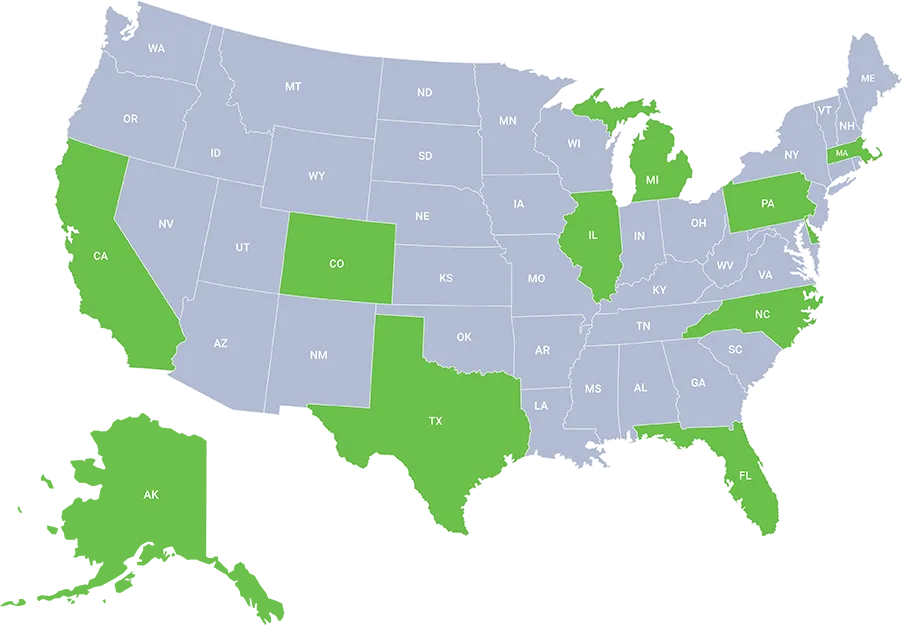
Banyan Facilities for Drug, Alcohol, & Mental Health Treatment

Banyan Castle Rock
Located in Castle Rock, CO
Substance Use Inpatient
Mental Health Inpatient
Telehealth Virtual IOP

Banyan Heartland Mental Health & Drug Rehab in Illinois
Located in Gilman, IL
Substance Use Inpatient
Mental Health Inpatient
Substance Use Outpatient
Telehealth Virtual IOP

Banyan Palm Springs
Located in Cathedral City, CA
Substance Use Inpatient
Telehealth Virtual IOP
Getting Into Treatment Is Easy. Here's How to Get Started!

Call Us Anytime
Speak with our compassionate admissions specialists to discuss your situation and explore treatment options.

Initial Assessment
We conduct a thorough evaluation to determine the best level of care tailored to your needs.

Financial Guidance
Our team will verify your insurance coverage and provide transparent cost information.

Begin Your Recovery
Once everything is set, you’ll be welcomed into our program and start your journey toward healing.