
Written by: Banyan Editorial Staff | Medically reviewed by: Dr. Darrin Mangiacarne - Chief Medical Officer | Edited: February 2026
Banyan Treatment Centers is proud to offer evidence-based therapies that are transforming the way people heal from trauma, anxiety, and addiction. One of these approaches is Accelerated Resolution Therapy (ART), a structured and innovative treatment that helps individuals process painful memories and find relief more quickly than traditional talk therapy. By combining proven psychotherapy techniques with guided imagery and eye movement methods, ART supports lasting recovery for those dealing with trauma, substance use, and co-occurring mental health challenges.
What Is Accelerated Resolution Therapy?
Accelerated Resolution Therapy is a short-term, evidence-based form of therapy that aims to reduce distressing symptoms and promote emotional healing. Unlike some approaches that require years of ongoing sessions, ART is focused, structured, and often produces results in just a few meetings.
ART utilizes guided visualization and eye movement techniques to help individuals safely reprocess challenging memories. The goal is not to erase the past but to change how those memories are stored in the brain, reducing the emotional impact and freeing individuals from cycles of fear, anxiety, or relapse. Conditions often addressed with ART include trauma, PTSD, anxiety, depression, grief, and phobias.
How ART Works in Treatment
At its core, ART focuses on helping people reprocess and desensitize painful memories. In a typical session, clients are asked to recall a distressing image or event while simultaneously engaging in guided eye movements. This process allows the brain to reframe the memory and replace it with safer, more positive associations. A technique known as Voluntary Image Replacement (VIR) is often used to break the mental patterns connected to trauma.
Because ART is structured and intentional, many clients notice symptom relief within just 1–5 sessions.[2] Therapists may also integrate elements of Cognitive Behavioral Therapy (CBT), Eye Movement Desensitization and Reprocessing (EMDR), and guided imagery into ART sessions to strengthen results. Clients are encouraged to practice reflection and relaxation strategies between meetings, reinforcing their progress and helping them develop new coping skills.
Co-occurring Conditions Accelerated Resolution Therapy Addresses
Accelerated Resolution Therapy is highly effective in addressing both substance use and mental health struggles. It is commonly used to help with:
- Substance use disorders: addressing the underlying trauma or triggers that fuel alcohol, opioid, stimulant, or prescription drug misuse.
- Trauma and PTSD: reducing intrusive thoughts, flashbacks, and nightmares tied to past events.
- Anxiety and depression: building healthier thought patterns and emotional regulation.
- Grief, loss, and phobias: processing difficult emotions and creating space for healing.
For individuals in addiction treatment, ART is especially valuable because unresolved trauma often contributes to relapse. By reducing the emotional burden of past experiences, ART helps people strengthen recovery and maintain long-term stability.
Questions about our Facilities or Programs?
Our admissions coordinators are available 24/7 to answer any questions you may have as you consider whether treatment at Banyan is right for you or your loved one.
ART and Mental Health
Accelerated Resolution Therapy is especially valuable for individuals managing co-occurring mental health conditions. Many people struggling with addiction also face anxiety, depression, PTSD, or ADHD, and untreated mental health symptoms can complicate recovery. ART helps by directly addressing the memories and emotional patterns that intensify these conditions.
Through guided visualization and structured eye movement techniques, clients can reduce the distress associated with painful experiences without needing to re-live them in detail. For those who feel stuck in cycles of anxiety, intrusive thoughts, or grief, ART provides a pathway toward relief and emotional balance.
By easing symptoms of depression, reducing anxiety, and helping people reframe traumatic memories, ART supports overall mental health recovery and creates a stronger foundation for long-term sobriety. Families often notice that their loved one appears calmer, more engaged, and better able to cope with daily challenges after participating in ART.
Benefits of Accelerated Resolution Therapy
ART offers several unique advantages compared to traditional therapies:
- Faster results, with many clients experiencing relief in fewer sessions.
- A non-invasive approach that does not require detailed verbal recounting of traumatic events.
- Reduced emotional distress, intrusive memories, and cravings.
- Improved sleep and fewer nightmares.
- Stronger emotional regulation and stress management skills.
- Flexibility to treat a wide range of psychological issues.
For veterans and first responders, ART is especially effective in targeting trauma-related symptoms that interfere with daily functioning[2], restoring resilience and empowerment.
Getting into treatment is easy with our free insurance verification
"*" indicates required fields
Start Your Recovery with Accelerated Resolution Therapy
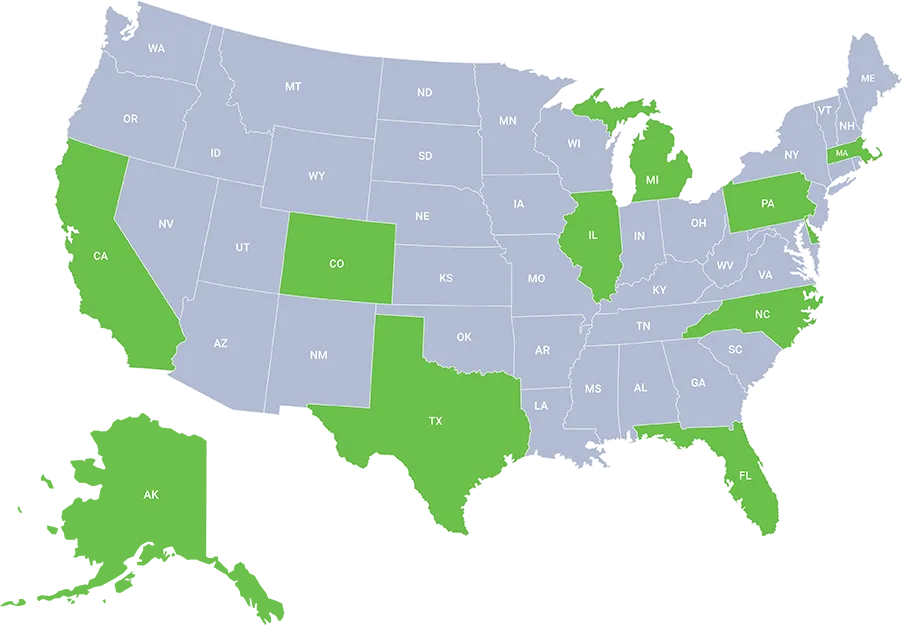
Banyan Treatment Centers is dedicated to delivering innovative, evidence-based therapies that foster lasting recovery. Accelerated Resolution Therapy is available at select Banyan locations as part of our comprehensive treatment programs.
If you or someone you love is struggling with trauma, anxiety, or addiction, ART can offer a faster, effective path toward healing. Contact our team today to discover how ART can enhance your recovery journey.
Inpatient Accelerated Resolution Therapy Options
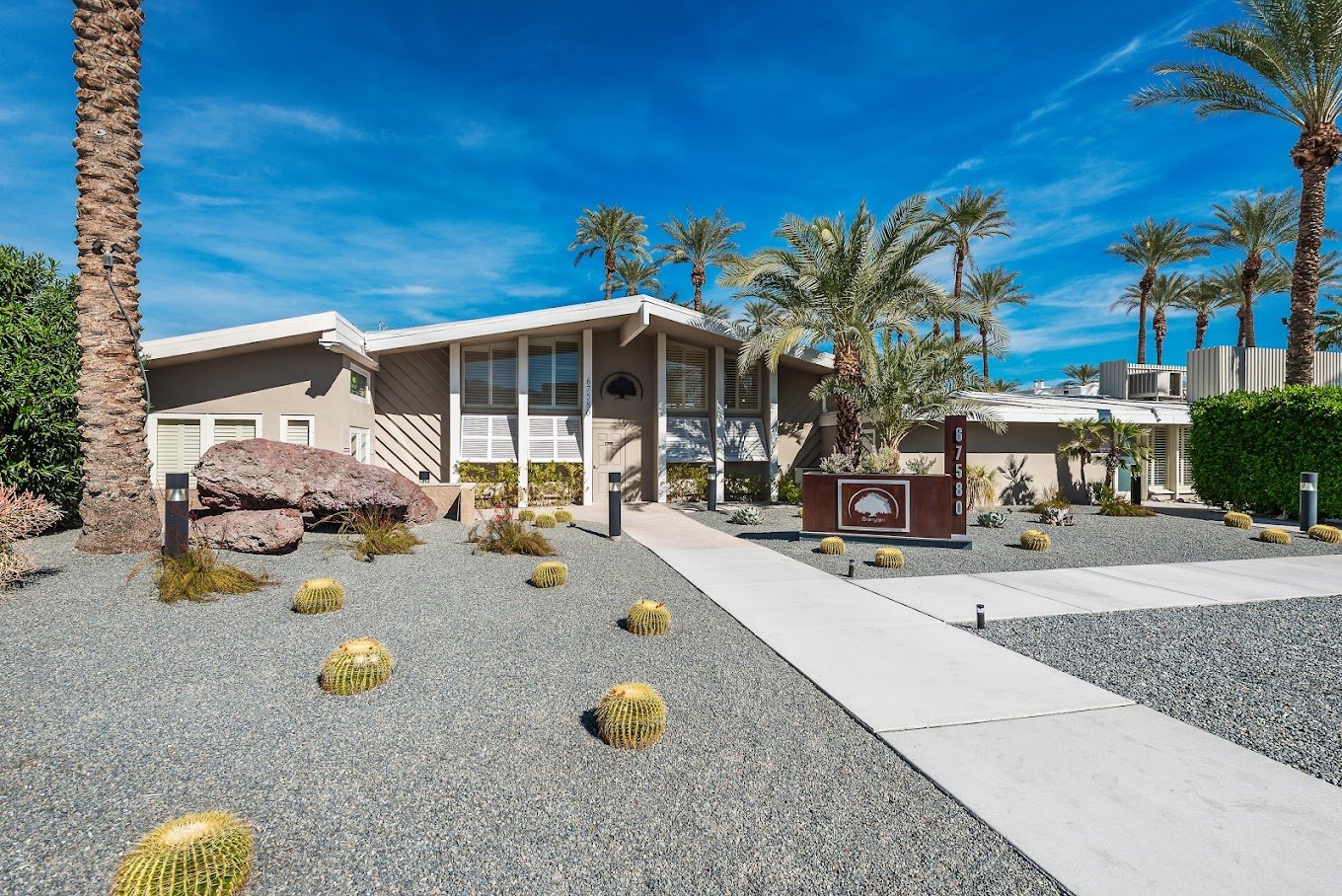
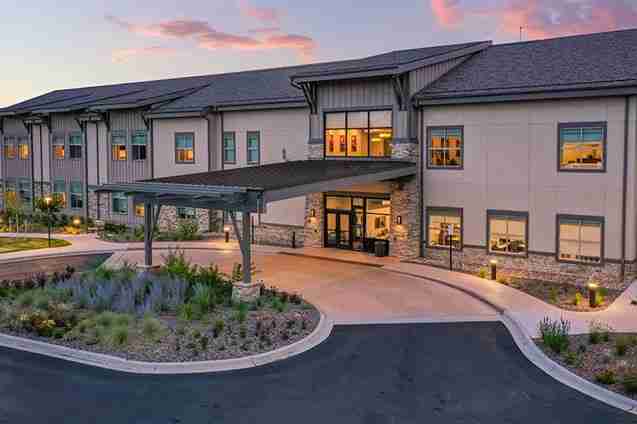
For those requiring a more residential approach to recovery, our centers offer Accelerated Resolution Therapy in a structured and immersive environment, allowing clients to focus fully on their recovery. Find out which of our treatment centers offering Accelerated Resolution Therapy are closest to you:
Outpatient Solutions for Accelerated Resolution Therapy
Outpatient rehab (either through Telehealth or day programs) offers flexibility for individuals who are ready to continue treatment while balancing work, school, or family responsibilities. Our outpatient program includes Accelerated Resolution Therapy (one-on-one or in group therapy) as part of its curriculum.

Frequently Asked Questions
If you have additional questions about ART or other treatment options at Banyan Treatment Centers, our team is here to help. Contact us today to learn more