



Ready to take the next step? Verify your insurance.
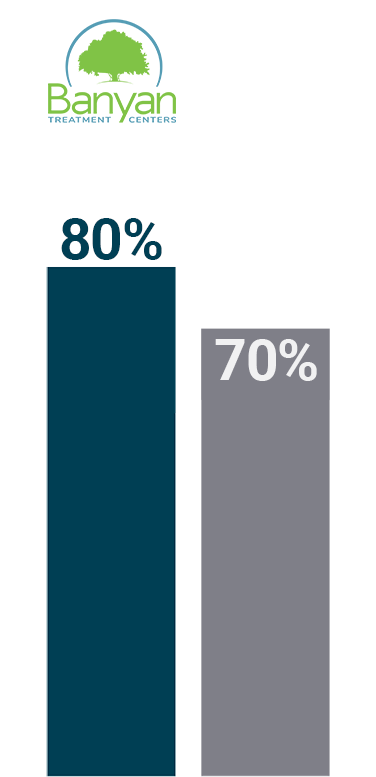
Completion Rate
More than 24 million Americans are currently living with a substance use disorder[1], each affected in unique and deeply personal ways. Whether it's a friend, family member, coworker, or yourself, addiction touches nearly every life in some way.
At Banyan Treatment Centers, our mission is to help individuals break free from the cycle of addiction and begin building a healthier, sober future. We provide comprehensive, personalized treatment services tailored to meet the specific needs of each client. Our programs include medically monitored detox, inpatient addiction treatment, mental health care, and faith-based drug and alcohol rehab, among others.
No matter where you are in your journey, we’re here to support you with compassionate care, evidence-based practices, and a commitment to lasting recovery. If you or a loved one is ready to take the first step, Banyan Treatment Centers is here to help.
Addiction Therapy and Programs at Banyan Treatment Centers
At Banyan Treatment Centers, we offer a wide range of evidence-based addiction therapy programs designed to support individuals at every stage of their recovery journey. Our therapy services are available across multiple drug and alcohol rehab locations nationwide, ensuring that each client receives personalized, effective care.
Our addiction therapy options include:
- 12-Step Program – A structured, spiritual-based recovery model proven to support long-term sobriety.[10]
- Mature & Mindfulness Program – Tailored therapy for older adults using mindfulness practices to foster emotional balance.
- Cognitive Behavioral Therapy (CBT) – A goal-oriented approach that helps clients identify and change negative thought patterns and behaviors.[7]
- Dialectical Behavioral Therapy (DBT) – Designed to help individuals regulate emotions, manage stress, and improve relationships.[8]
- Mindfulness-Based Cognitive Therapy (MBCT) – Combines cognitive therapy techniques with mindfulness strategies to prevent relapse.[9]
- Motivational Interviewing (MI) – A collaborative therapy that strengthens personal motivation for recovery.
- Rational Emotive Behavior Therapy (REBT) – Helps individuals challenge and replace irrational beliefs with healthier thought patterns.
- Gestalt Therapy – Encourages self-awareness and accountability by focusing on present experiences.
- Reality Therapy – Emphasizes responsibility and making positive choices for long-term behavioral change.
- Trauma-Focused Therapy – Provides specialized care for individuals coping with trauma and co-occurring disorders.
- and more!
In addition to these core therapies, we offer multiple programs and individual therapy, group therapy, family therapy, and a variety of holistic treatment options to promote healing of the mind, body, and spirit.
Whether you’re struggling with drug addiction, alcoholism, or a co-occurring mental health disorder, our diverse range of treatment programs and therapeutic approaches are designed to meet your unique needs.
Symptoms of Drug Addiction and Alcoholism
Recognizing the signs and symptoms of drug addiction and alcoholism is an essential step toward seeking help for yourself or a loved one. Substance abuse can impact every area of a person’s life, from their physical health to their relationships and responsibilities. Identifying these symptoms early can increase the chances of effective intervention and treatment.
Behavioral Symptoms of Drug Addiction and Alcoholism
Active drug addiction and alcoholism often lead to noticeable changes in behavior. These behavioral symptoms may include:
- New problems at school or work: A sudden drop in performance, frequent absences, or disciplinary issues can be red flags.
- Deteriorating physical or mental health: Substance abuse can worsen mental health disorders like depression and anxiety, as well as cause chronic illnesses.[13]
- Poor personal hygiene and self-care: Individuals may neglect daily routines such as bathing, grooming, or wearing clean clothes.
- Increased secrecy or isolation: People struggling with addiction may become withdrawn, avoid social activities, or hide their substance use.
- Unexplained financial difficulties: Addiction often leads to borrowing money, selling possessions, or sudden financial instability to fund drug or alcohol use.
These behavioral changes are often some of the first indicators of a deeper issue and should not be ignored.
Physical Symptoms of Drug Addiction and Alcoholism
In addition to behavioral changes, there are also physical symptoms of drug addiction and alcoholism that can be easier to spot:
- Drug paraphernalia or alcohol bottles: Finding syringes, baggies, rolling papers, or empty bottles around the house can be a clear warning sign.
- Tired or unhealthy appearance: Individuals may appear fatigued, have dark circles under their eyes, or experience a general decline in physical health.
- Changes in pupils: Dilated or pinpoint pupils can be a strong indicator of drug use.[14]
- Significant weight loss or gain: Substance abuse often disrupts eating habits and metabolism, leading to noticeable weight fluctuations.
- Track marks or visible scars: Intravenous drug use can cause marks on arms, legs, or other areas of the body.
- Slurred, rapid, or incoherent speech: Alcohol and certain drugs affect motor skills and speech patterns.
- Loss of balance or coordination: Impaired motor function is common when under the influence of drugs or alcohol.
Why It’s Important to Recognize These Symptoms
Spotting the early signs of addiction can make it easier to encourage someone to seek help before their substance abuse worsens. If you notice these behavioral or physical changes in yourself or a loved one, it may be time to reach out for professional support. Treatment programs at reputable addiction treatment centers can address both the physical dependence and underlying issues contributing to drug or alcohol use.
Drug Addiction Risk Factors
Addiction doesn’t discriminate, it can affect anyone, regardless of income, age, gender, background, or profession. Drug addiction is a chronic and progressive disease that can take hold of individuals from all walks of life. Understanding the risk factors associated with substance abuse is essential for prevention, early intervention, and treatment.
While not everyone exposed to drugs will develop a substance use disorder, certain factors can significantly increase a person’s vulnerability to addiction. Common drug addiction risk factors include:
Genetic predisposition – Individuals with a family history of addiction are at a higher risk of developing substance use disorders themselves due to inherited genetic and behavioral traits.[4]
Early exposure to drugs or alcohol – Experimenting with drugs or alcohol at a young age can interfere with brain development and increase the chances of lifelong addiction.[5]
- High sensitivity to drugs or alcohol – Some people may experience an intense euphoric response or dependency after minimal use, increasing their likelihood of misuse.
- Co-occurring mental health disorders – Untreated mental health conditions such as depression, anxiety, PTSD, and bipolar disorder often lead individuals to self-medicate with substances, heightening addiction risks.[6]
- Social isolation or lack of support – Feelings of loneliness, rejection, or a lack of meaningful connections with friends and family can contribute to drug or alcohol misuse.
- Peer pressure and social influence – Especially common among teens and young adults, the pressure to fit in or experiment can result in initial drug use that spirals into dependency.[16]
- Trauma or chronic stress – Experiencing trauma, abuse, neglect, or long-term stress can lead to unhealthy coping mechanisms, including substance abuse.[15]
At Banyan Treatment Centers, we recognize the complex interplay of biological, psychological, and environmental factors that contribute to addiction. Our evidence-based addiction treatment programs address both the physical and mental aspects of substance use disorders, offering personalized care to support lasting recovery.
Levels of Care
Addictions We Treat at Banyan
Questions about our Facilities or Programs?
Our admissions coordinators are available 24/7 to answer any questions you may have as you consider whether treatment at Banyan is right for you or your loved one.
What Is the Reason for Getting Addiction Treatment?
Rehab centers are designed to give people with substance misuse issues a controlled, encouraging atmosphere in which they can beat their addiction and take back control of their lives. Our rehab facilities provide a variety of rehabilitation modalities, evidence-based therapies, and customized programs that are designed to meet the individual needs of each patient. Helping people attain and maintain sobriety and escape the cycle of drug or alcohol dependency is one of the fundamental objectives of rehab. Usually, a mix of behavioral therapy, counseling, detoxification, and education on addiction and relapse prevention techniques is used to achieve this.
Our national rehab centers serve several key purposes, including:
- Sobriety and recovery: Free from the distractions and temptations of daily life, rehab centers provide a concentrated, supervised setting where people can work toward attaining and sustaining sobriety.
- Structured addiction treatment plans: Rehab programs are made to be all-inclusive; to address the mental, emotional, and psychological elements of addiction, they frequently include group and individual therapy, detoxification, and educational sessions.
- Education and relapse prevention: Patients learn about the physical and mental impacts of addiction and techniques for preventing relapse and maintaining long-term recovery. This is accomplished through the development of a personalized relapse prevention plan.
- Coping skills development: Through therapy and counseling, people learn more effective coping strategies to handle stress, triggers, and emotional difficulties in a constructive and good way.
- Community and support: Rehab offers a peer and professional support system that is sympathetic to the challenges of addiction and can provide direction and encouragement during the restoration process.
- Addressing underlying issues: Rehab seeks to identify and treat co-occurring mental health illnesses and other underlying issues that may have contributed to the patient’s addiction to promote a more comprehensive approach to recovery.
Beyond the short-term objective of achieving sobriety, rehab seeks to provide patients with the instruments and coping mechanisms they need to deal with life’s challenges without turning to drugs. This entails discovering constructive coping strategies, creating robust support systems, and learning more about the fundamental causes of their addiction. Rehab’s ultimate goal is to enable patients to lay the groundwork for a happier, healthier future free from the shackles of addiction.
FAQs About Addiction Treatment
Loss of control over substance use: Needing to use more of the substance to achieve the same effect or being unable to stop despite repeated attempts.
Withdrawal symptoms: Experiencing physical or emotional symptoms—such as anxiety, nausea, sweating, or tremors—when not using the substance.
Neglecting responsibilities: Missing work or school, falling behind on bills, or neglecting personal hygiene and relationships due to substance use.
Changes in behavior or mood: Becoming secretive, irritable, withdrawn, or aggressive, especially when questioned about substance use.
Continued use despite consequences: Persisting in drug or alcohol use even when it causes problems with health, relationships, finances, or the law.
If you or a loved one is exhibiting any of these symptoms, it may be time to seek professional help. At Banyan Treatment Center, we offer comprehensive addiction assessments and individualized treatment plans designed to guide individuals toward lasting recovery. Early intervention can make a significant difference in achieving long-term sobriety and improving quality of life.
Step 1: Call into Our Admissions Department
Clients or family members can call into our admissions department and speak to one of our treatment specialists. Our team is available 24/7, ensuring that help is always within reach. During this initial call, our specialists will provide compassionate support and gather preliminary information about the client's situation. This includes understanding the nature of the substance use issue, any co-occurring mental health conditions, and other relevant details. This step is crucial as it sets the foundation for the subsequent stages of the admission process.
Step 2: Initial Assessment
After the initial call, we schedule a comprehensive assessment to determine the medical and clinical needs of the client. This assessment is reviewed by our experienced medical and clinical staff and includes a thorough evaluation of the client's physical health, mental health, and substance use history. The assessment may involve standardized questionnaires, interviews, and, if necessary, medical examinations. The goal is to create a detailed profile of the client's condition, which will guide the development of a personalized treatment plan. This step ensures that we can identify the most suitable program for the client, whether it be residential treatment, partial hospitalization, intensive outpatient, or another level of care.
Step 3: Verification of Insurance
Understanding the financial aspects of treatment is a crucial part of the admissions process. Insurance plays a vital role in making rehab for addiction more accessible and affordable by covering a significant portion of the costs associated with treatment. This coverage reduces the financial burden on individuals and families, allowing them to focus more on recovery rather than expenses.
Our admissions team will work with the client's insurance provider to verify benefits and coverage. We strive to ensure that clients and their families have a clear understanding of their insurance benefits, the estimated costs of care, and any out-of-pocket expenses they might incur. This transparency helps in alleviating any financial concerns, allowing clients to focus solely on their recovery journey.
Our team is also available to answer any questions regarding payment plans or financial assistance options if needed. By collaborating closely with insurance providers and offering support, we aim to make the path to recovery as smooth and stress-free as possible.
Step 4: Admission into Program
Once all preparations are complete, individuals are officially admitted into the treatment program. This marks the beginning of their therapeutic journey. Upon arrival, clients are welcomed by our staff. During the initial phase of treatment, clients will undergo a detailed orientation to the program's rules, schedules, and expectations. This step ensures that clients feel comfortable and supported as they transition into the therapeutic environment, setting the stage for a successful recovery process.


Inpatient treatment, also known as residential rehab, requires individuals to live at the treatment facility full-time. This level of care is ideal for those with severe addictions, co-occurring mental health disorders, or individuals who need a highly structured and supportive environment free from outside triggers. Patients receive 24/7 medical supervision, participate in daily therapy sessions, and have access to a range of holistic and evidence-based services.
Outpatient treatment, on the other hand, allows individuals to live at home or in a sober living environment while attending scheduled therapy sessions several times a week. This option is better suited for those with mild to moderate substance use disorders, a strong support system, or those transitioning from a higher level of care. Outpatient programs offer flexibility for those who need to maintain work, school, or family responsibilities while still receiving structured addiction treatment.
Both options can be highly effective, depending on the individual's needs and stage of recovery. At Banyan Treatment Center, we offer a full continuum of care, including inpatient and outpatient programs, to ensure each client receives the most appropriate and personalized level of support.
Our Virtual Rehab Programs for Addiction
With millions of Americans battling drug and alcohol use disorders, there’s no single way to treat addiction. Our virtual drug rehabilitation centers are committed to aiding people all over the country in recovering from all types of disorders by offering them not only inpatient and outpatient care but also virtual IOP services.
Our virtual rehab programs are effective when used as a supplement to residential services like medically assisted detox, as patients often struggle with transitioning to a sober lifestyle after treatment. Additionally, these services are available to adults ages 18 and older of various demographics and backgrounds, including:
- Adults struggling with addiction
- Adults struggling with mental illness
- College students (ages 18 and older)
- Executives and other high-level professionals with addictions or mental illnesses
- First responders
- Pregnant women struggling with addiction and/or mental illness
- Veterans and their families
Our Banyan Telehealth program is deeply committed to client safety. Our easy-to-use digital platforms are rooted in scientific evidence demonstrating the efficacy of delivering telehealth drug treatment and behavioral health services via virtual platforms.[18] This program allows clients to receive the care they need from the comfort of their homes and regardless of roadblocks that may make inpatient care inconvenient.
Treating Addiction at Banyan Treatment Centers
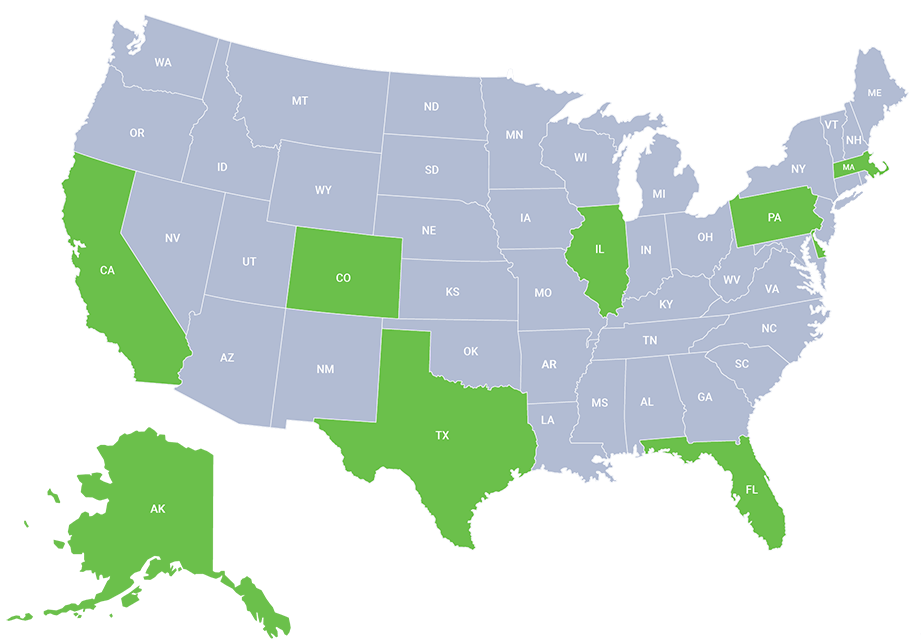
At Banyan Treatment Centers, we offer nationwide drug and alcohol addiction treatment that supports the full continuum of care. If you see signs of addiction, it’s time to reach out for help. From detox through the completion of care, we are here to support the recovery process. We treat many types of drug and alcohol addiction, helping patients get and stay sober. Contact us or call us today at (844) 249-2654 to get started.
Banyan Facilities for Drug, Alcohol, & Mental Health Treatment
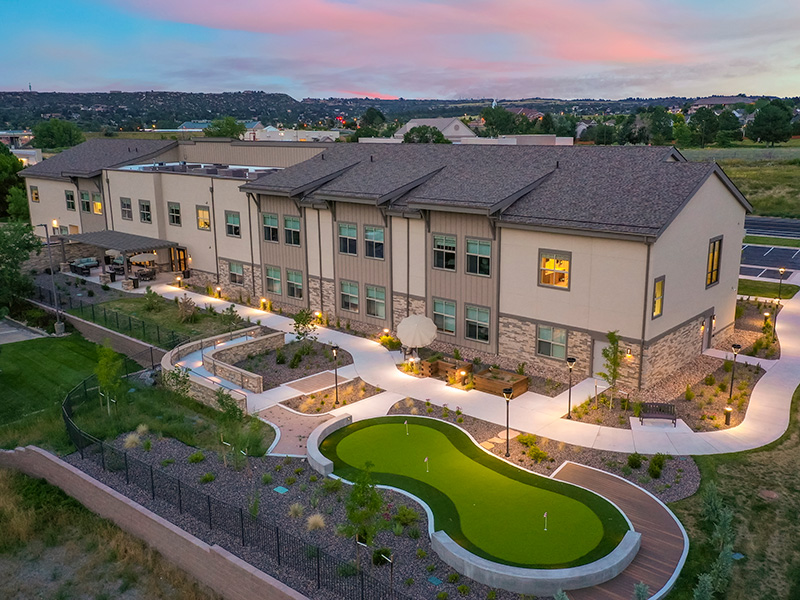
Banyan Castle Rock
Located in Castle Rock, CO
Substance Use Inpatient
Mental Health Inpatient
Telehealth Virtual IOP

Banyan Heartland
Located in Gilman, IL
Substance Use Inpatient
Mental Health Inpatient
Substance Use Outpatient
Telehealth Virtual IOP

Banyan Palm Springs
Located in Cathedral City, CA
Substance Use Inpatient
Telehealth Virtual IOP
Getting Into Treatment Is Easy. Here's How to Get Started!

Call Us Anytime
Speak with our compassionate admissions specialists to discuss your situation and explore treatment options.

Initial Assessment
We conduct a thorough evaluation to determine the best level of care tailored to your needs.

Financial Guidance
Our team will verify your insurance coverage and provide transparent cost information.

Begin Your Recovery
Once everything is set, you’ll be welcomed into our program and start your journey toward healing.