

Written by: Banyan Editorial Staff | Medically reviewed by: Dr. Darrin Mangiacarne - Chief Medical Officer | Edited: March 2026
Medically Reviewed by:
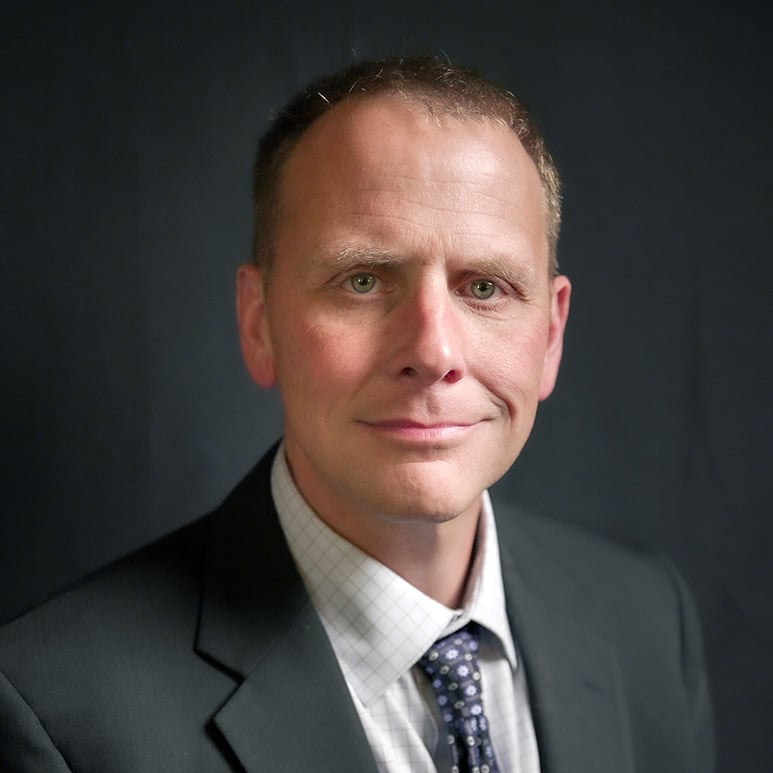
Dr. Darrin Mangiacarne
Chief Medical Officer
At Banyan Treatment Centers, Chief Medical Officer Dr. Darrin Mangiacarne leads our nationwide clinical team with over a decade of addiction medicine experience, helping ensure evidence-based, compassionate care across every level of treatment.
Author / Written by: Banyan Editorial Staff
Medically reviewed by: Dr. Darrin Mangiacarne, CMO
Updated on: April 2026
Trauma can have a lasting impact on both mental health and substance use, affecting how individuals think, feel, and respond to stress. At Banyan Treatment Centers, our trauma-informed care treatment program is designed to help individuals process traumatic experiences, manage trauma-related symptoms, and build a strong foundation for recovery.
Many people who have experienced traumatic events such as childhood trauma, sexual abuse, physical assault, or other distressing events may struggle with anxiety, depression, or substance abuse. Through trauma-informed care and evidence-based therapy, individuals can begin to heal and regain a sense of control in their lives.
What Is Trauma?
Trauma is a psychological and emotional response to a distressing or life-threatening event.[1] While some individuals recover over time, others may continue to experience long-term trauma symptoms that affect their mental and physical health.
These reactions are often normal responses to overwhelming experiences, but when symptoms persist, they may develop into conditions such as post-traumatic stress disorder (PTSD) or acute stress disorder.[2] Understanding trauma is the first step in recognizing how it impacts both mental health and addiction.
Common Trauma Symptoms
Trauma can affect individuals in different ways, often involving a combination of emotional, psychological, and physical reactions.
Common trauma-related symptoms include:
- Anxiety, fear, or intense emotional reactions
- Difficulty falling asleep or disrupted sleep patterns
- Intrusive thoughts or traumatic memories
- Emotional numbness or detachment from others
- Muscle tension, headaches, or other physical symptoms
- Difficulty regulating emotions or managing stress
These symptoms may appear shortly after a traumatic event or develop over time, especially when trauma remains unaddressed.
Types of Trauma and Trauma-Related Disorders
Trauma is not one-size-fits-all, and different experiences can lead to different mental health conditions. A proper assessment by a mental health professional helps determine the most appropriate diagnosis and treatment plan.
Some common trauma-related disorders include:
- Post-Traumatic Stress Disorder (PTSD): Persistent traumatic stress reactions, flashbacks, and avoidance behaviors
- Acute Stress Disorder: Short-term symptoms that develop shortly after trauma exposure
- Complex Trauma: Repeated or prolonged traumatic experiences, often beginning in childhood[10]
- Secondary or Vicarious Trauma: Emotional strain from exposure to another person’s trauma
Understanding these conditions helps guide effective trauma therapy and treatment planning.
How Trauma Affects Mental Health and Substance Use
Trauma and substance use are closely connected, as individuals may turn to drugs or alcohol to cope with overwhelming emotions or distressing memories.[3] While this may provide temporary relief, it can lead to worsening mental health and increased risk of addiction over time.
Without addressing underlying trauma, substance abuse treatment alone may not fully support lasting recovery.[4] Treating both trauma and substance use together helps break this cycle and improves long-term outcomes.
Questions about our Facilities or Programs?
Our admissions coordinators are available 24/7 to answer any questions you may have as you consider whether treatment at Banyan is right for you or your loved one.
What to Expect in a Trauma-Informed Care Treatment Program
Trauma treatment programs provide a structured and supportive environment where individuals can safely begin the healing process. Treatment is personalized and guided by a clinical team to address each person’s unique experiences and needs.
During treatment, patients may receive:
- Individual therapy with a licensed mental health professional
- Group therapy for connection and shared support
- Trauma-informed care focused on safety and trust
- Medication management when clinically appropriate
- A personalized treatment plan based on symptoms and goals
This level of care helps individuals build stability while working through trauma at a manageable pace.
Trauma Therapy and Evidence-Based Approaches
Effective trauma therapy focuses on helping individuals process traumatic memories, regulate emotions, and reduce trauma-related symptoms. Evidence-based approaches support both psychological and physical healing.
Common trauma therapy methods include:
- Cognitive Behavioral Therapy (CBT)
- Trauma-Focused Cognitive Behavioral Therapy (TF-CBT)
- Eye Movement Desensitization and Reprocessing (EMDR)
- Mindfulness-based approaches to improve emotional regulation
These therapies help individuals better understand their reactions, develop coping strategies, and move forward in recovery.
Coping Strategies for Trauma Recovery
Recovery from trauma involves learning how to manage emotional and physical reactions in a healthy and sustainable way. Developing coping skills can help reduce distress and improve overall well-being.
Helpful coping strategies include:
- Deep breathing and grounding techniques to manage stress
- Mindfulness meditation to increase self-awareness
- Regular exercise to support mental and physical health[11]
- Building a strong support system of family and supportive friends
- Practicing self-care, including sleep, nutrition, and routine
These strategies help individuals regulate emotions, reduce anxiety, and strengthen resilience over time.
Getting into treatment is easy with our free insurance verification
"*" indicates required fields
Trauma-Informed Care and Long-Term Recovery
Trauma-informed care is a core component of effective treatment. This approach recognizes the widespread impact of trauma and emphasizes safety, trust, and empowerment throughout the recovery process.
At Banyan, trauma-informed care focuses on creating a supportive environment where individuals feel understood and respected. This approach helps reduce the risk of re-traumatization and supports long-term healing.
Recovery from trauma is an ongoing process, and with the right support, individuals can continue building a healthier, more stable life.
Insurance Coverage and Access to Treatment
Insurance coverage for trauma treatment programs varies by provider and plan. Banyan Treatment Centers works with many insurance providers to help individuals access care.
Our team can verify your coverage, explain your treatment options, and guide you through the next steps.
Start Trauma Treatment Today
If you are experiencing trauma-related symptoms or struggling with substance use, you are not alone. With the right treatment and support, healing is possible.
Banyan Treatment Centers offers trauma-informed care designed to help individuals process traumatic experiences, build coping skills, and move forward in recovery. Contact us today to learn more.
Frequently Asked Questions
- Safety & Stabilization – Establishing a sense of safety and managing emotional distress.
- Processing & Grieving – Working through traumatic memories and emotions.
- Reintegration & Growth – Rebuilding confidence, relationships, and moving forward with life.
Our specialized programs at Banyan Treatment Center are designed to support you at every stage of your healing process.
Banyan Facilities for Drug, Alcohol, & Mental Health Treatment

Banyan Castle Rock
Located in Castle Rock, CO
Substance Use Inpatient
Mental Health Inpatient
Telehealth Virtual IOP

Banyan Heartland Mental Health & Drug Rehab in Illinois
Located in Gilman, IL
Substance Use Inpatient
Mental Health Inpatient
Substance Use Outpatient
Telehealth Virtual IOP

Banyan Palm Springs
Located in Cathedral City, CA
Substance Use Inpatient
Telehealth Virtual IOP
What Our Patients Are Saying


Getting Into Treatment Is Easy. Here's How to Get Started!

Call Us Anytime
Speak with our compassionate admissions specialists to discuss your situation and explore treatment options.

Initial Assessment
We conduct a thorough evaluation to determine the best level of care tailored to your needs.

Financial Guidance
Our team will verify your insurance coverage and provide transparent cost information.

Begin Your Recovery
Once everything is set, you’ll be welcomed into our program and start your journey toward healing.