

Comprehensive Addiction and Mental Health Treatment in Arkansas
Arkansas Drug & Alcohol Treatment Centers
Arkansas, like many states, faces a growing drug and alcohol addiction crisis and widespread mental health challenges. Socioeconomic disparities, high poverty rates, and limited access to healthcare services exacerbate these issues, affecting thousands of residents across the state. These challenges demand urgent attention, comprehensive substance abuse treatment programs, and policy changes to mitigate their impact on individuals, families, and communities.
Substance Abuse and Addiction in Arkansas
Substance abuse is a significant public health concern in Arkansas. The state has experienced a surge in opioid-related overdoses, driven by fentanyl and prescription drug misuse. Arkansas has one of the highest opioid prescribing rates in the nation, contributing to widespread addiction and overdose deaths. Additionally, alcohol use disorder remains a prevalent issue, with binge drinking rates highest among young adults aged 18 to 25.
Methamphetamine use continues to rise, particularly in rural areas where treatment resources are scarce. Meanwhile, marijuana remains the most commonly cited drug among individuals entering treatment programs, followed closely by cocaine and prescription drugs.
Certain cities in Arkansas experience particularly high rates of substance abuse, including:
- Little Rock – The state’s largest city and a major center for opioid misuse, fentanyl overdoses, and rising methamphetamine use.
- Fort Smith – Noted for high rates of alcohol abuse and an increase in methamphetamine-related cases.
- Fayetteville – Home to a growing issue with prescription drug misuse and synthetic opioid-related incidents.
- Pine Bluff – Struggles with an alarming increase in fentanyl and heroin overdoses, along with high rates of alcohol dependency.
- Jonesboro – Affected by methamphetamine and opioid misuse, with limited treatment options available.
- Hot Springs – Experiences substance abuse challenges, particularly involving alcohol and prescription drug misuse.
These alarming trends emphasize the urgent need for comprehensive addiction treatment and prevention programs statewide. Addressing these drug addiction challenges requires a coordinated approach involving healthcare providers, policymakers, and community organizations.
Most Commonly Abused Substances in Arkansas
Arkansas’s substance abuse landscape is shaped by several key factors, including the availability of prescription drugs, socioeconomic conditions, and rural healthcare access. The most commonly abused substances in the state include:
Opioids (Fentanyl, Heroin, Prescription Painkillers) – The leading cause of overdose deaths.
Alcohol – A significant issue, contributing to DUI arrests and alcohol-related hospitalizations.
Methamphetamine – Increasingly problematic, particularly in rural Arkansas and urban centers like Little Rock.
Cocaine – More prevalent in cities like Fort Smith and Pine Bluff.
Marijuana – While legal for medical use, recreational use remains a concern, particularly among youth.
Efforts to combat these issues include education, stricter regulations on prescription medications, and increased access to addiction treatment services. However, stigma and financial constraints prevent many individuals from seeking help.
Factors Driving Substance Use in Arkansas
Arkansas’s high poverty rate and lack of access to mental health services significantly contribute to substance use disorders. Key factors influencing addiction rates in the state include:
- Economic Hardship – With a poverty rate of nearly 17%, many individuals turn to substances as a coping mechanism.
- Limited Healthcare Access – Rural areas often lack adequate addiction treatment centers and mental health services.
- High Opioid Prescription Rates – Arkansas has historically had one of the highest opioid prescribing rates in the country.
- Generational Substance Abuse – Many families struggle with long-standing cycles of addiction.
- Social and Cultural Norms – Alcohol consumption is widely accepted, and stigma around seeking treatment remains a barrier.
Addressing these factors requires targeted interventions, community education, and expanded mental health services.
Mental Health Challenges in Arkansas
Mental health disorders are widespread across Arkansas, with approximately 20% of adults experiencing symptoms of anxiety, depression, or other mental illnesses. However, access to care remains a significant barrier, particularly in rural counties where mental health professionals are scarce.
Key mental health concerns in Arkansas include:
- Depression and Anxiety – Affecting nearly 1 in 5 residents, particularly among low-income populations.
- Post-Traumatic Stress Disorder (PTSD) – Prevalent among veterans and survivors of violence or trauma.
- Suicide – Arkansas has a higher-than-average suicide rate, with rural communities experiencing the most severe impacts.
- Severe Mental Illness Among the Homeless – A large proportion of homeless individuals in the state suffer from untreated mental health conditions.
Despite these challenges, initiatives such as Arkansas’s Crisis System of Care aim to improve mental health support by providing crisis intervention and increasing access to care. Additional funding and community partnerships are necessary to strengthen mental health services statewide.
Economic Impact of Addiction and Mental Health Issues
The economic burden of addiction and mental health disorders in Arkansas is substantial, costing the state billions of dollars annually in healthcare expenses, lost productivity, and criminal justice expenditures. Substance use alone accounts for an estimated $5 billion in costs each year.
Employers across the state face significant challenges due to absenteeism and reduced workplace performance among employees struggling with addiction and mental health issues. Investing in prevention, education, and treatment services is crucial to reducing these costs and improving the overall well-being of Arkansas’s workforce and communities.
Mental Health and Substance Abuse Among Veterans in Arkansas
Arkansas has a large veteran population, many of whom face unique mental health and addiction challenges. PTSD and substance abuse are common among veterans, often leading to difficulties in reintegration into civilian life. Barriers to treatment, including stigma and lack of specialized care, further complicate recovery efforts. Suicide rates among Arkansas’s veterans remain alarmingly high, underscoring the urgent need for targeted mental health support.
Programs specifically designed for veterans, including peer support groups and VA-funded treatment options, play a crucial role in addressing these challenges. Expanding these resources and ensuring they are accessible to all veterans in need is essential for long-term recovery and mental health stabilization.
Find Mental Health Services and Addiction Treatment Near You
The challenges of addiction and mental health disorders in Arkansas require a multifaceted approach, including prevention, education, and access to high-quality treatment. Banyan Treatment Centers is dedicated to providing comprehensive and individualized care to help individuals and families navigate the path to recovery.
If you or a loved one is struggling with addiction or mental health issues, contact Banyan Treatment Centers today. Our experienced alcohol and drug rehab team is here to provide the support and guidance needed to achieve lasting wellness.
Nearby Facilities: Banyan Treatment Centers & Consultation Services
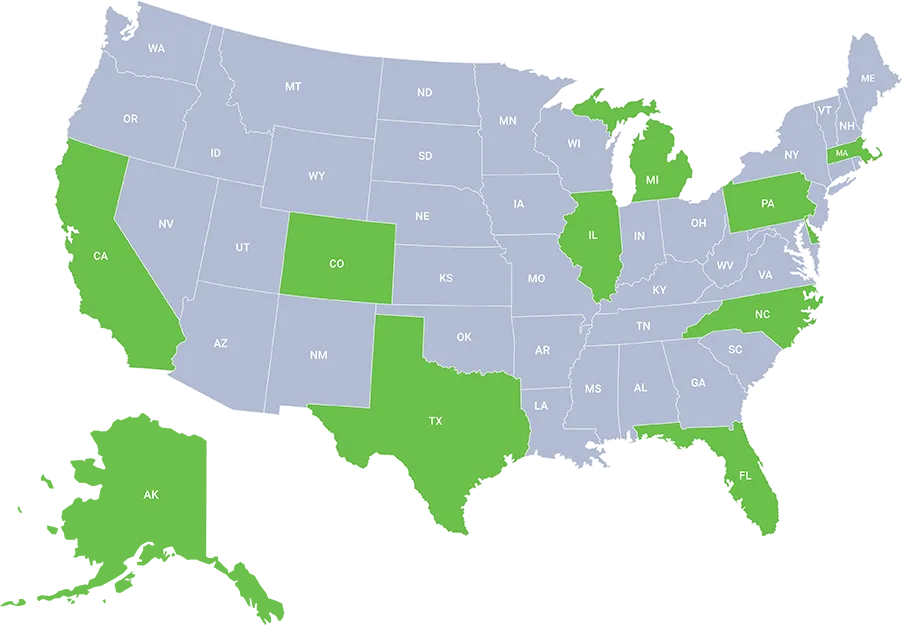
While we do not have a facility in Arkansas, we are proud to extend our comprehensive addiction and mental health treatment services to facilities across nearby states. These drug and alcohol rehab facilities include:
- Banyan Louisiana Consultation Center – Our Louisiana Consultation Center provides assessments, treatment recommendations, and insurance verification services, guiding individuals to the most appropriate care options within the Banyan network or other trusted providers.
- Banyan Waelder, Texas – Dedicated to holistic recovery approaches, medical detox services, and inpatient rehab (residential treatment) programs tailored to each patient’s unique needs.
Addressing the substance abuse and mental health crisis in Arkansas requires coordinated efforts from individuals, communities, and organizations. With the right resources, support, and treatment, recovery is possible for anyone struggling with addiction or mental illness.
If you or someone you know needs help in addiction recovery, reach out to Banyan Treatment Centers today and take the first step toward a healthier, more fulfilling life.
Banyan Treatment Centers Facilities Nearby


Banyan Lousiana
Located in Metairie, LA
Substance Use Consultation Center
Mental Health Consultation Center
Arkansas faces significant substance abuse challenges with a variety of widely misused drugs. Key substances include alcohol, heroin, methamphetamine, cocaine, prescription medications, and marijuana. It's not uncommon for individuals to experiment with more than one of these substances simultaneously, contributing to complex patterns of abuse.