
IN IMMEDIATE CRISIS?
988 Suicide & Crisis Lifeline
Call or text 988 · 24/7
NAMI | North Carolina
Visit for information on mental health or substance use in North Carolina
Alcoholics Anonymous Meetings
Find a local meeting
Medically Reviewed by:

Dr. Darrin Mangiacarne
Chief Medical Officer
At Banyan Treatment Centers, Chief Medical Officer Dr. Darrin Mangiacarne leads our nationwide clinical team with over a decade of addiction medicine experience, helping ensure evidence-based, compassionate care across every level of treatment.
Author / Written by: Banyan Editorial Staff
Medically reviewed by: Dr. Darrin Mangiacarne, CMO
Updated on: April 2026
ADDICTION & MENTAL HEALTH TREATMENT IN NORTH CAROLINA
Substance Abuse in North Carolina: A Statistical Overview
North Carolina continues to face significant challenges related to addiction and mental health, but recent data also show signs of meaningful progress.
After years of rising overdose deaths, North Carolina experienced a substantial decline in fatal overdoses in 2024. At the same time, thousands of individuals and families throughout the state continue to live with substance use disorders, mental health conditions, and co-occurring disorders.
Understanding the challenges facing North Carolina today can help individuals and families recognize when support may be needed and find the right level of behavioral health care.
Addiction in North Carolina: Understanding the Current Landscape
North Carolina has been deeply affected by the national opioid and overdose crisis, particularly as illicitly manufactured fentanyl became increasingly present in the drug supply.
However, the latest state data provide an encouraging sign.
According to the North Carolina Department of Health and Human Services (NCDHHS), overdose deaths decreased 34% between 2023 and 2024, falling from 4,442 deaths to 2,934.
Opioid-related overdose deaths declined even more sharply, falling 38.3%, from 3,656 deaths in 2023 to 2,254 in 2024.
This marked North Carolina's first decline in overdose deaths since 2019.
While this progress is significant, nearly 3,000 overdose deaths in a single year demonstrate that substance use remains a serious public health concern throughout the state.
North Carolina's Progress in Preventing Overdose Deaths
The recent decline in overdose deaths did not happen in isolation.
North Carolina has expanded several efforts designed to prevent overdose and connect more people with treatment. These include increasing access to naloxone, expanding medications for opioid use disorder (MOUD), developing mobile opioid treatment programs, increasing behavioral health urgent care resources, and expanding access to health coverage.
In 2024 alone, NCDHHS distributed more than 150,000 doses of naloxone to community-based organizations throughout North Carolina.
North Carolina has also expanded Medicaid eligibility and behavioral health coverage. Emergency department visits for overdose decreased 29% from 2023 to 2024, while the number of behavioral health providers able to serve Medicaid members increased following expansion.
The progress is encouraging, but prevention is only one part of the solution. Individuals already living with addiction need access to evidence-based treatment and ongoing recovery support.
NC Adults with a Mental Illness
21.3%
NC Adults with Substance Use Disorder
16%
Have Mental Health Needs Met in NC
13%
NC Adults Drink Heavily
1 in 10
We understand treatment, we can help.
Most Affected Groups in North Carolina
Substance abuse affects individuals across all demographics, but certain populations face a higher risk.
Addressing North Carolina’s substance abuse crisis requires comprehensive treatment solutions, including improved treatment access, early intervention programs, and community-based prevention efforts.
Binge drinking and recreational drug use are particularly common in university towns, where peer influence and social pressures contribute to high consumption rates.
Methamphetamine and opioid addiction in North Carolina are most prevalent in rural areas, where limited healthcare access creates additional barriers to treatment.
PTSD, chronic pain, and combat-related trauma significantly increase the likelihood of substance use disorders among both active-duty and retired military members.
Economic hardship and restricted healthcare access make individuals in lower-income communities more vulnerable to addiction and less likely to receive adequate treatment.
African American and Hispanic populations often face disparities in treatment access and a higher risk of substance-related health complications.
Early exposure to substances, including alcohol, marijuana, and prescription drugs, increases the risk of long-term addiction among teenagers.
We understand treatment, we can help.
Top Abused Substances in North Carolina
Substance use looks different from one individual or community to another. While opioids remain a significant concern, alcohol, stimulants, marijuana, and polysubstance use can also contribute to behavioral health problems throughout North Carolina.
North Carolina has been heavily impacted by the opioid crisis, with fentanyl, heroin, and prescription painkillers being the leading causes of overdose deaths. Many individuals struggling with opioid addiction initially received prescriptions for pain management before turning to illicit substances.
Alcohol remains one of the most commonly abused substances in the state. Excessive drinking is prevalent among adults and young people, leading to long-term health consequences, accidents, and fatalities related to impaired driving.
Meth use has been on the rise in North Carolina, particularly in rural communities. The accessibility and affordability of meth have led to increased addiction rates, causing devastating effects on families and communities.
Both powder and crack cocaine are frequently abused in North Carolina’s urban areas. The stimulant’s widespread availability has contributed to substance abuse issues and related criminal activity.
Factors Driving Substance Use Disorder in North Carolina
Several factors contribute to North Carolina’s substance abuse crisis, including:
- Economic Hardships – Many communities across the state face unemployment, poverty, and economic instability, which can drive individuals toward substance use as a coping mechanism.
- Mental Health Issues – Untreated mental health conditions often lead individuals to self-medicate with drugs or alcohol which in return can lead to co-occurring disorders.
- Prescription Drug Availability – The overprescription of opioids has played a critical role in fueling addiction, despite recent measures to curb excessive prescribing.
- Limited Treatment Accessibility – While North Carolina has made strides in improving treatment accessibility, rural communities still lack sufficient addiction treatment services.
Mental Health Challenges in North Carolina
Addiction is only one part of North Carolina's behavioral health needs.
Depression, anxiety, post-traumatic stress disorder (PTSD), bipolar disorder, and other mental health conditions affect individuals and families throughout the state.
Mental health symptoms can interfere with relationships, employment, education, physical health, and daily responsibilities. Wi
Millions of North Carolinians struggle with anxiety and depression, which can be exacerbated by financial stress, relationship issues, and trauma. The COVID-19 pandemic has further intensified mental health struggles statewide.
PTSD is particularly common among military personnel, first responders, and individuals who have experienced abuse or violence. Many of those affected turn to substances to manage their symptoms, leading to co-occurring disorders.
Suicide remains a significant concern, with rates increasing in rural areas where mental health resources are limited. Suicide prevention initiatives and accessible mental health care are critical to addressing this crisis.
Improving access to mental health care, recognizing warning signs, and making it easier for people to seek support before reaching a crisis remain essential.
If you or someone you know is experiencing suicidal thoughts or a mental health crisis, call or text 988 to reach the Suicide & Crisis Lifeline. If there is an immediate medical emergency, call 911.
Addiction and Mental Health Care in Rural North Carolina
Where someone lives can affect their ability to access behavioral health care.
Residents of rural North Carolina may face longer travel distances, transportation challenges, fewer behavioral health professionals, and limited access to specialized levels of care.
These barriers can become especially difficult when someone needs structured treatment multiple days per week or requires specialized care for co-occurring mental health and substance use disorders.
Telehealth and virtual treatment can help reduce some geographic barriers for individuals who are clinically appropriate for remote care.
North Carolina's Military Community and Behavioral Health
North Carolina has one of the country's strongest military presences, with installations including Fort Bragg, Camp Lejeune, Marine Corps Air Station Cherry Point, Seymour Johnson Air Force Base, and others.
Active-duty service members, veterans, and military families may face behavioral health challenges associated with deployment, combat exposure, traumatic experiences, chronic pain, relocation, family separation, and the transition from military to civilian life.
PTSD, depression, anxiety, substance use, and suicide risk may intersect, making access to trauma-informed and culturally responsive behavioral health care particularly important.
Treatment for service members and veterans should recognize these experiences rather than treating addiction or mental health symptoms in isolation.
Banyan North Carolina: Coming Soon!
Banyan Treatment Centers is committed to addressing North Carolina’s addiction and mental health crisis through its specialized outpatient services. Our facility provides individualized care for those struggling with drug and alcohol addiction and co-occurring mental health disorders, offering evidence-based treatment programs that promote long-term recovery.
Banyan Treatment Centers is excited to announce the upcoming launch of Banyan North Carolina. Our new facility will expand access to high-quality alcohol and drug addiction treatment and mental health services in the state, providing individuals and families with the supportive environment they need to achieve lasting recovery. Stay tuned for more details on our opening date, substance abuse treatment services, and how Banyan North Carolina can help you or your loved one on the path to wellness.
Banyan Treatment Centers is proud to be a part of the solution, offering accessible, evidence-based outpatient treatment. If you or a loved one is seeking help, call us today and take the first step toward recovery and mental wellness.
Our Comprehensive Services
Banyan Treatment Centers offers a full continuum of care, ensuring that individuals receive support at every stage of recovery:
- Medical Detox: Medical detox services to help patients safely withdraw from substances.
- Inpatient Treatment: Residential programs that provide 24/7 care and support.
- Outpatient Programs: Flexible treatment options for individuals balancing recovery with work or family.
- Holistic Therapies: Yoga, meditation, art therapy, and more to promote overall wellness.
- Aftercare Programs: Long-term support to prevent relapse and sustain recovery.
Guidelines for Selecting a Treatment Facility in North Carolina
Choosing the right treatment facility is a critical step in the recovery process. Here are some key considerations to help guide your decision:
Accreditation and Licensing
Ensure the facility is accredited by reputable organizations like the Joint Commission or CARF and licensed by the state of North Carolina. This guarantees adherence to high standards of care and safety.
Specialized Services
Look for facilities that offer programs tailored to your specific needs, such as:
- Dual diagnosis treatment for co-occurring mental health and addiction disorders.
- Mental health specific programs.
- Gender-specific care or programs for pregnant women.
Qualified Staff
Research the credentials of the facility’s medical and clinical staff. Effective treatment requires experienced professionals, including licensed therapists, psychiatrists, and addiction specialists.
Continuum of Care
Choose a facility that provides a full continuum of care, from detox and residential treatment to outpatient services and aftercare support. This ensures a seamless recovery journey without gaps in treatment.
Environment and Amenities
Consider the setting of the facility. A peaceful, welcoming environment can significantly enhance the healing process. Banyan’s NC facility are designed to promote comfort and recovery, with amenities that support physical and emotional well-being.
Aftercare Services
Recovery doesn’t end when treatment does. Ensure the facility offers aftercare programs, relapse prevention plans, and support groups to maintain long-term sobriety and mental health.
Understanding Co-Occurring Mental Health and Substance Use Disorders
Mental health and substance use disorders frequently occur together.
Someone experiencing anxiety may begin relying on alcohol to feel more comfortable socially. A person living with PTSD may misuse substances in an attempt to sleep or suppress difficult memories. Depression can contribute to increased substance use, while prolonged alcohol or drug use can also worsen depression and anxiety.
When both are present, this is often referred to as a co-occurring disorder or dual diagnosis.
Integrated treatment can address substance use and mental health symptoms together rather than expecting someone to resolve one condition before receiving help for the other.
Expanding Access to Behavioral Health Treatment in North Carolina
North Carolina has made several significant changes designed to expand access to behavioral health care.
Medicaid expansion began in December 2023, allowing more eligible North Carolinians to access health coverage, including behavioral health and substance use disorder services.
The state has also expanded its substance use disorder benefits to more closely align with the American Society of Addiction Medicine (ASAM) Criteria. Beginning in 2026, additional stand-alone clinical coverage policies took effect for services including substance use intensive outpatient treatment.
These changes are important because addiction treatment is not one single service. People may require different levels of care at different stages of recovery.
North Carolina Addiction and Mental Health Treatment Close to Home.
North Carolina's recent decline in overdose deaths is an important sign of progress. It demonstrates what can happen when prevention, treatment, harm reduction, health coverage, and community resources become more accessible. But nearly 3,000 North Carolinians still lost their lives to overdose in 2024, and individuals and families throughout the state continue to face addiction and mental health challenges every day. Recovery is not defined by a statistic, and no one should have to determine the right next step alone.
If you or someone you love is struggling with substance use or mental health, Banyan Treatment Centers can help you understand available treatment options, determine which level of care may be appropriate, and verify available insurance benefits.
North Carolina faces significant substance abuse challenges with a variety of widely misused drugs. Key substances include alcohol, heroin, methamphetamine, cocaine, prescription medications, and marijuana. It's not uncommon for individuals to experiment with more than one of these substances simultaneously, contributing to complex patterns of abuse.
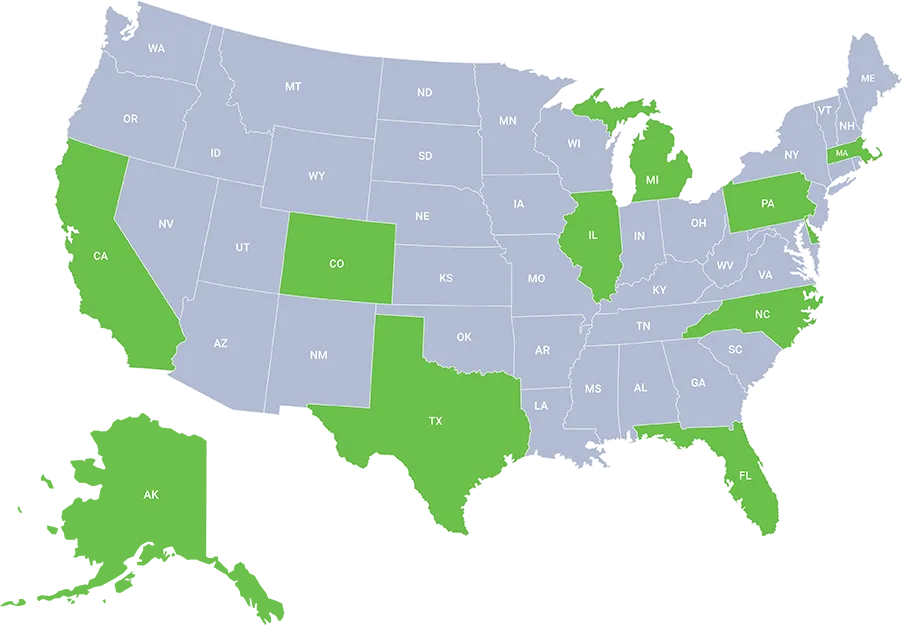
Banyan Treatment Centers Facilities Nearby
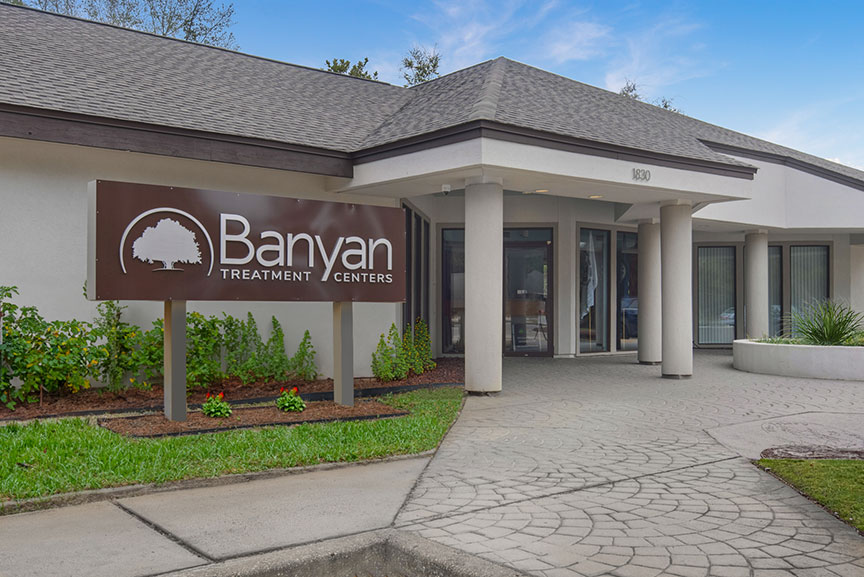
Banyan Gulf Breeze
Located in Gulf Breeze, FL
Substance Use Inpatient
Substance Use Outpatient
Mental Health Outpatient

Banyan Delaware
Located in Milford, DE
Substance Use Inpatient
Substance Use Outpatient

Clearbrook Pennsylvania
Located in Laurel Run, PA
Substance Use Inpatient Program
Substance Use Outpatient Program