
Addiction and Mental Health Therapies
We understand recovery, we can help.
- Evidence-Based & Holistic Therapies That Heal the Whole Person
- Masters-level addiction and mental health therapists
- Personalized, Individualized Treatment Plans
Written by: Banyan Editorial Staff | Medically reviewed by: Chief Medical Officer - Dr. Darrin Mangiacarne
Recovery is not a one-size-fits-all journey. Each person who comes to treatment brings unique challenges, experiences, and goals. That’s why therapy is such a vital part of substance abuse disorder treatment. At Banyan Treatment Centers, we offer a comprehensive range of treatments for addiction and mental health, integrating evidence-based approaches with compassionate care.
Our approach goes beyond detox or medication. While those services stabilize the body, therapy works to stabilize the mind and spirit. Through individual counseling, group sessions, trauma-informed care, and holistic therapies, clients uncover the root causes of substance use, address co-occurring mental health challenges, and develop coping skills that support lifelong recovery. Therapy is the foundation of healing at Banyan.
What Are Addiction and Mental Health Therapies?
Therapy for addiction recovery is a structured process that helps clients break free from destructive patterns, rebuild self-worth, and regain control of their lives. At Banyan, therapy is always customized to each client’s needs, with options ranging from highly structured, solution-based methods, such as cognitive behavioral therapy (CBT), to more creative approaches, including art and music therapy. During assessment, professionals collaborate with the client to determine which therapies will be most effective for their individual circumstances, goals, and challenges.
Each therapy at Banyan is designed to address both addiction and mental health. We combine treatments for substance use and co-occurring disorders into an integrated, comprehensive plan for every client.
How Therapy Supports Recovery
Therapy is one of the most powerful tools in recovery because it addresses more than just cravings or withdrawal. It helps clients change the way they think, feel, and respond to life’s challenges by targeting the underlying issues that often drive substance use. Many people turn to drugs or alcohol to cope with unresolved trauma, untreated mental health conditions, or negative thought patterns.[1] Therapy provides a structured way to confront these issues, offering strategies that make sobriety sustainable rather than temporary.
Therapy teaches coping skills for addiction, builds relapse-prevention strategies, and helps clients identify triggers. For mental health, it eases symptoms of depression, anxiety, or PTSD, and improves emotional regulation.[2] Therapy also rebuilds confidence, repairs relationships, and fosters renewed purpose, serving as the roadmap for lasting change, rooted in evidence-based and compassionate support.
The overall goal of any addiction therapy program is to help people understand their struggles, whether those involve mental illness, addiction, or both.
Drug and Alcohol Addiction Treatment offered at Banyan:
- Alcohol
- Benzo
- Cocaine
- Heroin
- Opiate
- Methadone
- Methamphetamine
- Prescription Drugs
- Co-Occurring Disorders
Mental Health Treatment offered at Banyan:
- Dual Diagnosis
- Bipolar Disorder
- Depression
- Mood and Anxiety
- OCD Treatment
- PTSD Treatment
- Schizophrenia
The Crucial Role of Therapy for Sobriety
While detoxification addresses the physical cravings of addiction and alcoholism, the underlying behavioral and mental components of addiction are still present following detox.[3]
Therapy is crucial in helping patients address their underlying causes of addiction while building healthy habits for long-lasting sobriety. Therapy can help patients unpack past challenges, overcome the shackles of trauma, and refocus their perspective to one that supports sobriety. The goal is to help patients unlearn patterns and processes of addiction while building the foundation of thought patterns and approaches that allow patients to stay on track in recovery. Without effective therapy for addiction treatment, lasting sobriety is difficult and even impossible to achieve.[4]
Therapy Details
Group Therapy
Individual Therapy
Evidence-Based Therapy
Understanding Our Evidence-Based Therapies at Banyan Treatment Center
At Banyan Treatment Centers, our evidence-based therapies play a vital role in the addiction and mental health treatment process, offering clients the tools they need for lasting recovery. These scientifically backed approaches, such as Cognitive Behavioral Therapy (CBT), Dialectical Behavior Therapy (DBT), Motivational Interviewing (MI), and trauma-informed care, are proven to help individuals identify negative thought patterns, manage emotional triggers, and develop healthier coping strategies. Whether addressing substance use disorders or co-occurring mental health conditions, these therapies are customized to meet each client’s unique needs and goals. By focusing on both the psychological and behavioral aspects of recovery, our evidence-based therapies empower clients to build resilience, prevent relapse, and create a solid foundation for a healthier, more fulfilling life. Not all programs are available at all locations. Please contact the location for availability
Questions about our Facilities or Programs?
Our admissions coordinators are available 24/7 to answer any questions you may have as you consider whether treatment at Banyan is right for you or your loved one.
Therapy Types of Addiction and Mental Health Treatment
Group Therapy
Addiction group therapy involves multiple individuals, often strangers initially, who share similar substance use disorders. It provides a safe, non-judgmental environment for open communication among peers facing similar challenges. Furthermore, techniques learned in group therapy can be applied in social settings.
Group therapy for addiction:
- Helps people with substance use disorders process their thoughts, feelings, and actions
- Allows people in the recovery community to learn from and support each other
- Helps detect when situations may predispose an individual to relapse or use substances[16]
- Facilitates an environment of support and acceptance among people in similar situations
- Structure and routine: Group therapy provides structure and routine, which can be especially beneficial for veterans accustomed to the discipline of military life. This structure offers a sense of purpose and stability in the recovery journey.
Individual Therapy
Individual therapy for addiction is conducted in a private setting, during which patients discuss their struggles and what they’d like to accomplish in treatment with one of our licensed therapists. Therapists may use different therapy techniques to help patients work through their problems and develop strong skills for life after rehab.
Individual addiction therapy also addresses:
- Stress management skills
- Understanding why certain behaviors and thoughts may contribute to their substance use
- Emotional support during difficult times
Family Therapy
Unlike individual and group therapy, family therapy for addiction includes a person and their family members, guardians, or close friends along with a licensed therapist. The goal of family therapy in addiction treatment is to treat the family as a whole, educating everyone on the struggles of addiction recovery and encouraging each person to contribute to clients’ recovery.
Family therapy helps families of addicts:
- Help loved ones who struggle with drug and alcohol abuse realize that their behaviors have an impact on their loved ones
- Educates the addict’s family on substance abuse so the latter may better understand why recovery can be difficult
- Improve strained relationships and the general family dynamic[19]
- Offer proper support to the family member who struggles with addiction
Not all programs are available at all locations. Please contact the location for availability
Addiction and Mental Health Therapy FAQs
Benefits of Therapy in Recovery
Therapy at Banyan offers meaningful, lasting benefits that extend well beyond the treatment setting. Clients often report:
- Reduced cravings and relapse risk, thanks to stronger coping strategies.
- Improved emotional regulation, helping manage stress without substances.
- Relief from trauma and mental health symptoms like flashbacks, anxiety, or hopelessness.
- Healthier relationships, with better communication and trust.
- Renewed self-worth and purpose, creating motivation for lasting recovery.
These outcomes show that therapy is not just about managing addiction; it is about rebuilding a life that feels stable, fulfilling, and sustainable.
Take the First Step Toward Healing
Therapy is the foundation of recovery. At Banyan Treatment Centers, we offer evidence-based, solution-focused treatment programs that address both substance use and mental health, helping clients heal on multiple levels.
If you or someone you love is ready for real change, reach out to Banyan today. Contact us now or fill out our contact form to verify your insurance and begin your journey to lasting recovery. Take the first step; our supportive team is here and ready to help.
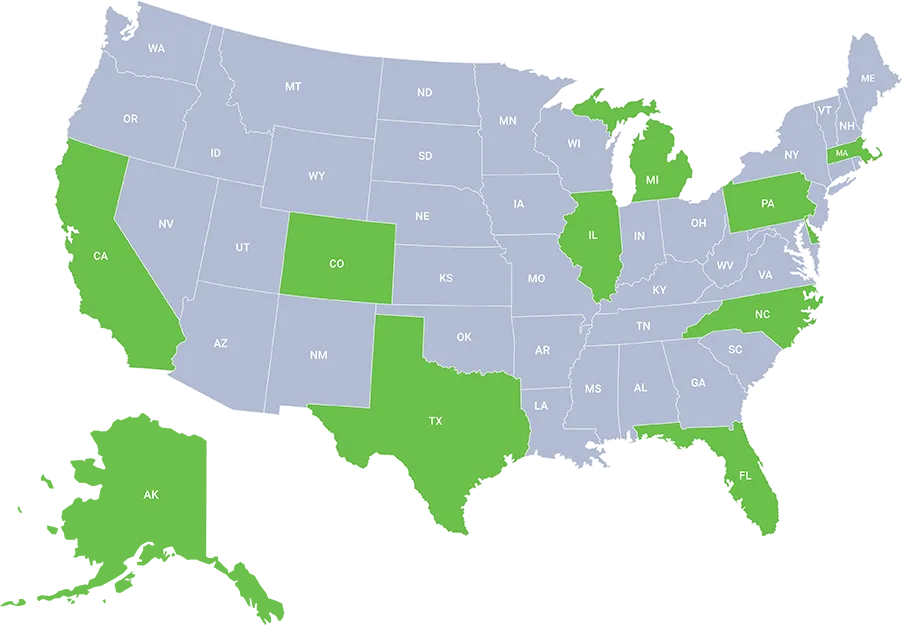
Banyan Facilities for Drug, Alcohol, & Mental Health Treatment

Banyan Heartland
Located in Gilman, IL
Substance Use Inpatient
Mental Health Inpatient
Substance Use Outpatient
Telehealth Virtual IOP

Banyan Palm Springs
Located in Cathedral City, CA
Substance Use Inpatient
Telehealth Virtual IOP

Banyan Castle Rock
Located in Castle Rock, CO
Substance Use Inpatient
Mental Health Inpatient
Telehealth Virtual IOP
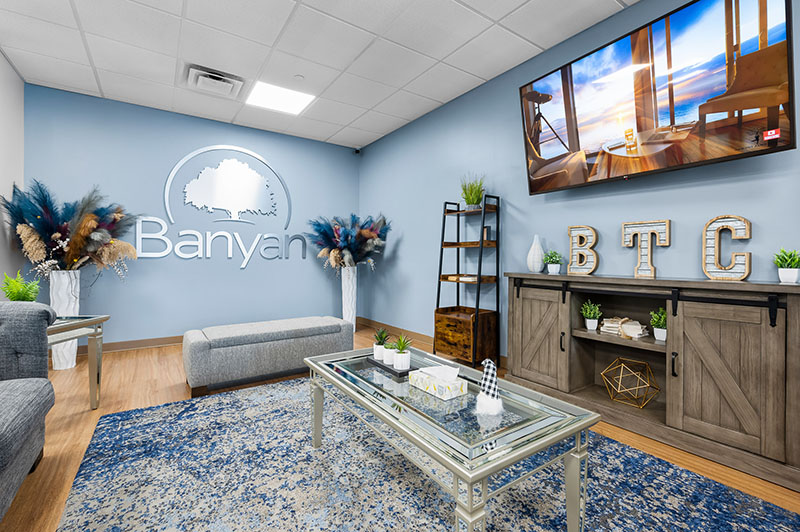
Banyan Delaware
Located in Milford, DE
Substance Use Inpatient
Substance Use Outpatient
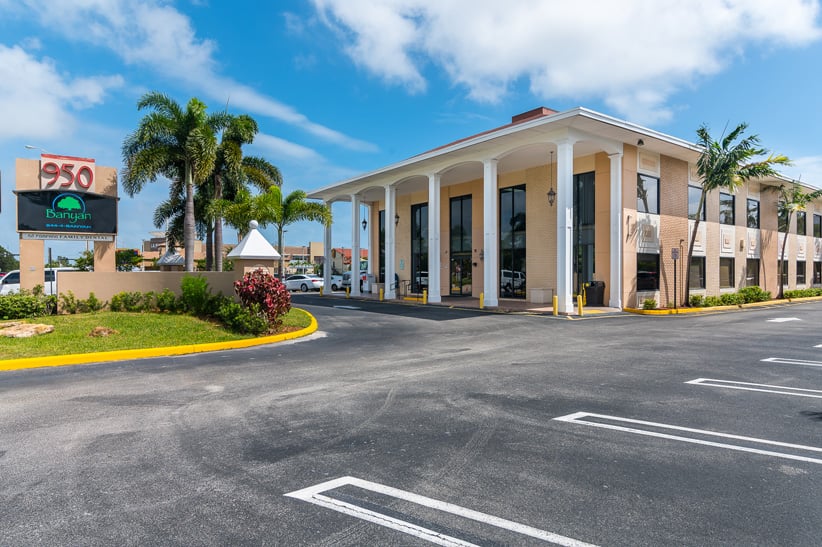
Banyan Pompano
Located in Pompano Beach, FL
Substance Use Outpatient
Mental Health Outpatient
Telehealth Virtual IOP

Banyan Texas
Located in Waelder, TX
Substance Use Inpatient
Telehealth Virtual IOP

Banyan Stuart
Located in Stuart, FL
Substance Use Inpatient
Telehealth Virtual IOP
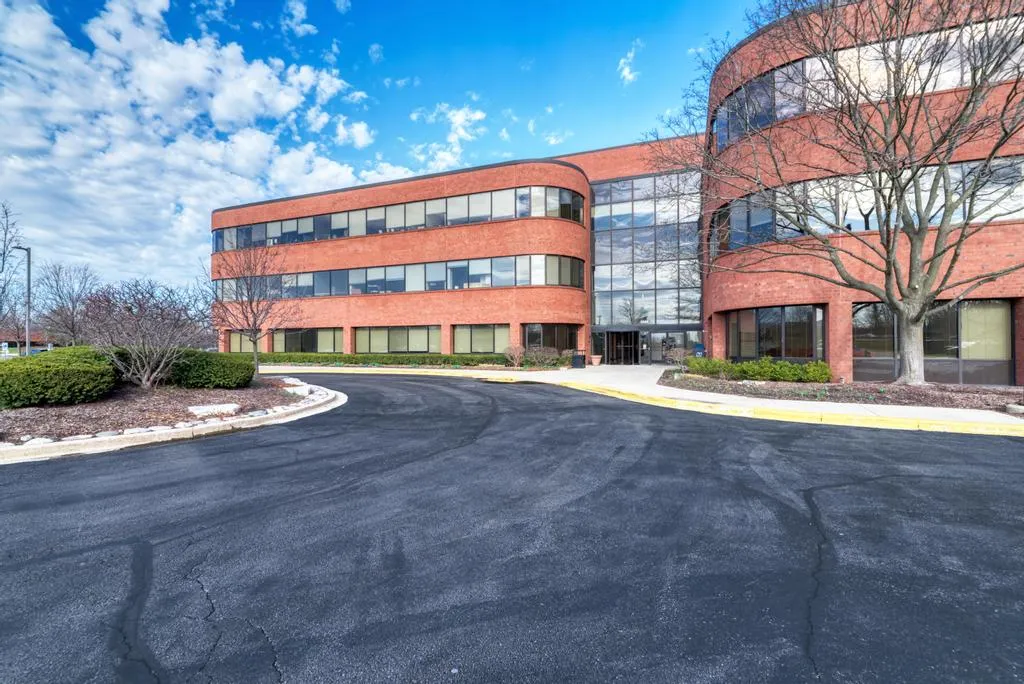
Banyan Chicago
Located in Lisle, IL
Substance Use Outpatient
Mental Health Outpatient
Telehealth Virtual IOP

Banyan Alaska
Located in Wasilla, AK
Substance Use Outpatient
Mental Health Outpatient
Telehealth Virtual IOP
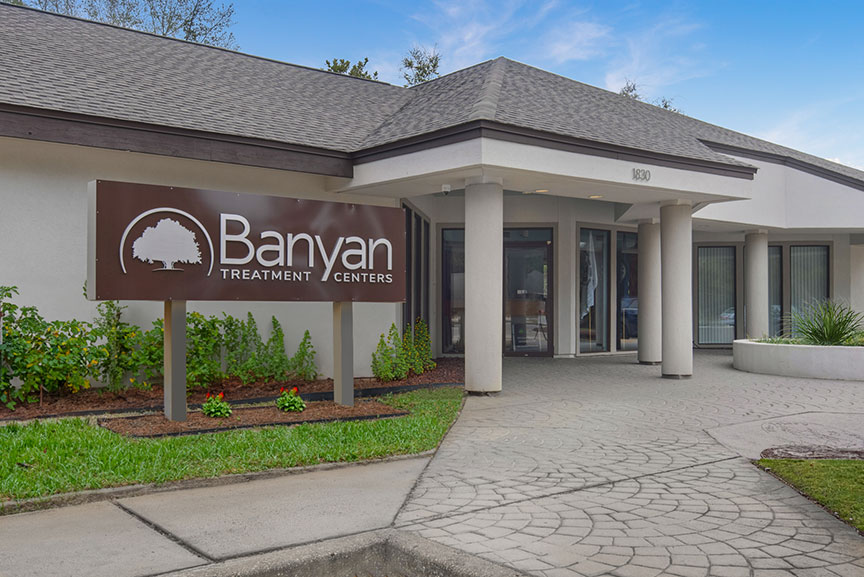
Banyan Gulf Breeze
Located in Gulf Breeze, FL
Substance Use Inpatient
Substance Use Outpatient
Mental Health Outpatient
Telehealth Virtual IOP
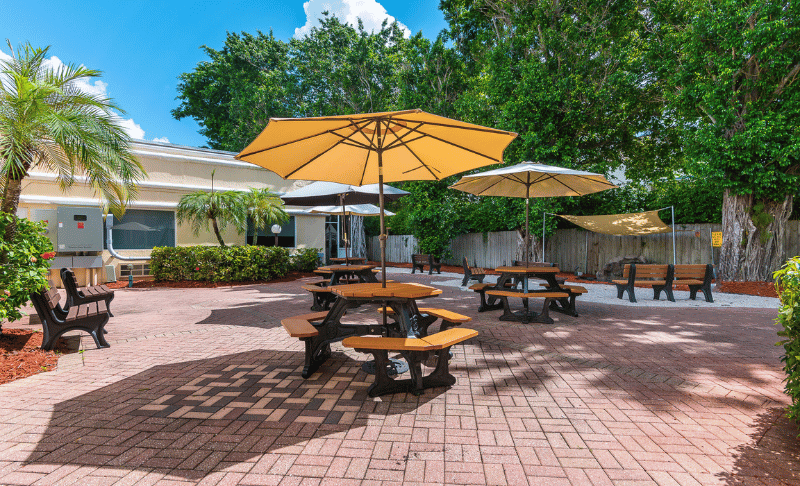
Banyan Boca
Located in Boca Raton, FL
Mental Health Inpatient
Telehealth Virtual IOP
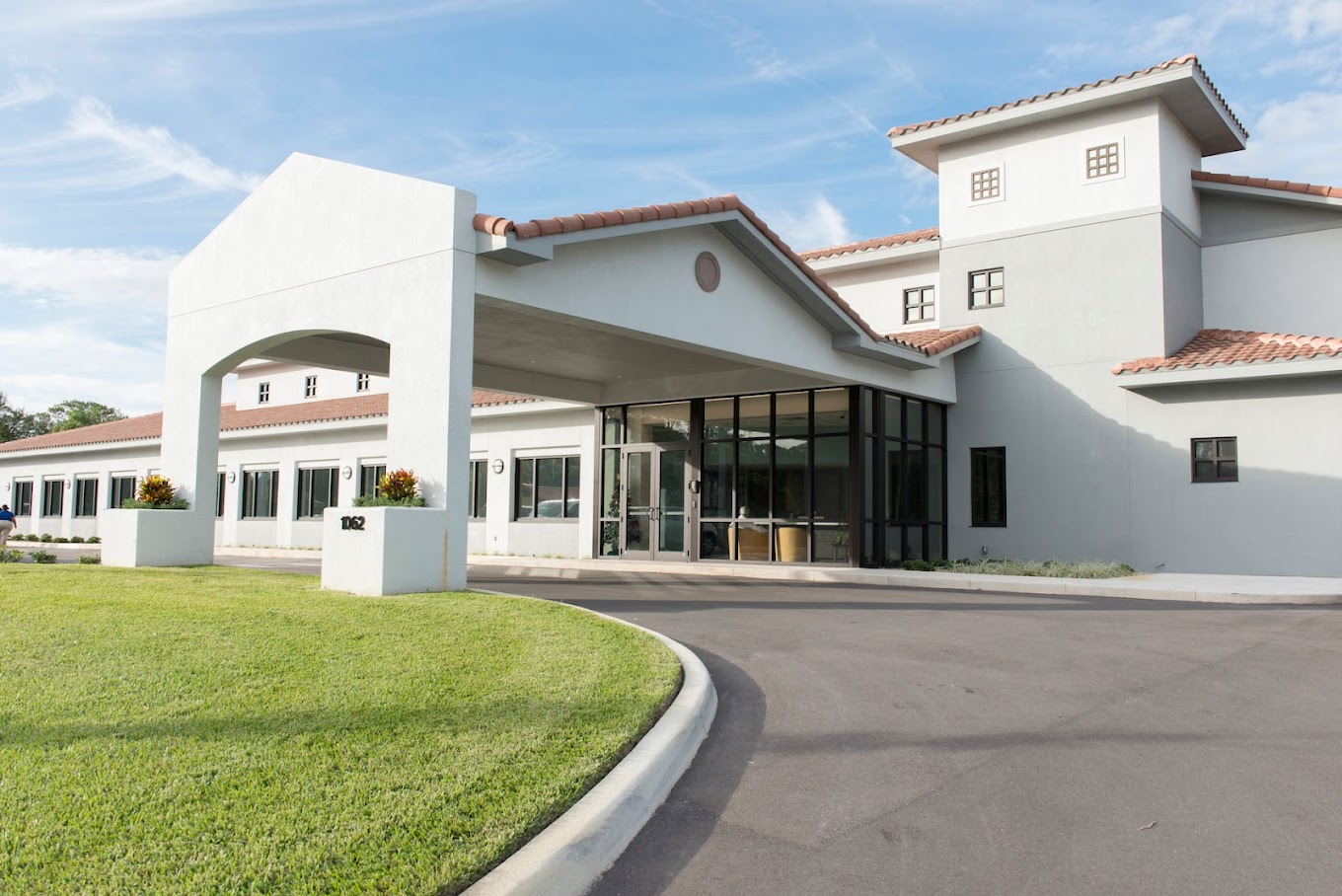
Banyan Sebring
Located in Sebring, FL
Substance Use Inpatient
Mental Health Inpatient
Telehealth Virtual IOP
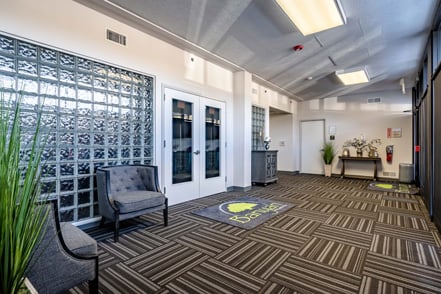
Banyan Philadelphia
Located in Langhorne, PA
Substance Use Outpatient
Mental Health Outpatient
Telehealth Virtual IOP
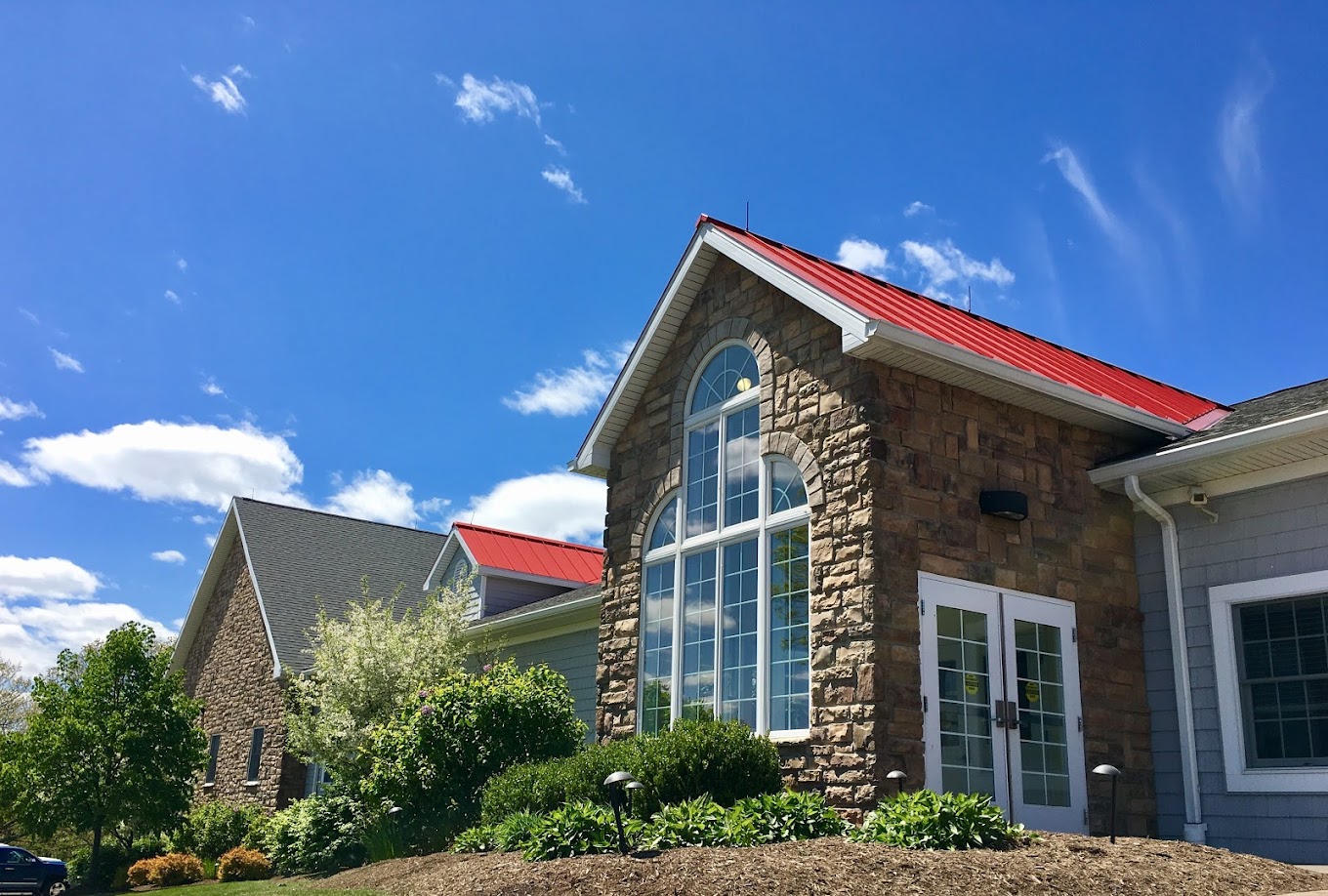
Clearbrook Pennsylvania
Located in Laurel Run, PA
Substance Use Inpatient
Substance Use Outpatient
Mental Health Inpatient
Telehealth Virtual IOP
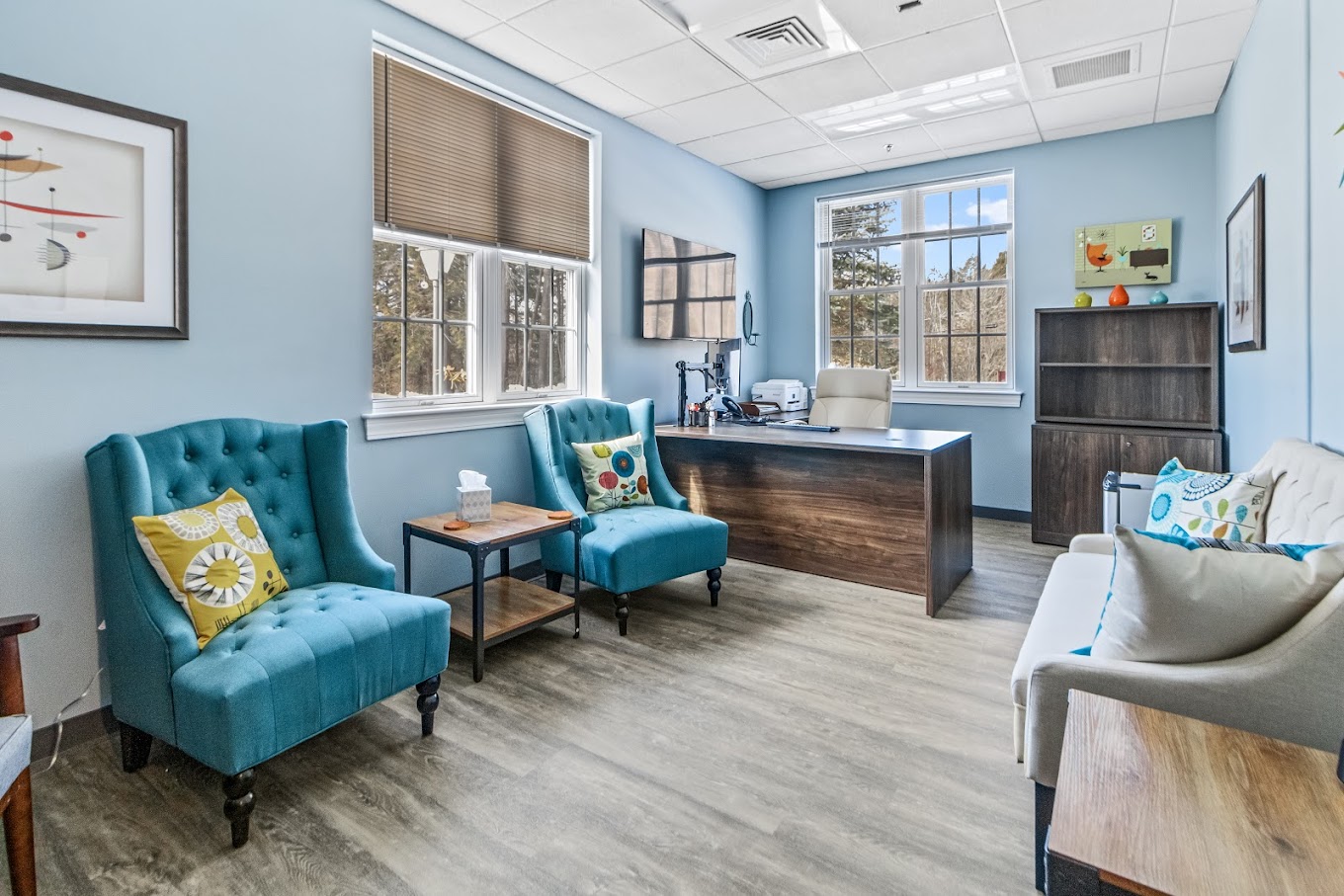
Clearbrook Massachusetts
Located in Baldwinville, MA
Substance Use Inpatient
Mental Health Inpatient

Behavioral Health
of the Palm Beaches
Located in Lake Worth, FL
Substance Use Inpatient
Substance Use Outpatient
Mental Health Inpatient
Telehealth Virtual IOP