



Medically Reviewed by:

Dr. Darrin Mangiacarne
Chief Medical Officer
At Banyan Treatment Centers, Chief Medical Officer Dr. Darrin Mangiacarne leads our nationwide clinical team with over a decade of addiction medicine experience, helping ensure evidence-based, compassionate care across every level of treatment.
Author / Written by: Banyan Editorial Staff
Medically reviewed by: Dr. Darrin Mangiacarne, CMO
Updated on: April 2026
Mental health partial hospitalization program (PHP) provides intensive treatment on a daily basis but allows clients to return to their homes in the evening hours. PHP at Banyan Treatment Centers serves individuals who need more attention than one visit per week but less intensive monitoring than residential treatment.
Mental health PHP can prove beneficial for clients diagnosed with conditions like depression, anxiety disorders, bipolar disorder, post-traumatic stress disorder, and other psychological illnesses.
Mental Health Partial Hospitalization at Banyan
Structured Mental Health Treatment Without Overnight Care
Partial hospitalization for mental well-being stands between inpatient treatment and outpatient therapy. People go for treatment for several hours per day on several days per week while residing in their own homes or elsewhere.
Sometimes, patients experience a level of disruption in their normal functioning that requires more intense treatment than outpatient therapy but does not necessitate round-the-clock observation and supervision.
Who Is a Good Fit for a Mental Health PHP?
Signs Someone May Need More Than Weekly Therapy
Weekly therapy can be effective, but it may not be enough when symptoms become more disruptive. When mental health challenges begin to affect daily functioning, a higher level of care may be necessary.
Someone may benefit from mental health PHP if they are experiencing:
- Depression that makes it hard to complete daily tasks
- Anxiety that affects sleep, work, or relationships
- Mood instability that disrupts routines
- Trauma symptoms that are becoming harder to manage
- Repeated emotional crises or setbacks
In these cases, PHP treatment offers more structure and consistent clinical support.
When PHP Makes Sense After a Higher Level of Care
The PHP treatment of a patient regarding his mental well-being can be seen as an intermediate step after either inpatient or residential treatment. It is clear that this person does not need twenty-four-hour observation anymore; however, they still need daily therapy and mental health help.
It will allow them to continue the progress made and become prepared for the return to regular life. This treatment will teach him to deal with all of the problems in real life without leaving treatment.
Who May Need a Different Level of Care
Not everybody is suitable for the PHP treatment. For instance, some people may require inpatient or residential services if they find themselves in a crisis or need constant surveillance.
On the other hand, somebody may already be able to join IOP treatment if they find themselves more stable in terms of their symptoms.
At Banyan, the approach is highly personalized based on symptoms, medical history, and personal objectives.
Questions about our Facilities or Programs?
Our admissions coordinators are available 24/7 to answer any questions you may have as you consider whether treatment at Banyan is right for you or your loved one.
What to Expect in Banyan’s Mental Health PHP
A Typical Day in Mental Health PHP
In mental health PHP, a typical day involves numerous hours of programmed activities, usually conducted over multiple days within a week. In addition to offering consistent treatment for people, this type of program allows individuals to return home after completing the day's activities.
Through such an arrangement, patients are able to face difficulties in treatment processes and apply newly gained skills in their day-to-day activities.
Mental Health Support and Medication Management
As a critical aspect of mental health, PHP, mental health help, is normally offered to patients. These patients are required to see a provider who monitors their symptoms, prescribes medications, and assesses their progress.
Using medications to manage symptoms, along with therapy, helps achieve stability.
Individual, Group, and Family Therapy
Mental health PHP includes multiple therapy formats to address different needs. Individual therapy provides personalized support, while group therapy encourages connection and shared learning.
Family therapy may also be included when appropriate. Strengthening communication and support systems can play an important role in long-term progress.
Skill Building for Daily Functioning
PHP focuses on building practical skills that can be used outside of treatment. Patients learn strategies for emotional regulation, stress management, communication, and routine-building.
These skills are practiced both during sessions and at home. This helps individuals feel more confident managing daily challenges over time.
Mental Health Conditions Commonly Treated in PHP
Partial hospitalization for mental health conditions can be suitable for a variety of psychiatric disorders. Choosing appropriate levels of care is dependent on symptom severity, the patient's safety and functioning, rather than solely on their diagnoses.
Depression
Mental health PHP allows for assistance in helping individuals with severe depressive episodes that make them struggle with their motivation, fatigue, and performing daily activities. Consistent support would allow building a routine and stabilizing mood.
Anxiety and Mood Disorders
Patients experiencing significant problems with anxiety and mood can face difficulties in their sleeping, concentrating, and interpersonal interactions. Treatment at PHP provides a structured environment in which patients can manage their distress.
Bipolar Disorder
Living with bipolar disorder can be challenging due to symptoms related to instability in patients' moods. A partial hospitalization program is a helpful solution to build up routines between periods of increased difficulties.
PTSD and Trauma-Related Symptoms
People affected by trauma might experience issues with their emotional regulation, difficulties trusting other people, and general functioning. Mental health PHP will be the optimal choice in dealing with those problems.
Co-Occurring Mental Health and Substance Use Concerns
In some instances, mental health and substance abuse conditions occur simultaneously. Coordinating treatments is still possible when focusing on patients' mental stability and improvement in functioning.
Therapies Used in a Partial Hospitalization Program for Mental Health
Cognitive Behavioral Therapy (CBT)
This type of treatment aids in identifying negative thoughts that cause distress. CBT allows one to learn to think and react in a healthier manner.
Dialectical Behavior Therapy (DBT)
It includes distress tolerance and emotion management. It might be particularly beneficial for individuals dealing with difficult emotions.
Trauma-Focused and EMDR Techniques
The trauma-focused approach ensures that the therapy takes place in a safe and comfortable environment. In some instances, EMDR techniques can be employed to overcome trauma.
Therapy in Groups and Among the Family
It allows one to establish connections and develop communication skills. Such a treatment allows individuals to develop social skills even after the therapy ends.
Getting into treatment is easy with our free insurance verification
"*" indicates required fields
Benefits of a Mental Health Partial Hospitalization Program
Intensive Support Without 24/7 Hospitalization
PHP provides high-level care without requiring an overnight stay. This allows individuals to receive structured support while maintaining some independence.
More Structure Than Traditional Outpatient Care
Compared to weekly therapy, PHP offers more frequent contact with clinicians and a consistent routine. This added structure can support stability during more challenging periods.
A Smoother Transition Between Levels of Care
PHP can bridge the gap between inpatient treatment and outpatient care. It helps individuals maintain their progress while gradually adjusting to less-intensive support.
Mental Health PHP vs. Residential Treatment, IOP, and Outpatient Therapy
PHP vs. Residential Mental Health Treatment
Residential treatment includes 24/7 care in a live-in setting. PHP allows individuals to return home at night, making it less restrictive when constant supervision is no longer required.
PHP vs. Intensive Outpatient Program (IOP)
Both are outpatient options, but PHP involves more treatment hours and greater clinical support. It is often recommended when symptoms require closer monitoring.
PHP vs. Weekly Outpatient Therapy
Weekly therapy typically involves one or two sessions per week. PHP provides higher-level care for individuals who need more consistent support and structure.
How Long Does Mental Health PHP Last?
Why Length of Stay Varies
There is no fixed timeline for mental health PHP. Length of stay depends on symptoms, diagnosis, safety needs, and individual progress.
How Progress Is Evaluated During PHP
Progress is reviewed regularly throughout treatment. As stability improves, individuals may transition to IOP or outpatient care when appropriate.
Starting Mental Health PHP at Banyan
Clinical Assessment and Level-of-Care Placement
Getting started begins with a confidential assessment. This helps determine whether PHP is the right fit or if another level of care is more appropriate.
Insurance Verification and Admissions Support
The admissions team can assist with insurance verification and explain available options. This process helps reduce uncertainty and makes it easier to begin treatment.
Finding the Right Banyan Location
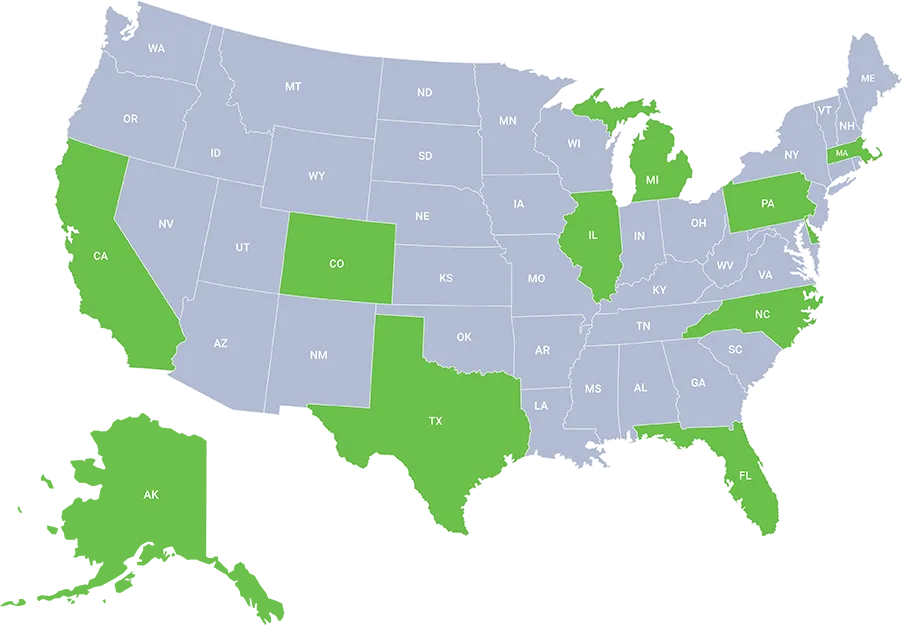
Banyan offers treatment at multiple locations. The team can help individuals find a program that fits their needs, preferences, and circumstances.
Frequently Asked Questions about Partial Hospitalization Programming
What Our Patients Are Saying


Getting Into Treatment Is Easy. Here's How to Get Started!

Call Us Anytime
Speak with our compassionate admissions specialists to discuss your situation and explore treatment options.

Initial Assessment
We conduct a thorough evaluation to determine the best level of care tailored to your needs.

Financial Guidance
Our team will verify your insurance coverage and provide transparent cost information.

Begin Your Recovery
Once everything is set, you’ll be welcomed into our program and start your journey toward healing.