
Written by: Banyan Editorial Staff | Medically reviewed by: Dr. Darrin Mangiacarne - Chief Medical Officer | Edited: February 2026
When opioid or alcohol addiction takes hold, it can upend family routines, jobs, and daily life. Many people have tried detox or abstinence-only programs multiple times, only to relapse and grow fearful of withdrawal or overdose. Co-occurring mental health conditions can add another layer of difficulty.
Medication-assisted treatment (MAT) provides a safer, proven way to move forward. It uses FDA-approved medications along with counseling and therapy to make withdrawal easier, lower cravings, and help clients focus on healing from addiction and mental health issues. At Banyan Treatment Centers, our MAT program is caring, medically supervised, and personalized for each person.
What is Medication-Assisted Treatment?
MAT is an all-around approach that combines medications, behavioral therapies, and counseling to treat substance use disorders. This method is widely used in opioid treatment programs but can also support individuals recovering from alcohol use disorder where cravings and withdrawal symptoms often create barriers to long-term recovery.
Medications used in MAT are FDA-approved and carefully prescribed by medical professionals, which are:
- Suboxone (buprenorphine/naloxone): Commonly used to treat opioid use disorder, Suboxone helps reduce cravings and withdrawal symptoms without producing a strong high.
- A combination of buprenorphine and methadone to reduce opioid cravings and treat opioid withdrawal symptoms.
- Vivitrol: A monthly injectable medication that blocks the effects of opioids and reduces cravings. It’s often used after detox as part of an extended recovery plan. Vivitrol is also approved for alcohol use disorder.
- Naltrexone, which blocks the effects of opioids and alcohol.
- Acamprosate, which helps normalize brain chemistry disrupted by alcohol dependence.
MAT helps balance brain chemistry and reduce cravings, making it easier for clients to take part in therapy. This support allows people to focus on counseling for addiction and mental health issues like anxiety, trauma, or depression, without being held back by withdrawal or fear of relapse.
Whether someone is transitioning out of inpatient detox or entering treatment for the first time, MAT treatment can provide the support needed to move forward.
The availability of these medications varies by facility, and each MAT therapy plan is guided by medical and psychiatric providers to ensure safe, appropriate care.
How Does MAT Work?
How medication-assisted treatment works is by combining the use of carefully monitored medications with behavioral therapies and counseling. This approach helps reduce withdrawal symptoms, curb cravings, and improve a patient’s ability to stay engaged in a treatment program, especially during the early and often most difficult stages of recovery.
After detox, MAT may be introduced on a case-by-case basis, depending on the individual’s needs and clinical history. At Banyan, we assess each patient thoroughly before recommending MAT, always ensuring it aligns with long-term goals and medical safety. Once enrolled, patients receive ongoing support, including access to therapy and counseling services provided at our facilities.
Many patients benefit from this structured combination of care. It not only reduces the risk of relapse by easing opioid withdrawal but also provides a stable foundation for emotional and psychological healing. MAT may be especially helpful for individuals with a history of relapse, those transitioning out of detox or inpatient care, and patients struggling with intense cravings or prolonged opioid use.
We continue to support recovery through our wide range of behavioral therapies, including individual counseling, group support, and relapse prevention strategies. Every aspect of care is designed to help people gain clarity, build resilience, and reconnect with their lives beyond addiction.
Questions about our Facilities or Programs?
Our admissions coordinators are available 24/7 to answer any questions you may have as you consider whether treatment at Banyan is right for you or your loved one.
Types of Disorders Treated with MAT Therapy
MAT therapy is most commonly used to support recovery from substance use disorders, but it may also be part of a larger care plan for individuals with co-occurring disorders or long-term mental health conditions. This treatment method allows for better treatment access and stability, especially for those navigating both physical dependence and emotional or psychiatric struggles.
Substance Abuse Disorders
Medication-assisted treatment has shown strong outcomes in helping individuals overcome a wide range of substance use disorders. It is particularly effective for treating:
- Opioid use disorder (OUD)
- Opioid misuse, including heroin and prescription painkillers
- Other forms of drug addiction where cravings and relapse risks are high
- AUD, or alcohol use disorders
Co-Occurring Disorders
For individuals with co-occurring disorders, such as mental illness combined with substance use, MAT can be an important stabilizing force. When used alongside therapy and psychiatric support, it helps create a foundation for balanced care.
Some common mental health conditions treated in tandem with MAT include:
- Anxiety disorder
- Mood disorders such as depression or bipolar disorder
- Other psychiatric disorders that may interfere with recovery
Getting into treatment is easy with our free insurance verification
"*" indicates required fields
Find Our Medication-Assisted Treatment Centers Near You
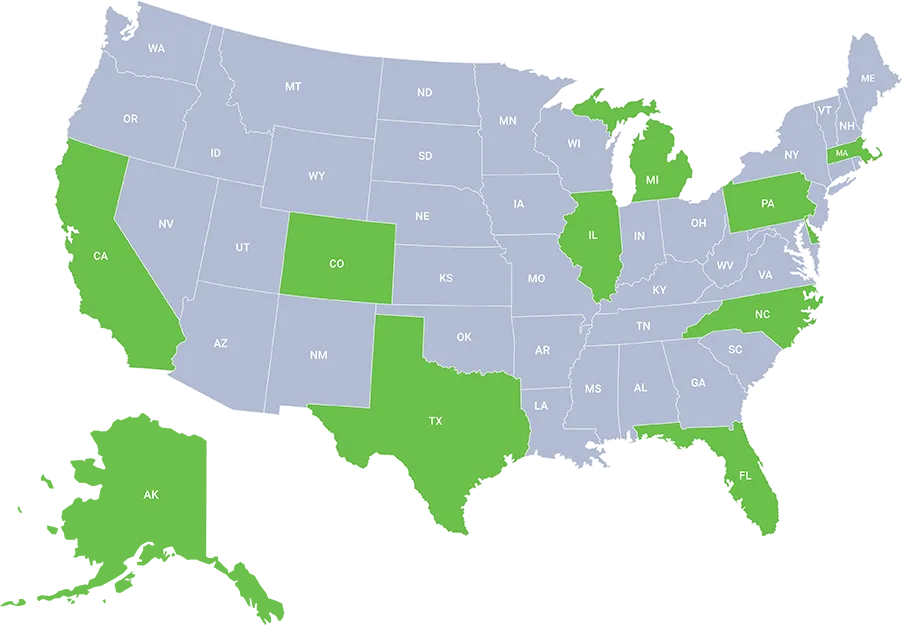
At Banyan Treatment Center, we believe in meeting people where they are, and that includes offering medication-assisted treatment in multiple locations nationwide. Our licensed professionals provide compassionate, evidence-based care to help patients regain control and move toward lasting recovery.
We currently offer MAT programs at select Banyan facilities. Please reach out to us to see if the facility you are interested in provides MAT Treatment.
If you or someone you love is ready to take that first step, we’re here to help. Our admissions counselors are available 24/7 to answer questions and walk you through the next steps.
Contact us today to learn more about how MAT can support your recovery, or verify your insurance here to get started. You don’t have to do this alone. A better future starts with the right support.
Frequently Asked Questions
- One-Size-Fits-All Approach: The program follows a structured framework that may not align with everyone’s recovery needs or personal beliefs.
- Spiritual Component: While not strictly religious, the program emphasizes surrendering to a higher power, which may not resonate with those seeking a more secular approach.
- Group-Based Support: Some individuals prefer private counseling or alternative treatment options rather than group participation.
- Not a Medical Treatment: The 12-step program is a support system rather than a medical or therapeutic intervention. Many people find that combining it with professional treatment, such as the programs at Banyan Treatment Center, improves their recovery success.
At Banyan Treatment Center, we recognize that recovery is not one-size-fits-all. That’s why we offer a variety of evidence-based treatments, including 12-step integration, holistic therapies, and individualized treatment plans to best support each person’s unique journey.
At Banyan Treatment Center, we emphasize the importance of connection and professional guidance in the recovery process. If you’re looking for additional support, we offer one-on-one counseling, group therapy, and customized treatment plans that complement the 12-step framework while addressing personal recovery goals.
At Banyan Treatment Center, we offer both faith-based and secular treatment options. Our compassionate team helps individuals integrate recovery into their personal belief systems, whether through spiritual counseling, holistic healing, or evidence-based therapy. We believe that every person’s path to healing is unique, and we are here to support them every step of the way.
At Banyan Treatment Center, we offer 12-step integration into our treatment programs to help individuals incorporate these principles while also receiving medical and therapeutic support.
For those looking for additional structured support, Banyan Treatment Center offers comprehensive treatment programs that complement AA participation.

Find MAT Treatment Near You
Medication-assisted treatment can be the difference between repeated relapse and long-term recovery. At Banyan Treatment Centers, our MAT program combines FDA-approved medications with compassionate counseling and integrated mental health care, creating a path that is safe, structured, and effective.
If you or someone you love is struggling with opioid or alcohol addiction and the mental health challenges that often accompany it, now is the time to take action. MAT is not a crutch; it’s a proven, life-saving treatment that restores stability and hope.
Take the first step today. Verify your insurance or complete our contact form to learn more about starting a medication-assisted treatment program at Banyan.
Inpatient MAT Therapy Options
For those requiring a more residential approach to recovery, our centers offer MAT in a structured and immersive environment, allowing clients to focus fully on their recovery. Find out which of our treatment centers offering MAT are closest to you: