
Written by: Banyan Editorial Staff | Medically reviewed by: Dr. Darrin Mangiacarne - Chief Medical Officer | Edited: February 2026
Being addicted often means finding yourself caught in cycles of negative thoughts, painful emotions, and harmful behaviors. For many, these patterns are reinforced by underlying mental health challenges such as depression, anxiety, or ADHD. Breaking free requires more than willpower; it requires a new way of thinking. Cognitive behavioral therapy (CBT) is one of the most widely researched, evidence-based therapies for both addiction and mental health.[2] At Banyan Treatment Centers, CBT helps clients identify harmful thought patterns, develop healthier coping skills, and create behavioral strategies for preventing relapse and promoting emotional stability.
Understanding Cognitive Behavioral Therapy (CBT)
CBT is a form of talk therapy developed in the 1960s by Dr. Aaron Beck[1]. It is based on the principle that our thoughts, feelings, and behaviors are interconnected, and by changing the way we think, we can change how we feel and act.[8] Over decades of research, CBT has been proven effective in treating both substance use disorders and a wide range of mental health conditions.
Unlike therapies that focus only on the past, CBT is structured, time-limited, and goal-oriented. It teaches clients how to recognize distorted thinking, challenge unhelpful beliefs, and replace negative behaviors with healthier ones.
What to Expect: How Does CBT Work
These sessions at Banyan are collaborative and practical. Cognitive behavioral therapists work with clients not only to address substance use but also to strengthen resilience against mental illnesses that often fuel addiction.
A typical program involves:
- Identifying negative thought patterns such as “I’ll never be able to quit” or “I can’t cope without using.”
- Challenging these beliefs with evidence and reframing them into healthier, more realistic thoughts.
- Develop strategies to handle stress, cravings, or difficult emotions without turning to substances.
- Setting achievable goals that support recovery and mental health progress.
- Practicing new skills through role-play, journaling, or real-world assignments between sessions.
How it Helps: CBT for Addiction Treatment
Addiction recovery is often hindered by automatic, self-defeating thoughts. CBT breaks this cycle by helping clients pause, evaluate, and reframe those thoughts before they lead to a risk of relapse and unhealthy addictive behaviors.
For example:
- A client who feels anxious may learn to challenge the belief, “I need drugs to calm down,” and replace it with relaxation techniques.
- Someone facing depression might replace the thought, “Nothing will ever get better,” with a step toward a manageable, realistic goal.
- A person struggling with cravings can use CBT strategies to identify triggers and respond with healthier coping skills.
Questions about our Facilities or Programs?
Our admissions coordinators are available 24/7 to answer any questions you may have as you consider whether treatment at Banyan is right for you or your loved one.
Benefits of Cognitive Behavioral Therapy
CBT offers a wide range of benefits for individuals with substance use and co-occurring disorders:
- Identifies and changes harmful thought patterns, reducing relapse triggers.
- Improves emotional regulation, making it easier to manage stress and anxiety.
- Develops practical coping skills for cravings, depression, and daily stressors.
- Strengthens problem-solving abilities, providing clients with tools to face challenges without resorting to substances.
- Enhances relapse prevention strategies, empowering clients to create healthier habits.
- Supports mental health stability, especially for conditions like PTSD, ADHD, and bipolar disorder.
- Promotes confidence and self-efficacy, helping clients believe change is possible.
How Cognitive Behavioral Therapy is Used
This therapy is designed to move beyond theory and into daily practice, providing individuals with tools they can apply in real-life situations.
Many clients find that journaling their thoughts helps them uncover patterns and identify triggers that contribute to unhealthy behaviors. Others benefit from relaxation techniques, which provide healthier ways to manage anxiety and stress without turning to substances.
In addition, it encourages people to strengthen their problem-solving skills when facing challenges at work or home, helping them respond more constructively to conflict. It also emphasizes challenging negative self-talk, which often fuels low self-esteem and relapse.
By applying these skills consistently, individuals build a practical framework for resilience, making CBT a powerful tool for long-term recovery and personal growth.
Types of Disorders Treated by CBT
Substance Abuse Disorders
CBT is particularly effective in treating substance abuse disorders because it addresses the connection between thoughts and behaviors. For example, if someone believes they cannot handle stress without alcohol or drugs, CBT helps them challenge that belief and replace it with healthier coping strategies.
At Banyan Treatment Centers, CBT is used to treat a wide range of addictions, including:
- Alcohol addiction
- Opioid and fentanyl addiction
- Prescription medication misuse
- Cocaine, methamphetamine, and other stimulant addictions
- Marijuana or polysubstance abuse
By learning to anticipate triggers and respond differently, individuals can reduce cravings and significantly lower their risk of relapse.
Getting into treatment is easy with our free insurance verification
"*" indicates required fields
Treatment for Mental Health Disorders
While CBT is a leading therapy for addiction recovery, it is equally powerful in treating mental health conditions that often accompany substance use. Many clients at Banyan experience challenges such as depression, anxiety, or trauma, and CBT directly addresses these issues.
CBT is highly effective for:
Depression, by challenging negative thought cycles.
Anxiety disorders can be treated by reducing catastrophic thinking and avoidance behaviors.
Post-traumatic stress disorder (PTSD) can be treated through structured techniques like exposure and cognitive restructuring.
Attention-deficit/hyperactivity disorder (ADHD) can be improved by building organization, planning, and coping skills.[7]
Bipolar disorder can be improved with stability and by helping clients recognize mood-related thought distortions.
Co-Occurring Disorders
Many people who struggle with addiction also live with co-occurring mental health conditions. CBT is one of the most effective treatments for addressing both issues at the same time.
Major depressive disorder and substance use disorders
Generalized anxiety & panic disorders brought on by alcohol withdrawal or abuse
Obsessive-compulsive symptoms caused by stimulant abuse and more
By working on both mental health challenges and substance use simultaneously, CBT therapy provides a more complete foundation for recovery.
Our drug and alcohol rehabs offer various addiction therapy programs, as well as a mental health program, to treat patients with many types of disorders. CBT is only one of several services offered to aid clients in their recovery from addiction and mental illness, as well as their maintenance of long-term sobriety.
For more information about our drug and alcohol treatment, mental health treatment, CBT, or other services, contact Banyan Treatment Centers today. Call us today at (855) 908-0663 to get started.
Frequently Asked Questions
With personalized treatment plans and flexible scheduling, our licensed therapists ensure you receive high-quality care tailored to your needs. Contact Banyan Treatment Centers to learn more about starting online CBT today!
Yes, in most cases, cognitive behavioral therapy (CBT) is covered by health insurance. Under the Affordable Care Act (ACA), mental health care must be covered at the same level as medical or surgical treatments.[4] If your plan covers doctor visits or procedures, it should also cover therapy services like CBT.
- Check your plan: Call the number on your insurance card or log into your member portal to confirm benefits and any limits.
- Verify network status: Some therapists accept insurance directly; others are out-of-network but may provide a superbill for reimbursement.
- Ask about reimbursement: If out-of-network, you may still get partial repayment for sessions paid upfront.
Learn more at HealthCare.gov’s mental health coverage page.
Yes, both Medicare and Medicaid generally cover CBT.[5]
- Medicaid: Typically covers therapy like CBT as part of behavioral health benefits. See Medicaid mental health services.
- Medicare: Under Medicare Part B outpatient mental health, CBT with licensed professionals is often covered.
To find a provider who accepts Medicare or Medicaid, try FindTreatment.gov.

Find Cognitive Behavioral Treatment Near You
Cognitive behavioral therapy offers more than short-term relief; it equips clients with the skills and mindset necessary for lasting change.
At Banyan Treatment Centers, our CBT program helps individuals overcome addiction, manage co-occurring mental health challenges, and build the confidence to thrive in recovery.
Inpatient CBT Therapy Options
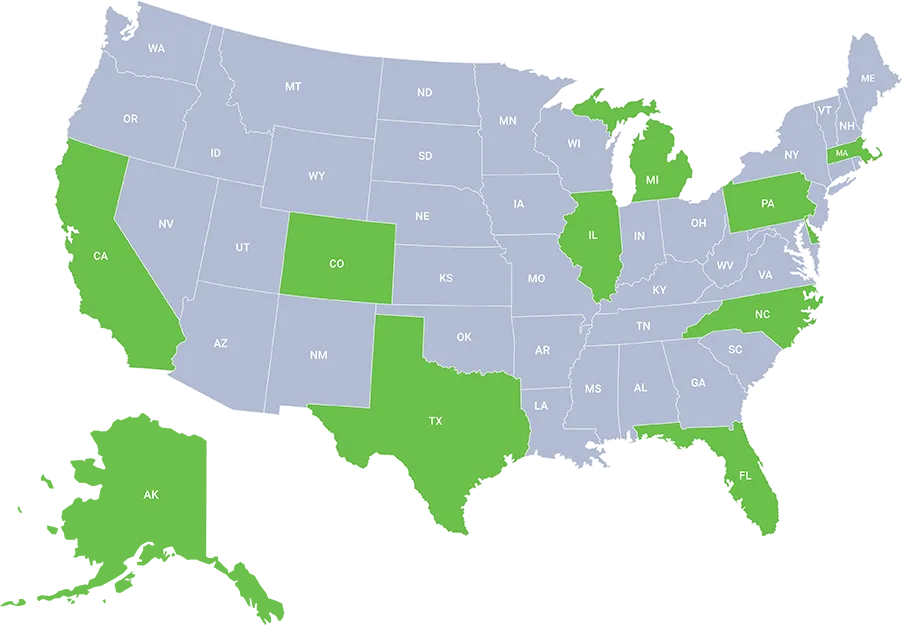
For those requiring a more residential approach to recovery, our centers offer cognitive behavioral therapy in a structured and immersive environment, allowing clients to focus fully on their recovery. Find out which of our treatment centers offering cognitive behavioral therapy are closest to you:



Outpatient Solutions for CBT
Outpatient rehab (either through Telehealth or day programs) offers flexibility for individuals who are ready to continue treatment while balancing work, school, or family responsibilities. Our outpatient program includes cognitive-behavioral treatment (one-on-one or in group therapy) as part of its curriculum.



If you or someone you love is struggling with addiction and harmful thought patterns, CBT may be the key to lasting change. Verify your insurance or complete our contact form today to learn more about cognitive behavioral therapy at Banyan.