


Medically Reviewed by:

Dr. Darrin Mangiacarne
Chief Medical Officer
At Banyan Treatment Centers, Chief Medical Officer Dr. Darrin Mangiacarne leads our nationwide clinical team with over a decade of addiction medicine experience, helping ensure evidence-based, compassionate care across every level of treatment.
Author / Written by: Banyan Editorial Staff
Medically reviewed by: Dr. Darrin Mangiacarne, CMO
Updated on: April 2026
Addiction and bipolar disorder may form a difficult and exhausting feedback loop. Mood states may affect judgment, energy, sleep, and impulse regulation, and substance use may exacerbate symptom severity, interfere with treatment, and impair efforts to remain in recovery. In some cases, substance use may begin as a form of self-medication against depression, irritability, or racing thoughts. In others, substance use may contribute to the frequency or severity of mood episodes. When both conditions are present, treatment should target both. At Banyan Treatment Centers, integrated dual diagnosis treatment can help patients stabilize symptoms, learn how substance use affects their moods, and start down the path of recovery.
What Is Bipolar Disorder and Addiction?
Bipolar disorder and addiction are co-occurring conditions in which an individual is diagnosed with both bipolar disorder and a substance use disorder. Bipolar disorder is a mood disorder that involves periods of depression and mania or hypomania. Symptoms may vary according to the type of bipolar disorder, but may include elevated or expansive mood, hyperactivity, impulsivity, racing thoughts, low mood or hopelessness, and major changes in sleep or energy levels.
When addiction occurs alongside bipolar disorder, each may influence the other in detrimental ways. Substance use may occur during a depressive phase in an effort to mask feelings of sadness and emotional pain. Substance use may occur during manic or hypomanic phases, in which impulsivity and diminished ability to exercise good judgment may make problematic alcohol and drug use more likely. It is more than a temporary emotional reaction or use and misuse of alcohol and/or drugs, which are normal experiences.
Common Symptoms of Bipolar Disorder and Addiction
The symptoms of bipolar disorder and addiction may change based on mood state, patterns of substance use, and the presence of intoxication, withdrawal, and active episodes. At times, symptoms may be more easily overlooked, especially when a substance use disorder masks or hides signs of mood changes.
Symptoms of co-occurring bipolar disorder and addiction may include:
- Severe fluctuations in mood, energy, and activity levels
- Episodes of excessively good mood, agitation, or impulsivity
- Racing thoughts or rapid speech
- Low need for sleep during manic or hypomanic episodes
- Depression, with signs of hopelessness, lack of motivation, and lack of interest
- Use of alcohol or drugs to deal with mood swings and emotional distress
- Increasing amounts of substance use during depressive, manic, or hypomanic phases
- Cravings, a loss of control, or attempts to stop or decrease substance use that are repeatedly unsuccessful
- Difficulties in relationships, at work, or with finances related to mood symptoms and substance use
- Lack of compliance with treatment due to symptom instability, avoidance, or relapse
- Worsening symptoms of a mood episode when a person is intoxicated, coming down, or withdrawing
Because symptoms may be shared by other mental health diagnoses, evaluation by a mental health professional is important.
Questions about our Facilities or Programs?
Our admissions coordinators are available 24/7 to answer any questions you may have as you consider whether treatment at Banyan is right for you or your loved one.
How Bipolar Disorder and Addiction Are Diagnosed
A comprehensive evaluation will be necessary for diagnosis. This may be conducted by both licensed mental health and addiction professionals. The evaluation may include a review of the history of symptoms, patterns of mood episodes, the history of substance use, current medications, changes in sleep, family history, past treatment experience, and the impact that symptoms and substance use have on everyday life.
This is necessary since symptoms of bipolar disorder may be difficult to distinguish from intoxication, withdrawal, trauma, or other mental health conditions. Clinicians also work to discern which type of bipolar disorder may be present, as well as the ways in which substance use impacts symptom manifestations. The diagnosis can facilitate an accurate assessment, leading to more effective treatment plans and a reduced risk for discontinuing care.
Treatment for Bipolar Disorder and Addiction
Bipolar disorder and addiction are best treated as interconnected rather than as isolated disorders. Because mood symptoms can increase vulnerability to relapse and substance use can further impair bipolar symptoms, both disorders should be treated concurrently from the start of care, and this is one reason why so many clients may benefit from Banyan's dual diagnosis treatment approach combined with Banyan's full range of mental health treatment programs.
Treatment can involve:
- Individual therapy, focused on mood patterns, triggers, and substance use behaviors
- Mental health care, including medication management for mood stabilization
- Cognitive behavioral therapy and other modalities, focused on coping skills
- Group therapy, focused on support, structure, and peer connections
- Relapse prevention, focused on mood episodes, triggers, sleep disruption, and substance-related triggers
- Psychoeducation about bipolar disorder, addiction, and early warning signs for recurrence
- Family involvement/education where appropriate.
Medication may be important for bipolar disorder treatment, but should always be individually determined and well-monitored. In addition to pharmacological treatments, therapy can play a key role in bipolar disorder and addiction treatment by providing patients with the necessary strategies to cope with symptoms, adherence to the treatment regimen, and decreased desire to self-medicate.
Banyan's Approach to Treating Bipolar Disorder and Addiction
Banyan Treatment Centers begin treatment by evaluating mood symptoms, substance use behaviors, medical needs, safety concerns, and current level of functioning in order to build a treatment plan suited to both mental health stability and addiction recovery. Our dual diagnosis treatment approach is designed to provide evidence-based care as well as holistic support.
The specific treatment approach will vary by individual needs and can consist of one or more of therapy, medication management, relapse prevention, psychoeducation, and care coordination across treatment levels. Our overall goal is to help clients stabilize and to develop strategies and support resources for long-term recovery. In some cases, adult clients will transition to Banyan Telehealth bipolar disorder treatment and continued care and step-down planning through Banyan's mental health levels of care.
Levels of Care for Bipolar Disorder and Addiction Treatment
The best level of care for an individual will depend upon the severity of the mood symptoms, the level of active substance use, any safety concerns, and the current level of functioning in the person's life. While certain individuals may need more intensive care initially, others may benefit from a step-down treatment approach.
Inpatient Program
Inpatient is a live-in program designed for adults who require close daily monitoring and clinical support.
Partial Hospitalization Program
PHP, otherwise known as a day program, allows individuals who may need intensive clinical support to return home or to a stable housing situation at the end of the day.
Outpatient treatment
Outpatient is a more flexible program that can provide continued therapy, monitoring, and support. It may work well for adults who have less severe symptoms and/or who are beginning to transition to less intensive levels of care.
Virtual Telehealth Intensive Outpatient Program (IOP)
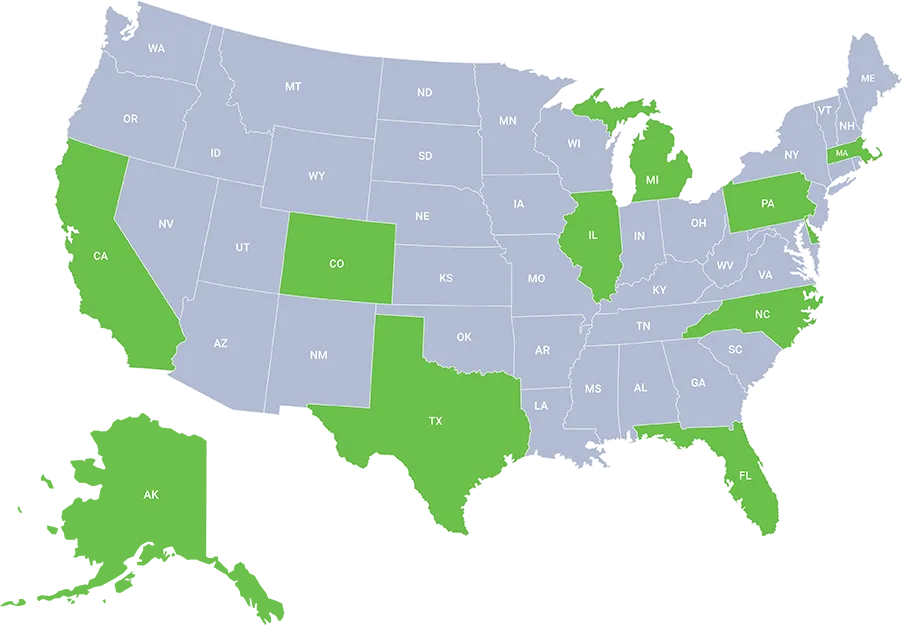
For some adults seeking the stability of structured treatment with the flexibility of remote access, an online program offered through Telehealth may be suitable. If you're looking for in-person care, you can also sift through the various locations of Banyan Treatment Centers in different states.
What to Expect from Treatment for Bipolar Disorder and Addiction
Treatment typically begins with an initial assessment and the creation of a personalized treatment plan. Depending on the patient's needs and preferences, you may take part in one-on-one therapy, group therapy, mental health care, medication management, and educational programs on emotional regulation, coping with cravings, sleep hygiene, or relapse prevention planning.
A core part of this process is learning to recognize early signs of emotional or behavioral instability. Patients often practice spotting changes in mood or thinking before they become overwhelming, improving sleep habits, curbing impulsive behaviors, learning ways to cope with cravings, and developing a toolbox of healthier responses to stressors.
Getting into treatment is easy with our free insurance verification
"*" indicates required fields
Co-Occurring Disorders and Bipolar Disorder
Bipolar disorder and substance use disorders can also co-occur with other mental health issues, such as anxiety, a history of trauma, or episodes of depression. These issues may lead to greater emotional instability and can make recovery more challenging if they are not treated.
A holistic treatment approach is vital because these conditions are often interconnected, not independent entities. When clinicians assess and treat the whole person rather than just one symptom, patients receive the care that best fits their experience.
Insurance and How to Pay for Treatment
Cost should not be an obstacle when deciding whether to pursue treatment. Banyan Treatment Centers collaborates with a large number of insurance plans, and our admissions team can help you verify your benefits and clarify any next steps to begin treatment. An insurance verification can also assist in understanding which treatment pathways might be open to you. Many families start the process by submitting their insurance information on our verification form to determine eligibility.
Find Support for Bipolar Disorder and Addiction
It's difficult enough to cope with bipolar disorder without the added stress of addiction. If you have both conditions, getting support is important and can make a huge difference in your outcome. Banyan Treatment Centers provides integrated care for adults struggling with mood swings and substance abuse. Reach out to us today to get more information on how to treat bipolar disorder and substance use, or verify your insurance.
Frequently Asked Questions
At Banyan Treatment Centers, we understand that every individual’s journey is unique. That’s why we tailor our treatment plans to ensure each patient receives the appropriate level of care for their condition. Our comprehensive approach includes medical stabilization, therapy, medication management, and relapse prevention planning, all designed to help individuals achieve long-term stability.
The goal of inpatient treatment is to provide a structured and supportive environment where individuals can safely manage their symptoms, develop coping strategies, and build a strong foundation for ongoing mental health management after discharge.
If you or a loved one are considering inpatient treatment for bipolar disorder, our team is here to guide you through every step of the recovery journey.

Getting Into Treatment Is Easy. Here's How to Get Started!

Call Us Anytime
Speak with our compassionate admissions specialists to discuss your situation and explore treatment options.

Initial Assessment
We conduct a thorough evaluation to determine the best level of care tailored to your needs.

Financial Guidance
Our team will verify your insurance coverage and provide transparent cost information.

Begin Your Recovery
Once everything is set, you’ll be welcomed into our program and start your journey toward healing.
Banyan Facilities for Mental Health Treatment

Banyan Castle Rock
Located in Castle Rock, CO
Mental Health Inpatient
Telehealth Virtual IOP

Banyan Boca
Located in Boca Raton, FL
Mental Health Inpatient
Telehealth Virtual IOP

Banyan Tampa
Located in Seminole, FL
Mental Health Inpatient
Telehealth Virtual IOP

Banyan Heartland Mental Health & Drug Rehab in Illinois
Located in Gilman, IL
Substance Use Inpatient
Mental Health Inpatient
Substance Use Outpatient
Telehealth Virtual IOP