

Medically Reviewed by:

Dr. Darrin Mangiacarne
Chief Medical Officer
At Banyan Treatment Centers, Chief Medical Officer Dr. Darrin Mangiacarne leads our nationwide clinical team with over a decade of addiction medicine experience, helping ensure evidence-based, compassionate care across every level of treatment.
Author / Written by: Banyan Editorial Staff
Medically reviewed by: Dr. Darrin Mangiacarne, CMO
Updated on: May 2026
Written by: Banyan Editorial Staff | Medically reviewed by: Dr. Darrin Mangiacarne - Chief Medical Officer | Edited: January 2026
Prescription Pill Detox Addiction Programs
Prescription drugs play an essential role in modern medicine and human health. When taken as prescribed by a doctor, medications, including generic drugs and brand names, can help treat illness, manage pain, regulate blood pressure, and support recovery from disease. However, misuse of prescription drugs or long-term use without proper medical oversight can lead to physical dependence, addiction, and serious health risks.
In recent years, prescription drug misuse has increased significantly across all age groups.[1] Unlike food, nutrients, or dietary supplements used as part of a healthy diet or exercise regimen, prescription medications directly affect brain chemistry and bodily systems. Over time, this can disrupt the normal functioning of the body, place stress on the liver and blood, and result in withdrawal symptoms when drug use is reduced or stopped.
At Banyan Treatment Center, our Prescription Pill Detox Program provides medically supervised detoxification designed to help patients safely stop taking prescription drugs, manage withdrawal symptoms, and protect overall health. This program serves as an entry point for individuals dependent on various prescription medications, including opioids, benzodiazepines, and stimulants, before transitioning into appropriate ongoing treatment.
When Is It Time to Seek Prescription Pill Detox?
Many individuals do not realize they have developed dependence on prescription medications until they attempt to stop. Because these drugs are regulated by the Food and Drug Administration (FDA) and often prescribed for legitimate medical reasons, dependence can develop gradually and go unnoticed.
Prescription pill detox may be necessary when a person begins experiencing withdrawal symptoms after their last dose, requires increasing doses to achieve the same effect, or continues taking medication despite negative consequences to their health, relationships, or daily functioning. Seeking treatment early can decrease health risks and help prevent long-term complications.
Start Your Recovery Today!
If you or someone you love is struggling with prescription drug dependence, Banyan Treatment Center is here to help. Our prescription pill detox programs provide a safe, supportive starting point for recovery and long-term treatment.
If you or a loved one is struggling with prescription pill addiction, reaching out to Banyan Treatment Centers today can be the first step toward recovery. Our admissions team is available to answer questions, explain treatment options, and offer a free, confidential insurance verification to help you understand your coverage and next steps with no obligation. You don’t have to navigate this alone, help is available.
Prescription Pill Withdrawal Symptoms and Timeline
Withdrawal symptoms vary depending on the medication, dose, duration of use, and individual health factors. Many people experience symptoms similar to a severe case of the flu, along with psychological distress.
Common symptoms may include nausea, vomiting, muscle aches, anxiety, irritability, runny nose, watery eyes, sweating, cold flushes, disturbed sleep, changes in blood pressure, and fatigue. Some individuals experience more severe symptoms that require medical intervention.
Withdrawal symptoms typically begin within the first 24 to 72 hours after the last dose. The acute phase may last one to two weeks, depending on the drug involved, while psychological symptoms may persist for a longer period. Medically supervised detox helps manage symptoms throughout each stage and reduces the risk of complications.
Health Risks of Prescription Pill Abuse
Long-term misuse of prescription drugs can negatively impact multiple systems in the body and increase the risk of serious, sometimes lasting health complications. While prescription medications are regulated and safe when used as directed, prolonged misuse or dependence can disrupt normal bodily functions and strain vital organs over time.
Potential long-term health risks associated with prescription pill abuse may include:
- Liver disease and hepatitis, particularly when medications are processed through the liver or combined with alcohol
- Heart disease and hypertension, including irregular heart rhythm and elevated blood pressure
- Metabolic complications, such as weight changes and increased risk for diabetes
- Neurological and cognitive effects, including memory problems, reduced concentration, and impaired decision-making
- Mental health disorders, such as anxiety, depression, mood instability, and sleep disturbances
- Weakened immune function, which may increase vulnerability to illness and infection
In addition to physical health concerns, long-term prescription drug abuse can affect emotional well-being, relationships, and overall quality of life. Over time, the body may become less able to regulate stress, sleep, and mood naturally, increasing relapse risk without proper treatment.
Early intervention, medically supervised detox, and continued treatment play a critical role in reducing these long-term effects and supporting lasting recovery and improved overall health.
When Is It Time to Seek Prescription Pill Detox?
Many individuals do not realize they have developed dependence on prescription medications until they attempt to stop. Because these drugs are regulated by the Food and Drug Administration (FDA) and often prescribed for legitimate medical reasons, dependence can develop gradually and go unnoticed.
Prescription pill detox may be necessary when a person begins experiencing withdrawal symptoms after their last dose, requires increasing doses to achieve the same effect, or continues taking medication despite negative consequences to their health, relationships, or daily functioning. Seeking treatment early can decrease health risks and help prevent long-term complications.
Why Medical Detoxification Is Necessary
Detoxing from prescription drugs without medical supervision can be dangerous. Withdrawal places physical stress on the body and may worsen existing conditions such as heart disease, liver disease, diabetes, hypertension, or hepatitis. In some cases, unmanaged withdrawal symptoms can increase the risk of relapse or medical emergencies.
Medically supervised detoxification allows healthcare professionals to closely monitor vital signs, manage withdrawal symptoms, and address complications as they arise. Unlike detox products, cleanses, or unregulated supplements marketed to consumers, medical detox is a regulated, evidence-based treatment process focused on safety, stabilization, and long-term recovery.
Prescription Drugs and Detox Myths
Many people searching for detox information encounter misleading claims involving weight loss, detox teas, colon cleanses, herbs, or supplements that promise to remove toxins, promote weight loss, or “reset” the body. These approaches are not supported by proven medical evidence and may cause harm, particularly for individuals dependent on prescription drugs.
Prescription pill detox is not about losing weight, following extreme diets, consuming detox drinks, or using natural remedies. Instead, it is a structured medical process designed to safely manage withdrawal and prepare the body for continued treatment.
Types of Prescription Drugs Commonly Involved in Detox
Prescription pill detox may be required for dependence on several classes of medications, each of which affects the body differently.
Central nervous system depressants, such as benzodiazepines and barbiturates, are commonly prescribed for anxiety, sleep disorders, seizures, or alcohol withdrawal. Long-term use can cause the brain to rely on these medications to regulate calmness, leading to severe withdrawal symptoms if stopped abruptly.
Prescription stimulants, often used to treat ADHD, increase levels of dopamine and norepinephrine. Extended use or misuse can result in physical dependence, anxiety, disturbed sleep, weight changes, and psychological withdrawal symptoms.
Opioid pain relievers are prescribed for pain management but carry a high risk of addiction. These drugs bind to opioid receptors in the brain, altering pain perception and reward pathways. Long-term use can lead to physical dependence and withdrawal symptoms that significantly affect physical health.
Prescription Drug Dependence vs. Addiction
Prescription drug dependence occurs when the body adapts to a medication and requires it to function normally. Addiction, also known as substance use disorder, involves compulsive drug use despite harm.
Dependence primarily involves physical adaptation and withdrawal symptoms, while addiction includes behavioral and psychological changes such as loss of control, cravings, and continued use despite negative consequences. Both conditions require professional treatment, and detox alone is not sufficient for long-term recovery.
Stages of Prescription Pill Detox
The detox process begins with a comprehensive medical assessment to evaluate physical health, medication history, and risk factors. This is followed by stabilization, during which medications may be used to manage withdrawal symptoms and protect patient safety.
During detoxification, prescription drugs are gradually reduced and eliminated from the body under medical supervision. As detox concludes, patients transition into ongoing treatment, which may include therapy, counseling, and medication-assisted treatment when appropriate.
Levels of Care After Prescription Pill Detox
Detox is only the first step in recovery. After completing prescription pill detox, individuals transition into ongoing treatment based on their medical needs, severity of dependence, mental health considerations, and available support systems. Continued care is essential for relapse prevention and long-term recovery.
Inpatient Treatment
Inpatient treatment provides the highest level of structure and support following detox. Individuals live onsite at a treatment facility and receive 24/7 medical and clinical supervision. This level of care is often recommended for those with severe prescription drug dependence, co-occurring mental health disorders, or a history of relapse. Inpatient programs allow patients to focus fully on recovery in a safe, controlled environment while participating in therapy, medication management, and recovery-focused activities.
Partial Hospitalization Program (PHP)
Partial hospitalization programs offer intensive treatment during the day while allowing individuals to return home or to a sober living environment in the evenings. PHP is well-suited for patients who still require a high level of clinical support but no longer need round-the-clock supervision. This level of care bridges the gap between inpatient treatment and outpatient services, providing structure while supporting increased independence.
Intensive Outpatient Program (IOP)
Intensive outpatient programs provide structured treatment several days per week while allowing individuals to resume work, school, or family responsibilities. IOP focuses on therapy, relapse prevention, and coping skills while offering flexibility for daily life. This level of care is often appropriate for individuals with stable living environments and a strong support system who are continuing recovery after higher levels of treatment.
Telehealth Intensive Outpatient Program (IOP)
Telehealth IOP is designed for individuals who are further along in recovery and able to manage daily responsibilities while continuing structured clinical care from home. This level of care provides consistent therapeutic support through scheduled virtual sessions, allowing clients to maintain work, school, or family commitments while prioritizing recovery.
Through a combination of group therapy, individual counseling, and ongoing clinical check-ins, Telehealth IOP focuses on maintaining sobriety, managing stressors, and addressing lingering mental health or substance use challenges. This program plays a vital role in long-term recovery by reinforcing skills learned in higher levels of care and supporting sustained stability in a flexible, accessible format.
Insurance and Prescription Pill Detox
Many insurance plans help cover the cost of prescription med detox, making treatment more accessible for individuals who need medically supervised care. Coverage can vary based on your specific insurance provider, plan type, and whether services are in-network or out-of-network.
Banyan Treatment Center’s admissions team is here to make the process simple. They can verify your insurance benefits, explain what services are covered, and walk you through any potential out-of-pocket costs before you begin. In addition to detox, we can also review coverage for inpatient, outpatient, and ongoing therapy options, so you understand your full range of treatment choices and can move forward with confidence.
Frequently Asked Questions
Long-term prescription pill abuse can affect multiple systems in the body and may lead to lasting health complications. Prolonged misuse can damage the liver, increase the risk of heart disease and high blood pressure, and contribute to metabolic issues such as weight changes and diabetes complications. Neurological and psychological effects may include memory problems, mood disorders, anxiety, depression, and impaired decision-making.
Extended prescription drug misuse can also weaken the body’s ability to regulate sleep, stress, and emotional responses, increasing the risk of relapse and reducing overall quality of life. Early treatment and continued care help reduce these long-term risks and support recovery.
Getting Into Treatment Is Easy. Here's How to Get Started!

Call Us Anytime
Speak with our compassionate admissions specialists to discuss your situation and explore treatment options.

Initial Assessment
We conduct a thorough evaluation to determine the best level of care tailored to your needs.

Financial Guidance
Our team will verify your insurance coverage and provide transparent cost information.

Begin Your Recovery
Once everything is set, you’ll be welcomed into our program and start your journey toward healing.
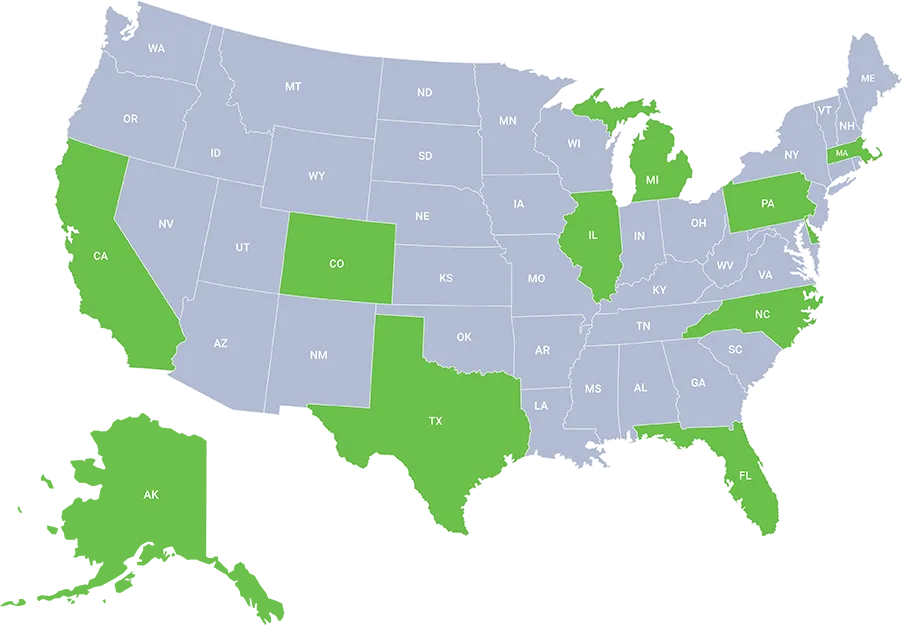
Banyan Detox Facilities for Drug and Alcohol

Banyan Heartland Mental Health & Drug Rehab in Illinois
Located in Gilman, IL
Substance Use Inpatient
Mental Health Inpatient
Substance Use Outpatient
Telehealth Virtual IOP

Banyan Palm Springs
Located in Cathedral City, CA
Substance Use Inpatient
Telehealth Virtual IOP

Banyan Castle Rock
Located in Castle Rock, CO
Substance Use Inpatient
Mental Health Inpatient
Telehealth Virtual IOP

Banyan Delaware
Located in Milford, DE
Substance Use Inpatient
Substance Use Outpatient

Banyan Texas
Located in Waelder, TX
Substance Use Inpatient
Telehealth Virtual IOP

Banyan Stuart
Located in Stuart, FL
Substance Use Inpatient
Telehealth Virtual IOP

Banyan Gulf Breeze
Located in Gulf Breeze, FL
Substance Use Inpatient
Substance Use Outpatient
Mental Health Outpatient
Telehealth Virtual IOP

Banyan Boca
Located in Boca Raton, FL
Mental Health Inpatient
Telehealth Virtual IOP

Banyan Sebring
Located in Sebring, FL
Substance Use Inpatient
Mental Health Inpatient
Telehealth Virtual IOP

Clearbrook Pennsylvania
Located in Laurel Run, PA
Substance Use Inpatient
Substance Use Outpatient
Mental Health Inpatient
Telehealth Virtual IOP

Clearbrook Massachusetts
Located in Baldwinville, MA
Substance Use Inpatient
Mental Health Inpatient

Behavioral Health
of the Palm Beaches
Located in Lake Worth, FL
Substance Use Inpatient
Substance Use Outpatient
Mental Health Inpatient
Telehealth Virtual IOP