


Medically Reviewed by:

Dr. Darrin Mangiacarne
Chief Medical Officer
At Banyan Treatment Centers, Chief Medical Officer Dr. Darrin Mangiacarne leads our nationwide clinical team with over a decade of addiction medicine experience, helping ensure evidence-based, compassionate care across every level of treatment.
Author / Written by: Banyan Editorial Staff
Medically reviewed by: Dr. Darrin Mangiacarne, CMO
Updated on: April 2026
Depression is a serious mental health condition that affects mood, thoughts, behavior, and overall quality of life.[1] Often referred to as clinical depression or called major depressive disorder, depression can range from mild to severe and may interfere with emotional well-being, relationships, and daily functioning.[2]
At Banyan Treatment Center, we provide comprehensive depression treatment designed to help individuals manage symptoms, regain stability, and improve overall well-being. Through personalized care, evidence-based therapies, and integrated mental health support, individuals can work toward lasting recovery.
How Depression Disorder Might Look or Feel
Depression can affect people in different ways, but it often shows up as more than feeling sad or having a bad day. Many individuals experience a persistent low mood, emotional numbness, or loss of interest in activities they once enjoyed. Everyday tasks may become overwhelming, and motivation, energy, or focus can decline over time.
Depression may also affect how a person thinks and feels about themselves and the world around them. Ongoing feelings of guilt, worthlessness, or hopelessness are common, as are changes in sleep, appetite, or physical energy. Difficulty concentrating, making decisions, or managing responsibilities at work, school, or home may also occur.
For some, depression develops gradually, while for others it may follow stressful life events, trauma, physical illness, or major life changes. In certain cases, symptoms begin without a clear cause. When these experiences persist and interfere with daily functioning, support from a mental health professional can help determine whether depression is present and what treatment options may be appropriate.
Common Types of Depressive Disorders
Depression is not a single condition and can present in several forms. Identifying the specific type of depressive disorder helps guide effective treatment.
Common depressive disorders include:
- Major Depressive Disorder (Major Depression): Involves one or more major depressive episodes lasting at least two weeks.[1]
- Persistent Depressive Disorder (Dysthymic Disorder): A chronic form of depression marked by long-term symptoms that may be less severe but ongoing.[3]
- Seasonal Affective Disorder: Depression related to seasonal changes often occurs during the fall or winter months.[4]
- Perinatal and Postpartum Depression: Depression that occurs during pregnancy or after childbirth.[5]
- Premenstrual Dysphoric Disorder: A severe depression related to hormonal changes during the menstrual cycle.
- Psychotic Depression: A severe form of depression accompanied by psychotic symptoms such as delusions or hallucinations.[2]
- Recurrent Depressive Disorder: Repeated depressive episodes separated by periods of improvement.
Common Symptoms of Depression
Symptoms of depression vary in severity and presentation but often affect emotional, cognitive, and physical well-being.
Common symptoms may include:
- Persistent depressed mood disorder or feeling sad.
- Loss of interest or pleasure in activities.
- Excessive or inappropriate guilt.
- Difficulty concentrating or making decisions.
- Fatigue or low energy.
- Changes in appetite, including weight gain or weight loss.
- Sleep disturbances such as insomnia.
- Physical symptoms, including muscle pain or chronic pain.
- Feelings of worthlessness or low self-esteem.
- Suicidal thoughts or suicidal ideation.[6]
Without treatment, depressive symptoms may worsen over time and significantly impact daily life.[7]
How Depression Is Diagnosed
A qualified mental health professional conducts a comprehensive psychiatric evaluation to diagnose depression. This process includes reviewing symptoms, mental health history, family history, risk factors, and how symptoms affect social or occupational functioning.
Healthcare providers use diagnostic criteria from the Diagnostic and Statistical Manual of Mental Disorders, published by the American Psychiatric Association, to identify depression and determine the specific depressive disorder.[1] Accurate diagnosis is essential, as depression often co-occurs with anxiety symptoms, bipolar disorder, or other mental illnesses.[8]
Questions about our Facilities or Programs?
Our admissions coordinators are available 24/7 to answer any questions you may have as you consider whether treatment at Banyan is right for you or your loved one.
Evidence-Based Treatment for Depression
Treating depression typically involves a combination of evidence-based therapies tailored to individual needs and symptom severity.
Talk Therapy
Talk therapy helps individuals understand emotional patterns, manage depressive symptoms, and develop healthier coping strategies. Common approaches include:
- Cognitive behavior therapy (CBT)
- Dialectical behavior therapy
- Psychodynamic therapy
- Interpersonal Therapy
Medication Support
In some cases, antidepressant treatment may be recommended as part of a comprehensive care plan. Medication decisions are made by qualified providers and monitored closely to support safety and effectiveness.
Advanced Treatment Options
For individuals with treatment-resistant depression or severe symptoms, advanced interventions such as EMDR or other brain stimulation therapies may be considered when clinically appropriate.[19]
Medications Used in Depression Treatment
In some cases, medication may be used as part of a comprehensive depression treatment plan to help manage symptoms and support emotional stability. Medication decisions are made by a qualified healthcare provider and are based on an individual’s symptoms, diagnosis, treatment history, and overall health.
Medications are typically used alongside therapy and other supportive services, rather than as a standalone treatment.
Common Types of Medications Used for Depression
Medications that may be considered in depression treatment include:
- Selective Serotonin Reuptake Inhibitors (SSRIs)
SSRIs are commonly prescribed to help regulate mood by affecting serotonin levels in the brain.[9] They are often used for major depressive disorder, persistent depressive disorder, and other depressive conditions. - Serotonin-Norepinephrine Reuptake Inhibitors (SNRIs)
These medications affect both serotonin and norepinephrine and may be considered when symptoms include low energy, difficulty concentrating, or physical symptoms associated with depression. - Other Antidepressant Medications
In some situations, other types of antidepressant medications may be recommended based on individual response, side effects, or co-occurring mental health conditions.
Banyan’s Approach to Depression Treatment
At Banyan Treatment Center, depression treatment begins with a comprehensive assessment to understand each individual’s symptoms, mental health history, risk factors, and any co-occurring mental health or substance use conditions. Because depression affects people differently, treatment plans are fully individualized and adjusted over time based on progress and evolving needs.
Our approach focuses on evidence-based, supportive care delivered by experienced mental health professionals in a structured and compassionate environment. Treatment is designed to address both the emotional and physical aspects of depression while supporting long-term stability and improved daily functioning.
As part of an individualized treatment plan, depression treatment may include a combination of therapeutic approaches and supportive services, such as:
- Cognitive Behavioral Therapy (CBT) to address negative thought patterns and behaviors
- Dialectical Behavior Therapy (DBT) to support emotional regulation, mindfulness, and distress tolerance
- Motivational Interviewing to help individuals build motivation and engage in treatment
- Solution-Focused Based Therapy to emphasize strengths and practical problem-solving
- Art and Music Therapy to support emotional expression and stress reduction
- Pet Therapy and Equine-Assisted Therapy to promote emotional connection and calm
- Biofeedback and Mindfulness-Based Practices to increase awareness of physical and emotional responses
- Group Therapy and Peer Support to reduce isolation and build coping skills
Treatment plans are reviewed regularly and may include aftercare planning to support continued progress beyond treatment.
Levels of Care for Depression Treatment at Banyan
Depression affects individuals differently, and the level of care needed can vary based on symptom severity, safety concerns, daily functioning, and co-occurring conditions. Banyan Treatment Center offers multiple levels of care for depression treatment, allowing individuals to receive the appropriate level of structure and support at each stage of recovery.
Each level of care is determined through a comprehensive clinical assessment and may be adjusted over time as symptoms improve or treatment needs change.
Residential Depression Treatment
Inpatient or residential treatment provides the highest level of structure and support for individuals experiencing severe depression or significant impairment in daily functioning. This level of care is often recommended when symptoms interfere with personal safety, emotional stability, or the ability to manage daily responsibilities.
In a residential setting, individuals receive 24/7 clinical support in a structured environment while participating in intensive therapy and psychiatric care. Inpatient depression treatment allows patients to focus fully on stabilization, symptom reduction, and developing healthy coping skills without outside distractions.
Partial Hospitalization Program (PHP)
A Partial Hospitalization Program (PHP) offers a high level of therapeutic support while allowing individuals to return home outside of treatment hours. PHP is often appropriate for those who need more structure than outpatient care but do not require 24-hour supervision.
PHP typically includes multiple therapy sessions per week, psychiatric support, and skill-building interventions designed to help individuals manage depressive symptoms, improve emotional regulation, and strengthen daily functioning.
Intensive Outpatient Program (IOP) for Depression
Intensive Outpatient treatment is well-suited for individuals with mild to moderate depression or those stepping down from a higher level of care. This level of care provides structured therapeutic support while allowing individuals to continue managing work, school, or family responsibilities.
IOP for depression typically includes individual therapy, group therapy, medication management when appropriate, and ongoing clinical support focused on symptom reduction, skill development, and long-term emotional stability.
Telehealth Depression Treatment
Telehealth options may be available for depression treatment when clinically appropriate. Virtual care allows individuals to receive therapy and mental health support remotely through secure online sessions.
Telehealth depression treatment can be beneficial for individuals who need flexibility, live farther from a treatment center, or are stepping down from in-person care. Telehealth services help maintain continuity of care while supporting symptom management and emotional well-being.
Getting into treatment is easy with our free insurance verification
"*" indicates required fields
What to Expect During Depression Treatment
Depression treatment is structured to provide consistency and support while allowing individuals to progress at a pace that feels manageable. Rather than focusing on perfection or immediate change, treatment emphasizes gradual improvement, routine, and building confidence over time.
Day-to-day treatment is designed to help individuals:
- Establish healthier daily routines and structure.
- Practice coping strategies in a supportive setting.
- Reflect on emotional patterns and progress.
- Build skills that translate into everyday life.
As treatment continues, individuals often gain greater insight into their symptoms, feel more equipped to manage emotional challenges, and develop a stronger sense of stability and self-trust. This steady, supportive approach helps reinforce progress and prepares individuals for ongoing care beyond treatment.
Common Co-Occurring Addictions Associated With Depression
Depression frequently co-occurs with substance use disorders. Some individuals use substances in an attempt to cope with depressed mood, emotional numbness, low energy, or feelings of hopelessness.[10] While this may provide short-term relief, substance use often worsens depressive symptoms and increases the risk of dependence.
Common Types of Addiction That Co-Occur With Depression
Alcohol may be used to numb emotional pain or manage sleep disturbances, but it can worsen mood symptoms and increase depressive episodes.[11] | |
Prescription Drug Misuse | Medications such as opioids or sedatives may be misused to cope with emotional distress, physical pain, or insomnia linked to depression. |
Opioids may be used to manage both emotional and physical pain, increasing the risk of dependence and worsening depressive symptoms.[12] | |
Stimulant Use Disorders | Stimulants may be used to counter low energy, lack of motivation, or difficulty concentrating associated with depression.[13] |
Sedative or Benzodiazepine Misuse | These substances may be used to manage anxiety, sleep problems, or agitation that often accompany depression.[14] |
Polysubstance Use | Some individuals use multiple substances to cope with different depressive symptoms, increasing treatment complexity and risk. |
Treatment Options and Care Pathways
The appropriate level of care depends on symptom severity and individual needs. Many individuals benefit from outpatient mental health treatment, while others may require higher levels of support during severe depressive episodes.
As symptoms stabilize, individuals may transition to lower levels of care with continued support to maintain progress.
Insurance and Accessibility
Banyan Treatment Center works with many insurance providers to make depression treatment accessible. Our admissions team can assist with insurance verification and help guide individuals through the next steps.
Take the Next Step Toward Depression Treatment
Depression can feel overwhelming, but effective treatment is available. Banyan Treatment Center provides compassionate, evidence-based care to help individuals manage symptoms and improve quality of life.
Contact our team today to learn more about depression treatment options or to schedule a confidential mental health assessment.
Frequently Asked Questions
- Cognitive Behavioral Therapy (CBT) and Dialectical Behavior Therapy (DBT) to help individuals develop healthier thought patterns and coping mechanisms.[16]
- Medication-Assisted Treatment (MAT) when appropriate, under the supervision of licensed professionals.
- Individual and group therapy to provide emotional support and encourage personal growth.
- Holistic therapies such as yoga, meditation, and exercise to promote overall well-being.
Our facilities provide a safe and supportive environment for individuals struggling with depression, ensuring that each patient receives customized care suited to their unique needs.
- The root causes of addiction and depression are identified and treated.[15]
- A combination of therapy, medication, and support groups is used to facilitate long-term recovery.
- Clients receive comprehensive aftercare planning to maintain their mental health and sobriety post-treatment.
For more information on depression and dual diagnosis treatment, visit Banyan Treatment Center or Banyan Mental Health today.
Because both conditions share risk factors like trauma, stress, and genetic predisposition, Banyan takes an integrated treatment approach.[18] Our programs combine evidence-based therapies, medical support, and holistic care to address both addiction and mental health simultaneously. Through individual counseling, group therapy, medication-assisted treatment, and wellness programs, we help individuals regain control of their lives and achieve lasting recovery.

Getting Into Treatment Is Easy. Here's How to Get Started!

Call Us Anytime
Speak with our compassionate admissions specialists to discuss your situation and explore treatment options.

Initial Assessment
We conduct a thorough evaluation to determine the best level of care tailored to your needs.

Financial Guidance
Our team will verify your insurance coverage and provide transparent cost information.

Begin Your Recovery
Once everything is set, you’ll be welcomed into our program and start your journey toward healing.
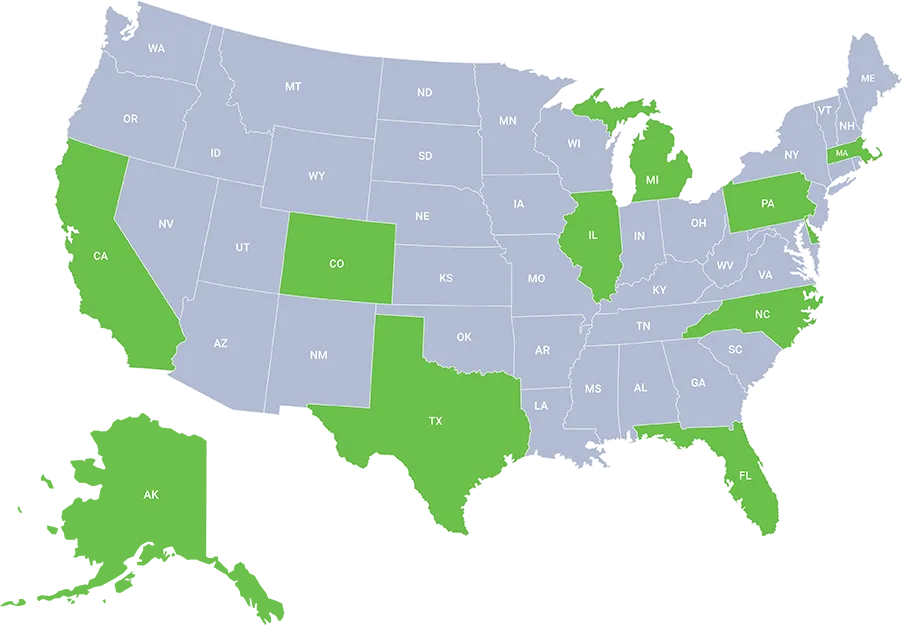
Banyan Facilities for Mental Health Treatment

Banyan Castle Rock
Located in Castle Rock, CO
Mental Health Inpatient
Telehealth Virtual IOP

Banyan Boca
Located in Boca Raton, FL
Mental Health Inpatient
Telehealth Virtual IOP

Banyan Tampa
Located in Seminole, FL
Mental Health Inpatient
Telehealth Virtual IOP

Banyan Heartland Mental Health & Drug Rehab in Illinois
Located in Gilman, IL
Substance Use Inpatient
Mental Health Inpatient
Substance Use Outpatient
Telehealth Virtual IOP