

September is Suicide Prevention Month, a time dedicated to raising awareness, breaking the stigma around mental health, and encouraging open conversations that can save lives. Suicide continues to be a public health crisis, ranking among the leading causes of death for people aged 10 to 64 in the United States. Despite its prevalence, it remains a topic clouded by misunderstanding, shame, and silence.
This month serves as a powerful reminder of the importance of compassion, education, and early intervention. Whether you’re worried about a loved one or seeking to become a more informed advocate, understanding the warning signs of suicide and knowing how to help can make all the difference.
In this blog, we’ll explore the key signs to look out for, common risk factors, and practical steps you can take to support someone in need, because suicide prevention starts with all of us.
Understanding depressive disorders is the first step — our behavioral health rehab in Boca Raton, FL offers depression treatment programs to help individuals begin their recovery journey.
What Is Suicide Prevention?
Suicide prevention involves a range of strategies designed to reduce the risk of suicide and support those struggling with suicidal thoughts. This includes public education, mental health treatment, crisis intervention, early identification of warning signs, and community-based support systems.
At its core, suicide prevention is about connection, fostering hope, building understanding, and ensuring that people in pain know they are not alone.
Understanding the Warning Signs
While there is no single cause of suicide, there are often clear warning signs that someone may be in emotional distress. Recognizing these signs early can be life-saving.
Emotional and Behavioral Warning Signs:
- Talking about wanting to die or expressing a desire to end their life
- Feelings of hopelessness, helplessness, or being trapped
- Withdrawal from friends, family, and activities
- Extreme mood swings, irritability, or sudden calmness after a period of depression
- Increased use of alcohol or drugs
- Saying goodbye to loved ones or giving away prized possessions
- Changes in sleeping or eating habits
- Engaging in reckless or self-destructive behaviors
- Loss of interest in things once enjoyed
- Expressing feelings of worthlessness or unbearable emotional pain
Not everyone experiencing suicidal thoughts will exhibit all of these signs, and some may hide their distress. That’s why awareness and consistent, compassionate communication are key.
Common Risk Factors
Suicide is influenced by a complex mix of biological, psychological, environmental, and social factors. Understanding these risk factors helps identify who might be more vulnerable.
Mental Health Conditions:
- Major depressive disorder
- Bipolar disorder
- Anxiety disorders
- Post-traumatic stress disorder (PTSD)
- Schizophrenia
Personal or Environmental Stressors:
- A recent loss (e.g., loved one, job, relationship)
- History of trauma or abuse
- Chronic pain or physical illness
- Financial or legal troubles
- Bullying or discrimination
Other Contributing Factors:
- Previous suicide attempts
- Family history of suicide
- Lack of social support or isolation
- Access to lethal means (e.g., firearms, medications)
- Stigma around mental health
Having one or more of these factors doesn’t mean someone will attempt suicide, but it does increase risk and highlights the need for support.
Getting into treatment is easy with our free insurance verification
"*" indicates required fields
How to Help Someone Who May Be Struggling
If you suspect someone is thinking about suicide, your support can be life-changing. It can be uncomfortable to bring up the topic, but it’s far better to ask and listen than to stay silent.
- Start the Conversation: Be direct, kind, and nonjudgmental. You might say:
- “I’ve noticed you’ve seemed really down lately. Are you okay?”
- “It seems like you’re going through a lot. I’m here if you want to talk.”
- “Are you thinking about hurting yourself?”
Asking about suicide does not increase risk, it shows the person they’re not alone and opens the door to support.
- Listen Without Judgment: Give them space to talk openly. Avoid trying to fix things right away or downplaying their emotions. You can respond with:
- “Thank you for trusting me with this.”
- “That sounds really hard, I’m here with you.”
- “You’re not alone, and we can find help together.”
- Assess the Risk: If they express suicidal thoughts, it’s important to gently assess the level of urgency:
- “Do you have a plan?”
- “Do you have access to the means to carry out that plan?”
- “Have you felt this way before?”
If there’s immediate danger, do not leave them alone. Seek emergency help right away.
- Take Action: Depending on the situation, consider:
- Helping them contact a therapist, crisis line, or support service
- Removing access to weapons, medications, or other means
- Staying with them until they are in safe hands
- Calling emergency services if they are in immediate danger
National & Local Resources
If you or someone you love is in crisis, help is available 24/7:
- 988 Suicide & Crisis Lifeline – Call or text 988
- Crisis Text Line – Text HELLO to 741741
- Veterans Crisis Line – Dial 988, then press 1
You can also contact a trusted mental health provider or outpatient program for personalized care and long-term support.
Long-Term Support & Recovery
Preventing suicide isn’t only about responding in a crisis. It’s also about supporting long-term recovery and mental wellness.
Ongoing Support May Include:
- Individual or group therapy
- Psychiatric care and medication management
- Support groups for survivors and loved ones
- Lifestyle changes such as regular sleep, exercise, and healthy coping mechanisms
- A strong social support system
Healing takes time, but it is absolutely possible. With the right help, many people not only recover but thrive.
For individuals in the Castle Rock area seeking support, our mental health treatment facility in Castle Rock, CO offers depression treatment programs, including outpatient services designed to address depression.
Questions about our Facilities or Programs?
Our admissions coordinators are available 24/7 to answer any questions you may have as you consider whether treatment at Banyan is right for you or your loved one.
How Banyan Helps People Across the Nation
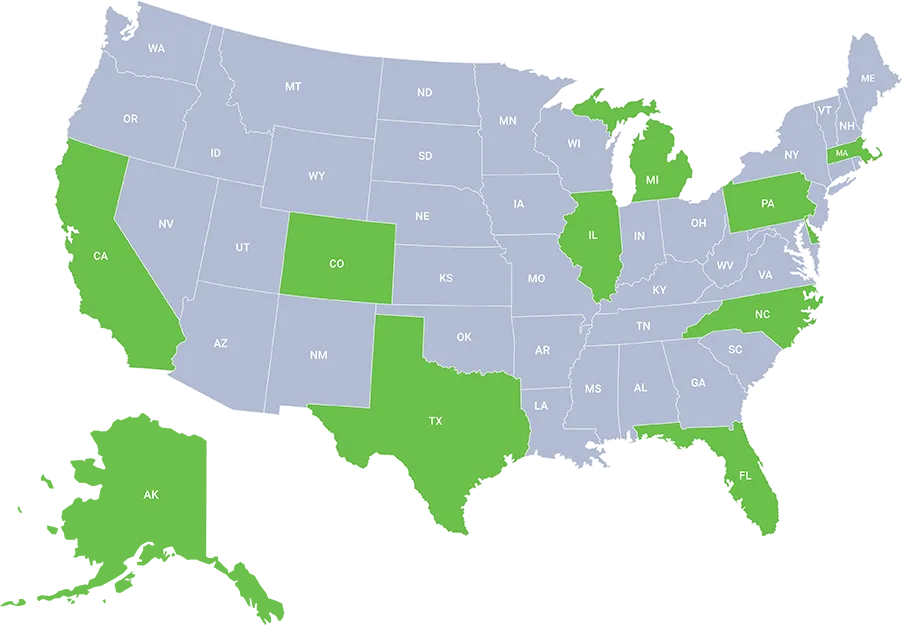
At Banyan Treatment Centers, we recognize the critical importance of accessible and compassionate mental health care. Our nationwide network of facilities offers inpatient, outpatient, and telehealth mental health programs tailored to meet each individual’s unique needs. From managing anxiety and depression to addressing trauma and suicidal ideation, our team is committed to supporting individuals every step of the way.
With experienced clinicians, evidence-based therapies, and a focus on long-term healing, we help people regain control of their lives and find lasting hope. Whether you or a loved one needs immediate help or long-term support, Banyan is here to guide the way to recovery, nationwide.
As we recognize Suicide Prevention Month this September, let us commit to being part of the solution. Suicide prevention starts with each of us, by showing up, speaking out, and staying connected.
Understanding the warning signs, offering nonjudgmental support, and encouraging professional help can be life-saving. Whether you’re supporting a friend or facing your own challenges, remember: there is help. There is hope.
Take the First Step Toward Healing
If you or someone you love is struggling with mental health challenges or suicidal thoughts, you don't have to face it alone. At Banyan Treatment Centers, our compassionate team is here to provide the care, guidance, and support you need with facilities all around the nation.
Whether you're looking for inpatient care, outpatient treatment, or telehealth options, we offer customized mental health programs across the country designed to meet you where you are in your journey.
If you're ready to address co-occurring depression, contact our behavioral health rehab in Sebring, FL to explore intensive outpatient programs and begin the path toward healing.
Call us today for a free, confidential assessment and insurance verification to get started. Your life matters. Let us help you find hope, healing, and a path forward. Find a Banyan location near you.
Wherever you are, we have you.
Not sure what level of care fits your needs? Our admissions team can help you understand your options confidentially.
Medical Disclaimer
Banyan Treatment Centers aims to improve the quality of life for people struggling with substance use or mental health disorders with fact-based content about the nature of behavioral health conditions, treatment options and their related outcomes. We publish material that is researched, cited, edited and reviewed by licensed medical professionals. The information we provide is not intended to be a substitute for professional medical advice, diagnosis or treatment. It should not be used in place of the advice of your physician or other qualified healthcare providers.