
Addiction Treatment for Cannabis, Hallucinogens & Synthetic Drugs at Banyan
We understand recovery, we can help.
- Personalized, Addiction Treatment Programs for Every Individual
- Masters-level addiction therapists
- In network with most major insurances


★★★★★
4.8 Average Google Rating
Written by: Banyan Editorial Staff | Medically reviewed by: Chief Medical Officer - Dr. Darrin Mangiacarne
Last Updated: January 2026
Medically Reviewed by:
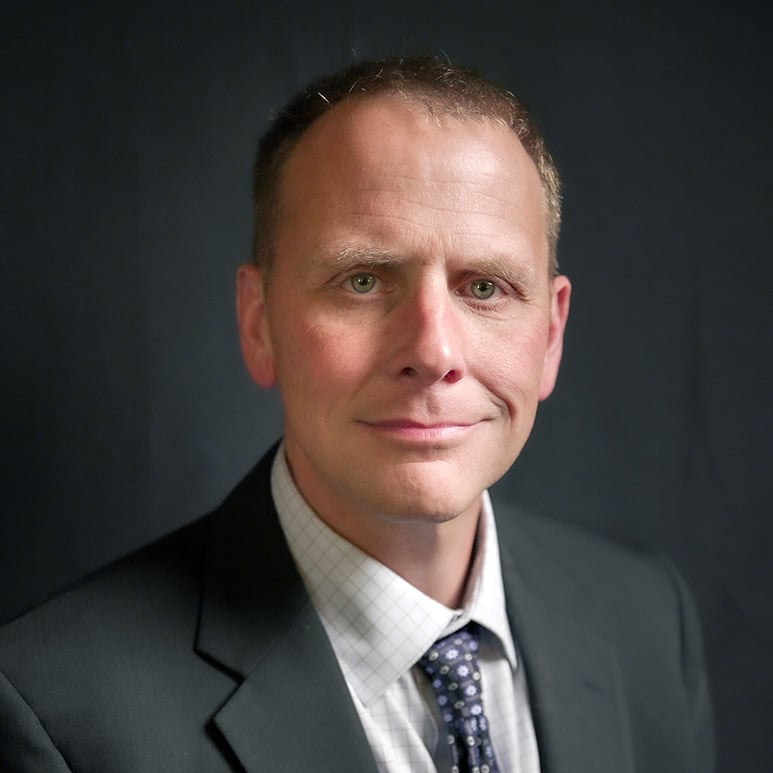
Dr. Darrin Mangiacarne
Chief Medical Officer
At Banyan Treatment Centers, Chief Medical Officer Dr. Darrin Mangiacarne leads our nationwide clinical team with over a decade of addiction medicine experience, helping ensure evidence-based, compassionate care across every level of treatment.
Author / Written by: Banyan Editorial Staff
Medically reviewed by: Dr. Darrin Mangiacarne, CMO
Updated on: April 2026
Ready to take the next step? Verify your insurance.
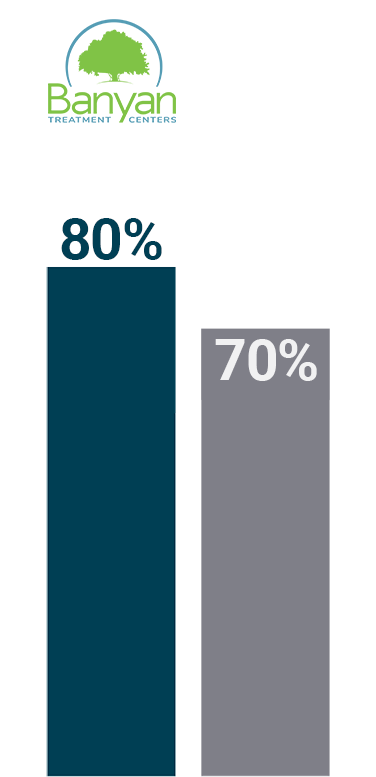
Completion Rate
Addiction Treatment for Synthetic Drugs at Banyan
There is more to substance use disorders than just alcohol and opioids. Cannabis, hallucinogens, and synthetic drugs are psychoactive drugs with addictions, withdrawal symptoms, and severe mental health complications. While many of these drugs are seen as less harmful than opioids or alcohol, repeated use can affect brain functioning, emotional stability, and quality of life.
Banyan Treatment Centers offers addiction treatment for cannabis use disorder, hallucinogen use disorder, and synthetic drug addiction. At our addiction treatment programs, we care for substance use disorders along with co-occurring mental health disorders to support long-term recovery.
Understanding Substance Use Disorder
According to the American Psychiatric Association's Diagnostic and Statistical Manual of Mental Disorders, also known as the DSM-5, substance use disorder is characterized by the fact that it is a chronic disease in which an individual may continue using substances in spite of the adverse effects.[1] When an individual uses drugs, their brain chemistry is impacted, leading to assorted risks, particularly in terms of mental health.
Substance use disorders are also frequently present with other mental health conditions, including anxiety disorders, depression, post-traumatic stress disorders, and other psychiatric disorders. They may exacerbate each other unless appropriately treated.[2]
Cannabis (Marijuana) Addiction Treatment
Marijuana addiction, otherwise referred to as cannabis use disorder in the field of medicine, affects both young and old. Whereas marijuana is thought to be an innocuous drug, frequent use of the drug can lead to marijuana addiction.[13] Epidemiologic surveys indicate that dependence does occur in young adults who smoke the drug daily.[3]
Signs of Cannabis Use Disorder
- Difficulty controlling cannabis use
- Strong cravings
- Continued use despite negative consequences
- Declining work or school performance
- Loss of interest in daily activities
For those who are quitting marijuana after a prolonged period of consumption, some reported withdrawal effects may include irritability, anxiety, sleep difficulties, appetite changes, and inability to concentrate. Although these effects are not life-threatening, they pose great difficulties in stopping marijuana use.
There is also the possibility of long-term cannabis usage leading to more cases of anxiety, depression, and other mental problems. In some individuals, cannabis may have negative effects on their memory, motivation, and mood.[4]
Treatment Options for Marijuana Addiction
Marijuana dependents are treated with therapies like behavioral therapy, counseling, and psychological support. Banyan offers treatment plans that incorporate rehabilitation and healthy coping mechanisms to deal with cravings and relapses.
Hallucinogen Addiction Treatment
Hallucinogens, which comprise both LSD, psilocybin, PCP, and ketamine, affect perception, mood, and processing. Although hallucinogen use disorder is not commonly associated with any overwhelming withdrawal symptoms, psychological dependence is a consequence. Intense mental health problems can also be experienced.[5]
When using hallucinogens, an individual may experience flashbacks, continuing visual problems, increased anxiety, or paranoia. There may be instances where the individual develops a psychosis and their judgment may be impaired to a level where they may get into accidents.
Signs You May Need Treatment
- Using hallucinogens to cope with stress or emotional pain
- Craving altered states of consciousness
- Ongoing emotional instability
- Difficulty functioning at work, school, or home
Treating Hallucinogen Addiction
The treatment that needs to be given to hallucinogen use disorder is to seek stabilization for mental health and eliminate the inclusion of psychological factors that may lead to hallucinogen use. Although hallucinogen use does not cause an extremely debilitating withdrawal symptom, anxiety and mood fluctuations and perceptions require attention.
Treatment at Banyan generally includes a wide range of behavioral therapies, trauma-informed care, and psychiatric support that aid the individual in managing cravings, work through stressors or trauma, and decrease the potential for relapse. When co-occurring mental health conditions such as anxiety, depression, or psychosis are present, integrated dual diagnosis treatment is considered paramount for long-term recovery.
Synthetic Drug Addiction Treatment
Synthetic drugs, for instance, like K2, Spice, bath salts, and others, are arguably the most dangerous drugs out there due to their unknown chemical composition. The use of these drugs can trigger severe physical and psychological responses even at smaller doses.[6]
Those who choose to use synthetic drugs can exhibit symptoms like agitation, hallucinations, paranoia, hypertension, seizures, and even heart problems. Because of the inconsistency of potency between batches, death from overdose can occur.[7]
Sings of Synthetic Drug Use
It is very easy for synthetic drug use disorder to develop quickly since the strength and chemical makeup are unpredictable with these drugs.[8]
- Sudden or extreme changes in behavior, such as agitation, aggression, or paranoia
- Hallucinations, confusion, or disorientation beyond intoxication
- Risky or impulsive behavior, including neglecting safety or responsibilities
- Continued use despite serious physical or psychological consequences
- Strong desire or need to use; inability to cut down or control use
Many synthetic drug users manifest worsening mental health symptoms, such as anxiety, depression, or psychosis.
Synthetic drug withdrawal may be accompanied by severe anxiety, insomnia, depression, and uncontrollable desires. Oftentimes, recovery necessitates medical attention and close supervision in the early stages.[9]
Treating Synthetic Drug Addiction
The treatment of synthetic drug addiction starts with detoxification, followed by inpatient treatment. However, treatment goes on with behavioral therapies, planning for preventing a return to drug use, and treating mental health issues.[10]
Cannabis (Marijuana) Addiction Treatment
Marijuana addiction, otherwise referred to as cannabis use disorder in the field of medicine, affects both young and old. Whereas marijuana is thought to be an innocuous drug, frequent use of the drug can lead to marijuana addiction. Epidemiologic surveys indicate that dependence does occur in young adults who smoke the drug daily.
Signs of Cannabis Use Disorder
- Difficulty controlling cannabis use
- Strong cravings
- Continued use despite negative consequences
- Declining work or school performance
- Loss of interest in daily activities
For those who are quitting marijuana after a prolonged period of consumption, some reported withdrawal effects may include irritability, anxiety, sleep difficulties, appetite changes, and inability to concentrate. Although these effects are not life-threatening, they pose great difficulties in stopping marijuana use.
There is also the possibility of long-term cannabis usage leading to more cases of anxiety, depression, and other mental problems. In some individuals, cannabis may have negative effects on their memory, motivation, and mood.
Treatment Options for Marijuana Addiction
Marijuana dependents are treated with therapies like behavioral therapy, counseling, and psychological support. Banyan offers treatment plans that incorporate rehabilitation and healthy coping mechanisms to deal with cravings and relapses.
Hallucinogen Addiction Treatment
Hallucinogens, which comprise both LSD, psilocybin, PCP, and ketamine, affect perception, mood, and processing. Although hallucinogen use disorder is not commonly associated with any overwhelming withdrawal symptoms, psychological dependence is a consequence. Intense mental health problemscan also be experienced.
When using hallucinogens, an individual may experience flashbacks, continuing visual problems, increased anxiety, or paranoia. There may be instances where the individual develops a psychosis and their judgment may be impaired to a level where they may get into accidents.
Signs You May Need Treatment
- Using hallucinogens to cope with stress or emotional pain
- Craving altered states of consciousness
- Ongoing emotional instability
- Difficulty functioning at work, school, or home
Treating Hallucinogen Addiction
The treatment that needs to be given to hallucinogen use disorder is to seek stabilization for mental health and eliminate the inclusion of psychological factors that may lead to hallucinogen use. Although hallucinogen use does not cause an extremely debilitating withdrawal symptom, anxiety and mood fluctuations and perceptions require attention.
Treatment at Banyan generally includes a wide range of behavioral therapies, trauma-informed care, and psychiatric support that aid the individual in managing cravings, work through stressors or trauma, and decrease the potential for relapse. When co-occurring mental health conditions such as anxiety, depression, or psychosis are present, integrated dual diagnosis treatment is considered paramount for long-term recovery.
Synthetic Drug Addiction Treatment
Synthetic drugs, for instance, like K2, Spice, bath salts, and others, are arguably the most dangerous drugs out there due to their unknown chemical composition. The use of these drugs can trigger severe physical and psychological responses even at smaller doses..
Those who choose to use synthetic drugs can exhibit symptoms like agitation, hallucinations, paranoia, hypertension, seizures, and even heart problems. Because of the inconsistency of potency between batches, death from overdose can occur.
Signs of Synthetic Drug Use Disorder
It is very easy for synthetic drug use disorder to develop quickly since the strength and chemical makeup are unpredictable with these drugs.
- Sudden or extreme changes in behavior, such as agitation, aggression, or paranoia
- Hallucinations, confusion, or disorientation beyond intoxication
- Risky or impulsive behavior, including neglecting safety or responsibilities
- Continued use despite serious physical or psychological consequences
- Strong desire or need to use; inability to cut down or control use
Many synthetic drug users manifest worsening mental health symptoms, such as anxiety, depression, or psychosis.
Synthetic drug withdrawal may be accompanied by severe anxiety, insomnia, depression, and uncontrollable desires. Oftentimes, recovery necessitates medical attention and close supervision in the early stages.
Treating Synthetic Drug Addiction
The treatment of synthetic drug addiction starts with detoxification, followed by inpatient treatment. However, treatment goes on with behavioral therapies, planning for preventing a return to drug use, and treating mental health issues.
Available Levels of Care
Banyan delivers a full continuum of treatment services to address the unique needs of someone dealing with cannabis use disorders, hallucinogen use disorders, and synthetic drug addictions. In choosing the correct level of treatment for an individual, we consider history of substance use, mental health concerns, and safety factors. In each case, a full assessment leads to a thorough decision about the ideal place to start.
Medical Detox
Medical detox provides 24/7 supervision to manage withdrawal symptoms and stabilize both physical and mental health. This level of care is particularly important for individuals experiencing severe anxiety, mood instability, or medical complications related to synthetic drug use. Detox creates a safe foundation for continued addiction treatment.
Intensive Inpatient Treatment
Intensive inpatient care serves to ensure that there is supervision at all times to ensure that the situation is under control so that any withdrawal symptoms associated with drug use can be managed, thus allowing for the stabilization of health for an addict. The care is very essential for those who are experiencing very high levels of anxiety, mood fluctuations, and have underlying health issues associated with synthetic drugs. The process also serves to provide a foundation for other treatment sessions.
Residential Programs
Residential treatment offers living arrangements that come with treatment and daily programming. Living in this type of setting ensures a person is removed from environments and situations that might lead to cannabis, hallucinogen, and synthetic drug use. In this setting, people are empowered to be competent and stable before moving to a lower treatment program.
Partial Hospitalization Program (PHP)
PHP provides full-day treatment with clients returning home or to sober living in the evenings. This level of care maintains structured therapy for the individual while allowing for increased independence. PHP is often utilized as a step-down from inpatient or residential treatment.
Intensive Outpatient Program (IOP)
IOP provides multiple therapy sessions each week with increased flexibility to accommodate work, school, or family-related issues. This program is appropriate for people with stable symptoms that require therapy, as it helps continue the prevention of relapse, which IOP assists with.
Outpatient Program
Outpatient counseling services also offer additional therapeutic support on a weekly basis. This type of care is ideal for long-term recovery, emotional stability, and the maintenance of positive coping strategies. This type of care is best for people who are stable and need additional support.
Telehealth / Virtual Treatment
Telehealth services provides the opportunity for clients to access therapy and other mental health treatment remotely through secure online platforms. This provides greater accessibility for those who face transportation issues or live far away from treatment facilities. Telehealth promotes continuity of care and treatment retention.
Dual Diagnosis and Mental Health Services
Many people in need of treatment for an addiction problem are also dealing with other issues like anxiety disorders, PTSD, personality disorders, or depression. Simply treating those with a substance addiction often does not help them become clean.
Banyan has a holistic and integrative program of dual diagnosis, including the treatment of problem use of substances and co-occurring problems of mental health.
Evidence-Based Addiction Treatment at Banyan
Effective treatment of addiction requires more than just the detox process alone. At Banyan Treatment Centers, we develop programs based on evidence-based practices that are commonly utilized in the field of addiction medicine.
Cognitive Behavioral Therapy (CBT)
CBT helps people recognize the opinions that may lead them to drug abuse and ways of coping with drug dependence that may cause relapse.[11]
Dialectical Behavior Therapy (DBT)
DBT is primarily concerned with emotional regulation and distress tolerance, which allows individuals to cope with difficult emotions without resorting to substance use.[12]
Contingency Management
This technique encourages positive recovery behaviors and enhances motivation during the treatment process.
Trauma-Focused Therapy
Trauma-focused therapy treatments assist persons in working through unfinished issues, which are possibly linked to substance abuse.
Support Groups and Relapse Prevention
Peer support and relapse prevention planning assist people in identifying triggers and maintaining recovery.
All treatment plans are tailored to an individual patient after a comprehensive evaluation, and adjustments are made as a patient progresses with their recovery.
Questions about our Facilities or Programs?
Our admissions coordinators are available 24/7 to answer any questions you may have as you consider whether treatment at Banyan is right for you or your loved one.
When to Seek Treatment
You might need help from a professional if your addiction to substances affects your daily life, your mental health condition becomes worse, you experience withdrawal, or you are unable to quit the substances. Early intervention for substance use reduces health risks and recovery problems.
Insurance and Admissions Support
Banyan Treatment Centers wants you to receive the compassionate support and comprehensive care you deserve to safely address synthetic drug addiction.
We know that taking the first step can feel overwhelming. That’s why our confidential admissions process is designed to be simple and supportive. Our team will verify your insurance benefits, explain your coverage clearly, and walk you through your treatment options. If a bed is available and clinically appropriate, we can often facilitate same-day admission to help you begin your recovery journey without delay.
Take the First Step Toward Recovery
Substance use disorder is a chronic disease, but recovery is possible with effective treatment and ongoing support. Whether you are struggling with marijuana addiction, hallucinogen use disorder, synthetic drug addiction, or other substances, Banyan Treatment Centers offers compassionate, evidence-based care designed to support healing and long-term stability.
If you or someone you love is prepared to get help, our admissions department is here to offer confidential advice and assistance.
Getting into treatment is easy with our free insurance verification
"*" indicates required fields
Frequently Asked Question
In many cases, people who require treatment for addiction problems may be dealing with other mental health issues such as anxiety, depression, PTSD, and other forms of mental health issues. However, Banyan offers dual diagnosis treatment for addiction and mental health issues at the same time.
We've streamlined the admissions process to help you get the treatment and support you need as soon as possible. Following a confidential initial assessment and insurance verification, same-day admission may be available. Our team works with many major insurance providers and can help you understand your coverage, benefits, and any potential out-of-pocket costs before treatment begins. If you have questions about payment options or insurance eligibility, our admissions specialists are available to guide you through the process.
- Banyan Boca
1000 NW 15th Street
Boca Raton, FL 33486
Phone: 888-422-1651 - Clearbrook Pennsylvania
1100 E Northampton St
Laurel Run, PA 18706
Phone: 570-405-9934 - Banyan Philadelphia
100 N Buckstown Dr, Suite 100E
Langhorne, PA 19047
Phone: 888-219-0442 - Clearbrook Massachusetts
83 Hospital Road
Baldwinville, MA 01436
Phone: 978-307-6964 - Banyan Delaware
21 W Clarke Ave, #4001
Milford, DE 19963
Phone: 888-900-9681 - Banyan Palm Springs
67580 Jones Road
Cathedral City, CA 92234
Phone: 760-642-1112 - Banyan Texas
4168 Co Road 444
Waelder, TX 78959
Phone: 844-611-5705
If you are unsure which location is most appropriate, Banyan’s admissions specialists can help determine the best treatment option.
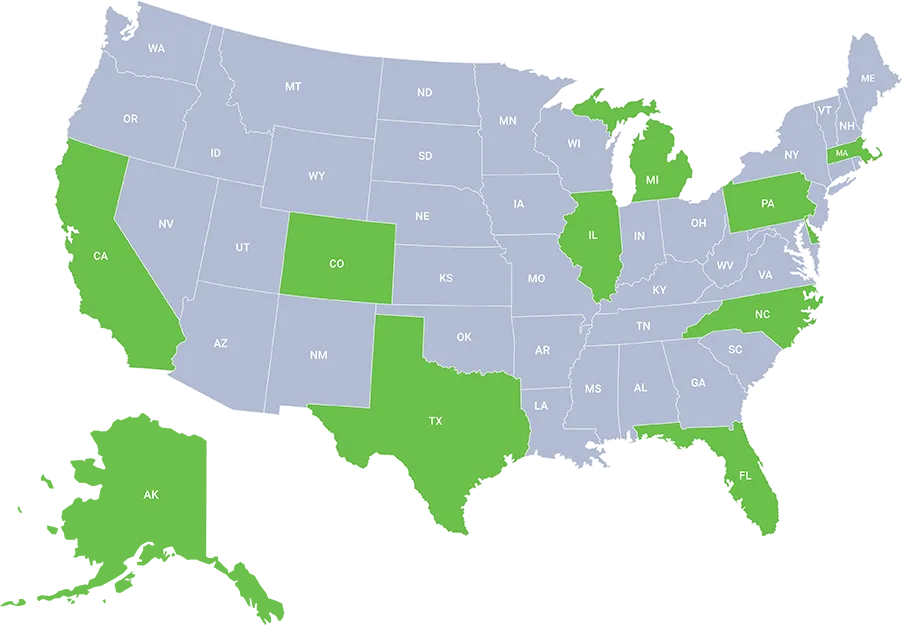
Banyan Facilities for Drug, Alcohol, & Mental Health Treatment

Banyan Castle Rock
Located in Castle Rock, CO
Substance Use Inpatient
Mental Health Inpatient
Telehealth Virtual IOP

Banyan Heartland Mental Health & Drug Rehab in Illinois
Located in Gilman, IL
Substance Use Inpatient
Mental Health Inpatient
Substance Use Outpatient
Telehealth Virtual IOP
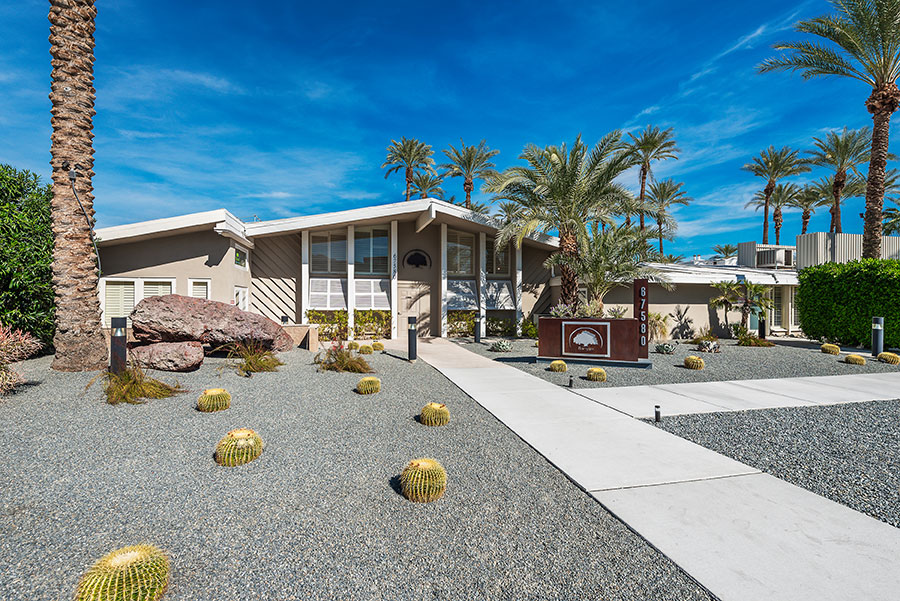
Banyan Palm Springs
Located in Cathedral City, CA
Substance Use Inpatient
Telehealth Virtual IOP
Getting Into Treatment Is Easy. Here's How to Get Started!

Call Us Anytime
Speak with our compassionate admissions specialists to discuss your situation and explore treatment options.

Initial Assessment
We conduct a thorough evaluation to determine the best level of care tailored to your needs.

Financial Guidance
Our team will verify your insurance coverage and provide transparent cost information.

Begin Your Recovery
Once everything is set, you’ll be welcomed into our program and start your journey toward healing.