
Written by: Banyan Editorial Staff | Medically reviewed by: Dr. Darrin Mangiacarne - Chief Medical Officer | Edited: February 2026
Art and Music Therapy at Banyan Treatment Center
Recovery is not only about breaking free from substances, it’s about finding new ways to heal, express emotions, and rebuild identity. For many people, words alone cannot capture the depth of their experiences. That’s where art and music therapy come in. At Banyan Treatment Centers, these creative approaches give clients powerful, evidence-based tools to process emotions, manage cravings, and support long-term recovery.
Through guided activities such as painting, collage, songwriting, or simply listening to music, clients explore their feelings. These activities help with emotions that may be too difficult to verbalize. These therapies offer safe and non-judgmental outlets for expression. They help bridge the gap between addiction treatment and emotional healing.
What Is Art and Music Therapy?
Art and music therapy are structured, clinically supervised programs that use creative expression as a form of healing. They are not about artistic skill or musical talent; anyone can participate and benefit from them.[7] Instead, the focus is on expression, process, and discovery.
- Art therapy for addiction recovery enables clients to explore their feelings through various media, including drawing, painting, collage, mask-making, sculpture, and photography. These activities promote self-reflection, help uncover trauma, and provide a safe way to work through difficult emotions.
- Music therapy offers healing through rhythm, lyrics, sound, and performance. Clients may listen to calming music, write songs, analyze lyrics, or engage in drumming and performance exercises. Music in recovery can soothe anxiety, reduce cravings, and create new emotional connections.
These expressive tools complement traditional therapies and medical care offered at Banyan.
How Art & Music Therapy Support Addiction and Mental Health
Creative therapies can be especially powerful for clients who struggle to verbalize emotions or who carry trauma that feels too painful to revisit directly. Instead of talking about their pain, clients can use art or music as an outlet to process and release it.
For addiction recovery, art therapy and substance abuse treatment work hand in hand. Creating art or engaging with music can reduce cravings and manage stress.[2] These activities provide healthier coping strategies instead of turning to drugs or alcohol. Many clients find that creative therapies build self-esteem. They create a sense of accomplishment that motivates further progress in recovery.[3]
For mental health, art and music therapy help reduce symptoms of depression, anxiety, and PTSD. They encourage mindfulness and improve mood.[4] These therapies allow clients to access emotions that may be buried or suppressed. Together, they restore balance, foster self-awareness, and support emotional healing.
Questions about our Facilities or Programs?
Our admissions coordinators are available 24/7 to answer any questions you may have as you consider whether treatment at Banyan is right for you or your loved one.
Benefits of Art and Music Therapy
Clients who participate in Banyan’s creative therapy programs often experience benefits that extend beyond treatment. These benefits include:
- A safe outlet for emotional expression when words feel difficult
- Reduced stress, anxiety, and depression symptoms
- Stronger coping strategies for cravings and triggers
- Improved self-esteem and confidence through creative accomplishment
- Relief from trauma and unresolved emotional pain
- Increased mindfulness and focus during recovery
- A deeper sense of purpose and connection through creative work
These benefits make art therapy for addiction recovery and music therapy valuable complements to more traditional therapies like CBT or DBT.
Examples of Art & Music Therapy Activities
Every session is unique, but activities are carefully designed to help clients connect with their emotions, memories, and new perspectives. Examples include:
- Art therapy ideas for adults in recovery, such as painting, collage, sculpture, or mask making, can be used to symbolize emotions or experiences.
- Creative writing and poetry to put feelings into words in a safe, non-judgmental format.
- Music therapy art experiences, like lyric analysis, songwriting, or guided listening sessions, can help explore emotional responses to music.
- Group drumming or rhythm exercises to build community, connection, and emotional regulation.
Regardless of the activity, the emphasis is always on the process, not the outcome. Clients don’t need to be “artistic” or “musical” to benefit.
Getting into treatment is easy with our free insurance verification
"*" indicates required fields
Is Art & Music Therapy Right for You?
Art and music therapy are especially helpful for people who:
- Struggle to express themselves in traditional talk therapy.
- Carry unresolved trauma or painful memories.
- Experience anxiety, depression, or PTSD alongside addiction.
- Feel disconnected from themselves or others in recovery.
- Want holistic, creative approaches to healing.
These therapies are open to all, regardless of background or skill level. Clients often find that creative engagement reduces cravings and mental health symptoms. It also reconnects them to joy, purpose, and identity beyond addiction.
Therapy and Mental Health
Mental health is at the core of addiction recovery. Creative therapies play a vital role in restoring balance. For people with depression, art therapy can provide a visual way to process sadness and build hope.[8] For those with anxiety, music helps calm the nervous system and reduce racing thoughts.[9] For trauma survivors, both art and music offer non-verbal ways to revisit and process painful experiences without retraumatization.[6]
Banyan combines art therapy and addiction treatment with evidence-based therapies to help clients. This approach strengthens their mental health and builds a stable foundation for recovery.
Frequently Asked Questions

Find Art & Music Therapy at Banyan
Healing is not only about talking through pain; it’s also about finding new ways to express and process it, and to move forward. At Banyan Treatment Centers, our art therapy and substance abuse programs let clients explore creative outlets. These outlets support sobriety, improve mental health, and inspire lasting change.
If you or someone you love wants therapy for addiction recovery that includes creative expression, Banyan can help. Verify your insurance or fill out our contact form today. Learn more about our art and music therapy programs and take the first step toward healing.
Inpatient Family Therapy Options
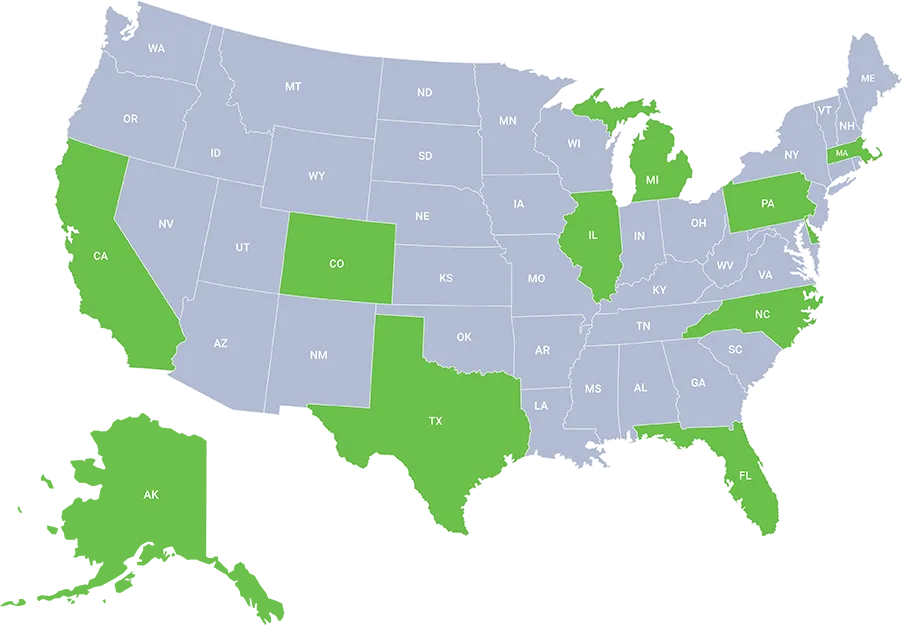
For those requiring a more residential approach to recovery, our centers offer art and music therapy in a structured and immersive environment, allowing clients to focus fully on their recovery. Find out which of our treatment centers offering art and music therapy are closest to you: