

Medically Reviewed by:
Dr. Darrin Mangiacarne
Chief Medical Officer
At Banyan Treatment Centers, Chief Medical Officer Dr. Darrin Mangiacarne leads our nationwide clinical team with over a decade of addiction medicine experience, helping ensure evidence-based, compassionate care across every level of treatment.
Author / Written by: Banyan Editorial Staff
Medically reviewed by: Dr. Darrin Mangiacarne, CMO
Updated on: May 2026
IN IMMEDIATE CRISIS?
988 Suicide & Crisis Lifeline
Call or text 988 · 24/7
Alcoholics Anonymous Meetings
Find a local meeting
ALASKA LOCATION
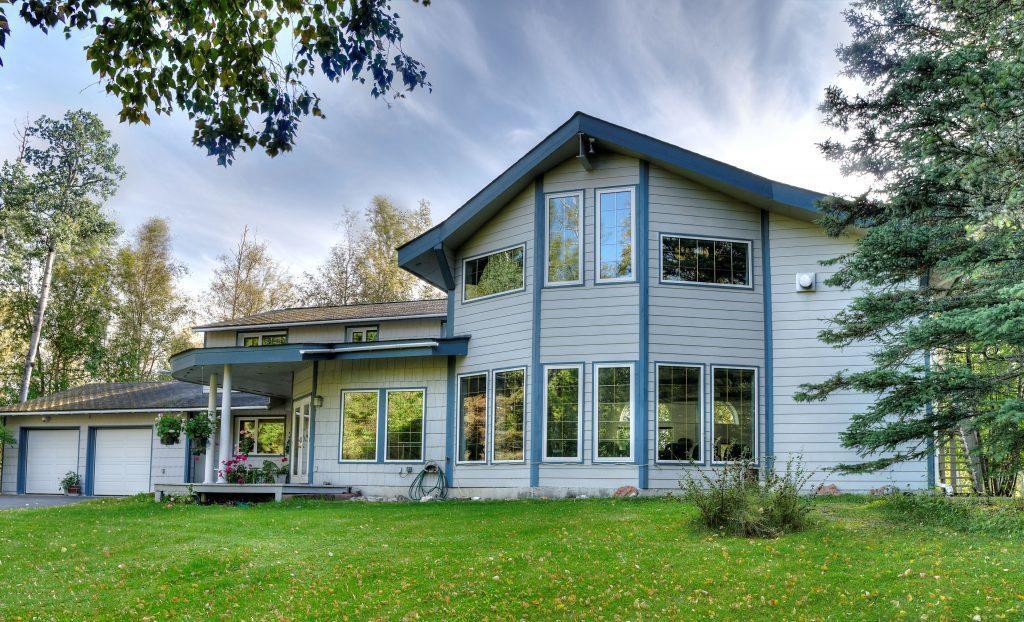
Banyan Alaska
Wasilla, Alaska · Serving Matanuska-Susitna Borough (and surrounding areas)
• Accepting Admissions Now
| Mental Health Addiction | Yes Yes |
| Inpatient Outpatient | No Yes |
| Dual diagnosis | Yes — integrated |
| Accreditation | Joint Commission |
Most insurances accepted
ADDICTION & DUAL DIAGNOSIS TREATMENT IN ALASKA
Finding Comprehensive Mental Health or Addiction Treatment in Alaska
Alaska is defined by its vastness, its beauty, and the extraordinary resilience of its people, but those same qualities that make the state unique also shape one of the most challenging behavioral health landscapes in the country. From Anchorage and Fairbanks to remote villages accessible only by small plane, Alaskans across every community face significant rates of substance use disorder, mental illness, and trauma. Alaska consistently ranks among the top states in the nation for rates of substance use disorder, suicide, and mental illness, driven by factors including geographic isolation, long winters, economic instability, and a history of intergenerational trauma in Alaska Native communities. Understanding these challenges, and knowing what treatment resources exist, is a critical step for Alaskans and their families seeking a path toward recovery.
Addiction and Mental Health in Alaska
Alaska's behavioral health crisis is among the most severe and complex in the country. The state faces overlapping epidemics of opioid overdose, alcohol use disorder, stimulant misuse, and mental illness — all compounded by a healthcare infrastructure that has never kept pace with the level of need. According to the Alaska Department of Health, opioid overdose deaths have increased sharply in recent years, with fentanyl driving the most recent surge in fatalities. At the same time, Alaska's suicide rate is among the highest of any state in the nation, reflecting the deep and often untreated mental health burden carried by Alaskans across every region and demographic.
Alcohol use disorder has historically been the dominant substance use challenge in Alaska, with the state consistently ranking among the highest in the country for alcohol-related deaths, hospitalizations, and social harm. SAMHSA's state-level data show Alaska adults report some of the highest rates of heavy and binge drinking in the nation, with alcohol misuse deeply embedded in community-level patterns of harm across both urban centers and rural villages.
Methamphetamine has emerged as a growing crisis in Alaska, particularly in Anchorage, where stimulant-related emergency department visits and arrests have increased substantially in recent years. The DEA's Seattle Division Drug Threat Assessment — which covers Alaska — identifies methamphetamine as a primary and growing concern throughout the state, often appearing in combination with fentanyl in overdose deaths.
Among Alaska Native communities, the behavioral health crisis carries additional dimensions rooted in historical trauma, cultural disruption, and longstanding disparities in access to care. Alaska Native people experience disproportionately high rates of substance use disorder, suicide, and mental illness, underscoring the need for culturally responsive, trauma-informed treatment approaches that recognize the full context of these communities' experiences.
Alaskan Adults with a Mental Illness
24% of People
SAMHSA National Survey on Drug Use & Health
Alaska Adults with Substance Use Disorder
Top 10 Nationally
AK Adults with Co-Occurring Disorders
20% of State
SAMHSA National Survey on Drug Use & Health
Questions about our Facilities or Programs?
Our admissions coordinators are available 24/7 to answer any questions you may have as you consider whether treatment at Banyan is right for you or your loved one.
We understand treatment, we can help.
The Biggest Addiction Issue in Alaska
Alaska's addiction crisis is shaped by a combination of factors unique to the state — geographic isolation, extreme seasonal conditions, economic pressures, and deep disparities in access to care. Alaska's Division of Behavioral Health has identified alcohol, opioids, and methamphetamine as the three most pressing substance use concerns statewide, with co-occurring mental health disorders present in a significant proportion of individuals seeking treatment.
Alcohol use disorder is the most pervasive and historically entrenched substance use challenge in Alaska. The state consistently ranks among the top in the nation for alcohol-related mortality, with alcohol implicated in a significant share of Alaska's overdose deaths, suicides, accidents, and domestic violence incidents. Long-term heavy alcohol use causes liver disease, cardiovascular damage, neurological impairment, and dramatically elevated rates of depression and anxiety — all of which contribute to the cycle of co-occurring disorders that defines Alaska's behavioral health crisis. Because alcohol withdrawal can be medically dangerous, including the risk of seizures, medically supervised detox is strongly recommended for anyone with a history of heavy or prolonged use.
While Alaska's opioid crisis arrived later than in many other states, it has escalated rapidly with the spread of illicitly manufactured fentanyl throughout the state's drug supply. Fentanyl is estimated to be 50 to 100 times more potent than morphine and is now present in counterfeit pills, heroin, and other substances circulating in Anchorage and beyond. Alaska has seen a significant increase in fentanyl-related overdose deaths in recent years, mirroring national trends but compounded by the state's limited access to emergency medical services and addiction treatment in rural and remote areas. Medication-assisted treatment using buprenorphine, methadone, or naltrexone is the evidence-based standard of care for opioid use disorder and is available through licensed providers in Alaska's larger communities.
Methamphetamine use has grown substantially in Alaska, particularly in the Anchorage area, where the drug is closely associated with homelessness, violent crime, and psychiatric crisis. Chronic methamphetamine use causes severe and sometimes permanent neurological damage, including memory impairment, impulse control deficits, and drug-induced psychosis that can persist long after a person stops using. The relationship between stimulant use and psychiatric illness is especially pronounced in Alaska, where access to psychiatric care is severely limited and many individuals with untreated mental illness cycle through emergency rooms and the criminal justice system without ever receiving integrated behavioral health treatment.
Alaska legalized recreational cannabis in 2015, and while use has become more normalized statewide, cannabis use disorder affects an estimated 9% of adults who use the drug, rising to approximately 17% among those who begin in adolescence. For young Alaskans already managing anxiety, depression, or trauma, heavy cannabis use is associated with worsened psychiatric outcomes and increased long-term risk of substance use disorder. Treatment for cannabis dependency is available and effective, though many individuals do not recognize their use as clinically problematic.
Let's break the stigma, together.
Mental Health Challenges in Alaska
Alaska's mental health crisis is among the most severe in the nation, shaped by a constellation of factors that are difficult to find anywhere else: extreme geographic isolation, prolonged periods of darkness in winter, high rates of poverty and unemployment in rural communities, and a history of cultural trauma in Alaska Native populations. Mental Health America consistently ranks Alaska among the worst states in the country for mental health outcomes, with high rates of illness and some of the most significant access gaps in the nation.
Depression is one of the most commonly reported mental health conditions among Alaska adults, and the state's extreme seasonal light variation makes it a particular hotspot for seasonal affective disorder (SAD). During Alaska's long winter months, reduced sunlight exposure significantly increases the risk of depressive episodes, sleep disruption, and social withdrawal — factors that frequently intersect with increased alcohol use and other substance misuse. Seasonal affective disorder affects a disproportionately high share of Alaskans compared to the national average, and without adequate treatment, it can trigger or worsen co-occurring substance use disorder.
Trauma is a defining feature of Alaska's behavioral health landscape. Alaska has one of the highest concentrations of veterans per capita of any state, many of whom carry post-traumatic stress disorder alongside co-occurring substance use disorder. Alaska Native communities experience disproportionate rates of historical and intergenerational trauma, domestic violence, and sexual assault — all of which significantly elevate the risk of PTSD. SAMHSA has identified Alaska Native and American Indian populations as among those most impacted by behavioral health disparities, underscoring the need for culturally grounded, trauma-informed treatment approaches.
Alaska's suicide rate is one of the highest of any state in the nation, and it represents one of the most urgent public health challenges the state faces. Alaska's age-adjusted suicide rate is consistently more than double the national average, with Alaska Native males at particularly elevated risk. Substance use disorder is one of the strongest risk factors for suicide, and the co-occurrence of addiction and untreated mental illness dramatically increases the likelihood of a suicidal crisis. Integrated treatment that addresses both conditions is not just clinically appropriate — in Alaska, it is life-saving.
Access to behavioral health care in Alaska is profoundly limited by geography, provider shortages, and cost. The vast majority of Alaska, outside Anchorage and a handful of larger communities, is designated as a mental health professional shortage area. Many rural and remote communities have no local psychiatric or addiction treatment services whatsoever, leaving residents to travel hundreds of miles — often by small aircraft — to access care. Telehealth has become an essential component of Alaska's behavioral health system, and outpatient programs that offer remote clinical services play a critical role in extending the reach of treatment across the state.
Addiction and Mental Health Treatment Options in Alaska
Alaska offers a range of treatment options for individuals seeking help with substance use disorder, mental health conditions, and co-occurring disorders, including:
- Detoxification Programs: Medically supervised detox provides a safe, monitored environment for managing withdrawal from alcohol, opioids, benzodiazepines, and other substances. Medical detox is often the essential first step before entering an outpatient or residential treatment program.
- Inpatient Rehabilitation: Residential treatment programs provide 24/7 structured care combining individual therapy, group counseling, psychiatric support, and life skills development — typically accessed in Anchorage or through referral to programs outside Alaska for those in remote communities.
- Partial Hospitalization Programs (PHP): PHP offers intensive clinical programming during the day while allowing clients to return home in the evenings — a step down from residential care or an intensive alternative to inpatient treatment for those with stable living situations.
- Intensive Outpatient Programs (IOP): IOP provides multiple days per week of structured therapy and clinical support, offering flexibility for individuals managing treatment alongside work, family, and other daily responsibilities.
- Medication-Assisted Treatment (MAT): MAT combines FDA-approved medications such as buprenorphine, methadone, or naltrexone with behavioral therapy to treat opioid and alcohol use disorders. MAT is evidence-based and significantly reduces overdose risk and treatment dropout rates.
- Dual Diagnosis Treatment: Integrated programs that address substance use disorder and co-occurring mental health conditions simultaneously are the gold standard for individuals with complex behavioral health needs — and given Alaska's high rates of co-occurring disorders, integrated care is especially critical.
- Telehealth Services: In a state defined by geographic barriers, telehealth has become an indispensable component of Alaska's behavioral health system. Remote therapy, psychiatric services, and clinical support allow Alaskans in rural and remote communities to access care that would otherwise require significant travel.
- Aftercare and Continuing Care: Long-term recovery requires sustained support beyond the initial treatment episode. Aftercare planning, peer recovery support, alumni programming, and community referrals are essential components of relapse prevention.
Rehab and Mental Health Treatment Success Rates in Alaska
Treatment outcomes in Alaska are consistent with national benchmarks, though access barriers and the severity of co-occurring disorders in the state's population make integrated, sustained care especially important:
- Inpatient Rehab and Residential Treatment: Completion rates for residential programs typically range from 50% to 70%, with stronger outcomes in programs offering individualized treatment planning, trauma-informed care, and integrated mental health support.
- Outpatient Programs: Success rates for outpatient treatment range from 35% to 50%, improving significantly when clients have stable housing, consistent clinical engagement, and strong social support networks.
- Medication-Assisted Treatment (MAT): MAT demonstrates success rates of up to 70% when integrated with counseling, case management, and peer support — making it one of the most effective interventions available for opioid and alcohol use disorders in Alaska.
- Dual Diagnosis Treatment: Integrated dual diagnosis treatment consistently outperforms sequential or parallel approaches for individuals with co-occurring substance use and mental health disorders — a finding particularly relevant in Alaska given the high prevalence of both conditions.
Our Alaska Facility
Banyan Alaska serves individuals across the state who are seeking flexible, high-quality outpatient treatment for addiction and co-occurring mental health conditions. As an outpatient facility, Banyan Alaska is designed for individuals who require structured clinical support while maintaining their work, family, and community commitments — and for those stepping down from a higher level of care and continuing their recovery journey closer to home. In a state where geographic barriers make residential treatment inaccessible for many, accessible outpatient and telehealth-supported care plays a critical role in closing the gap. Key features of our facility include:
- Partial Hospitalization Program (PHP): Our PHP provides intensive day programming that combines individual therapy, group counseling, and psychiatric support — offering a level of clinical intensity comparable to inpatient care without requiring an overnight stay.
- Intensive Outpatient Program (IOP): IOP delivers multiple days per week of structured therapy and clinical support, giving clients the tools they need to build and sustain recovery alongside the demands of everyday life in Alaska.
- Mental Health Treatment: Banyan Alaska provides outpatient mental health services for individuals managing depression, anxiety, seasonal affective disorder, trauma-related conditions, PTSD, and other co-occurring psychiatric conditions alongside addiction.
- Dual Diagnosis Programming: Our outpatient dual diagnosis services address substance use and mental health conditions in a fully integrated framework — ensuring comprehensive care for clients whose addiction and psychiatric needs are intertwined.
- Medication-Assisted Treatment (MAT): We offer MAT for eligible clients managing opioid and alcohol use disorders, combining FDA-approved medications with behavioral therapy and clinical support for evidence-based, whole-person care.
- Telehealth Services: Recognizing Alaska's unique geographic challenges, Banyan Alaska offers telehealth options that allow individuals across the state to access therapy, psychiatric support, and clinical care remotely — without the burden of long-distance travel.
- Individualized Treatment Plans: Every client receives a treatment plan tailored to their specific history, clinical needs, and recovery goals — because recovery in Alaska looks different for everyone.
- Aftercare Support: Our aftercare planning services connect clients to community resources, peer recovery support, and continuing care programs to sustain long-term recovery after completing our outpatient programs.
Getting into treatment is easy with our free insurance verification
"*" indicates required fields
Why People Have a Hard Time Getting Treatment
Despite the severity of Alaska's behavioral health crisis, many residents face extraordinary barriers when attempting to access addiction and mental health care:
- Geographic Isolation: Alaska's vast geography is the single greatest barrier to treatment access. Many communities are not connected to the road system, making travel to treatment facilities in Anchorage or Fairbanks enormously costly and logistically difficult — or impossible for many families.
- Provider Shortages: The vast majority of Alaska is a designated mental health professional shortage area, with few psychiatrists, licensed therapists, or addiction specialists outside of the state's largest communities.
- Stigma: In tight-knit communities — particularly in rural Alaska — fear of judgment and loss of privacy can be powerful deterrents to seeking help. The stigma surrounding both addiction and mental illness remains a significant obstacle to treatment across the state.
- Cost: The cost of inpatient or residential treatment, combined with the expense of travel to access care, can be prohibitive for many Alaskans. Alaska's Division of Behavioral Health administers state-funded treatment resources that may help cover costs for eligible residents.
- Insurance Limitations: Inconsistent application of mental health parity requirements and high deductibles create gaps in coverage, particularly for integrated dual diagnosis care.
- Denial: Many individuals underestimate the severity of their condition or believe they can manage without professional support — a common feature of both addiction and untreated mental illness that delays entry into care.
Benefits of Getting Addiction and Mental Health Treatment in Alaska
- Improved Physical Health: Achieving sobriety and psychiatric stability reduces the risk of overdose, organ damage, chronic disease, and the physical consequences of unmanaged mental illness.
- Stronger Relationships: Therapy and recovery support help individuals repair damaged family and social connections and build healthier relational patterns — particularly important in Alaska's close-knit communities.
- Greater Mental Clarity: Integrated treatment equips individuals with tools to manage psychiatric symptoms, cope with seasonal mood changes, regulate emotions, and make sound decisions free from the influence of substances.
- Renewed Sense of Purpose: Many people in recovery report a profound and lasting improvement in quality of life — with greater satisfaction, meaning, and engagement than they experienced during active addiction or untreated mental illness.
- Reduced Risk of Relapse: Structured aftercare, peer support, psychiatric follow-up, and professional continuing care significantly reduce the likelihood of relapse for both substance use and mental health conditions.
Guidelines for Selecting a Treatment Facility in Alaska
Choosing the right treatment facility is a critical step in the recovery process. Here are some key considerations to help guide your decision:
Accreditation and Licensing
Verify that any facility you consider is licensed by Alaska's Division of Behavioral Health and accredited by a nationally recognized body such as The Joint Commission or CARF. These credentials confirm that the facility meets rigorous standards of clinical quality and patient safety.
Specialized Services
Given Alaska's high rates of co-occurring disorders, look specifically for programs that offer fully integrated dual diagnosis treatment — addressing both substance use and psychiatric conditions within a unified clinical model rather than treating them separately.
Qualified Staff
Effective treatment requires licensed, credentialed professionals. Confirm that the facility employs licensed therapists, board-certified physicians or psychiatrists, and certified addiction counselors with experience treating co-occurring disorders and, where relevant, culturally responsive care for Alaska Native clients.
Continuum of Care
The most effective treatment providers offer a clear pathway from initial assessment through active treatment and into aftercare — eliminating the gaps that significantly increase relapse risk. For Alaskans who may need a higher level of care than is locally available, look for programs with strong referral relationships and transition planning.
Continuum of Care
Ask specifically about what happens after the active treatment phase ends. Strong aftercare planning — including relapse prevention support, peer recovery connections, and community referrals — is one of the strongest predictors of long-term recovery success, and it is especially important in Alaska where ongoing access to care can be challenging.
Telehealth Capability
In Alaska, telehealth is not a convenience — it is often a necessity. Confirm that the facility offers robust telehealth options so that clients in remote or rural communities can access ongoing clinical and psychiatric support without prohibitive travel requirements.
Insurance Coverage for Addiction and Mental Health Treatment in Alaska
Navigating insurance for behavioral health treatment can feel overwhelming, but Alaska residents have meaningful protections and options. The Affordable Care Act mandates that mental health and substance use disorder services be covered as essential health benefits, and Alaska's Mental Health Parity and Addiction Equity Act protections require insurers to cover behavioral health care at levels comparable to medical and surgical care.
Many Alaska insurance plans may provide coverage for substance use and mental health treatment services, depending on your provider and individual policy benefits. Coverage may include:
- Inpatient and outpatient addiction treatment
- Mental health counseling and psychiatric services
- Medication-assisted treatment (MAT) for opioid and alcohol use disorders
- Integrated dual diagnosis treatment for co-occurring substance use and mental health disorders
- Telehealth-delivered behavioral health services
Alaska Medicaid covers a broad range of behavioral health services for eligible residents, including outpatient addiction treatment, mental health counseling, psychiatric services, and MAT for opioid and alcohol use disorders. At Banyan Alaska, our team can help verify your insurance benefits and walk you through your available treatment options before admission.
How Banyan Can Help
Banyan Treatment Centers accepts most major insurance plans, and our admissions team works directly with insurers to verify your coverage and navigate the administrative process on your behalf. We offer free insurance verification so you can understand your benefits before committing to a program. Reach out today — getting answers costs nothing, and it could be the first step toward lasting recovery.
Start Your Recovery Journey in Alaska
Addiction and mental health challenges affect Alaskans in every community — from the streets of Anchorage to the most remote corners of the state. But recovery is possible with the right care, the right support, and access to treatment that meets you where you are. At Banyan Alaska, we are committed to providing compassionate, evidence-based outpatient treatment for addiction and co-occurring mental health conditions, with telehealth options that extend our reach across the state. If you or someone you love is ready to take the first step, contact our admissions team today to learn more about our programs and begin the journey toward a healthier, more fulfilling life. Alaska addiction and mental health treatment, close to home.
Frequently Asked Questions about Treatment in Alaska
The cost of addiction and mental health treatment in Alaska without insurance depends on several factors, including the level of care needed, the length of the program, and the clinical services involved. Outpatient programs are generally more affordable than residential or inpatient care, though travel costs for Alaskans in remote communities can add significantly to the overall expense. Many treatment centers offer options to help make care more accessible — including payment plans, financing, sliding scale fees, and scholarship funding. Alaska's Division of Behavioral Health administers state and federal funding that may help cover treatment costs for eligible residents, and Alaska Medicaid may also be available to those who qualify but have not yet enrolled.
The best treatment center in Alaska depends on each person's unique needs — including the type and severity of their condition, insurance coverage, geographic location, whether they require integrated mental health and addiction treatment, and their access to transportation. Many people look for programs that offer evidence-based therapies, qualified clinical staff, dual diagnosis support, and telehealth options that can extend care across Alaska's vast distances. The right fit will depend on an honest assessment of both addiction and mental health needs, as well as practical considerations about what level of care is accessible given where you live.
Getting Into Treatment Is Easy. Here's How to Get Started!

Call Us Anytime
Speak with our compassionate admissions specialists to discuss your situation and explore treatment options.

Initial Assessment
We conduct a thorough evaluation to determine the best level of care tailored to your needs.

Financial Guidance
Our team will verify your insurance coverage and provide transparent cost information.

Begin Your Recovery
Once everything is set, you’ll be welcomed into our program and start your journey toward healing.