
Meth Addiction Rehab at Banyan
We understand recovery, we can help.
- Personalized, Addiction Treatment Programs for Every Individual
- Masters-level addiction therapists
- In network with most major insurances


★★★★★
4.8 Average Google Rating
Written by: Banyan Editorial Staff | Medically reviewed by: Chief Medical Officer - Dr. Darrin Mangiacarne
Last Updated: January 2026
Medically Reviewed by:

Dr. Darrin Mangiacarne
Chief Medical Officer
At Banyan Treatment Centers, Chief Medical Officer Dr. Darrin Mangiacarne leads our nationwide clinical team with over a decade of addiction medicine experience, helping ensure evidence-based, compassionate care across every level of treatment.
Author / Written by: Banyan Editorial Staff
Medically reviewed by: Dr. Darrin Mangiacarne, CMO
Updated on: April 2026
Ready to take the next step? Verify your insurance.
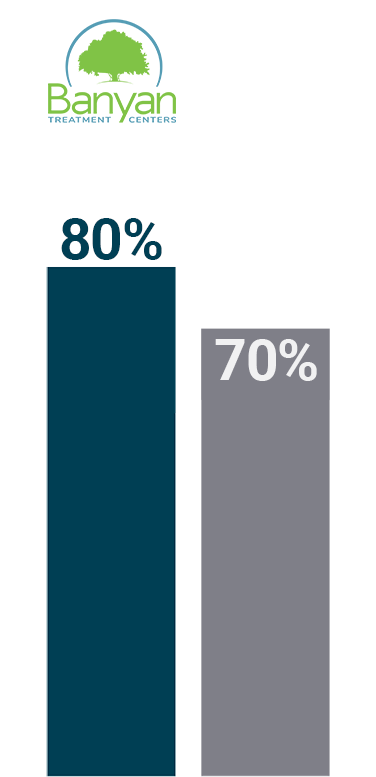
Completion Rate
Meth Addiction Treatment at Banyan
Methamphetamine, also referred to as meth, is an extremely addictive stimulant drug that disrupts the central nervous system, causing the brain to develop a chemical dependency on the drug, making it extremely difficult to quit.
A person’s mental and physical health are at risk with a meth addiction, where continued use can cause paranoia, anxiety, and in some cases, psychosis. Meth can strain the heart and cause dehydration, malnutrition, and unsafe behaviors.[3]
While this sounds alarming, those with a methamphetamine addiction can still receive help and start their recovery process. Banyan Treatment Centers offers evidence-based meth addiction treatment with compassion and clinical expertise. Our programs provide medical detox support, therapy, and a full continuum of care.
The Dangers of Meth Use: At-Risk Groups
The following groups are at an especially high risk for severe complications from methamphetamine use:
- Meth is highly addictive, especially for those with prior substance use disorders.[4]
- Meth combined with various drugs can be extremely dangerous. The body may face many consequences from these mixtures.[5]
- Individuals with heart or cardiovascular conditions can face significant issues with meth use. This substance spikes the heart rate and blood pressure, which can directly lead to a stroke, cardiac arrest, and heart attacks.[6]
- Those with lung conditions or asthma who partake in meth use may have worsened health issues.[7] Additionally, severe dehydration can cause kidney failure and exacerbate other medical problems.[8]
- Pregnant individuals as both the parent and the fetus are at serious risks with meth use. Developmental problems can occur for the child, low birth weight, premature birth, not to mention pregnancy complications.
- Those with mental disorders are at risk with using meth. This can amplify the pre-existing conditions to an extreme degree.[10]
- For individuals who have previously required medical attention due to stimulant intoxication, drug use, or overdose can experience recurrence of these events with the use of meth.
Severe health risks like overdose are common with meth use.[11] If you or someone you know identifies with these factors, seeking information and support from a healthcare professional is a great step toward safety.
Meth Addiction Signs to Watch Out for
Understanding the signs of methamphetamine use can be crucial for recognizing when someone needs help.
Physical signs
- Significant weight loss or appetite suppression[22]
- Insomnia or staying awake for long periods
- Dilated pupils
- Rapid heart rate or palpitations
- High blood pressure symptoms (headaches, dizziness)
- Excess sweating or overheating
- Tremors or jittery movements
- Skin sores from picking or scratching
- Dental problems (“meth mouth”)[23]
- Frequent nosebleeds (if snorted) or injection marks (if injected)
Behavioral signs
- Isolation, secrecy, or withdrawing from loved ones
- Increased impulsivity, aggression, or risk-taking behavior
- Financial problems or sudden borrowing/stealing
- Neglecting responsibilities at work, school, or home
- Staying awake for days followed by long “crash” periods
- Changes in social circle, lying about whereabouts, hiding drug use
- Legal issues or unsafe driving/behavior
Psychological signs
- Strong cravings and obsessive focus on using meth
- Anxiety, agitation, or irritability
- Mood swings (euphoria → depression/crash)
- Paranoia or suspicious thinking
- Hallucinations or psychotic symptoms (in severe cases)[24]
- Depression, hopelessness, or suicidal thoughts during crash/withdrawal[25]
If you recognize multiple signs, a professional assessment can determine the safest level of care.
What Makes Meth Addictive?
Methamphetamine creates intense and powerful signals of pleasure that our brains are not designed to handle.
Meth triggers an unnatural release of dopamine, training the brain to associate the drug with intense reward. This leads to tolerance, dependence, and compulsive cravings.[12]
Meth addiction can be considered a chronic medical condition that involves changes in function and brain structure. This is not a character flaw or moral failure.[13]
The Importance of Meth Detox
Detoxification (detox) is what starts the recovery process. Additionally, withdrawal symptoms are supported with detox.
Stimulant withdrawal often comes with a “crash” period that causes severe depression and fatigue.[14] The withdrawal phase can include intense physical and emotional symptoms such as:
- Fatigue and exhaustion
- Anxiety and depression
- Intense cravings
- Insomnia/hypersomnia
- Suicidal thoughts
Programs for medical detox provide security with 24/7 support and monitoring. Our team at Banyan is highly qualified to manage these symptoms while ensuring the patient is comfortable and safe. This is vital to prevent relapse due to the urge to relieve withdrawal distress.
Once completing the detox phase, individuals can devote attention to therapy and skill-building. The long-term recovery is in the comprehensive treatment that follows detox.
How Methamphetamine Addiction Is Treated
For successful recovery beyond the detox phase, assessments are needed to examine mental health concerns, substance use history, physical health, and any immediate safety risks. The team then creates an individualised treatment plan based on severity, environment, relapse history, behavioral therapy, and structured group therapy.
Evidence-based behavioral therapies such as cognitive behavioral therapy, dialectical behavior therapy, and motivational interviewing are involved alongside structured group therapy to support skill building, accountability, and connection.[17] Medication may be used to manage co-occurring symptoms, and evidence-based approaches like contingency management can reinforce positive behaviors.[18]
Relapse prevention is highly supported through treatment. The client’s care team will collaborate with them to establish triggers, strengthen coping strategies, set healthy boundaries, make lifestyle changes, and provide sobriety support. If needed, family involvement may be considered. Throughout treatment, transitioning back into daily life is supported by continued therapy and clinical care.
Levels of Care for Meth Addiction Treatment
Medical Detox
Medical detox provides short-term stabilization as meth clears out of the body. Individuals are monitored for dehydration, nutrition, sleep, mood, and cravings. There is also a focus on transition planning, supporting clients into the next phase of care.
Intensive Inpatient Treatment
Intensive inpatient treatment provides a highly structured environment with 24/7 clinical support to help individuals stabilize during early meth recovery. This level of care removes access to meth and daily triggers while focusing on therapy, routine building, sleep stabilization, and emotional regulation after stimulant use. It is especially beneficial for individuals experiencing severe cravings, mental health symptoms, or repeated relapse who need consistent support.
Residential Treatment
Residential treatment arranges a highly structured environment preventing access to meth and triggers. A daily schedule is provided that includes individual therapy, group sessions, peer support, and healthy routines to enhance management for cravings, stress, and emotional challenges in a safe setting.
Partial Hospitalization Program (PHP)
A partial hospitalization program brings intensive care during the day while allowing patients to visit home or to sober living in the evenings.PHP supports individuals practicing daily-life stability while continuing therapy.
Intensive Outpatient Program (IOP)
Intensive outpatient treatment provides flexible care several days a week while allowing availability for work, family, or school responsibilities. Patients continue with therapy, relapse prevention planning, and skill development all while applying this knowledge to real-life situations. Check-ins, accountability measures, and if needed, drug screenings are arranged to further consistency.
Telehealth Treatment
Telehealth treatment implements therapy and recovery support through virtual sessions, most commonly part of a telehealth IOP. This gives better options for flexibility and access while continuing proper care and accountability.
The Role of Mental Health and Co-Occurring Disorders
Meth addiction often overlaps with mental health conditions like anxiety, depression, PTSD, bipolar disorder, ADHD, and stimulant-induced psychosis.[19] Meth is commonly used to cope with emotional distress, trauma, or unstable mood. Untreated symptoms can increase cravings, disrupt sleep, and spike the risk of repeated use.
Dual diagnosis treatment improves long-term recovery while stabilizing mental health and building coping skills.[20] Banyan offers care with comprehensive psychiatric evaluation, ongoing mental health support, and close coordination between treatment providers. A unified approach is offered with recovery planning and therapy medication management if appropriate.
The Importance of a Strong Support Network
Ongoing support is valuable for long-term recovery. Providing encouragement throughout the progress can keep individuals motivated and lessen the chance of relapse.
Healing programs such as family therapy engagement, shared understanding, and connection with loved ones. Support groups allow people with similar challenges to build a sense of belonging. Additional support network programs include alumni programming, sober living environments, and community recovery resources. Alumni programming helps individuals stay connected to peers. Sober living offers a stable, substance-free living situation. Community-based resources reinforce relapse prevention.
Questions about our Facilities or Programs?
Our admissions coordinators are available 24/7 to answer any questions you may have as you consider whether treatment at Banyan is right for you or your loved one.
Is Meth Addiction Treatment Right for Me?
You may benefit from meth addiction treatment if:
- I can’t stop using meth even when I want to
- I experience strong cravings or feel unable to function without it
- I’ve tried to quit but relapsed
- Meth use is affecting my work, school, relationships, or finances
- I’ve experienced paranoia, anxiety, depression, or mood swings
- I’m using more often or in higher amounts than before
- I’m engaging in risky behaviors while using
- I’m worried about my health or overdose risk
You are not alone in your journey of recovery. Completing a professional assessment will help identify the best level of care to put you on the right path forward. Banyan’s admissions team offers confidential support to help you take the next step toward recovery.
Insurance and Admissions Support
It can feel overwhelming taking that first step towards treatment. At Banyan, we offer complete confidentiality for consultations. Every conversation is private and will focus on making you feel comfortable and informed.
Our team can provide step-by-step guidance through the insurance verification process. Any questions you have will be answered and supported. Same-day admissions may be available to help you access care as quickly as possible.
Start Your Recovery Today
Struggling with a meth addiction can feel hopeless at times but it is treatable and recovery is possible with the right support. Individuals are one step away from rebuilding their health, relationships, and sense of purpose. Treatment provides support and guidance to move forward.
Banyan offers customized meth addiction treatment, supporting each step of recovery. From detox and residential care to outpatient services, telehealth, and ongoing aftercare, each phase collaborates to promote lasting change. If you or a loved one is ready to take this next step, Banyon’s team is available to help you begin the recovery process.
Getting into treatment is easy with our free insurance verification
"*" indicates required fields
Frequently Asked Questions
Meth withdrawal is usually not life-threatening but it can increase emotional distress. Symptoms such as anxiety, depression, fatigue and cravings can present during withdrawal.[16] Professional support improves comfort, safety, and engagement in recovery.
Banyan Facilities for Drug, Alcohol, & Mental Health Treatment

Banyan Castle Rock
Located in Castle Rock, CO
Substance Use Inpatient
Mental Health Inpatient
Telehealth Virtual IOP

Banyan Heartland Mental Health & Drug Rehab in Illinois
Located in Gilman, IL
Substance Use Inpatient
Mental Health Inpatient
Substance Use Outpatient
Telehealth Virtual IOP

Banyan Palm Springs
Located in Cathedral City, CA
Substance Use Inpatient
Telehealth Virtual IOP
Getting Into Treatment Is Easy. Here's How to Get Started!

Call Us Anytime
Speak with our compassionate admissions specialists to discuss your situation and explore treatment options.

Initial Assessment
We conduct a thorough evaluation to determine the best level of care tailored to your needs.

Financial Guidance
Our team will verify your insurance coverage and provide transparent cost information.

Begin Your Recovery
Once everything is set, you’ll be welcomed into our program and start your journey toward healing.