

Methadone Addiction Rehab at Banyan
We understand recovery, we can help.
- Personalized, Addiction Treatment Programs for Every Individual
- Masters-level addiction therapists
- In network with most major insurances


★★★★★
4.8 Average Google Rating
Written by: Banyan Editorial Staff | Medically reviewed by: Chief Medical Officer - Dr. Darrin Mangiacarne
Last Updated: January 2026
Medically Reviewed by:

Dr. Darrin Mangiacarne
Chief Medical Officer
At Banyan Treatment Centers, Chief Medical Officer Dr. Darrin Mangiacarne leads our nationwide clinical team with over a decade of addiction medicine experience, helping ensure evidence-based, compassionate care across every level of treatment.
Author / Written by: Banyan Editorial Staff
Medically reviewed by: Dr. Darrin Mangiacarne, CMO
Updated on: April 2026
Ready to take the next step? Verify your insurance.
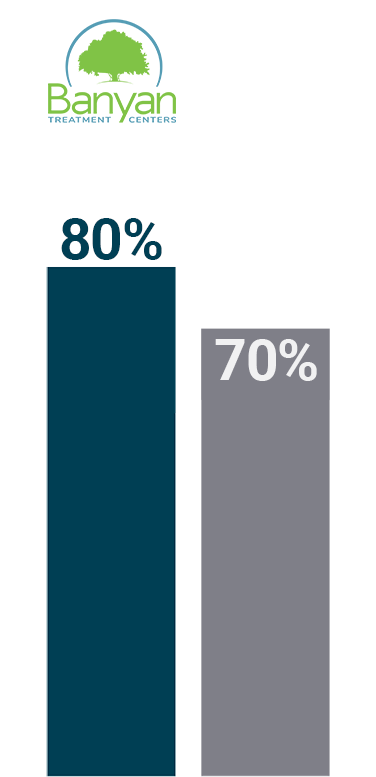
Completion Rate
Methadone Addiction Treatment at Banyan
First developed during World War II due a morphine shortage, methadone is a synthetic opioid that works more slowly and stays in the body longer than other types of opioids.[2]
When taken, the effects of methadone are less intense than those of heroin or other opioids, such as fentanyl.[3] For that reason, and because it takes longer to leave the body, methadone is often used during medication assisted treatment for opioid use disorder.
However, it is possible to become addicted to methadone and to begin to use the drug in an unsafe way, increasing the risk of overdose, drug interactions and breathing difficulties.[5] If you or a loved one started methadone to help with an opioid addiction, but now find that you are struggling with an addiction to the treatment itself, help is available.
Banyan Treatment Centers provide evidence-based methadone addiction treatment, from medically supervised withdrawal and detox to outpatient treatment programs. Help is just a phone call away.
Who Should Not Use Methadone?
While methadone is a common medication used during medication assisted treatment, and has been used as such since the 1950s, it is not without its risks.
Methadone should only be used under direct medical supervision and with a prescription. If you have a history of substance use disorder or are currently using other drugs, including alcohol, benzos or other opioids, methadone may not be the treatment option for you, as it can increase the risks of those drugs.
The same is true if you have a respiratory condition or liver disease. While people who are pregnant can use methadone safely, its use must be managed medically to protect the fetus and ongoing pregnancy.
If you are living with a mental health condition, methadone may not be right for you. The same is true if you have a history of overdose, as the drug can lead to an increased risk of overdosing.
Always talk to a medical professional before starting or continuing methadone to treat opioid use disorder.
Signs of Methadone Addiction
The signs of methadone addiction are similar to the signs of addiction to other forms of opioids, and usually take three forms: physical, behavioral and psychological.
Physical signs
Physical signs of a dependence on methadone include:
- Constipation
- Nausea, particularly when the drug is stopped
- Drowsiness or sedation
- Pinpoint pupils
- Slowed breathing
- Sweating
Behavioral signs
Methadone is meant to be taken orally, and under medical supervision. Certain behavioral signs can indicate that a person is using more than prescribed and developing an addition:
- Visiting multiple doctors to get a prescription, aka "doctor shopping"
- Running out of the drug early
- Injecting methadone, rather than taking it orally
- Mixing substances
- Isolating oneself or being secretive
- Neglecting responsibilities
Psychological signs
On the psychological level, some signs that a person has developed an dependence on methadone include:
- Anxiety or irritability
- Depression
- Obsession with or intense focus on taking methadone
- Cravings for the drug
Withdrawal symptoms, such as nausea or diarrhea, are usually a sure sign that someone has developed a dependence on methadone and needs help. Whether you or a loved one is displaying physical, behavioral or psychological signs of addiction, a professional assessment allows you to start a treatment program that is tailored to your needs.
Why Is Methadone Addictive?
Methadone may act slightly differently than other opioids, but it is still an opioid. That means using the drug does change the chemical make-up of the brain.
When taken orally or injected, methadone binds to opioid receptors in the brain, changing how the body responds to pain. With prolonged use, or overuse, the drug permanently changes how the brain works, making it dependent on the presence of methadone.
For this reason, doctors often start patients on the smallest dose of methadone possible during addiction treatment.
The Importance of Methadone Detox
The first step if you want to stop taking methadone safely is to go through medically supervised withdrawal or detoxification. During methadone detox, a medical professional closely monitors you and your symptoms, which can be particularly intense due to the drug's long half-life.
While withdrawing from methadone, it's common to experience dehydration, as well as symptoms such as vomiting, nausea and diarrhea. Having a medical professional at hand can help you get through the discomfort of the symptoms and reduces the risk of relapse, allowing you to move on to the first phase of methadone addiction treatment.
How Methadone Addiction Is Treated
Treatment for methadone addiction typically begins with a comprehensive assessment. During the assessment, a medical professional will learn about your history of substance use, as well as any mental health conditions you may be living with. From there, they will put together an individualized treatment plan, with an emphasis on therapy and relapse prevention.
Depending on your specific needs and situation, your treatment may include
- Medication assisted treatment or medication support with an option that is not methadone, such as buprenorphine or naltrexone.
- Behavioral therapies, such as CBT, DBT, motivational interviewing or group therapy.
- Coping strategies and aftercare planning
The focus of your treatment will be both on helping you overcome the physical dependence on the drug and recognizing the behaviors or triggers that push you to misuse methadone.
Levels of Care for Methadone Addiction Treatment
How much care and support you need during methadone addiction treatment depends on the severity of the addiction. Many patients begin with the most intensive form of treatment, tapering off to part-time or telehealth therapy as they go.
Medical Detox
While not a form of treatment in itself, medical methadone detox is typically the starting point for many people with methadone addiction. During withdrawal management or detoxification, you are under 24/7 supervision and monitoring. The medical professionals who are providing your care work to help you stay comfortable and to minimize your symptoms as the drug exits your system.
They will help to plan the next steps with you as you detox.
Residential Treatment
For many, full-time residential treatment is often the first part of the treatment process. In a residential program, you live in a structured environment, away from any triggers. A daily therapy schedule and medical supervision help you overcome the addiction. Peer support from fellow patients helps you build a strong foundation for the next steps in the recovery process.
Partial Hospitalization Program (PHP)
Following a residential program, it's common for patients to enter PHP, during which they stay at the treatment facility during the day, but return to a sober living facility or their own homes at night.
During PHP, you continue any therapy you began during a residential program, receive ongoing medication management, if necessary, and continue to develop relapse prevention skills.
Intensive Outpatient Program (IOP)
Some patients may move to an intensive outpatient program right after leaving residential care or after a PHP. With an IOP, you visit the treatment center several times a week for therapy. On the days when you are not at the treatment center, you have the opportunity to practice your coping skills in a real-life setting. Clinical support is there for you should you need it.
Telehealth Treatment
Virtual or telehealth therapy may be the right choice for patients who live far from a treatment center but would still benefit from ongoing care once they leave residential treatment or a PHP.
Virtual therapy can also be beneficial for people who have undergone the phases of treatment but find themselves, months or years later, in need of some "top up" support.
The Role of Mental Health and Co-Occurring Disorders
Since methadone misuse often overlaps with mental health conditions such as depression, bipolar disorder or post-traumatic stress disorder, many patients benefit from dual diagnosis methadone addiction treatment. Treating both concerns simultaneously often improves outcomes and reduces the risk of relapse.
The Importance of a Strong Support Network
If you began using methadone as part of a treatment program for another type of opioid use disorder, you may be familiar with the benefit and value of having a strong support network as you begin treatment for methadone addiction.
Whether it's a peer group, fellow alumni, a sober living facility or your family and other loved ones, having people in your corner can help to prevent a relapse and support your long-term recovery.
Questions about our Facilities or Programs?
Our admissions coordinators are available 24/7 to answer any questions you may have as you consider whether treatment at Banyan is right for you or your loved one.
Is Methadone Addiction Treatment Right for Me?
You may have begun methadone to help kick another addiction, but now find you've become addicted to it. Some signs that you'd benefit from methadone addiction treatment include:
- You experience withdrawal symptoms when you stop using the drug.
- You have strong cravings for methadone.
- You can't stop using methadone
- You have a history of relapse with opioids
- You're beginning to experience negative consequences from methadone use, whether in your work, relationships, health or with the law
- You're mixing substances
To determine the level of care that's right for you, talk to a medical professional for a thorough assessment.
Insurance and Admissions Support
Banyan Treatment Centers wants you to receive the compassionate support and comprehensive care you deserve to safely address methadone addiction. Whether methadone began as part of a treatment plan or has become something you feel dependent on, our team understands the unique challenges that can come with tapering, withdrawal, and long-term recovery.
We know that taking the first step can feel overwhelming. That’s why our confidential admissions process is designed to be simple and supportive. Our team will verify your insurance benefits, explain your coverage clearly, and walk you through your treatment options. If a bed is available and clinically appropriate, we can often facilitate same-day admission to help you begin your recovery journey without delay.
Start Your Recovery Today
Struggling with a methadone addiction can feel hopeless at times but it is treatable and recovery is possible with the right support. Individuals are one step away from rebuilding their health, relationships, and sense of purpose. Treatment provides support and guidance to move forward.
Banyan offers customized methadone addiction treatment, supporting each step of recovery. From detox and residential care to outpatient services, telehealth, and ongoing aftercare, each phase collaborates to promote lasting change. If you or a loved one is ready to take this next step, Banyan’s team is available to help you begin the recovery process.
Getting into treatment is easy with our free insurance verification
"*" indicates required fields
Frequently Asked Questions
Banyan Facilities for Drug, Alcohol, & Mental Health Treatment

Banyan Castle Rock
Located in Castle Rock, CO
Substance Use Inpatient
Mental Health Inpatient
Telehealth Virtual IOP

Banyan Heartland Mental Health & Drug Rehab in Illinois
Located in Gilman, IL
Substance Use Inpatient
Mental Health Inpatient
Substance Use Outpatient
Telehealth Virtual IOP

Banyan Palm Springs
Located in Cathedral City, CA
Substance Use Inpatient
Telehealth Virtual IOP
Getting Into Treatment Is Easy. Here's How to Get Started!

Call Us Anytime
Speak with our compassionate admissions specialists to discuss your situation and explore treatment options.

Initial Assessment
We conduct a thorough evaluation to determine the best level of care tailored to your needs.

Financial Guidance
Our team will verify your insurance coverage and provide transparent cost information.

Begin Your Recovery
Once everything is set, you’ll be welcomed into our program and start your journey toward healing.