




Medically Reviewed by:

Dr. Darrin Mangiacarne
Chief Medical Officer
At Banyan Treatment Centers, Chief Medical Officer Dr. Darrin Mangiacarne leads our nationwide clinical team with over a decade of addiction medicine experience, helping ensure evidence-based, compassionate care across every level of treatment.
Author / Written by: Banyan Editorial Staff
Medically reviewed by: Dr. Darrin Mangiacarne, CMO
Updated on: May 2026
Written by: Banyan Editorial Staff | Medically reviewed by: Dr. Darrin Mangiacarne - Chief Medical Officer | Edited: February 2026
Fentanyl is a synthetic opioid and a powerful prescription opioid developed initially for severe pain management. Today, illicit fentanyl is widely present in the drug supply and is often mixed into other drugs such as heroin, cocaine, stimulants, or counterfeit pills containing substances like oxycodone. Because many individuals do not realize fentanyl is present, the overdose risk is exceptionally high.
At Banyan Treatment Center, our fentanyl detox program provides medically supervised care to help patients safely begin recovery. Detox is designed to manage withdrawal symptoms, monitor symptom severity, and reduce the risk of relapse and overdose. Our goal is to help individuals stabilize physically and emotionally and transition into the next phase of addiction treatment with a strong foundation for long-term recovery.
What Is Fentanyl Detox?
Fentanyl detox (also called a detoxification program) is the medically managed process of helping the body adjust after fentanyl dependence has developed. Because fentanyl affects opioid receptors and brain regulation systems, stopping use can lead to significant discomfort and clinical risks associated with opioid withdrawal.
A fentanyl detox program typically includes clinical assessment, stabilization, and transition planning. Detox is not the same as long-term treatment for opioid use disorder, but it is a critical first step in recovery and relapse prevention.
Why Is Fentanyl So Addictive and Dangerous?
Fentanyl has high abuse potential because it strongly activates the brain’s reward pathways and reinforces repeated use.[1] Over time, tolerance increases, cravings intensify, and dependence develops. Relapse is common without treatment because opioid withdrawal symptoms can be severe and emotionally destabilizing.
Illicit fentanyl is especially dangerous because its potency varies widely. Overdose risk increases further when fentanyl is mixed with alcohol, benzodiazepines, cocaine, heroin, or stimulants.[2]
Some fentanyl analogues are even more potent, which increases the risk of respiratory depression and fatal overdose.[3]
Co-Occurring Disorders Associated With Fentanyl Addiction
Fentanyl addiction frequently overlaps with mental health conditions such as anxiety disorders, depression, PTSD, and bipolar disorder.[9] Some individuals use opioids to self-medicate distress, while others experience worsening mental health as addiction progresses.
Dual diagnosis treatment supports both addiction and mental health needs. Addressing both improves relapse prevention outcomes and supports long-term treatment success.
Who Needs Medically Supervised Fentanyl Detox?
Medically supervised fentanyl detox is strongly recommended for individuals with severe dependence, long-term opioid use disorder, polysubstance use, or co-occurring mental health conditions. It may also be necessary for those who have experienced relapse, overdose, suicidal thoughts, or unstable home environments.
In an inpatient unit, patients receive monitoring and support to manage symptom severity and reduce risk during early withdrawal.
Questions about our Facilities or Programs?
Our admissions coordinators are available 24/7 to answer any questions you may have as you consider whether treatment at Banyan is right for you or your loved one.
Understanding Fentanyl Withdrawal
Fentanyl withdrawal occurs because repeated opioid exposure changes the brain and body over time. From a clinical perspective, opioid withdrawal involves changes in receptor pharmacology, including how opioid receptors respond after fentanyl is removed. When use stops, the nervous system becomes overactive, and withdrawal symptoms emerge as the body attempts to rebalance.
For many patients, understanding symptom severity is vital because withdrawal can feel unpredictable and painful. Opioid withdrawal symptoms may be physical, psychological, or both. Symptom severity may be influenced by dose, duration of use, polysubstance use, overall health, and even factors like body mass index.
Common fentanyl withdrawal symptoms may include muscle and bone pain, anxiety, restlessness, sweating, chills, insomnia, gastrointestinal distress, and cravings. Some individuals experience a runny nose, watery eyes, and flu-like symptoms. Emotional symptoms may include irritability, agitation, and depressed mood.
Withdrawal is not a weakness. It is a medical response to dependence and changes in the body’s opioid system.
Fentanyl Detox Timeline
The fentanyl withdrawal timeline varies based on frequency of use, polysubstance use, mental health conditions, and whether illicit fentanyl exposure occurred alongside other substances. While each person’s experience differs, many patients follow a general timeline.
First 6–12 hours after last use
Early symptoms may begin, including restlessness, anxiety, sweating, chills, cravings, and discomfort.
24–72 hours (acute withdrawal peak)
This period is often the most severe. Many patients experience intense withdrawal symptoms such as nausea, vomiting, diarrhea, insomnia, elevated heart rate, increased blood pressure, and severe pain. This phase carries a high relapse risk.
Days 3–7
Physical symptoms may begin to improve for most patients, but sleep disruption, mood changes, fatigue, and cravings can persist.
1–2 weeks (acute phase continues)
Symptoms may persist, including anxiety, depression, irritability, and disrupted sleep.
Weeks to months (PAWS / protracted withdrawal)
Some individuals experience post-acute withdrawal symptoms, including low mood, anxiety, sleep issues, and cravings. Continued treatment supports stability and long-term recovery.
When Is It Time to Seek Fentanyl Detox?
People often delay detox due to fear, shame, or failed attempts to quit on their own. Some individuals attempt to stop abruptly and relapse due to withdrawal discomfort. Because fentanyl overdose can occur quickly, seeking help early is medically essential.
It may be time to seek fentanyl detox if an individual experiences withdrawal symptoms between uses, cannot stop despite adverse consequences, or uses fentanyl to avoid withdrawal. Declining functioning, relationship strain, increased anxiety, and risky behaviors may also signal that treatment is needed.
Common Signs and Symptoms of Fentanyl Use
Because fentanyl is a potent opioid, signs of use can appear quickly and may become more noticeable as dependence develops. If you are concerned about a loved one, the following symptoms and behaviors may be warning signs of fentanyl addiction or opioid misuse:
Physical symptoms
- Extreme drowsiness or “nodding off”
- Slowed breathing or shallow breathing
- Pinpoint pupils
- Slurred speech
- Poor coordination or unsteady walking
- Nausea or vomiting
- Itching or flushed skin
- Constipation and appetite changes
Behavioral and emotional signs
- Sudden secrecy, isolation, or withdrawal from family/friends
- Mood swings, irritability, or increased anxiety
- Changes in sleep patterns (sleeping excessively or insomnia)
- Declining performance at work or school
- Loss of interest in responsibilities or hobbies
- Financial problems or an unexplained need for money
- Lying about substance use or becoming defensive when questioned
- Risk-taking behaviors or impaired judgment
Signs of opioid dependence
- Needing more fentanyl to feel the same effect (tolerance)
- Using fentanyl to feel “normal” or avoid withdrawal symptoms
- Withdrawal symptoms when fentanyl is not available
- Continuing to use despite negative consequences
If these signs are present, seeking help early can reduce the risk of overdose and improve long-term recovery outcomes.
Managing Fentanyl Withdrawal: Clinical Support, Monitoring, and Medications
Fentanyl detox requires individualized care. Most patients benefit from medical monitoring, symptom relief, and structured clinical support throughout withdrawal.
A key part of detox is monitoring symptom severity using standardized tools. Many inpatient programs use the Clinical Opioid Withdrawal Scale (COWS) to track opioid withdrawal symptoms and guide medication decisions. This helps clinicians adjust treatment safely and effectively throughout the initiation of detox.
Medications and Supportive Care Used During Fentanyl Detox
Medication / Support Type | Purpose | How It Helps |
24/7 monitoring (inpatient) | Safety | Supports early detection of complications and severe symptoms |
Buprenorphine | Withdrawal stabilization | Helps reduce cravings and withdrawal symptoms |
Methadone | Severe opioid dependence stabilization | May support patients with higher symptom severity |
Supportive medications | Symptom relief | Can help with nausea, insomnia, anxiety, pain, and restlessness |
Hydration and nutrition | Physical stabilization | Supports healing and recovery |
Relapse prevention post-detox | Blocks opioid effects after detox is complete |
Important Note on Safety
Detoxing from fentanyl at home is not recommended. Withdrawal symptoms and cravings increase relapse risk, and relapse after reduced use increases overdose risk. Professional detox provides monitoring, stabilization, and clinical support when symptoms are most severe.
* Banyan’s detox treatment plans vary by location.
What to Expect When Starting Fentanyl Detox
Starting fentanyl detox can feel overwhelming for individuals and families. The process begins with admissions support, insurance verification, and clinical assessment. Upon arrival, patients receive screening, withdrawal monitoring, and stabilization support.
Most patients are introduced to the next phase of treatment early. Transition planning begins during detox to reduce relapse risk and support long-term recovery.
What Happens After Fentanyl Detox?
Detox stabilizes the body but does not resolve the underlying causes of fentanyl addiction. Continued treatment supports long-term recovery by addressing cravings, triggers, emotional regulation, and relapse prevention.
After detox, continued treatment supports relapse prevention and healing. Ongoing care may include CBT, group therapy, family therapy, and structured recovery planning. Continued treatment helps patients manage cravings, rebuild coping skills, and address co-occurring mental health conditions.
Fentanyl Detox at Banyan Treatment Center
Banyan Treatment Center provides medically supervised fentanyl detox in a structured environment designed for safety and stabilization. Treatment plans are individualized based on medical history, opioid use disorder severity, and co-occurring conditions. The detox team supports transition planning into continued treatment to build a strong foundation for long-term recovery.
Levels of Care After Detox
Detox is only the first step in recovery from fentanyl addiction. After withdrawal symptoms are stabilized, continued treatment is essential for addressing cravings, triggers, relapse risk, and the behavioral patterns connected to opioid use disorder. The appropriate level of care depends on symptom severity, relapse history, co-occurring mental health needs, and stability in the home environment.
Inpatient Treatment
Inpatient treatment provides a structured, live-in environment with 24/7 support and daily clinical programming. This level of care helps individuals build early recovery stability by removing access to fentanyl and other drugs, reducing exposure to triggers, and reinforcing relapse prevention strategies. Inpatient care is often recommended for those with severe fentanyl addiction, polysubstance use, or a history of relapse or overdose.
Partial Hospitalization Program (PHP)
PHP offers intensive treatment during the day while allowing individuals to return home or to supportive housing in the evenings. This level provides frequent therapy, continued clinical oversight, and structured support while patients strengthen coping skills and recovery routines. PHP can be an effective step-down from inpatient treatment or a strong option for individuals who need intensive care but do not require 24/7 residential supervision.
Intensive Outpatient Program (IOP)
IOP allows individuals to participate in structured therapy multiple days per week while living at home. This level of care helps patients continue building relapse prevention skills, manage cravings, and address mental health symptoms while gradually returning to work, school, and family responsibilities. IOP is often beneficial for individuals transitioning from higher levels of care or those who need ongoing support while rebuilding independence.
Telehealth Intensive Outpatient Program (IOP)
A Telehealth Intensive Outpatient Program (IOP) offers structured, evidence-based treatment through virtual sessions multiple times per week, allowing individuals to receive care from the comfort of home while maintaining work, family, or personal responsibilities. Telehealth IOP can be an effective option for fentanyl addiction treatment, providing consistent therapy, accountability, and clinical support without the need for in-person attendance. This level of care helps individuals manage cravings, build coping skills, and navigate real-world stressors as they continue their recovery journey. Availability and treatment structure may vary by Banyan location.
Insurance and Fentanyl Detox
Insurance coverage is one of the most common concerns for individuals and families seeking fentanyl detox. Banyan Treatment Center works with many insurance providers to help make detox and continued addiction treatment more accessible. Our admissions team can assist with insurance verification and explain available options in a clear and supportive way.
During the admissions process, we can help patients understand what services may be covered, what out-of-pocket costs may apply, and what treatment options are available based on coverage and clinical needs. Because fentanyl addiction can escalate quickly and overdose risk is high, confirming insurance and beginning treatment as soon as possible can be an important step toward safety and recovery.
Take the First Step Toward Recovery
Fentanyl addiction is life-threatening, but recovery is possible with professional treatment and ongoing support. Many individuals and families feel overwhelmed at the beginning of this process, but seeking help early can significantly reduce medical risks and improve long-term outcomes. Detox provides the opportunity to stabilize safely, manage withdrawal symptoms, and begin recovery in a structured setting.
At Banyan Treatment Center, we provide medically supervised fentanyl detox along with a full continuum of care to support long-term recovery. Our team is available to help individuals and loved ones understand treatment options, verify insurance, and take the next step toward healing. Contact Banyan Treatment Center today to learn more about fentanyl detox and begin the admissions process.
Getting into treatment is easy with our free insurance verification
"*" indicates required fields
Frequently Asked Questions
Getting Into Treatment Is Easy. Here's How to Get Started!

Call Us Anytime
Speak with our compassionate admissions specialists to discuss your situation and explore treatment options.

Initial Assessment
We conduct a thorough evaluation to determine the best level of care tailored to your needs.

Financial Guidance
Our team will verify your insurance coverage and provide transparent cost information.

Begin Your Recovery
Once everything is set, you’ll be welcomed into our program and start your journey toward healing.
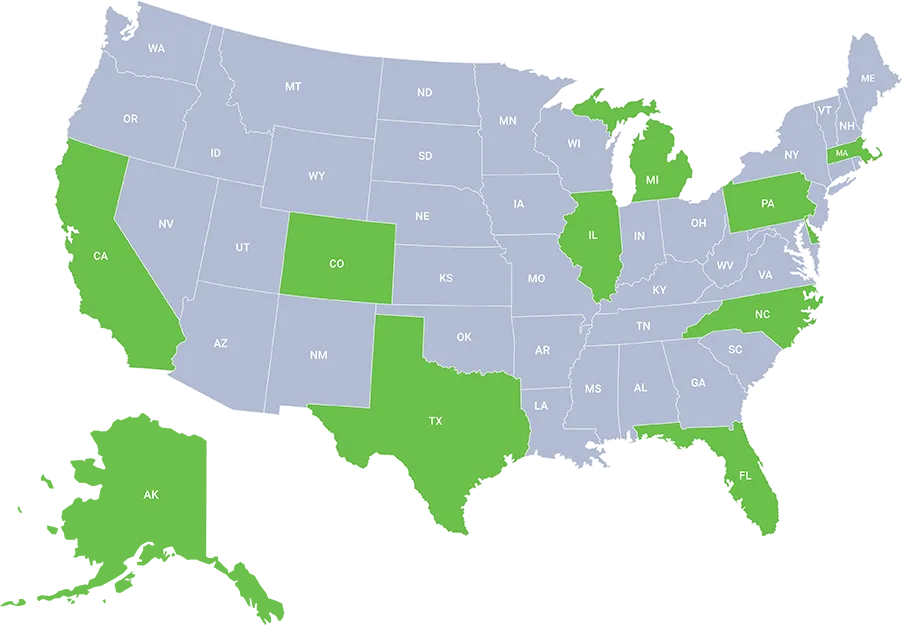
Banyan Detox Facilities for Drug and Alcohol

Banyan Heartland Mental Health & Drug Rehab in Illinois
Located in Gilman, IL
Substance Use Inpatient
Mental Health Inpatient
Substance Use Outpatient
Telehealth Virtual IOP

Banyan Palm Springs
Located in Cathedral City, CA
Substance Use Inpatient
Telehealth Virtual IOP

Banyan Castle Rock
Located in Castle Rock, CO
Substance Use Inpatient
Mental Health Inpatient
Telehealth Virtual IOP

Banyan Delaware
Located in Milford, DE
Substance Use Inpatient
Substance Use Outpatient

Banyan Texas
Located in Waelder, TX
Substance Use Inpatient
Telehealth Virtual IOP

Banyan Stuart
Located in Stuart, FL
Substance Use Inpatient
Telehealth Virtual IOP

Banyan Gulf Breeze
Located in Gulf Breeze, FL
Substance Use Inpatient
Substance Use Outpatient
Mental Health Outpatient
Telehealth Virtual IOP

Banyan Boca
Located in Boca Raton, FL
Mental Health Inpatient
Telehealth Virtual IOP

Banyan Sebring
Located in Sebring, FL
Substance Use Inpatient
Mental Health Inpatient
Telehealth Virtual IOP

Clearbrook Pennsylvania
Located in Laurel Run, PA
Substance Use Inpatient
Substance Use Outpatient
Mental Health Inpatient
Telehealth Virtual IOP

Clearbrook Massachusetts
Located in Baldwinville, MA
Substance Use Inpatient
Mental Health Inpatient

Behavioral Health
of the Palm Beaches
Located in Lake Worth, FL
Substance Use Inpatient
Substance Use Outpatient
Mental Health Inpatient
Telehealth Virtual IOP