

Medically Reviewed by:

Dr. Darrin Mangiacarne
Chief Medical Officer
At Banyan Treatment Centers, Chief Medical Officer Dr. Darrin Mangiacarne leads our nationwide clinical team with over a decade of addiction medicine experience, helping ensure evidence-based, compassionate care across every level of treatment.
Author / Written by: Banyan Editorial Staff
Medically reviewed by: Dr. Darrin Mangiacarne, CMO
Updated on: May 2026
IN IMMEDIATE CRISIS?
988 Suicide & Crisis Lifeline
Call or text 988 · 24/7
Alcoholics Anonymous Meetings
Find a local meeting
MASSACHUSETTS LOCATION
Clearbrook Massachusetts
Baldwinville, MA · Serving Worcester County

• Accepting Admissions Now
| Mental Health Addiction | Yes Yes |
| Inpatient Outpatient | Yes No |
| Dual diagnosis | Yes — integrated |
| Accreditation | Joint Commission |
Most insurances accepted
ADDICTION & DUAL DIAGNOSIS TREATMENT IN MASSACHUSETTS
Finding Comprehensive Addiction and Dual Diagnosis Treatment in Massachusetts
Massachusetts has long been recognized as a national leader in healthcare innovation, but its behavioral health landscape tells a more complicated story. From the dense urban neighborhoods of Boston and Worcester to the quieter communities of the Pioneer Valley and Cape Cod, residents across the Commonwealth face significant and often undertreated challenges with mental health disorders, substance use disorder, and the intersection of the two. Massachusetts was among the first states to declare the opioid epidemic a public health emergency, and decades later, the crisis continues to evolve, now driven by synthetic opioids and compounded by a mental health system under severe strain. Understanding the full scope of these challenges, and knowing where to find integrated care, is essential for residents and families seeking a path forward.
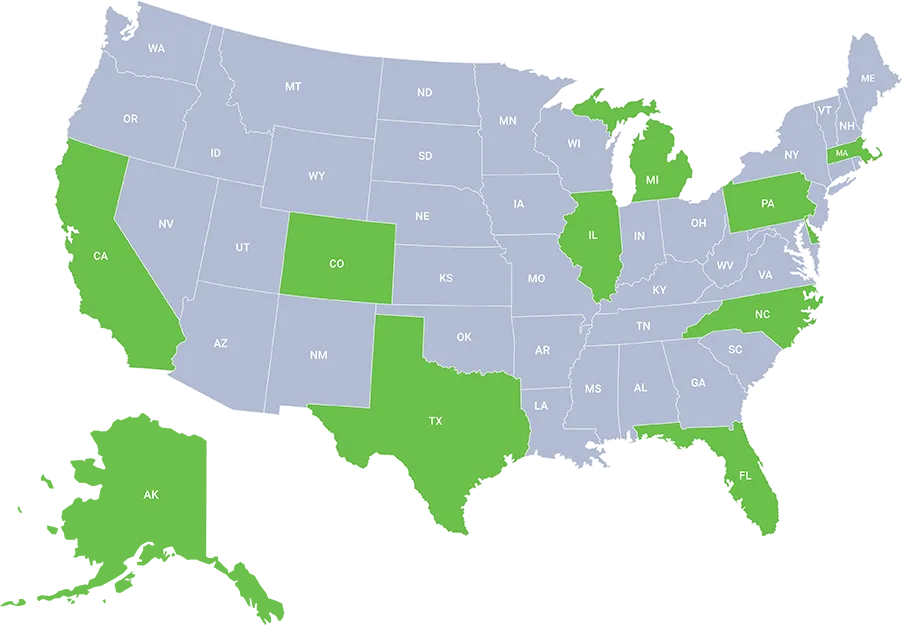
1 Banyan Location in Massachusetts Addiction Treatment & Mental Health
Virtual Care Throughout The State
Addiction and Mental Health in Massachusetts
The substance use and mental health crises in Massachusetts are deeply intertwined. The state has one of the highest rates of opioid overdose deaths per capita in the nation, and its mental health system — despite significant investment — continues to struggle with provider shortages, long wait times, and gaps in access to integrated dual diagnosis care. According to the Massachusetts Department of Public Health's Chapter 55 report, the state recorded more than 2,300 confirmed and estimated opioid overdose deaths in 2022, with fentanyl present in the overwhelming majority of cases. Behind those numbers are thousands of individuals whose addiction is rooted in unaddressed trauma, untreated psychiatric illness, and a lack of access to the kind of integrated care that treats both conditions simultaneously.
Alcohol use disorder remains one of the most prevalent and undertreated conditions in Massachusetts. SAMHSA's state-level data consistently show that Massachusetts adults report high rates of binge and heavy drinking, with alcohol-related emergency department visits, hospitalizations, and fatalities placing an ongoing burden on the Commonwealth's health system. Because alcohol use disorder often co-occurs with depression, anxiety, and PTSD, it is frequently a presenting feature in individuals seeking dual diagnosis treatment.
Stimulant use, including cocaine and methamphetamine, has increased across Massachusetts alongside the fentanyl crisis. Stimulants have appeared in a growing share of Massachusetts overdose toxicology reports, often in combination with fentanyl — a trend that significantly complicates both emergency response and treatment. Co-occurring stimulant use and psychiatric illness, particularly psychosis, depression, and bipolar disorder, are increasingly common in treatment-seeking populations across the state.
Among Massachusetts youth, mental health challenges and substance use are increasingly co-occurring, with adolescent rates of anxiety, depression, and cannabis use all rising in recent years. Early intervention and access to youth-specific mental health and substance use services are critical to preventing the progression of these conditions into adulthood.
Opioid Overdose Deaths in Massachusetts (2022)
2,300+ Deaths
Massachusetts Opioid Overdose Death Rate Nationally
Top 10 Nationally
CDC National Center for Health Statistics
Massachusetts Adults with Co-Occurring Disorders
19% of State
Questions about our Facilities or Programs?
Our admissions coordinators are available 24/7 to answer any questions you may have as you consider whether treatment at Banyan is right for you or your loved one.
We understand treatment, we can help.
The Biggest Addiction Issue in Massachusetts
Massachusetts has confronted substance use disorder at a statewide level for decades, but the current crisis, defined by synthetic opioids, rising stimulant use, and a mental health system stretched beyond capacity, presents new and urgent challenges. The relationship between addiction and mental health in Massachusetts is not incidental: state data consistently show that a significant proportion of individuals with substance use disorder also carry an undiagnosed or undertreated psychiatric condition, making integrated dual diagnosis treatment not a specialty but a necessity.
Massachusetts was among the hardest-hit states during the initial prescription opioid crisis of the early 2000s, and its overdose landscape has since been transformed by the rise of illicitly manufactured fentanyl. Fentanyl is estimated to be 50 to 100 times more potent than morphine and is now present in the vast majority of the state's illicit drug supply — found in counterfeit pills, heroin substitutes, cocaine, and stimulants. Fentanyl was detected in more than 90% of Massachusetts opioid overdose deaths in recent years, making it the defining feature of the state's overdose crisis. Medication-assisted treatment using buprenorphine, methadone, or naltrexone remains the evidence-based standard of care for opioid use disorder and is available through licensed providers across the Commonwealth.
Alcohol use disorder is one of the most common forms of addiction in Massachusetts and one of the most frequently overlooked. Many individuals with alcohol dependency present as high-functioning, maintaining careers and family lives while their physical and psychological health deteriorates. Long-term heavy alcohol use is associated with liver cirrhosis, cardiovascular damage, neurological impairment, and significantly elevated rates of depression, anxiety, and suicidal ideation — all of which are prevalent in Massachusetts. Because alcohol withdrawal can produce medically dangerous symptoms, including seizures, professionally supervised medical detox is essential for anyone with a history of heavy or prolonged alcohol use.
Cocaine and methamphetamine use have increased substantially across Massachusetts in recent years, driven in part by changes in the regional drug supply and the growing presence of stimulants in communities previously dominated by opioid use. Chronic stimulant use causes significant neurological damage, including impaired memory, disrupted impulse control, and drug-induced psychosis — symptoms that frequently mirror or exacerbate underlying psychiatric conditions. The overlap between stimulant use disorder and co-occurring mental illness, particularly bipolar disorder, schizophrenia, and major depression, makes integrated dual diagnosis treatment especially important for this population.
Massachusetts was among the early states to legalize recreational cannabis, and while the policy shift has generated significant tax revenue and reduced certain criminal justice burdens, it has also contributed to rising rates of cannabis use disorder — particularly among young people. Cannabis use disorder affects an estimated 9% of adults who use the drug, rising to approximately 17% among those who begin in adolescence. For Massachusetts youth already struggling with anxiety or depression, heavy cannabis use is associated with worsened psychiatric outcomes and greater long-term risk of substance use disorder.
Let's break the stigma, together.
Mental Health Challenges in Massachusetts
Massachusetts has a well-developed healthcare infrastructure, but its mental health system faces a crisis of access, capacity, and integration that affects residents across every demographic. Mental Health America ranks Massachusetts among states with higher rates of mental illness and significant gaps in access to care, despite the state's overall healthcare reputation. Mental health treatment bed shortages, long wait times for outpatient therapy, and a persistent shortage of providers who accept public insurance have left many Massachusetts residents without timely access to the mental health care they need, driving some toward self-medication with alcohol and other substances.
Depression and anxiety are the most commonly reported mental health conditions among Massachusetts adults, affecting individuals across all income levels, age groups, and geographies. The high cost of living in greater Boston and other urban areas, combined with academic and professional pressure, housing instability, and the lingering effects of the COVID-19 pandemic, have deepened these trends statewide. The pandemic produced lasting and well-documented increases in depression and anxiety nationwide, with effects that have been especially pronounced among young adults, essential workers, and communities of color in Massachusetts.
Trauma is a significant and often underappreciated driver of both mental illness and substance use disorder in Massachusetts. Massachusetts has a substantial veteran population, many of whom manage post-traumatic stress disorder alongside co-occurring substance use disorder. Survivors of community violence, domestic abuse, and adverse childhood experiences are also at elevated risk for PTSD — and without trauma-informed, integrated behavioral health treatment, many cycle through the emergency system without ever receiving care that addresses the root causes of their distress.
Serious mental illnesses, including bipolar disorder and schizophrenia spectrum disorders, are among the most challenging to treat in Massachusetts, where psychiatric inpatient beds have been in short supply for years. The Commonwealth has made significant investments in behavioral health system reform, but individuals with serious mental illness — particularly those with co-occurring substance use disorder — continue to face significant barriers to accessing timely, appropriate, and sustained care.
Despite being the most populous state in the country, Massachusetts has a significant provider shortage, particularly for psychiatry and inpatient behavioral health services. Rural communities, including those in the Coachella Valley and surrounding desert regions, face compounded barriers, including distance, limited public transportation, and fewer Spanish-language treatment options.
Addiction and Mental Health Treatment Options in Massachusetts
Massachusetts offers a range of treatment options for individuals seeking help with substance use disorder, mental health conditions, and co-occurring disorders, including:
- Detoxification Programs: Medically supervised detox provides a safe, monitored environment for managing withdrawal from alcohol, opioids, benzodiazepines, and other substances. Medical detox is often the essential first step before transitioning into a residential or outpatient program.
- Inpatient Rehabilitation: Residential treatment programs provide 24/7 structured care combining individual therapy, group counseling, psychiatric support, and life skills development for individuals with moderate to severe addiction, mental illness, or both.
- Mental Health Residential Treatment: For individuals whose primary diagnosis is a psychiatric condition — including mood disorders, trauma-related disorders, and psychotic disorders — residential mental health treatment provides intensive, structured support in a therapeutic environment with daily clinical oversight.
- Partial Hospitalization Programs (PHP): PHP offers intensive clinical programming during the day while allowing clients to return to a stable living environment in the evenings — appropriate as a step down from residential care or as a primary level of care for those who do not require inpatient treatment.
- Intensive Outpatient Programs (IOP): IOP provides multiple days per week of structured therapy and clinical support, offering flexibility for individuals managing treatment alongside work, family, or educational commitments.
- Medication-Assisted Treatment (MAT): MAT combines FDA-approved medications such as buprenorphine, methadone, or naltrexone with behavioral therapy to treat opioid and alcohol use disorders. MAT is evidence-based and has been shown to significantly reduce overdose mortality and improve treatment retention.
- Dual Diagnosis Treatment: Integrated programs that treat substance use disorder and co-occurring mental health conditions simultaneously — rather than in sequence — are the gold standard for individuals with complex behavioral health needs, and are especially critical in Massachusetts given the high prevalence of co-occurring disorders.
- Aftercare and Continuing Care: Long-term recovery from both addiction and mental illness requires sustained support. Aftercare planning, peer recovery coaching, alumni programming, and community referrals are essential components of any comprehensive treatment program.
Rehab and Mental Health Treatment Success Rates in Massachusetts
- Inpatient Rehab and Residential Treatment: Completion rates for residential programs typically range from 50% to 70%, with stronger outcomes observed in programs offering individualized treatment planning, integrated mental health care, and robust therapeutic support.
- Outpatient Programs: Success rates for outpatient treatment range from 35% to 50%, with outcomes improving significantly when clients have stable housing, consistent clinical support, and strong social networks.
- Medication-Assisted Treatment (MAT): MAT demonstrates success rates of up to 70% when integrated with counseling, psychiatric support, and peer recovery services — making it one of the most effective tools available for opioid and alcohol use disorders in Massachusetts.
- Dual Diagnosis Treatment: Integrated dual diagnosis treatment consistently outperforms sequential or parallel treatment models for individuals with co-occurring substance use and mental health disorders, with better long-term outcomes across both conditions.
Our Massachusetts Facility — Clearbrook Massachusetts
Clearbrook Massachusetts offers comprehensive inpatient treatment for adults struggling with addiction, mental health disorders, and co-occurring conditions. In a state where the demand for integrated behavioral health care consistently exceeds available resources, Clearbrook Massachusetts provides a structured, clinically intensive residential environment where individuals can focus fully on recovery — with expert support addressing both the psychiatric and substance use dimensions of their condition. Key features of our facility include:
- Medically Monitored Detox: Our medical detox program provides around-the-clock supervision and evidence-based withdrawal management to ensure a safe and supported detox experience. Our clinical team addresses both the physical and psychological dimensions of withdrawal with individualized, compassionate care.
- Residential Addiction Treatment: Our structured inpatient addiction program combines individual therapy, group counseling, psychoeducation, and life skills development in a therapeutic environment built for sustained recovery. Each client works with a multidisciplinary team of licensed clinicians and addiction specialists.
- Residential Mental Health Treatment: Clearbrook Massachusetts offers dedicated inpatient mental health treatment for adults managing mood disorders, anxiety disorders, trauma-related conditions, psychotic disorders, and other psychiatric diagnoses — with daily clinical support from our licensed treatment team. This program treats mental health conditions as a primary diagnosis, not an afterthought.
- Dual Diagnosis and Co-Occurring Disorder Treatment: Our integrated dual diagnosis programming addresses the intersection of substance use and mental health conditions simultaneously, ensuring that clients receive comprehensive care targeting the underlying factors driving both addiction and psychiatric illness.
- Individualized Treatment Plans: Every client receives a treatment plan tailored to their specific clinical history, psychiatric needs, and recovery goals. No two presentations are identical, and our care reflects that.
- Therapeutic Activities: Mindfulness practices, physical wellness programming, and experiential therapies help clients develop healthy coping strategies, manage psychiatric symptoms, and rebuild a sense of purpose and balance in their lives.
- Telehealth Services: For clients who require flexibility after discharge or during step-down, telehealth options allow individuals to maintain continuity of clinical and psychiatric care remotely.
- Aftercare Support: Our aftercare planning services connect clients to community mental health resources, peer support networks, outpatient psychiatric providers, and continuing care programs to sustain long-term wellbeing.
Getting into treatment is easy with our free insurance verification
"*" indicates required fields
Why People Have a Hard Time Getting Treatment
- Stigma: Fear of judgment from employers, family members, and social networks remains one of the most significant obstacles to seeking help for both addiction and mental illness — conditions that carry disproportionate stigma despite being recognized medical disorders.
- Mental Health Bed Shortages: Massachusetts has experienced a well-documented shortage of inpatient psychiatric beds for years, leaving individuals in crisis waiting for care in emergency departments or going without the residential treatment they need.
- Cost: The expense of inpatient or residential treatment can be prohibitive, and even insured individuals may face significant out-of-pocket costs. MassHealth covers behavioral health services for eligible residents, and many facilities offer financial assistance or payment planning.
- Provider Shortages: Long wait times for outpatient psychiatric and therapy appointments — sometimes stretching months — push many individuals toward crisis intervention or toward substances as a coping mechanism while they wait for care.
- Insurance Limitations: Inconsistent application of mental health parity requirements and high deductibles create gaps in coverage, particularly for integrated residential dual diagnosis treatment.
- Denial: Many individuals minimize the severity of their condition — whether addiction, mental illness, or both — or believe they can manage without professional support. This is especially common in high-achieving communities where vulnerability carries social risk.
Benefits of Getting Addiction and Mental Health Treatment in Massachusetts
- Improved Physical Health: Achieving sobriety and psychiatric stability reduces the risk of overdose, organ damage, chronic disease, and the physical toll of unmanaged mental illness.
- Stronger Relationships: Therapy and recovery support help individuals repair damaged family and social connections, rebuild trust, and develop healthier relational patterns going forward.
- Greater Mental Clarity: Integrated treatment equips individuals with tools to manage psychiatric symptoms, regulate emotions, and make sound decisions free from the influence of substances.
- Renewed Sense of Purpose: Many people in recovery report a profound and lasting improvement in quality of life — with greater meaning, satisfaction, and engagement than they experienced during active addiction or untreated mental illness.
- Reduced Risk of Relapse: Structured aftercare, psychiatric follow-up, peer support, and professional continuing care significantly reduce the likelihood of relapse for both substance use and mental health conditions.
Guidelines for Selecting a Treatment Facility in Massachusetts
Choosing the right treatment facility is a critical step in the recovery process. Here are some key considerations to help guide your decision:
Accreditation and Licensing
Verify that any facility you consider is licensed by the Massachusetts Bureau of Substance Addiction Services (BSAS) and the Department of Mental Health (DMH), and accredited by a nationally recognized body such as The Joint Commission or CARF.
Specialized Services
Look specifically for programs that offer fully integrated dual diagnosis treatment — not just addiction care with mental health tacked on. The best programs employ licensed psychiatrists, psychologists, and addiction specialists working together within a single, unified treatment model.
Qualified Staff
Confirm that the facility employs board-certified psychiatrists, licensed therapists, certified addiction counselors, and medical staff with demonstrated expertise treating both addiction and psychiatric conditions.
Continuum of Care
The most effective programs offer a seamless progression from detox through residential treatment, step-down programming, and aftercare — eliminating gaps in care that significantly increase relapse risk.
Environment and Amenities
Clearbrook Massachusetts provides a structured, therapeutic residential setting where individuals can step away from the stressors and triggers of their everyday environment and focus fully on healing — with clinical and psychiatric support available throughout.
Aftercare Services
Ask specifically about discharge planning, psychiatric follow-up arrangements, outpatient therapy referrals, and peer support connections. Strong aftercare planning is one of the most reliable predictors of long-term recovery and psychiatric stability.
Insurance Coverage for Addiction and Mental Health Treatment in Massachusetts
Navigating insurance for behavioral health treatment can feel overwhelming, but Massachusetts residents have meaningful protections and options. The Affordable Care Act mandates that mental health and substance use disorder services be covered as essential health benefits, and Massachusetts has its own robust Mental Health Parity Law requiring insurers to cover behavioral health care at levels comparable to medical and surgical care.
Many Massachusetts insurance plans may provide coverage for substance use and mental health treatment services, depending on your provider and individual policy benefits. Coverage may include:
- Inpatient and outpatient addiction treatment
- Residential mental health treatment
- Medication-assisted treatment (MAT) for opioid and alcohol use disorders
- Mental health counseling and psychiatric services
- Integrated dual diagnosis treatment for co-occurring substance use and mental health disorders
At Clearbrook Massachusetts, our team can help verify your insurance benefits and walk you through your available treatment options before admission.
How Clearbrook Massachusetts Can Help
Clearbrook Massachusetts accepts most major insurance plans, and our admissions team works directly with insurers to verify your coverage and navigate the administrative process on your behalf. We offer free insurance verification so you can understand your benefits before committing to a program. Reach out today, getting answers costs nothing, and it could be the first step toward lasting recovery.
Start Your Recovery Journey in Massachusetts
Addiction and mental health challenges affect hundreds of thousands of Massachusetts residents and their families, but recovery and stability are possible with the right integrated care and support. At Clearbrook Massachusetts, we are committed to providing compassionate, evidence-based inpatient treatment that addresses both addiction and mental health at their roots, meeting each individual where they are. If you or someone you love is ready to take the first step, contact our admissions team today to learn more about our programs and begin the journey toward a healthier, more fulfilling life.
Frequently Asked Questions about Treatment in Massachusetts
The cost of addiction and mental health treatment in Massachusetts without insurance depends on several factors, including the level of care needed, the length of the program, and the clinical services involved. Residential inpatient treatment and medically monitored detox typically carry higher costs than outpatient care, while psychiatric services and medication management can vary significantly from one facility to the next. Many Massachusetts treatment centers offer options to help make care more accessible — including payment plans, financing, income-based sliding scale fees, and scholarship funding for those who qualify. Massachusetts Bureau of Substance Addiction Services (BSAS) administers state-funded treatment resources that may cover costs for eligible residents without insurance, and MassHealth may also be available to those who qualify but have not yet enrolled.
The best treatment center in Massachusetts depends on each person's unique needs — including the type and severity of their condition, insurance coverage, whether they require integrated mental health and addiction treatment, and their preferred treatment environment. Many people look for programs that offer evidence-based therapies, board-certified psychiatric staff, dual diagnosis support, medical detox, and strong aftercare planning. Massachusetts has a range of inpatient, outpatient, and specialized treatment options, and the right fit will depend on a careful and honest assessment of both addiction and mental health needs.
Detox timelines differ from person to person and depend on the substance involved, the duration and intensity of use, and the individual's overall physical and psychiatric health. Alcohol withdrawal typically unfolds over several days, though more severe cases can involve prolonged symptoms — and in some instances, life-threatening complications including seizures and delirium tremens — making medical oversight essential. Fentanyl and opioid withdrawal can last anywhere from several days to well over a week, commonly producing intense cravings, anxiety, muscle aches, nausea, insomnia, and significant physical distress. Psychiatric symptoms — including severe anxiety, depression, and psychosis — can emerge or worsen during detox, particularly in individuals with co-occurring mental health conditions, making medically and psychiatrically supervised detox especially important. Medically supervised detox provides around-the-clock clinical monitoring, medication support, and psychiatric care to help individuals get through the process as safely and comfortably as possible.
Starting a conversation about addiction or mental health is rarely easy, but approaching it with genuine compassion and patience can open doors that criticism never will. Speaking calmly, listening without judgment, and focusing on observable changes — rather than accusations — tends to be far more effective at keeping the conversation productive. Phrases like "I've noticed you haven't seemed like yourself lately" or "I'm here for you no matter what" can communicate concern without triggering defensiveness. SAMHSA's family support resources offer guidance on how to navigate these conversations and what to expect when a loved one is struggling with addiction, mental illness, or both. While no one can force another person into treatment before they are ready, consistent and non-judgmental support has been shown to meaningfully increase the likelihood that someone will take that first step toward help.
Getting Into Treatment Is Easy. Here's How to Get Started!

Call Us Anytime
Speak with our compassionate admissions specialists to discuss your situation and explore treatment options.

Initial Assessment
We conduct a thorough evaluation to determine the best level of care tailored to your needs.

Financial Guidance
Our team will verify your insurance coverage and provide transparent cost information.

Begin Your Recovery
Once everything is set, you’ll be welcomed into our program and start your journey toward healing.