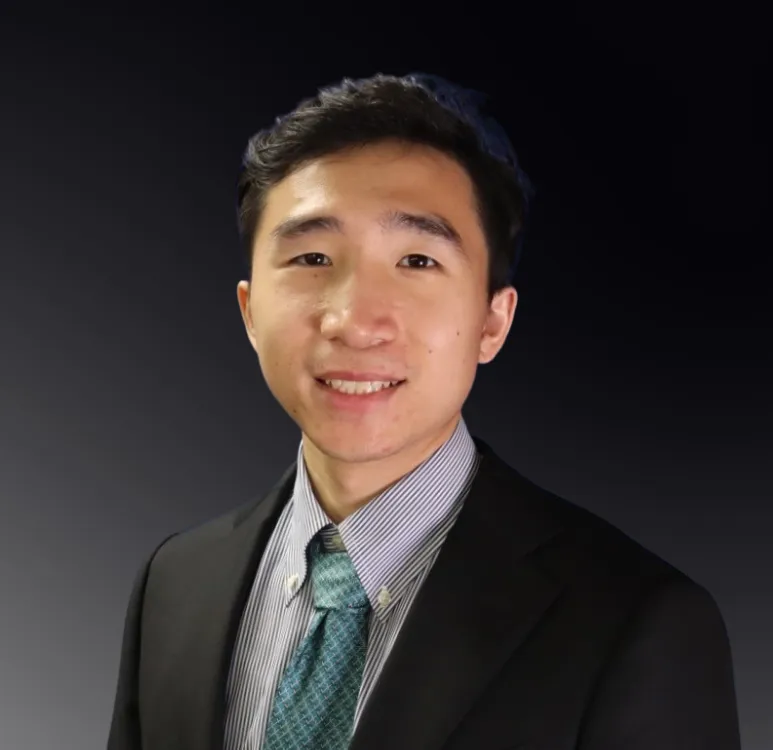

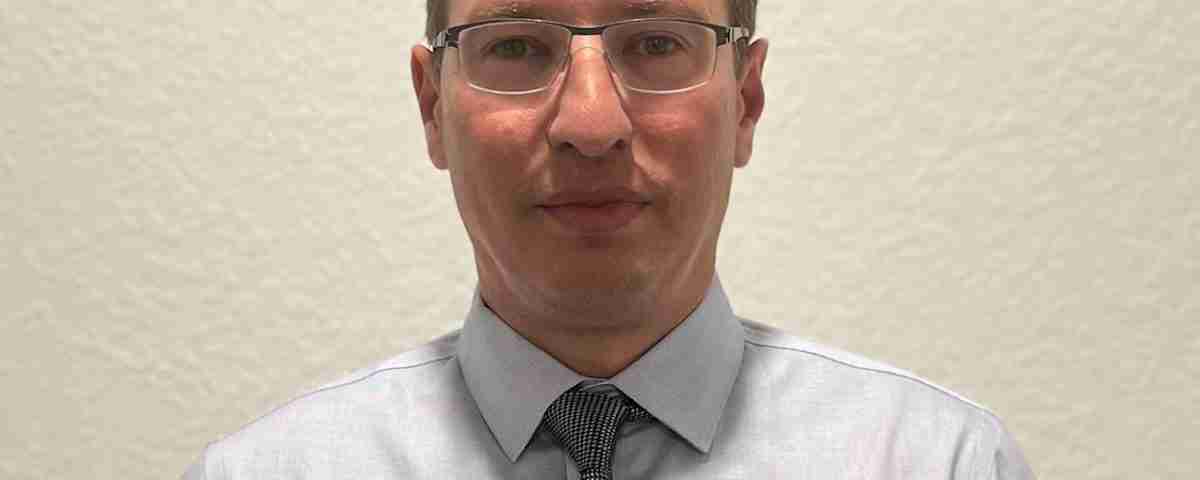
Dr. Kevin Ray, M.D.
Medical Director at Banyan Boca and Banyan Pompano
At Banyan Treatment Centers, we believe that the heart of effective treatment lies in the expertise, compassion, and dedication of our clinical leaders. Our medical directors play a vital role in shaping the care we provide, ensuring that every client receives evidence-based, individualized treatment tailored to their needs.
In this Q&A series, we sit down with our medical directors to give you an inside look at their perspectives, experience, and approach to behavioral health. From discussing the latest advancements in treatment to sharing what inspires them in their work, these conversations highlight the passion and knowledge that guide our programs.
In this article, you’ll find insights from Dr. Kevin Ray, the Medical Director of Banyan Boca Residential Mental Health Clinic and Banyan Pompano our outpatient addiction program located in South Florida. With his extensive experience in the field of addiction medicine, Dr. Ray shares his perspective on effective treatment approaches, the challenges clients face in early recovery, and the importance of compassionate, evidence-based care.
For those seeking help with addiction, our residential treatment center in Boca Raton, FL provides intensive outpatient programs tailored to each individual's needs.
Q: How do you and your team approach individualized treatment planning?
A: Our team starts with comprehensive assessment to collect pertinent medical, social and psychological history. We set clear and realistic goals pertinent to each patient while balancing out short-term relief with long-term goals. We provide interventions taking into account the patient’s cultural background and personal identity.
Q: How do you ensure evidence-based practices are integrated into daily care?
A: We provide staff training and promote professional development. I develop care protocols and guidelines that reflect the latest clinical evidence. I provide supervision to my medical prescribers to ensure adherence to evidence-based practices. I balance out providing evidence-based care with the patient’s preferences and cultural beliefs.
Q: How do you combine multiple evidence-based modalities to create individualized treatment plans?
A: I start with a comprehensive assessment to get a full picture of the patient’s needs. I establish overarching goals and then map which modalities address which goals. I would also utilize sequential interventions. I would use the patient’s feedback and measurement tools to assess which interventions are most effective.
Q: How do you measure the effectiveness of evidence-based therapies over time?
A: I readminister validated tools such as PHQ-9 and GAD-7. I break treatment plans into specific, measurable goals. I regularly ask the patient for their feedback.
The connection between addiction and long-term health underscores the importance of professional support, like the residential addiction treatment offered at our residential treatment center in Cathedral City, CA.
Questions about our Facilities or Programs?
Our admissions coordinators are available 24/7 to answer any questions you may have as you consider whether treatment at Banyan is right for you or your loved one.
Q: What makes our treatment programs different from others in the behavioral health field?
A: Our program provides individualized treatment approach by designing the treatment plans that fit the patient’s unique needs. We provide interdisciplinary and collaborative approach by utilizing various team members working on the common goals.
Q: How do holistic approaches complement evidence-based medical treatment?
A: They create a more complete picture of the patient’s health. They engage the patient into treatment by making medical treatment less clinical and more personal. They provide more empowerment for the patient.
Q: How does your team integrate technology, such as telehealth, into patient care?
A: Telehealth allows for continuity of care with the same provider. Telehealth allows for improved accessibility. Telehealth still ensures the delivery of evidence-based treatment model.
Q: How do you determine when medication-assisted treatment (MAT) is appropriate for a patient?
A: I start with the comprehensive initial assessment. I assess the patient’s readiness and commitment to MAT treatment. I utilize devised MAT criteria that assess housing situation, the patient's finances, access to the prescriber, and previous history of MAT.
Getting into treatment is easy with our free insurance verification
"*" indicates required fields
Q: Can you explain the role of FDA-approved medications (e.g., Suboxone, Vivitrol, Methadone) in addiction recovery?
A: These medications help to reduce cravings and block the euphoric effects of the opioids. They can help normalizing brain activity. They can help the patient to stay engaged in programs and therapy. They are most effective when paired with evidence based behavioral therapies.
Q: What are some of your medical findings that have been helpful to those battling a substance use problem?
A: Providing the understanding of the cooccurrence of mental health and substance use disorders in order to enhance recovery. Helping patient to understand that detox treatment is only small part of recovery process that should be followed by ongoing treatment at the lower level of care. Educating patients that access to Naloxone as an overdose prevention can help save their lives.
Q: How do you mentor and guide the clinical team here?
A: I lead by example by providing evidence-based treatment. I provide structured clinical supervision. I engage in problem-solving difficult clinical situations.
Don't let substance use disorder define your future — the team at our inpatient rehab facility in Castle Rock, CO is ready to help with mental health treatment and ongoing recovery support.
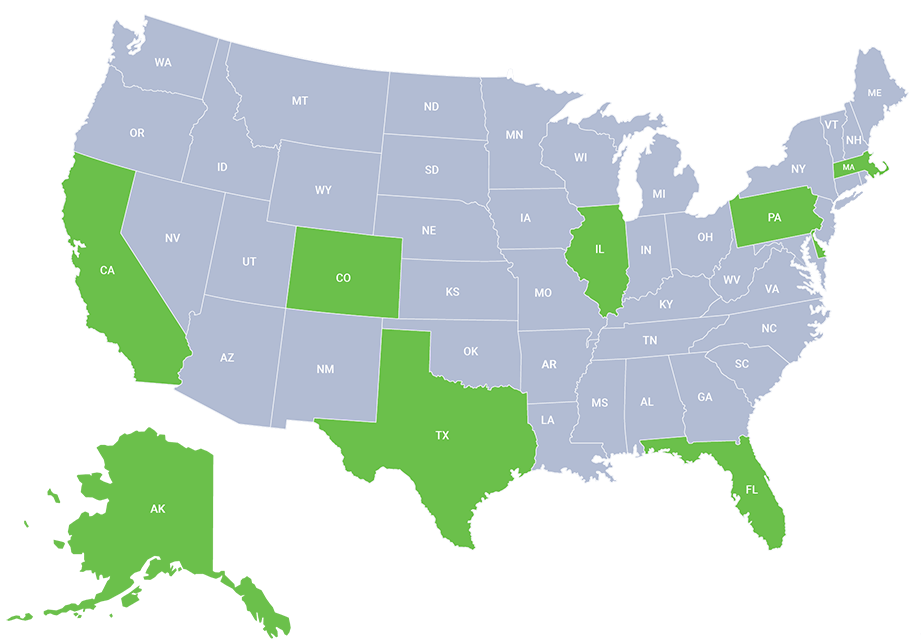
Wherever you are, we have you.
Not sure what level of care fits your needs? Our admissions team can help you understand your options confidentially.
Medical Disclaimer
Banyan Treatment Centers aims to improve the quality of life for people struggling with substance use or mental health disorders with fact-based content about the nature of behavioral health conditions, treatment options and their related outcomes. We publish material that is researched, cited, edited and reviewed by licensed medical professionals. The information we provide is not intended to be a substitute for professional medical advice, diagnosis or treatment. It should not be used in place of the advice of your physician or other qualified healthcare providers.