
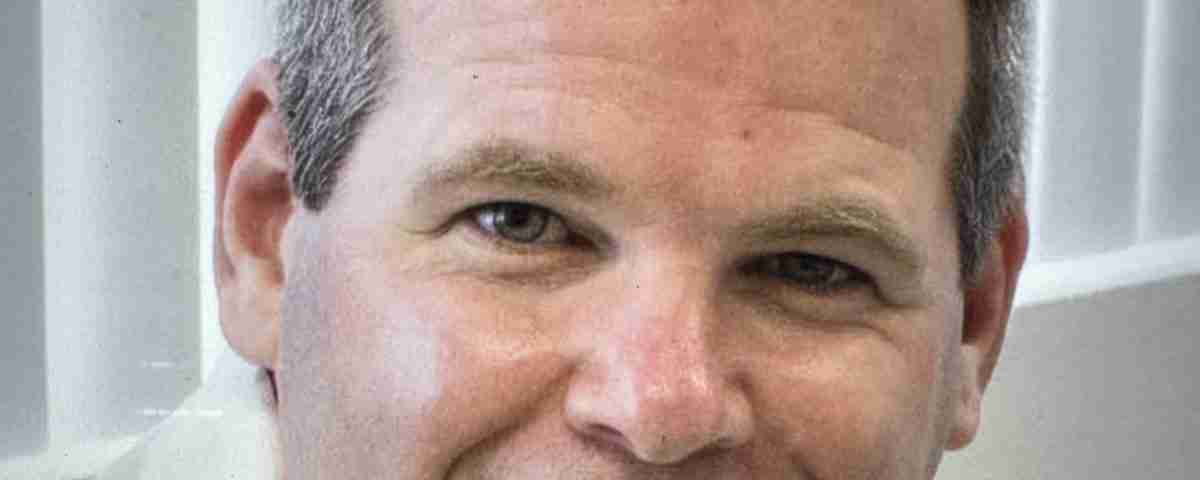
Dr. Eric Goldberg, M.D.
Medical Director at Banyan Gulf Breeze
At Banyan Treatment Centers, we believe that the heart of effective treatment lies in the expertise, compassion, and dedication of our clinical leaders. Our medical directors play a vital role in shaping the care we provide, ensuring that every client receives evidence-based, individualized treatment tailored to their needs.
In this Q&A series, we sit down with our medical directors to give you an inside look at their perspectives, experience, and approach to behavioral health. From discussing the latest advancements in treatment to sharing what inspires them in their work, these conversations highlight the passion and knowledge that guide our programs.
In this article, you’ll find insights from Dr. Eric Goldberg, the Medical Director of Banyan Gulf Breeze residential and outpatient mental health and addiction program located in the panhandle of Florida. With his extensive experience in the field of addiction medicine, Dr. Goldberg shares his perspective on effective treatment approaches, the challenges clients face in early recovery, and the importance of compassionate, evidence-based care.
If you or someone you care about is dealing with substance abuse, the professionals at our inpatient rehab facility in Boca Raton, FL provide residential addiction treatment in a supportive environment.
Q: How do you and your team approach individualized treatment planning?
A: We employ treatment planning that involves a collaborative team approach starting with a comprehensive assessment of a patient's physical, emotional, psychological, and social factors to understand their unique needs and goals. This assessment informs the creation of a tailored plan, which then incorporates collaborative goal-setting between the patient and the treatment team. Treatment modalities are chosen for their suitability to the individual's needs, and the plan is continuously reviewed and adjusted through ongoing communication, ensuring it remains flexible, patient-centered, and effective over time.
Q: How do you ensure evidence-based practices are integrated into daily care?
A: To integrate evidence-based practices (EBPs) into daily care we establish a supportive work culture by providing resources, training, and protected time for staff to access and apply new research. We encourage inquiry by promoting mentorship and collaboration, and utilize digital tools and decision support systems at the point of care. We Regularly evaluate practice changes, document outcomes, and involve all team members in identifying patient-centered goals to ensure effective and continuous implementation
Q: How do you combine multiple evidence-based modalities to create individualized treatment plans?
A: We create individualized treatment plans by combining multiple evidence-based modalities requires a systematic, client-centered process.
Instead of relying on a single technique, this integrated approach uses the synergistic effects of different methods to provide more holistic and effective care by looking at the integration of the treatment processes to maximize potential benefits.
Q: How do you measure the effectiveness of evidence-based therapies over time?
A: We measure effectiveness is measured over time using longitudinal studies that track patient outcomes through multiple measurement points during a patient's care. Key components of this measurement include assessing patient-reported outcomes through surveys, clinician assessments, and objective data from electronic health records to ensure the therapy is delivered as intended.
For individuals in the Cathedral City area seeking support, our drug and alcohol rehab in Cathedral City, CA offers residential recovery services, including medically supervised detox designed to address substance use disorder.
Questions about our Facilities or Programs?
Our admissions coordinators are available 24/7 to answer any questions you may have as you consider whether treatment at Banyan is right for you or your loved one.
Q: How do holistic approaches complement evidence-based medical treatment?
A: Holistic approaches complement evidence-based treatment by providing a comprehensive, patient-centered perspective that addresses the whole person—mind, body, and spirit—not just symptoms. By integrating practices like mindfulness, exercise, nutritional changes, and meditation alongside scientifically validated medical treatments, patients experience enhanced recovery, greater resilience, improved well-being, and better long-term health outcomes. This synergy creates a personalized approach that empowers individuals and fosters deeper, sustainable healing.
Q: How does your team integrate technology, such as telehealth, into patient care?
A: A team integrates telehealth by creating a strategic plan, choosing suitable platforms and services, and adapting care workflows for virtual interactions, which can include live video and audio calls. This integration also requires staff training, addressing patient concerns, ensuring HIPAA compliance, and developing team-based workflows for scheduling, billing, and documentation to optimize care delivery and improve patient access and engagement when a patient is not able to have a live interaction between themselves and a clinician.
Q: How do you determine when medication-assisted treatment (MAT) is appropriate for a patient?
A: We determine Medication-Assisted Treatment (MAT) to be appropriate for a patient when there is a confirmed diagnosis of a moderate to severe substance use disorder, particularly opioid use disorder, and the patient meets criteria such as a high risk for relapse or overdose, a history of failed treatment attempts, or significant social/psychological challenges. To do so a healthcare clinician conducts a comprehensive assessment, including medical and psychological evaluations and an assessment of substance use severity, to establish a patient-centered treatment plan that may include FDA-approved medications, behavioral therapies, and counseling services.
Q: Can you explain the role of FDA-approved medications (e.g., Suboxone, Vivitrol, Methadone) in addiction recovery?
A: FDA-approved medications like Buprenorphine (e.g., Suboxone), Naltrexone (e.g., Vivitrol), and Methadone play a critical role in addiction recovery by reducing cravings and withdrawal symptoms, improving treatment retention, and lowering overdose risk. Buprenorphine and methadone act as agonist treatments, while naltrexone is an antagonist that blocks opioid effects, offering different approaches to manage the chronic disease of addiction. These are used in addition to different modalities of therapy to address concerns and stressors that medications cannot "fix".
Getting into treatment is easy with our free insurance verification
"*" indicates required fields
Q: What are some of your medical findings that have been helpful to those battling a substance use problem?
A: Researchers have found that most drugs of abuse affect the brain's "reward circuit" by flooding it with dopamine, a chemical messenger responsible for motivation and pleasure. This surge of dopamine reinforces the drug-taking behavior. With continued use, the brain adapts, leading to reduced sensitivity in the reward circuit, which can cause the person to feel less pleasure from the drug and from healthy activities. This helps clinicians to better understand and develop medications that work to modulate those receptors in ways that potentially counterbalance the negative impacts a patient has experienced due to substance use.
Q: How do you mentor and guide the clinical team here?
A: We strive to focus on active listening, providing both positive and constructive feedback, and establishing clear expectations and goals with mentees. We try to empower team members by trusting them with increasing responsibilities, promoting team cohesion through the utilization of individual strengths, and fostering a supportive culture. We want team members to be role models, available for both professional guidance and networking. Finally, we try to adapt mentoring style to meet the individual needs of the team members.
Q: What advice do you have for someone considering entering treatment for the first time?
A: For first-time treatment, we encourage them to prepare logistically and personally by addressing work, finances, and loved ones. They need to bring an open mind to the experience, and be ready to be honest, practice self-care, and communicate your needs to staff to best support your goals and overall well-being. They need to realize that doing things "their way" has lead them to the current position and they need to make changes and listen to others if they truly want to change their path.
Q: How has behavioral health treatment changed in recent years?
A: Behavioral health treatment has evolved with a significant increase in technology-driven interventions like teletherapy and mental health apps, a shift toward more holistic and integrated care models, and greater integration of peer support. There's also a growing focus on personalized, evidence-based treatments such as CBT and mindfulness-based interventions, alongside policy changes aimed at improving access and insurance coverage.
If you're ready to address substance abuse, contact our inpatient rehab facility in Castle Rock, CO to explore residential treatment and begin the path toward healing.
Wherever you are, we have you.
Not sure what level of care fits your needs? Our admissions team can help you understand your options confidentially.
Medical Disclaimer
Banyan Treatment Centers aims to improve the quality of life for people struggling with substance use or mental health disorders with fact-based content about the nature of behavioral health conditions, treatment options and their related outcomes. We publish material that is researched, cited, edited and reviewed by licensed medical professionals. The information we provide is not intended to be a substitute for professional medical advice, diagnosis or treatment. It should not be used in place of the advice of your physician or other qualified healthcare providers.