

When people think of “party drugs,” they often imagine colorful lights, music-filled nights, and carefree fun. Substances like ecstasy, LSD, ketamine, cocaine, and hallucinogens are often marketed as ways to enhance experiences, but the truth is far from glamorous. These substances can alter your brain chemistry, trick your mind, and put your physical and mental health at serious risk.
At Banyan Treatment Centers, our goal is to provide education and awareness so individuals and families understand the reality of party drugs, their risks, and the options available for recovery.
If you or someone you care about is dealing with addiction, the professionals at our residential treatment center in Boca Raton, FL provide residential addiction treatment in a supportive environment.
What Are Party Drugs?
Party drugs, also known as club drugs, designer drugs, or festival drugs, are substances commonly used in nightlife settings such as concerts, clubs, music festivals, or parties. They’re often associated with high-energy social environments and marketed as ways to “enhance” fun, sociability, or sensory experiences.
Some of the most common party drugs include:
- MDMA (Ecstasy or Molly): Produces feelings of euphoria, empathy, and heightened energy. However, MDMA pills and powders are often adulterated with methamphetamine, bath salts, or fentanyl.
- Cocaine: A powerful stimulant that increases alertness and confidence, followed by an intense “crash.” It’s highly addictive.
- LSD (Acid): A hallucinogen that alters perceptions of reality, time, and surroundings. “Bad trips” can lead to panic, paranoia, or dangerous behavior.
- Ketamine & GHB: Dissociative or sedative drugs sometimes misused recreationally. Both can cause blackouts and are linked to unsafe situations.
While often glamorized in pop culture, party drugs carry significant and often underestimated dangers.
Party Drug Statistics: The Scope of the Problem
Party drug use is more common than many realize:
- According to the National Institute on Drug Abuse (NIDA), about 4.7 million people in the U.S. used cocaine in the past year.
- Roughly 1 in 10 young adults (ages 18–25) have tried MDMA at least once.
- LSD use has been rising, with over 2.6% of adults reporting past-year use.
- Fentanyl contamination is worsening the crisis: in 2022, the DEA reported that 6 out of 10 pills tested contained a potentially lethal dose of fentanyl.
These numbers highlight that party drug use is not “occasional fun” for many, it’s a widespread public health issue that can have fatal consequences.
Questions about our Facilities or Programs?
Our admissions coordinators are available 24/7 to answer any questions you may have as you consider whether treatment at Banyan is right for you or your loved one.
How Party Drugs Trick the Mind
Party drugs work by altering neurotransmitters in the brain, especially serotonin, dopamine, and norepinephrine. These are the chemicals responsible for regulating mood, pleasure, energy, and focus.
- MDMA floods the brain with serotonin, creating an artificial sense of happiness and connection. But when the drug wears off, serotonin levels are depleted, often leaving users depressed and anxious.
- Cocaine blocks dopamine reuptake, creating intense euphoria and energy. Over time, the brain reduces natural dopamine production, causing cravings and dependence.
- LSD disrupts serotonin receptors, causing hallucinations and altered perceptions. For some, these effects trigger psychosis or long-lasting anxiety.
- Ketamine interferes with glutamate, which plays a role in memory and learning. This can lead to confusion, memory loss, and dissociation.
The brain doesn’t just “bounce back” after use. Repeated drug exposure can cause permanent changes in brain chemistry and structure.
Short-Term vs. Long-Term Effects of Party Drugs
Short-Term Effects (during and shortly after use):
- Intense euphoria or heightened mood
- Increased sociability and lowered inhibitions
- Altered sensory perception (lights, sounds, touch feel amplified)
- Dilated pupils, muscle tension, teeth grinding
- Rapid heartbeat, dehydration, overheating, or nausea
- Impaired judgment leading to risky sexual behavior, accidents, or violence
Long-Term Effects (from repeated or heavy use):
- Persistent depression, anxiety, and irritability
- Sleep disturbances and chronic fatigue
- Memory loss and difficulty concentrating
- Dependence or addiction
- Increased risk of heart disease, stroke, or organ damage
- Development of mental health disorders such as psychosis, PTSD, or bipolar episodes
What begins as “weekend fun” can quickly turn into years of physical and emotional consequences.
Signs of Party Drug Abuse
Recognizing the signs early is key to preventing serious harm. If you suspect a loved one may be struggling with party drug use, look for:
- Sudden or extreme mood swings
- Changes in sleep patterns (staying up all night, then sleeping all day)
- Dilated pupils, jaw clenching, or excessive sweating
- Increased secrecy about social activities or lying about whereabouts
- Declining school or work performance
- Financial problems or unexplained spending habits
These warning signs shouldn’t be ignored, party drug misuse can escalate quickly.
Co-Occurring Disorders (Dual Diagnosis)
Many individuals who misuse party drugs also struggle with mental health and substance abuse challenges such as:
- Anxiety Disorders – drugs may be used to escape constant worry or panic.
- Depression – substances provide temporary relief but worsen symptoms long-term.
- Trauma/PTSD – self-medicating with drugs may temporarily numb emotional pain.
At Banyan Treatment Centers, we provide dual diagnosis treatment, addressing both substance use and underlying mental health issues at the same time. Treating one without the other often leads to relapse. Our integrated approach ensures that clients can heal holistically, mind, body, and spirit.
For individuals in the Cathedral City area seeking support, our residential treatment center in Cathedral City, CA offers residential addiction treatment, including partial hospitalization designed to address addiction.
Getting into treatment is easy with our free insurance verification
"*" indicates required fields
The Real Risks of Party Drugs
Beyond mental health concerns, the physical risks are severe:
- Dehydration & Heatstroke: Especially with MDMA in crowded environments.
- Cardiac Problems: Cocaine and stimulants can trigger heart attacks and strokes, even in young adults.
- Overdose: Many drugs are cut with fentanyl, making accidental overdose more likely.
- Sexual Assault Risks: GHB and ketamine are often used as “date rape” drugs.
- Legal Consequences: Possession or distribution of party drugs carries criminal charges.
The dangers extend far beyond the party, they can change lives forever.
Treatment Options with Banyan
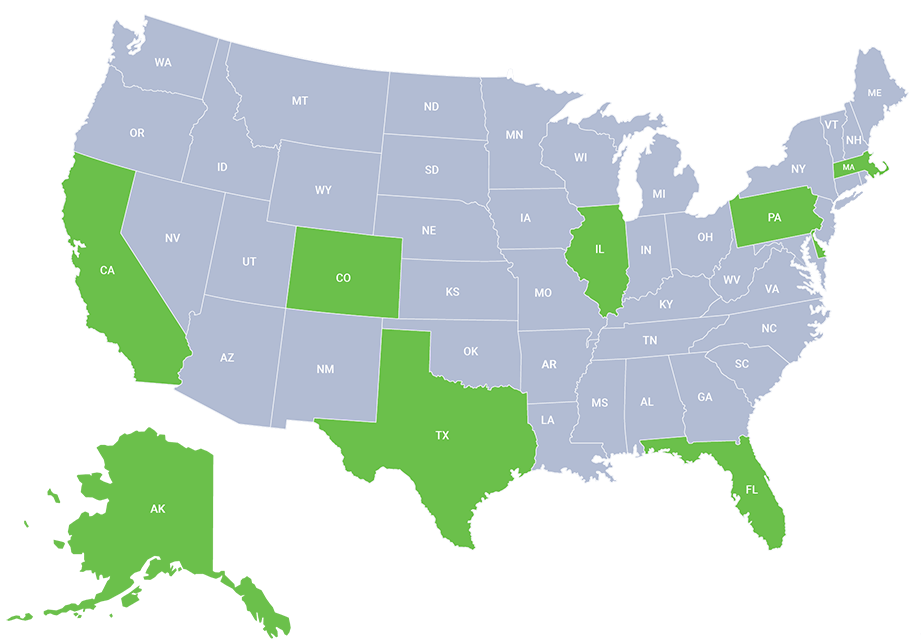
Banyan Treatment Centers operates facilities across the United States, making professional help accessible no matter where you are. Whether you need detox, residential treatment, outpatient programs, mental health treatment, virtual care, or dual diagnosis care, our nationwide network ensures compassionate help is always within reach.
FAQ: Party Drugs & Recovery
Take the First Step Today
Don’t let substances play tricks on your mind. If you or someone you love is caught in the cycle of party drug use, you don’t have to face it alone. Recovery is possible with the right support and treatment.
At Banyan Treatment Centers, we provide more than just medical detox and rehabilitation. Our programs include:
- Individual Therapy – One-on-one sessions with licensed clinicians to address underlying issues, trauma, and personal goals.
- Group Therapy – Safe, supportive spaces where clients share experiences, build accountability, and learn from others walking the same path.
- Evidence-Based Care – Proven approaches such as Cognitive Behavioral Therapy (CBT), Dialectical Behavior Therapy (DBT), trauma-informed therapy, and relapse prevention planning.
- Holistic Therapies – Yoga, meditation, art therapy, nutrition counseling, and other integrative practices that heal the whole person, mind, body, and spirit.
We believe in treating the individual, not just the addiction, so every client receives a customized treatment plan designed to meet their unique needs.
To learn more about treatment options for substance abuse, contact the professionals at our inpatient rehab facility in Castle Rock, CO and take the first step toward a healthier life.
Call us today at (888) 280-4763 or fill out a free insurance verification to learn more about how we can help you or your loved one. Don’t wait until it’s too late. Healing begins today.
Wherever you are, we have you.
Not sure what level of care fits your needs? Our admissions team can help you understand your options confidentially.
Medical Disclaimer
Banyan Treatment Centers aims to improve the quality of life for people struggling with substance use or mental health disorders with fact-based content about the nature of behavioral health conditions, treatment options and their related outcomes. We publish material that is researched, cited, edited and reviewed by licensed medical professionals. The information we provide is not intended to be a substitute for professional medical advice, diagnosis or treatment. It should not be used in place of the advice of your physician or other qualified healthcare providers.