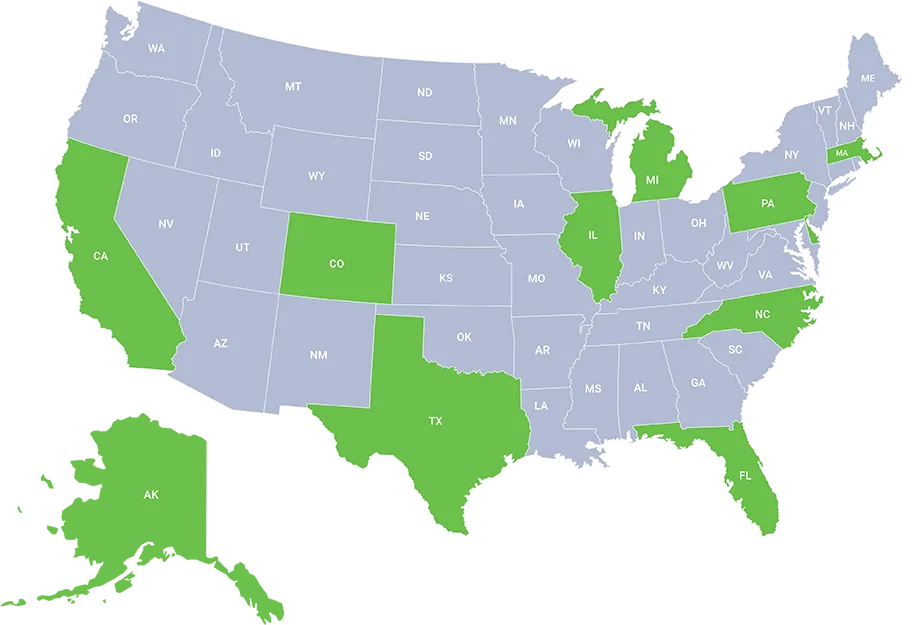

NEAREST BANYAN LOCATION
Banyan Treatment Center
Banyan Rochester Hills · Serving Oakland County
• Accepting Admissions Now
| Mental Health Addiction Treatment | Coming Soon Yes |
| Inpatient Care Outpatient Programs | Yes Yes |
| Dual Diagnosis | Yes |
Most insurances accepted
IN IMMEDIATE CRISIS?
988 Suicide & Crisis Lifeline
Call or text 988, 24/7.
For overdose or any medical emergency, call 911.
Medically Reviewed by:
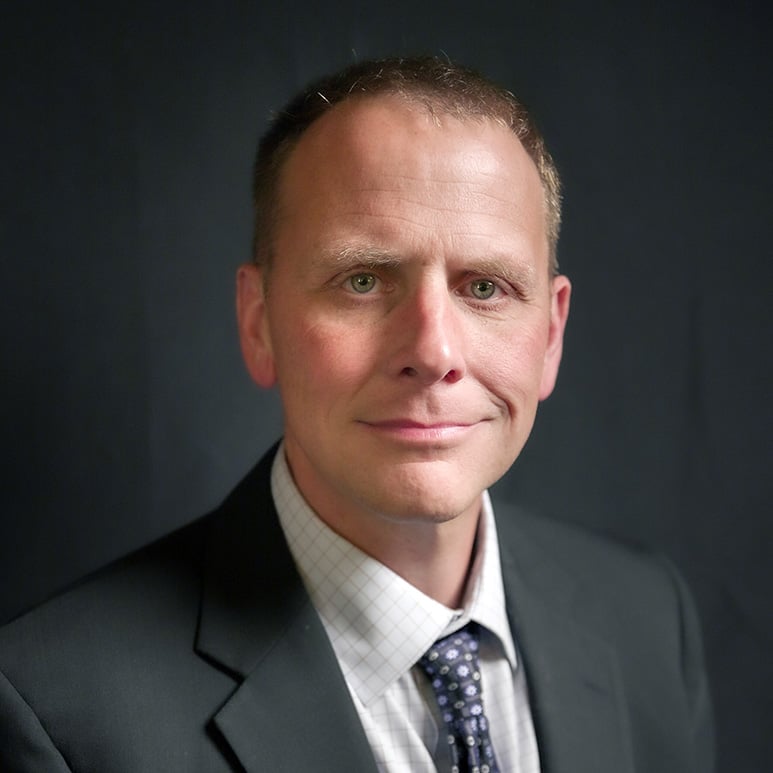
Dr. Darrin Mangiacarne
Chief Medical Officer
At Banyan Treatment Centers, Chief Medical Officer Dr. Darrin Mangiacarne leads our nationwide clinical team with over a decade of addiction medicine experience, helping ensure evidence-based, compassionate care across every level of treatment.
Author / Written by: Banyan Editorial Staff
Medically reviewed by: Dr. Darrin Mangiacarne, DO, MPH - Chief Medical Officer
Updated on: October 2026
Mental Health & Addiction Support Near Pontiac, MI
Pontiac residents can find outpatient addiction medicine, intensive outpatient services, public access through Oakland Community Health Network, medication-supported care, withdrawal management, and residential programs nearby. The challenge is deciding which type of help fits the person in front of you. Someone who is medically stable and able to recover at home may not need a live-in program. Significant withdrawal risk, repeated crises, unstable housing or recovery supports, or difficulty staying safe outside treatment can change that recommendation. For Pontiac residents whose assessment points to medical detox or residential addiction treatment, Banyan Treatment Center Michigan at Rochester Hills is a nearby option rather than a distant destination.
Talk to someone 24/7: (947) 729-2837 - free and confidential
Oakland County, Michigan: The Numbers Behind the Need
- 62,077 residents: The U.S. Census Bureau estimates Pontiac's 2025 population at just over 62,000.
- 1,288,337 residents: Oakland County's 2025 Census estimate is nearly 1.29 million.
- 37% decrease in county overdose deaths: Oakland County reported a 37% decline in drug-overdose deaths, alongside expanded naloxone and harm-reduction work.
- About a 47% statewide decline from the 2021 peak: MDHHS reported in June 2026 that fewer than 1,800 overdose deaths were projected for 2025, compared with 3,096 in 2021.
Declining overdose deaths are meaningful progress. They do not mean Pontiac residents no longer need prevention, medication treatment, detox, residential care, recovery support, or help navigating the system.
Whether You're Searching for Someone You Love or for Yourself
The decision to seek help can come after a dramatic event, but it does not have to. It may start with smaller changes: using more than intended, needing a substance to feel normal, missing work, hiding use, cycling through attempts to stop, or watching anxiety, depression, sleep, and relationships deteriorate alongside substance use.
Families may see the same pattern from the outside and still have no idea whether the person needs detox, outpatient care, medication treatment, or residential rehab. That is normal. A clinical assessment can look at withdrawal history, medical concerns, substance use, mental health symptoms, past treatment, current safety, and the environment the person would return to each day. Those details matter more than choosing a program based on its name.
Choosing the Right Level of Care in Pontiac
Pontiac residents have access to several types of care. The right level can change over time, and one person may move between settings as recovery becomes more stable.
Outpatient Addiction Medicine
Outpatient addiction medicine can include assessment, counseling, referrals, monitoring, and medication when clinically appropriate. It can be a strong fit for people who are medically stable and able to follow a treatment plan while living at home.
Intensive Outpatient Treatment
IOP provides more scheduled treatment time than standard outpatient care while still allowing the patient to live in the community. It may offer a useful middle ground when weekly appointments are not enough but 24-hour care is not necessary.
Medication for Opioid Use Disorder
Medication is an evidence-based part of opioid treatment. It should not be treated as a lesser form of care. The CDC's substance-use treatment guidance describes treatment as a broader process that can include medications and behavioral services based on clinical need.
Medical Detox
Detox may be appropriate when withdrawal carries significant symptoms or medical risk. It focuses on safe stabilization. Whether detox is needed depends on the substance, current use, previous withdrawal, other health conditions, and the person's present symptoms.
Residential Addiction Treatment
Residential care provides a structured live-in environment with ongoing clinical support. It may fit people who need separation from easy access to substances, more accountability, or a level of support that cannot be maintained through scheduled outpatient visits alone.
Co-Occurring Support
Substance use can overlap with anxiety, depression, trauma symptoms, mood changes, or other mental health concerns. Treatment planning should take both into account when they are present.
Getting Help in Pontiac: The Local Safety Net
Pontiac has an especially important public access point. Oakland Community Health Network manages substance-use treatment access for Oakland County and lists services that can include outpatient treatment, medication-supported care, withdrawal management, intensive outpatient treatment, and residential care. The non-crisis Access line is 248-464-6363.
OCHN's Resource and Crisis Center is located at 1200 N Telegraph Road, Building 32E, Pontiac, and the site also houses a Sober Support Unit that can provide a pathway to withdrawal management and residential services. Banyan is one part of that broader treatment landscape, not a replacement for public or outpatient care.
Call 911 for immediate medical danger. For a mental health or substance-use crisis, call or text 988.
Private Treatment Options in and Near Pontiac
Residents researching care will find several different models. Trinity IHA Medical Group Recovery Medicine at the Oakland Campus provides outpatient addiction medicine, including assessment, treatment, counseling or referral, and medication therapy when clinically indicated.
Oakland Family Services Day One offers outpatient and intensive outpatient substance-use services in Pontiac. Nearby in Waterford, Meridian Health Services provides withdrawal management and residential services, with additional outpatient and medication-based care within its network.
Pontiac should not be described as having no addiction treatment or higher-intensity care. A better comparison is whether a program matches the person's withdrawal risk, need for structure, co-occurring concerns, insurance, location, and continuing-care needs.
Getting into treatment is easy with our free insurance verification
"*" indicates required fields
Does Insurance Cover Addiction Treatment?
Many commercial plans include behavioral health benefits, but they don't automatically cover every service. Coverage can change by facility, network status, level of care, medical necessity, prior authorization, deductible, and copay or coinsurance requirements.
Banyan can verify insurance benefits before admission and help explain likely coverage and possible patient responsibility. That review does not guarantee insurer approval, admission, or a particular length of stay.
Why Pontiac Residents May Consider Rochester Hills
Pontiac and Rochester Hills are close enough that higher-intensity treatment does not necessarily mean leaving the region. The supplied travel research estimates Banyan Rochester Hills at roughly 5 to 7 miles, or about 12 to 16 minutes by car, from Pontiac under typical conditions.
That proximity can be useful for families who want a residential or detox option nearby, but distance is not the deciding factor. Some people are better served by outpatient medication or counseling close to home. Others may need 24-hour monitoring or a structured setting. Clinical need, transportation, insurance, family involvement, and the discharge care plan should guide the choice.
How Banyan Serves Pontiac
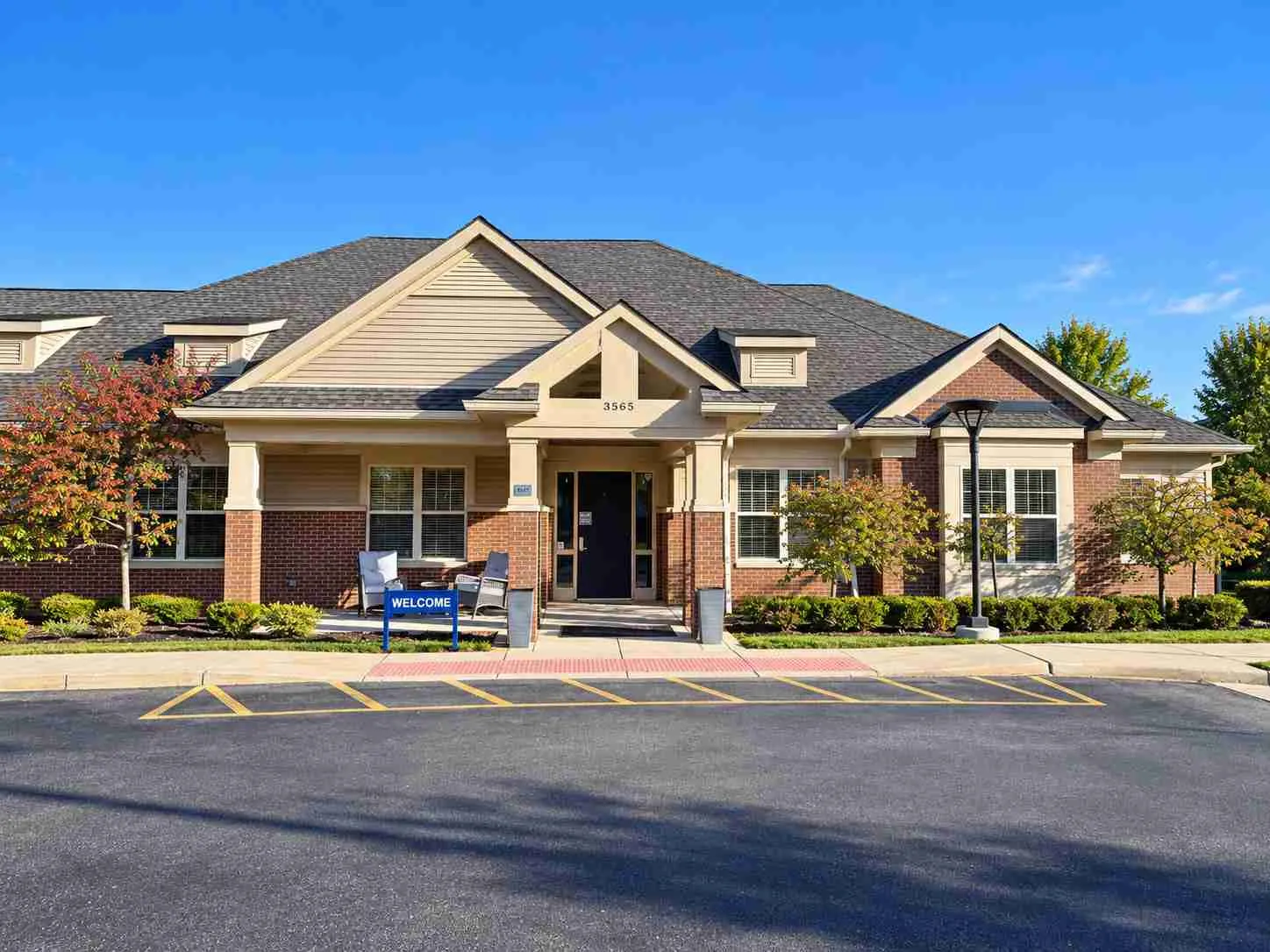
Banyan Treatment Center Michigan at Rochester Hills is located at 3565 S Adams Rd, Rochester Hills, MI 48309. The facility focuses on substance use disorder treatment for adults and provides two confirmed levels of care: medically supervised detox and residential addiction treatment.
For Pontiac residents, that creates another nearby option when outpatient care is not the recommended level or when withdrawal needs clinical monitoring. A person who stabilizes in detox may also be assessed for residential treatment at the same location if that remains appropriate.
The facility can provide dual diagnosis support in Rochester Hills when mental health symptoms are affecting addiction recovery. Substance use remains the primary clinical focus, so the program should not be described as a standalone mental health treatment center.
Substance Use Concerns Treated at Banyan Rochester Hills
Treatment planning begins with assessment rather than a preset sequence. Depending on the person's needs, Banyan Rochester Hills may treat:
Alcohol addiction
Including alcohol addiction treatment and medical detox when withdrawal risk makes supervised stabilization appropriate.
Opioid and fentanyl addiction
With attention to withdrawal, overdose history, return-to-use risk, and the need for continued treatment after detox.
Heroin and other opioids
Care planning can account for physical dependence, polysubstance use, prior treatment, and recovery supports.
Cocaine and methamphetamine use
A structured setting may help some people interrupt use patterns and build recovery routines away from familiar access and triggers.
Prescription drug misuse
The medication involved, physical dependence, co-use of other substances, and medical needs all matter when planning care.
Co-occurring mental health symptoms
These can be addressed as part of the substance-use treatment plan when clinically appropriate.
Questions about our Facilities or Programs?
Our admissions coordinators are available 24/7 to answer any questions you may have as you consider whether treatment at Banyan is right for you or your loved one.
Common Questions From Pontiac Families
Do I have to choose between medication treatment and residential rehab?
Not always. Medication treatment and residential care answer different clinical needs. Some people receive medications in outpatient settings, while others may need detox or residential structure for separate reasons. The treatment plan should reflect the whole situation rather than force an either-or choice.
What makes withdrawal a medical concern?
Risk depends on the substance, amount and duration of use, prior withdrawal, other substances, health conditions, and current symptoms. Alcohol and certain sedative withdrawals can be especially serious. A clinician can help determine the safest setting.
Can Banyan treat mental health concerns too?
Banyan Rochester Hills can support co-occurring mental health concerns within addiction treatment when clinically appropriate. Its primary focus is substance use disorder treatment, not standalone primary mental health care.
Can a loved one contact Banyan before the patient does?
Yes. Family members can call 855-722-6926 to ask about treatment options and next steps. Privacy and consent rules still apply to information about an adult patient.
Is a bed always available?
No. Availability changes by program and level of care. Admissions can confirm current openings, review insurance details, and discuss whether the Rochester Hills facility appears appropriate.
Free or Low-Cost Support in the Pontiac Area
Oakland Community Health Network:
Call 248-464-6363 for non-crisis substance-use access and screening.
OCHN Resource and Crisis Center:
The Pontiac access center at 1200 N Telegraph Road offers in-person access and includes the Sober Support Unit for people seeking a pathway to withdrawal management or residential services.
988 Suicide & Crisis Lifeline:
Call or text 988 for free, confidential 24/7 crisis support.
2-1-1:
Dial 211 for local health and social-service referrals.
SAMHSA National Helpline:
Call 1-800-662-HELP (4357) for free treatment referral and information, available 24/7.
Getting Into Treatment Is Easier Than You Think
The first conversation is usually practical. Admissions will ask what substances are involved, what has been happening recently, whether there are withdrawal or safety concerns, and what treatment has been tried before. A clinical assessment can then review medical issues, mental health symptoms, home supports, and the amount of structure needed. Insurance benefits can be checked before admission. If Banyan Rochester Hills is appropriate and space is available, the team can walk through the recommended level of care, arrival timing, transportation, and what to bring.
You Don't Have to Figure This Out Alone
Pontiac already has important public, outpatient, and medication-based treatment resources. Banyan Treatment Center Michigan at Rochester Hills adds a nearby option for adults who need medically supervised detox or residential addiction treatment, with co-occurring support available when appropriate. Call 855-722-6926 or use Banyan's insurance verification form to discuss current options.
Disclaimer:
The information on this page is for educational purposes only and is not a substitute for professional medical advice, diagnosis, or treatment. If you or a loved one needs support, please contact Banyan Treatment Centers or a qualified clinician. For overdose and related medical emergencies, dial 911.
What Our Patients Are Saying


Getting Into Treatment Is Easy. Here's How to Get Started!

Call Us Anytime
Speak with our compassionate admissions specialists to discuss your situation and explore treatment options.

Initial Assessment
We conduct a thorough evaluation to determine the best level of care tailored to your needs.

Financial Guidance
Our team will verify your insurance coverage and provide transparent cost information.

Begin Your Recovery
Once everything is set, you’ll be welcomed into our program and start your journey toward healing.