
Written by: Banyan Editorial Staff | Medically reviewed by: Dr. Darrin Mangiacarne - Chief Medical Officer | Edited: September 2026
Home is not always the safest place to begin recovery. Even when someone wants to stop using, old routines, strained relationships, easy access to substances, and the stress of daily life can make early progress fragile. Inpatient addiction rehab in Rochester Hills, MI, at Banyan Treatment Center Michigan at Rochester Hills gives adults a structured residential setting where they can step away from those pressures and focus on treatment.
At 3565 S Adams Rd, Rochester Hills, MI 48309, the facility provides residential addiction treatment for people who need more support than a weekly appointment or a less intensive outpatient plan can offer.
Residential Addiction Treatment in Rochester Hills
Many people search for inpatient rehab when they are looking for a live-in treatment setting. At this location, residential addiction treatment is the clearest way to describe that level of care unless hospital-based inpatient care is separately confirmed. Residential care gives patients a place to live during treatment while participating in daily programming, therapy, recovery education, and relapse-prevention work.
Professional placement matters. ASAM’s level-of-care framework explains that treatment intensity should match a person’s needs, risks, functioning, and recovery environment. That is why residential care isn't automatically better than outpatient treatment. It is appropriate when the person needs a higher degree of structure, accountability, and separation from triggers.
Talk to someone 24/7: (947) 729-2837 - free and confidential
Who May Need a Live-In Treatment Setting?
Some people can begin recovery with outpatient support. Others need the protection and rhythm of a residential environment. Banyan Treatment Center Michigan at Rochester Hills may be appropriate for adults who are medically stable enough for residential care but still need a structured setting to work through addiction, behavior patterns, and relapse risks.
Residential addiction treatment may be considered when:
- Substance use continues despite serious consequences
- The home environment makes recovery difficult or unsafe
- Previous outpatient treatment has not provided enough structure
- Cravings, triggers, or emotional stress repeatedly lead back to use
- The person needs treatment after completing medical detox
- Co-occurring anxiety, depression, trauma symptoms, or mood concerns complicate recovery
An admissions and clinical assessment helps determine whether residential care, medical detox, or another level of support should come first.
Questions about our Facilities or Programs?
Our admissions coordinators are available 24/7 to answer any questions you may have as you consider whether treatment at Banyan is right for you or your loved one.
What Residential Rehab Helps Patients Practice
Residential treatment is not only about being away from substances. It is about using that time well. The structure gives patients repeated opportunities to slow down, notice patterns, and practice different responses before returning to everyday responsibilities.
Research on residential treatment for substance use disorders points to the importance of continuity, integrated services, and preparation for care after discharge. In practical terms, that means a residential program should help patients understand what led to substance use, what makes relapse more likely, and what kind of support they will need after leaving the live-in setting.
Treatment at Banyan Treatment Center Michigan at Rochester Hills may focus on recovery routines, group participation, individual clinical work, relapse-prevention planning, family communication when appropriate, and preparation for the next step. The goal is to help patients leave with more than time away from substances. They need a plan for what happens when stress, cravings, or old contacts return.
A Different Kind of Daily Structure
In active addiction, the day often becomes organized around obtaining, using, hiding, recovering from, or thinking about substances. Residential treatment replaces that cycle with a more predictable rhythm. Patients have a place to sleep, attend programming, participate in therapy, eat meals, reflect, and begin rebuilding basic habits that may have been disrupted by substance use.
The structure can be especially useful for people who have been living in survival mode. Instead of making every recovery decision alone, patients have a treatment environment built around accountability and support.
What Happens After Detox?
Some patients enter residential addiction treatment after withdrawal has been stabilized. Others may need detox before residential work can begin. The distinction matters because detox and residential rehab do different jobs. Detox addresses the early physical and medical risks of withdrawal. Residential treatment focuses on the clinical and behavioral work that supports recovery after stabilization.
Banyan’s residential treatment level of care gives patients a structured setting for that next stage. The Joint Commission’s substance use disorder standards highlight assessment, evidence-based care, transition planning, and follow-up as important parts of quality treatment. Those priorities are especially relevant when a person is moving from detox into residential treatment or from residential care into a continuing-care plan.
Family, Accountability, and Continuing Care
Addiction affects more than the person using substances. Families may be exhausted, cautious, angry, hopeful, or unsure what kind of help is appropriate. Residential treatment can create space for the patient to focus on recovery while loved ones begin learning how to support treatment without trying to control it.
Care does not end on the final day of residential treatment. A strong discharge plan may include step-down treatment recommendations, community recovery support, relapse-prevention tools, family boundaries, and follow-up appointments. Shatterproof’s principles of care emphasize long-term management and coordinated care, so continuing support should be discussed before discharge rather than treated as an afterthought.
Why Choose Banyan for Residential Addiction Rehab in Rochester Hills?
When substance use is tied to easy access, familiar triggers, or an unstable home environment, trying to recover in the same setting can make early progress difficult. Banyan Treatment Center Michigan at Rochester Hills provides a structured residential environment where adults can step away from those pressures and focus on therapy, relapse prevention, accountability, and recovery planning.
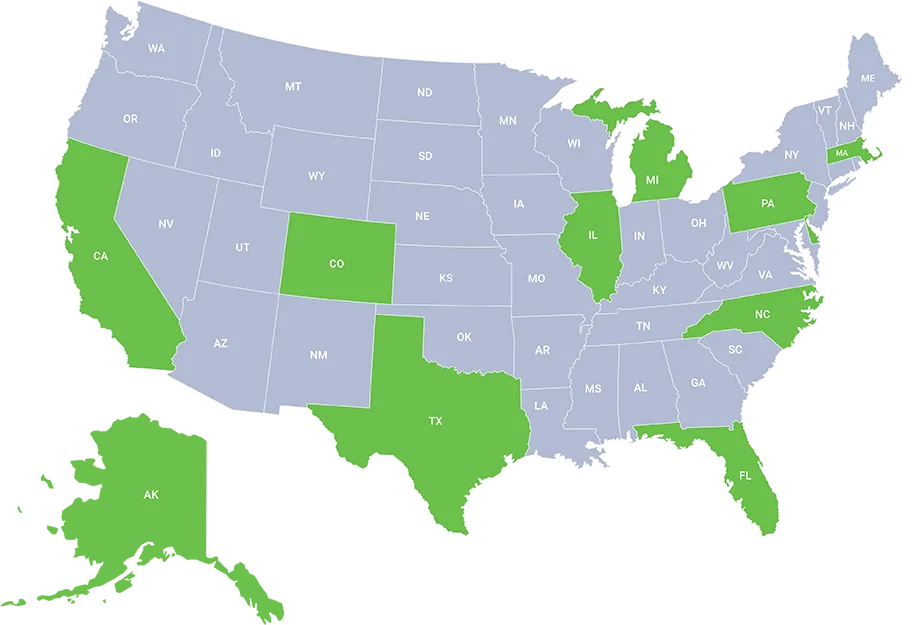
Medical detox is also available at the Rochester Hills facility for patients who need withdrawal management first. This allows eligible patients to transition from stabilization into residential addiction treatment within the same facility. For adults in Rochester Hills, Oakland County, and Metro Detroit, Banyan combines local access with the experience and resources of a nationwide addiction treatment provider.
Getting into treatment is easy with our free insurance verification
"*" indicates required fields
Serving Rochester Hills and Metro Detroit
Banyan Treatment Center Michigan at Rochester Hills is located at 3565 S Adams Rd, Rochester Hills, MI 48309. The facility serves adults in Rochester Hills, Oakland County, and nearby Metro Detroit communities, including Troy, Auburn Hills, Pontiac, Sterling Heights, and surrounding areas.
If you are unsure whether residential treatment is the right step, admissions can talk through current concerns and help determine whether a clinical assessment is needed. You can also begin by using Banyan’s insurance verification resource to better understand potential coverage before admission.
What Patients Work on During Residential Care
The residential setting gives patients time to work on the parts of addiction that are hard to address in a crisis. A person may need to understand why certain places, relationships, emotions, or routines keep leading back to use. They may need to practice asking for help before cravings build. They may need to rebuild sleep, nutrition, communication, and basic accountability after months or years of instability.
Treatment is also a place to look at the difference between wanting recovery and being prepared for recovery. Many people arrive with motivation, fear, family pressure, or a recent consequence. Residential care helps turn that moment into a plan by providing structure, repetition, clinical support, and time away from immediate triggers.
Preparing for Life After Residential Treatment
Before leaving residential care, patients should have a realistic plan for the next stage. That plan may include follow-up appointments, step-down recommendations, sober support, family boundaries, relapse warning signs, and practical decisions about work, housing, or daily routine. The goal is not to make life perfect before discharge. The goal is to give the patient and family a clearer path for protecting the progress made in treatment. That practical planning matters clinically.
Frequently Asked Questions

Related Reading:
Sources:
- American Society of Addiction Medicine. (n.d.). ASAM criteria frequently asked questions. https://www.asam.org/asam-criteria/criteria-faq
- CARF International. (n.d.). Behavioral health program list. https://carf.org/accreditation/programs/behavioral-health/behavioral-health-program-list/
- Reif, S., George, P., Braude, L., Dougherty, R. H., Daniels, A. S., Ghose, S. S., & Delphin-Rittmon, M. E. (2014). Residential treatment for individuals with substance use disorders: Assessing the evidence. Psychiatric Services, 65(3), 301–312. https://pubmed.ncbi.nlm.nih.gov/31254749/
- The Joint Commission. (2020). R3 report issue 25: Enhanced substance use disorders standards for behavioral health organizations. https://www.jointcommission.org/en-us/standards/r3-report/r3-report-25
- Shatterproof. (2023). Principles of care one-pager. https://www.shatterproof.org/sites/default/files/2023-08/Principles-of-Care-one-pager.pdf