
Written by: Banyan Editorial Staff | Medically reviewed by: Dr. Darrin Mangiacarne - Chief Medical Officer | Edited: September 2026
Addiction can become harder to treat when anxiety, depression, trauma symptoms, or mood changes are also part of the picture. Dual diagnosis treatment in Rochester Hills gives adults a way to address substance use while also recognizing the mental health symptoms that may be feeding the cycle. Banyan Treatment Center Michigan at Rochester Hills provides substance use treatment with co-occurring support for people who need clinical structure, safety, and a plan that does not ignore either side of recovery.
Co-Occurring Support at Banyan Treatment Center Michigan at Rochester Hills
Dual diagnosis care begins with careful listening. A person may come to treatment because of alcohol, opioids, fentanyl, cocaine, or another substance, but the assessment may also uncover panic, grief, trauma responses, low mood, irritability, or sleep problems that have been tangled up with use. The NIMH overview of substance use and mental health explains that co-occurring concerns should be identified and treated together when they are present. At Banyan Treatment Center Michigan at Rochester Hills, substance use remains the primary focus while the care team also evaluates mental health symptoms that may affect safety, cravings, motivation, and relapse risk.
Talk to someone 24/7: (947) 729-2837 - free and confidential
Why Addiction and Mental Health Symptoms Often Overlap
Some people use substances to quiet symptoms they do not yet have words for. Others develop depression, anxiety, or emotional instability after repeated substance use disrupts sleep, relationships, work, and health. Research from NIDA on common comorbidities with substance use disorders points to shared risk factors, overlapping symptoms, and the need for thoughtful assessment. That does not mean every person with addiction has a mental health disorder. It does mean that treatment needs to be alert to patterns that can complicate recovery.
Families often notice this overlap before the person in active use does. They may see sudden isolation, arguments, secrecy, missed responsibilities, panic, hopelessness, or mood swings alongside substance use. The goal is not to attach labels quickly. The goal is to understand what is happening well enough to build a safer treatment plan.
Questions about our Facilities or Programs?
Our admissions coordinators are available 24/7 to answer any questions you may have as you consider whether treatment at Banyan is right for you or your loved one.
When Dual Diagnosis Treatment May Be Needed
Dual diagnosis treatment may be appropriate when substance use and mental health symptoms are reinforcing each other. A person may stop using for a short time, but anxiety becomes intense. Another may return to alcohol or drugs after a depressive episode, a trauma trigger, or a period of poor sleep. The CDC description of substance use and mental health reinforces that these concerns can influence one another and that integrated support matters.
Signs that a more coordinated level of care may be needed include:
- Substance use continues after serious relationship, work, school, legal, or health consequences.
- Mood, anxiety, or trauma symptoms increase when the person tries to stop using.
- Detox or short-term support has helped physically, but relapse happens quickly afterward.
- Loved ones are unsure whether addiction, mental health symptoms, or both are driving the crisis.
How Treatment Addresses Both Needs Without Losing Focus
The Cleveland Clinic explains dual diagnosis as the presence of a substance use disorder and a mental health disorder at the same time. In a treatment setting, the practical question is what support the person needs now. For some, the first priority is medical detox so withdrawal can be monitored before therapy work begins. Others may move into residential treatment once they are medically stable enough to participate in daily programming.
Care may include individual counseling, group work, relapse-prevention planning, coping-skill development, family communication when appropriate, and discharge planning. No single medication or modality is promised in advance. The treatment plan follows the patient's evaluation and the services confirmed for the location.
A Substance-Use-First Plan That Still Takes Symptoms Seriously
Dual diagnosis care at this location is addiction treatment with co-occurring support. That distinction matters. A patient may be struggling with panic, depression, trauma reminders, or mood instability, but the reason for admission may still be alcohol or drug use that has become unsafe or unmanageable. The team can look at both without turning the program into standalone primary mental health care.
This approach can also help families stop arguing over which problem is the real one.
If a loved one drinks after anxiety spikes, uses opioids after depressive episodes, or turns to cocaine during periods of stress and sleeplessness, both sides of that pattern deserve attention. Substance use, cravings, emotional triggers, and safety concerns are reviewed together so discharge planning is not built on half the story.
What Care Can Feel Like Day to Day
A person in dual diagnosis treatment should not feel like emotional symptoms are treated as an afterthought. Sessions may explore how stress, shame, sleep, trauma reminders, or relationship conflict show up before cravings. Group work can help patients practice honesty and accountability without turning every discussion into a lecture. Skills work may focus on recognizing early warning signs, slowing impulsive reactions, and building healthier routines.
The most useful treatment conversations are often practical. What happens when a person leaves treatment and faces the same phone contacts, family tension, work stress, or loneliness? What support is needed before that moment arrives? Shatterproof's National Principles of Care emphasize individualized planning, evidence-based care, and coordination across needs, which is why continuing-care planning should begin before discharge.
Getting into treatment is easy with our free insurance verification
"*" indicates required fields
How Families Can Support the Process
Loved ones often want to help but do not know whether to push, protect, or step back. During admissions, family members can share what they have observed: recent substance use, withdrawal concerns, mood changes, safety issues, and previous treatment attempts. That information can help the team understand risk and recommend an appropriate starting point. It can also begin shifting the family role from crisis management to informed support.
Why Choose Banyan for Dual Diagnosis Treatment in Rochester Hills?
When substance use and mental health symptoms affect each other, focusing on addiction without considering anxiety, depression, trauma symptoms, mood changes, or sleep problems can leave important relapse triggers unaddressed. Banyan Treatment Center Michigan at Rochester Hills provides substance use treatment that considers co-occurring mental health concerns when clinically appropriate.
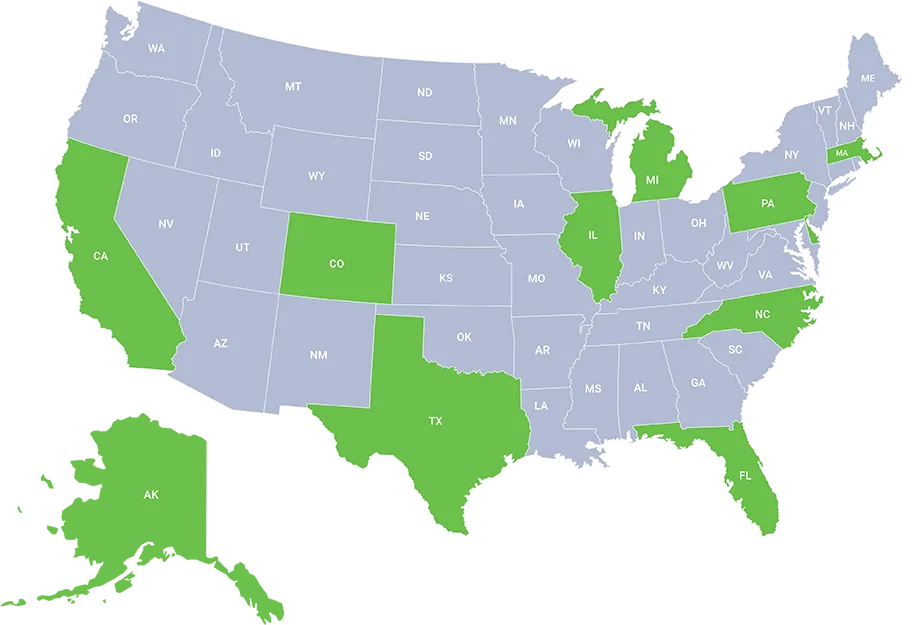
The facility also provides medical detox and residential addiction treatment, allowing patients who need withdrawal management to stabilize before continuing into structured recovery care. For adults in Rochester Hills, Oakland County, and Metro Detroit, this provides local access to addiction-focused treatment with co-occurring support, backed by the experience and resources of Banyan Treatment Centers’ nationwide network.
Insurance, Admissions, and Next Steps
Admissions support can make the first step less confusing. A confidential call can cover current substance use, mental health symptoms, withdrawal concerns, treatment history, and insurance information. You can also verify insurance before admission so the team can review possible benefits and next steps.
Frequently Asked Questions
Studies estimate that success rates range from 5% to 50%, with higher recovery rates seen in individuals who actively participate in sponsorship, meetings, and a structured recovery plan.
At Banyan Treatment Center, we encourage individuals to combine 12-step involvement with clinical treatment—including therapy, medication-assisted treatment (MAT), and aftercare planning—to improve long-term success. Our approach helps individuals build a strong foundation for lasting sobriety rather than relying solely on peer support.
At Banyan Treatment Center, we emphasize the importance of connection and professional guidance in the recovery process. If you’re looking for additional support, we offer one-on-one counseling, group therapy, and customized treatment plans that complement the 12-step framework while addressing personal recovery goals.
At Banyan Treatment Center, we offer both faith-based and secular treatment options. Our compassionate team helps individuals integrate recovery into their personal belief systems, whether through spiritual counseling, holistic healing, or evidence-based therapy. We believe that every person’s path to healing is unique, and we are here to support them every step of the way.

Related Reading:
Sources:
- National Institute of Mental Health. (n.d.). Substance use and mental health.
- National Institute on Drug Abuse. (n.d.). Common comorbidities with substance use disorders.
- Centers for Disease Control and Prevention. (n.d.). Substance use and mental health.
- Cleveland Clinic. (n.d.). Dual diagnosis: Causes and treatment.
- Shatterproof. (n.d.). Shatterproof National Principles of Care.