
Written by: Banyan Editorial Staff | Medically reviewed by: Dr. Darrin Mangiacarne - Chief Medical Officer | Edited: September 2026
Prescription drug addiction can be hard to talk about because the substance may have started with a legitimate medical need. A person may have taken opioids after surgery, benzodiazepines for anxiety, or stimulants for attention problems, then realized the medication had become difficult to control. Banyan Treatment Center Michigan at Rochester Hills provides substance use treatment for adults who need help sorting out prescription misuse, dependence, cravings, withdrawal concerns, and the next steps toward recovery.
Prescription Drug Rehab Without Shame or Oversimplification
Not everyone who takes a controlled medication has an addiction. Some people take medication exactly as prescribed. Others develop tolerance or physical dependence, which can happen with certain medications even without compulsive use. Substance use disorder involves a different pattern: loss of control, cravings, continued use despite harm, or using medication in ways that were not prescribed.
Because prescription drug concerns can involve several medication classes, treatment decisions should be based on the specific drug, medical history, withdrawal risk, and behavioral pattern. The Rochester Hills team begins with assessment rather than assumptions.
Talk to someone 24/7: (947) 729-2837 - free and confidential
Common Prescription Drugs Involved in Addiction
Prescription drug addiction can involve opioids, sedatives, anti-anxiety medications, or stimulants. MedlinePlus identifies prescription opioids, sedatives and tranquilizers, and stimulants as commonly misused medication groups. Each group affects the body differently, so treatment should not use one generic plan for every patient.
- Prescription opioids such as oxycodone, hydrocodone, or morphine
- Benzodiazepines and other sedative medications
- Prescription stimulants such as medications used for ADHD
- Multiple prescription medications used with alcohol or illicit substances
A person may need help after taking more than prescribed, using someone else’s medication, mixing medications with alcohol, seeking early refills, hiding use, or feeling unable to stop because withdrawal or cravings feel too difficult.
Questions about our Facilities or Programs?
Our admissions coordinators are available 24/7 to answer any questions you may have as you consider whether treatment at Banyan is right for you or your loved one.
Treatment Planning by Medication Class
Prescription opioid addiction should be evaluated as a possible opioid use disorder. That may involve withdrawal management, therapy, relapse-prevention planning, and discussion of evidence-based OUD treatment options. Patients who need more focused opioid care can be guided toward appropriate next steps in opioid addiction treatment rather than receiving a plan that treats all prescription medications the same.
For benzodiazepines, the safety conversation is different. The FDA warning on benzodiazepines explains that misuse, addiction, physical dependence, and withdrawal risks can occur, and abrupt discontinuation can be dangerous. A safe plan should never rely on a general taper schedule from the internet; that belongs in individualized medical care.
Prescription stimulants require another approach. People may struggle with energy, sleep, anxiety, mood swings, or using medication to perform at work or school. Treatment often focuses on behavioral support, accountability, emotional regulation, and recovery routines.
What Care Looks Like in Rochester Hills
At Banyan Treatment Center Michigan at Rochester Hills, treatment may begin with medical stabilization when withdrawal risk or polysubstance use makes that necessary. Others may begin in residential care, where daily structure gives them time away from access, secrecy, and pressure to keep functioning while hiding the problem.
The difference between prescribed use, tolerance, dependence, and addiction is especially important with opioids. The CDC’s prescription-opioid guidance explains that physical dependence and tolerance are not the same as opioid use disorder, even though they may appear together in some people. That distinction helps reduce stigma and improve the care plan.
Michigan also has controlled-substance resources for clinicians and prescribers, including state information on prescribing practices and MAPS. This Michigan controlled-substance context can support local relevance, but it should not suggest Banyan is a prescribing clinic or legal authority.
Therapy, Family Support, and Continuing Care
Once immediate safety concerns are addressed, residential addiction treatment gives patients a place to work through cravings, triggers, shame, and the habits that formed around medication use. Therapy may also help patients talk honestly with family, rebuild trust, and plan for medical appointments after treatment.
Continuing care may include outpatient therapy, support meetings, sober accountability, primary-care coordination, or specialty follow-up. Patients should leave with a plan for what to do when pain, anxiety, insomnia, work stress, or old access points return.
Why Choose Banyan for Prescription Drug Addiction Treatment in Rochester Hills?
Prescription drug addiction can involve very different substances and withdrawal risks, so treatment should not rely on a one-size-fits-all approach. Banyan Treatment Center Michigan at Rochester Hills provides individualized assessment and structured residential care based on the medication involved, other substance use, and each patient’s recovery needs.
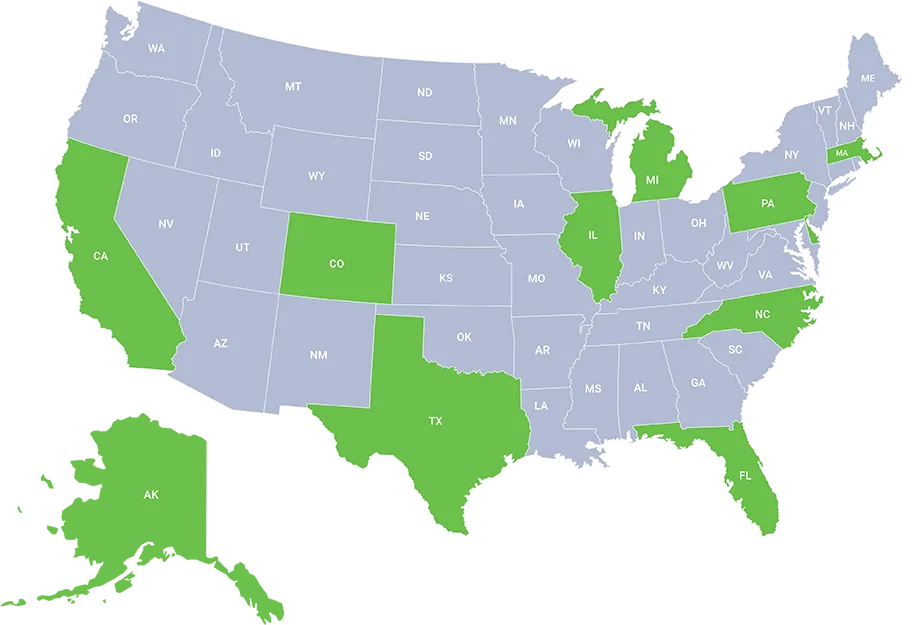
For adults in Rochester Hills, Oakland County, and Metro Detroit, the facility provides local access to treatment backed by Banyan Treatment Centers’ nationwide experience in addiction care. Patients who need withdrawal management can also be assessed for medical detox before transitioning into continued treatment.
Getting into treatment is easy with our free insurance verification
"*" indicates required fields
Why Assessment Matters Before Treatment Begins
A prescription-drug assessment should ask more than the name of the medication. The team needs to understand whether the person is taking a prescribed medication, using diverted pills, mixing substances, buying medication outside the pharmacy, or taking larger amounts to avoid withdrawal. The answer affects safety, withdrawal planning, and what kind of support the person may need next.
It is also important to ask what the medication was originally treating. Pain, panic attacks, insomnia, ADHD symptoms, trauma, and depression can all become part of the recovery picture. If those concerns are ignored, the person may leave treatment without a plan for the symptoms that first made the medication feel necessary.
How Residential Care Can Help
Residential addiction treatment can give patients a break from access and habit. For someone who has been counting pills, hiding bottles, asking others for medication, or trying to manage withdrawal alone, a structured setting can reduce the daily pressure to keep the cycle going. The treatment plan can then focus on cravings, honesty, family communication, and safer long-term care.
Prescription drug rehab should also prepare patients to talk with outside medical providers after discharge. That may include being honest about substance use history, asking about non-addictive options when appropriate, and making sure one provider understands the full medication picture. Recovery is stronger when care is coordinated rather than fragmented.
The plan may also need to address privacy and fear. Some people worry they will be labeled as drug-seeking or judged for needing help with medication. Treatment should replace that fear with practical next steps: what needs medical oversight, what needs therapy, what needs family support, and what needs to change at home.
When a person has used more than one class of medication, sequencing matters. Stabilization may come first, then therapy and relapse-prevention work can focus on access points, emotional triggers, and safer ways to manage the symptoms that led to misuse.
Patients may also need to make decisions about pharmacies, prescribers, leftover medication, and people who still have access to pills. Those details are not side issues. They are often where relapse prevention becomes practical, especially after the person returns to work, school, or family responsibilities. Naming those risks during treatment can make the discharge plan more useful and easier for loved ones to support. It also gives patients language for asking for help.
Frequently Asked Questions

Related Reading:
Sources:
- Mayo Clinic. (n.d.). Prescription drug abuse: Diagnosis and treatment. https://www.mayoclinic.org/diseases-conditions/prescription-drug-abuse/diagnosis-treatment/drc-20376818
- MedlinePlus. (n.d.). Prescription drug misuse. https://medlineplus.gov/prescriptiondrugmisuse.html
- U.S. Food and Drug Administration. (2020). FDA requiring boxed warning updated to improve safe use of benzodiazepine drug class. https://www.fda.gov/drugs/drug-safety-and-availability/fda-requiring-boxed-warning-updated-improve-safe-use-benzodiazepine-drug-class
- Centers for Disease Control and Prevention. (2024). Preventing opioid use disorder. https://www.cdc.gov/overdose-prevention/prevention/preventing-opioid-use-disorder.html
- Michigan Department of Health and Human Services. (n.d.). Information for prescribers. https://www.michigan.gov/opioids/health-professionals/prescribers