
Written by: Banyan Editorial Staff | Medically reviewed by: Dr. Darrin Mangiacarne - Chief Medical Officer | Edited: September 2026
Opioid addiction can begin in different ways: prescribed pain pills after an injury, pills shared by someone else, heroin use, or fentanyl exposure in the illicit drug supply. However it starts, the pattern can quickly become driven by withdrawal, cravings, and fear of getting sick. Opioid addiction treatment in Rochester Hills gives adults a structured path toward stabilization and longer-term recovery.
Opioid Rehab With a Safety-First Plan
Banyan Treatment Center Michigan at Rochester Hills provides substance use treatment for adults who need help interrupting opioid use and building a recovery plan. The first step is understanding what the person is using, how often, whether fentanyl or other substances may be involved, and whether withdrawal needs medical support. The CDC explains that opioid use disorder treatment can include medications, counseling, and recovery support, but the right plan depends on clinical assessment and available services.
For some people, care begins with medical detox. For others, residential treatment is the more important next step after stabilization. Detox can help with withdrawal, but recovery also requires attention to cravings, routines, stress, relationships, and overdose-prevention planning.
Talk to someone 24/7: (947) 729-2837 - free and confidential
Understanding Opioid Addiction
Opioids affect pain, reward, and survival pathways in the brain. Over time, the body may become physically dependent, and the person may continue using mainly to avoid withdrawal. Yale Medicine's overview of opioid use disorder describes the condition as treatable but often requiring ongoing care rather than a quick fix.
Opioid addiction may involve prescription opioids, heroin, fentanyl, or a combination of substances. It can also look different from person to person. One patient may be trying to stop pills after surgery. Another may be using fentanyl daily. Another may have returned to opioids after a period of recovery. The treatment plan has to match the person's history, not just the category of drug.
Questions about our Facilities or Programs?
Our admissions coordinators are available 24/7 to answer any questions you may have as you consider whether treatment at Banyan is right for you or your loved one.
When Residential Opioid Treatment May Help
Residential addiction treatment can be helpful when the person needs separation from access, contacts, and routines that keep opioid use active. It also gives the team time to observe cravings, emotional triggers, sleep, motivation, and co-occurring symptoms after the initial stabilization phase.
Residential opioid rehab may be appropriate when:
- The person has relapsed after detox, outpatient care, or short-term support.
- Withdrawal fears make it difficult to stop using without medical help.
- There is concern about fentanyl exposure or overdose risk.
- Family members are exhausted from crisis cycles, promises, and relapse.
- The person needs daily structure before returning to home responsibilities.
Medication Education Without Overpromising Services
The FDA's information on medications for opioid use disorder describes approved options such as methadone, buprenorphine, and naltrexone. The National Academies also state that medications for opioid use disorder save lives, especially when treatment access and continuity are supported. These sources are important for education, but they do not mean every program provides every medication or that every patient receives the same plan.
At Banyan Treatment Center Michigan at Rochester Hills, staff review medication-related questions during admissions and clinical assessments. Opioid addiction treatment may involve medical support when clinically appropriate, but no specific medication is assumed until services and patient needs are confirmed.
Why Opioid Treatment Needs More Than Short-Term Stabilization
Opioid withdrawal can make stopping feel urgent, but withdrawal is only one part of the condition. Many people relapse after detox because the same pain, cravings, contacts, and stressors are waiting for them outside treatment. Residential care gives patients time to understand how use became routine and what needs to change before they return home.
The strongest treatment conversations are specific. What happens if the person has pain again? What if an old contact reaches out? What if shame after relapse makes another relapse more likely? Patients can work through those scenarios while they still have clinical structure.
Continuing Care After Detox or Residential Treatment
Michigan's opioid resource page describes treatment options that can include medication-based care, counseling, and recovery supports. That broader view matters because opioid recovery often extends beyond the first level of care. After residential treatment, patients may need outpatient therapy, peer support, family boundaries, relapse-prevention tools, and a plan for what to do if cravings return at home or during the first weeks after treatment has started.
The Rochester Hills team can help patients prepare for high-risk moments before they happen. This may include identifying people and places tied to use, planning for pain or stress without returning to opioids, and involving loved ones in a healthier support role when appropriate.
Preventing the Same Cycle After Treatment
Opioid recovery can be disrupted by predictable moments: pain flare-ups, contact with old suppliers, money stress, grief, loneliness, or the belief that one use will not restart the cycle. Residential treatment gives patients time to name those risks and practice responses before returning to daily life. A relapse-prevention plan should be simple enough to follow when cravings are high and specific enough to guide real decisions.
Getting into treatment is easy with our free insurance verification
"*" indicates required fields
Support for Loved Ones
Families often arrive tired, frightened, and unsure what boundaries are fair. Opioid rehab can help loved ones understand the difference between support and rescue. Admissions can also explain what information is useful before treatment begins, including recent use, withdrawal history, prior overdoses, other substances involved, and previous attempts at recovery. Loved ones can also ask how communication works during treatment, what boundaries may help after discharge, and how to respond if the person wants to leave care early or downplay risk.
What Patients Work on in Residential Care
Opioid rehab often includes rebuilding routines that were pushed aside by use: eating regularly, sleeping more consistently, attending therapy, being honest about cravings, and practicing a plan for stressful moments. These are not small details. They give recovery more structure once the person leaves treatment safely.
Why Choose Banyan for Opioid Addiction Treatment in Rochester Hills?
Opioid addiction often involves more than stopping use. Withdrawal, cravings, overdose risk, and returning to familiar triggers can all make maintaining recovery difficult. Banyan Treatment Center Michigan at Rochester Hills provides structured residential treatment where patients can step away from those pressures and work on relapse prevention, behavioral health needs, and recovery planning.
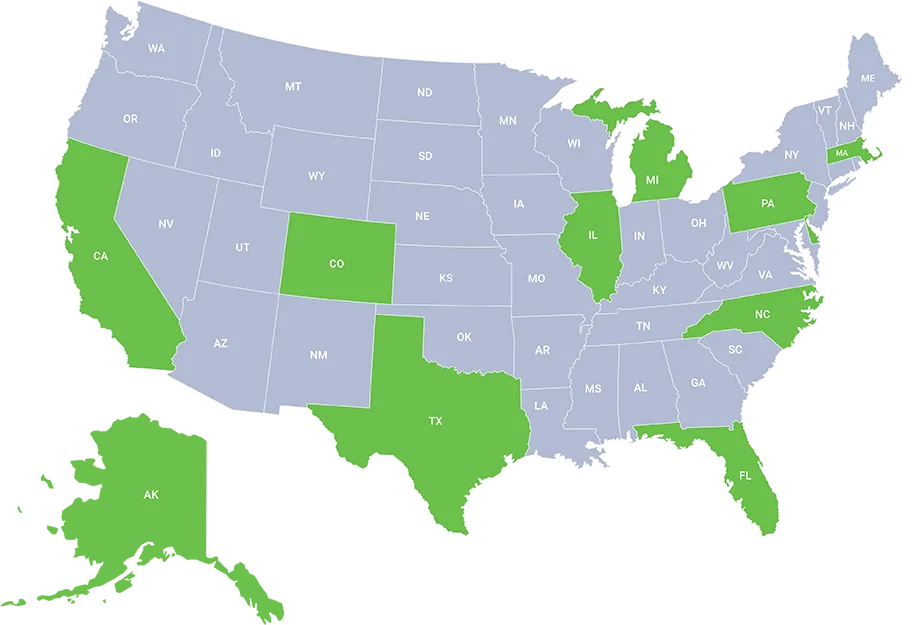
If withdrawal needs to be addressed first, medical detox is also available at the Rochester Hills facility. This allows patients in Rochester Hills and surrounding Metro Detroit communities to access multiple stages of addiction care locally while benefiting from the experience and resources of Banyan Treatment Centers’ nationwide network.
Insurance and Admissions
A confidential call can help you understand what information is needed before admission. You can also verify insurance to begin reviewing potential benefits and financial considerations.
Frequently Asked Questions

Related Reading:
Sources:
- Centers for Disease Control and Prevention. (n.d.). Treatment of opioid use disorder.
- U.S. Food and Drug Administration. (n.d.). Information about medications for opioid use disorder.
- National Academies of Sciences, Engineering, and Medicine. (2019). Medications for opioid use disorder save lives: Summary.
- Michigan Department of Health and Human Services. (n.d.). Treatment options.
- Yale Medicine. (n.d.). Opioid use disorder.