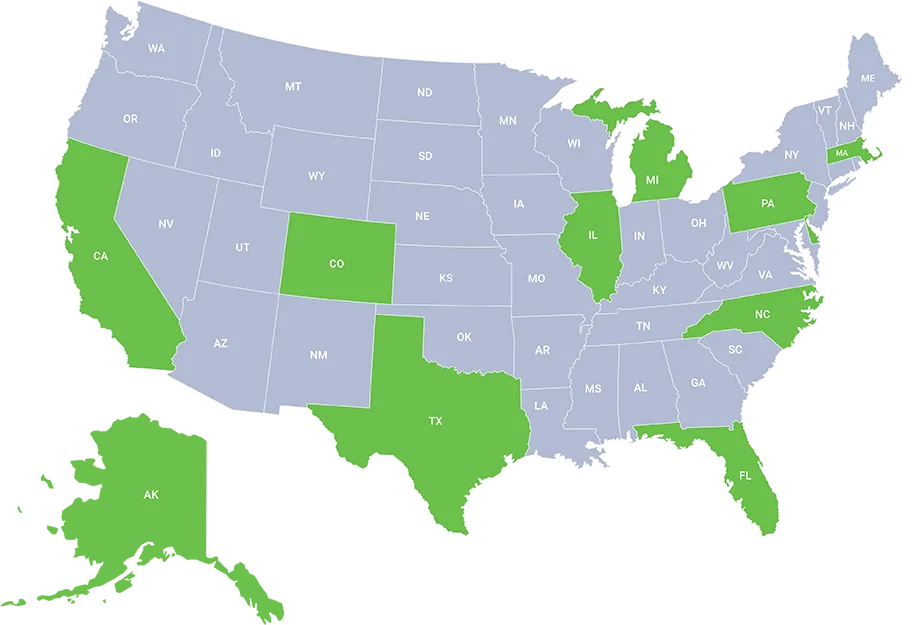

NEAREST BANYAN LOCATION
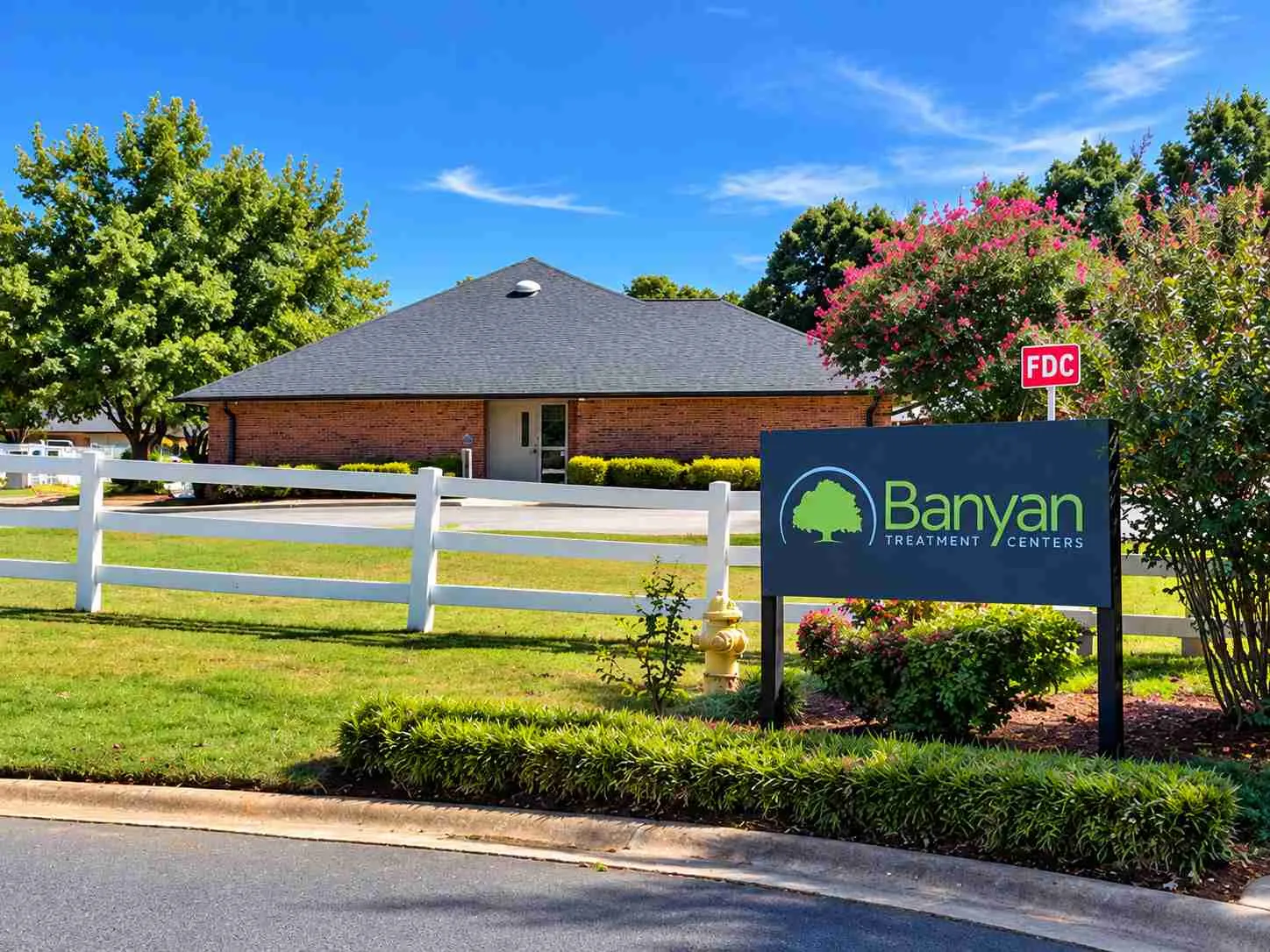
Banyan Treatment Center
Banyan Lake Norman, NC
• Accepting Admissions Now
| Mental Health Addiction Treatment | Coming Soon Yes |
| Inpatient Care Outpatient Programs | Yes Coming Soon |
| Dual Diagnosis | Yes |
Most insurances accepted
IN IMMEDIATE CRISIS?
988 Suicide & Crisis Lifeline
Call or text 988, 24/7.
For overdose or any medical emergency, call 911.
Medically Reviewed by:

Dr. Darrin Mangiacarne
Chief Medical Officer
At Banyan Treatment Centers, Chief Medical Officer Dr. Darrin Mangiacarne leads our nationwide clinical team with over a decade of addiction medicine experience, helping ensure evidence-based, compassionate care across every level of treatment.
Author / Written by: Banyan Editorial Staff
Medically reviewed by: Dr. Darrin Mangiacarne, DO, MPH - Chief Medical Officer
Updated on: September 2026
Mental Health & Addiction Support Near Charlotte, NC
Charlotte residents have access to substance use and mental health services throughout Mecklenburg County and the surrounding region. The U.S. Census Bureau 2025 place estimate lists Charlotte at approximately 964,784 residents. Available treatment options may include outpatient services, medical detox, residential addiction treatment, and care for co-occurring mental health and substance use concerns.
The appropriate level of care depends on individual needs, including substance use, withdrawal risk, medical considerations, mental health symptoms, previous treatment, and the amount of structure or support needed.
Banyan Treatment Centers North Carolina at Lake Norman is located in Mooresville, approximately 28 miles from Charlotte. The facility provides substance use treatment for adults, including medical detox and residential addiction treatment, with support for co-occurring mental health concerns when they are part of the substance use treatment plan.
Talk to someone 24/7: (704) 228-2044 - free and confidential
Mental Health and Substance Use in Mecklenburg County
Mecklenburg County provides several public resources related to substance use, overdose prevention, and behavioral health. The Mecklenburg County Overdose Data to Action program provides local overdose surveillance, prevention resources, naloxone information, and connections to treatment. The county’s Post Overdose Response Team also provides outreach and connections to treatment and recovery resources following an overdose.
For eligible residents, Alliance Health substance use disorder recovery services provides information about publicly supported substance use services, which may include outpatient treatment, residential services, detoxification, peer support, and recovery resources.
Additional public health information is available through North Carolina overdose epidemic data, which provides state and county-level overdose information. County Health Rankings for Mecklenburg County provides information about health outcomes, access to care, and other community health factors, while the CDC’s DOSE-SYS nonfatal overdose surveillance data provides broader information about nonfatal overdose trends.
Local and state data can help illustrate behavioral health and substance use trends in Mecklenburg County, but individual treatment needs vary. A clinical assessment can help identify an appropriate level of care based on factors such as substance use, withdrawal risk, medical needs, and co-occurring mental health concerns.
Local and Regional Treatment Options Near Charlotte
Charlotte residents may encounter a range of local and regional substance use and behavioral health services. Private treatment providers that may appear in regional searches include Anuvia Prevention & Recovery Center, The Blanchard Institute, and McLeod Centers for Wellbeing in Charlotte, as well as Southeastern Recovery Center and Pyramid Healthcare in Concord.
Available services vary by provider and may include outpatient care, medication-supported treatment, intensive outpatient services, withdrawal management, residential treatment, and recovery support.
When comparing treatment options, individuals and families can consider available levels of care, clinical focus, support for co-occurring conditions, insurance participation, admission requirements, and continuing-care planning. A clinical assessment can also help identify the appropriate level of care based on individual needs.
When Treatment Outside Charlotte May Be Considered
Treatment outside Charlotte may be considered when the recommended level of care or specific services are not available locally or when another regional program is a better clinical fit. For example, an individual may need medical detox, residential addiction treatment, or other structured services that require facility-based care. Local treatment may still be appropriate when available services match the individual’s needs.
Banyan Treatment Centers North Carolina at Lake Norman is located in Mooresville, approximately 28 miles from Charlotte, with travel times often around 35 to 45 minutes depending on route and traffic.
The facility primarily provides substance use treatment for adults, including medical detox and residential addiction treatment. Co-occurring mental health concerns may also be addressed as part of substance use treatment when clinically appropriate. Individuals seeking treatment specifically for a primary mental health condition may need a different treatment option.
Substance Use and Co-Occurring Concerns
Treatment may address alcohol addiction and concerns involving opioids, fentanyl, prescription drugs, cocaine, methamphetamine, benzodiazepines, or multiple substances. Co-occurring concerns such as anxiety, depression, trauma-related symptoms, mood changes, or sleep problems may also affect treatment planning.
At Banyan, care may include assessment, medical detox when withdrawal requires monitoring and support, residential treatment, individual and group therapy, relapse-prevention planning, coping-skills development, family involvement when appropriate, and continuing-care planning.
A clinical assessment can help identify substance use patterns, withdrawal risk, medical considerations, co-occurring mental health symptoms, previous treatment, and other factors that may influence the recommended level of care.
Questions to Ask Before Choosing a Program
- Does the provider offer medical detox, residential care, outpatient care, or a combination of services?
- How does the program evaluate withdrawal risk, medical needs, co-occurring symptoms, and safety?
- What type of continuing-care plan is discussed before discharge?
- How are insurance benefits, authorization requirements, and possible patient responsibility reviewed?
Insurance and Admissions
Insurance coverage for addiction treatment depends on the individual plan, facility, level of care, medical necessity, network status, deductible, coinsurance, and authorization requirements. Banyan can help Charlotte residents and their families verify insurance benefits before admission to better understand potential coverage and financial considerations. Verification does not guarantee coverage or admission.
During the admissions process, the team can discuss current substance use, withdrawal concerns, medical needs, previous treatment, co-occurring mental health symptoms, safety considerations, and other relevant information. This conversation can help identify available treatment options and whether further clinical assessment may be appropriate.
Loved ones can also contact admissions with questions about available programs, insurance verification, and next steps.
Getting into treatment is easy with our free insurance verification
"*" indicates required fields
Common Questions From Charlotte Families
Does Banyan have a Charlotte facility?
No. Banyan’s North Carolina facility is located in Mooresville. It may be an option for Charlotte residents who need medical detox or residential addiction treatment when that level of care is clinically appropriate.
Can local Mecklenburg resources still help?
Yes. County and public resources can provide information, referrals, crisis support, harm-reduction resources, and connections to treatment. A clinical assessment can help identify whether outpatient care, medical detox, residential treatment, or another level of care may be appropriate.
Can family members call admissions?
Yes. Loved ones can contact admissions to ask questions, share relevant information, and learn about possible next steps. Privacy and consent requirements still apply to adult patients.
Support for Loved Ones in Charlotte
Family members and loved ones may have questions about how to support someone who is experiencing substance use concerns or considering treatment. They can contact a treatment provider to learn about available services, the admissions process, and what information may be helpful when discussing treatment options.
Before contacting admissions, it can be helpful to gather relevant information about the substances involved, recent use, withdrawal symptoms, medical concerns, co-occurring mental health symptoms, and previous treatment. This information helps the admissions team understand the situation without requiring loved ones to determine a diagnosis or level of care.
For adult patients, privacy and consent requirements still apply. Family members can provide information and ask questions, while treatment recommendations should be based on the individual’s clinical needs and assessment.
Planning for Treatment After the First Call
After the initial conversation, the next step depends on the individual’s clinical needs and available treatment options. A clinical assessment can help identify whether medical detox, residential addiction treatment, outpatient services, or another level of care may be appropriate.
For Charlotte residents considering treatment at Banyan’s Mooresville facility, planning may include transportation, insurance verification, admission requirements, and other practical arrangements. The admissions team can explain what may be needed before treatment begins and answer questions about available programs.
If another level of care or service is more appropriate, individuals and families can use the information from the admissions process to continue exploring suitable treatment options.
Continuing Care After Residential Treatment
Continuing care can help support the transition from residential treatment to ongoing recovery services. The specific plan depends on individual needs and may include outpatient treatment, individual or group therapy, peer recovery support, medication management when appropriate, medical follow-up, or other community-based services.
Continuing-care planning may also address relapse-prevention strategies, coping skills, family involvement when appropriate, and how the individual can access additional support after leaving residential treatment.
Recommended services and the level of ongoing support should be based on clinical needs, progress during treatment, and available resources.
Questions about our Facilities or Programs?
Our admissions coordinators are available 24/7 to answer any questions you may have as you consider whether treatment at Banyan is right for you or your loved one.
Choosing Between Local and Regional Care
Charlotte residents may have access to both local and regional treatment options. The appropriate choice depends on the individual’s clinical needs, recommended level of care, available services, insurance coverage, and other practical considerations.
Local outpatient treatment may be appropriate for some individuals, while others may need medical detox, residential addiction treatment, or another structured level of care. Banyan’s Mooresville facility may be considered when its available substance use treatment services align with the individual’s needs.
A clinical assessment can help identify an appropriate level of care and provide information individuals and families can use to compare available treatment options.
Start Your Journey Toward Healing
Choosing treatment can involve questions about available programs, insurance coverage, and the appropriate level of care. You do not need to have every detail figured out before reaching out.
Banyan’s admissions team can answer questions about available treatment options, verify insurance benefits, and explain possible next steps based on individual needs.
Contact Banyan to speak with admissions or begin with insurance verification.
Disclaimer:
The information on this page is for educational purposes only and is not a substitute for professional medical advice, diagnosis, or treatment. If you or a loved one needs support, please contact Banyan Treatment Centers or a qualified clinician. For overdose and related medical emergencies, dial 911.
What Our Patients Are Saying


Getting Into Treatment Is Easy. Here's How to Get Started!

Call Us Anytime
Speak with our compassionate admissions specialists to discuss your situation and explore treatment options.

Initial Assessment
We conduct a thorough evaluation to determine the best level of care tailored to your needs.

Financial Guidance
Our team will verify your insurance coverage and provide transparent cost information.

Begin Your Recovery
Once everything is set, you’ll be welcomed into our program and start your journey toward healing.