
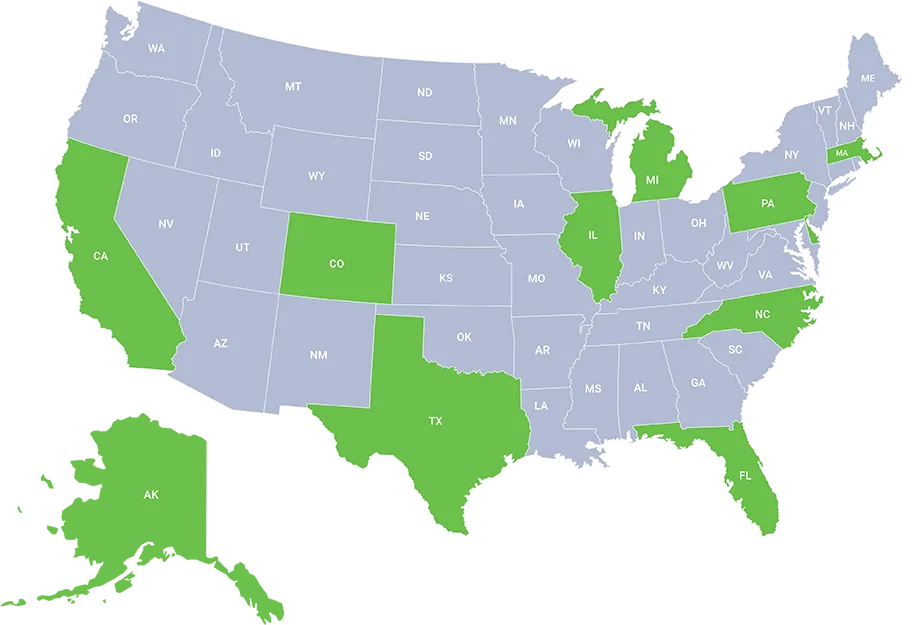

FIND THE NEAREST BANYAN STATE
Banyan Treatment Centers
Virtual Mental Health and Addiction Treatment

• Accepting Admissions Now
| Mental Health Addiction | Yes Yes |
| Inpatient Outpatient Telehealth | No Yes Some States* |
| Dual diagnosis | Yes — integrated |
| Accreditation | Joint Commission |
Most insurances accepted
If you or someone you know is in crisis, confidential help is available 24 hours a day, 7 days a week.
988 Suicide & Crisis Lifeline
Call or text 988 · 24/7
Medically Reviewed by:

Dr. Darrin Mangiacarne
Chief Medical Officer
At Banyan Treatment Centers, Chief Medical Officer Dr. Darrin Mangiacarne leads our nationwide clinical team with over a decade of addiction medicine experience, helping ensure evidence-based, compassionate care across every level of treatment.
Author / Written by: Banyan Editorial Staff
Medically reviewed by: Dr. Darrin Mangiacarne, CMO
Updated on: October 2026
Sometimes, finding your footing in recovery means you need more than just a weekly check-in, but you’re not ready (or able) to step away from your daily life. Virtual intensive outpatient programs (IOP) bridge that gap, offering real structure, clinical support, and expert guidance without leaving home.
Yet what does it really feel like to take part in a virtual IOP? How can you tell whether this kind of care is suitable for you? Below, we dive into what to expect. From your first talk with a provider, including info about how the sessions function, to what makes virtual treatment special, pros & cons, and the situation regarding privacy and progress when support is given through a screen.
What Does “Virtual IOP” Actually Mean?
An intensive outpatient program, or IOP, is a structured level of outpatient care. Typically, you live at home and come in more frequently than you would for regular outpatient care. As SAMHSA notes on their list of different types of addiction treatment programs, “Intensive outpatient and partial hospitalization services can provide more frequent appointments than traditional outpatient treatment. They can include individual appointments, group sessions, education classes that teach people new skills for dealing with problems, and care coordination.” The number of hours and frequency of treatment will vary depending on your provider and the specific treatment plan.
An online or virtual IOP provides structured IOP programming using Telehealth technology. “Online IOP” and “telehealth IOP program” are common alternate terms for the same service. Though related, these terms are not interchangeable in all contexts.
- Telehealth is a tool or mode of communication.
- Virtual care is an umbrella term for all kinds of services and encounters.
- An intensive outpatient program is a specific level of care and treatment.
- An online therapy service might include a weekly appointment.
- Not all virtual care is intensive, structured outpatient programming.
- Not all telehealth treatment is intensive.
What this means is that the term "virtual" refers to the location and manner in which care takes place, whereas "IOP" refers to its structure and the level of intensity it has.

How it Works: The Telehealth Process from Consult to Scheduling
Instead of beginning a virtual IOP by attending a group session, the first move is generally to have an intake or clinical assessment so that the clinical team can work out what services are required, whether a virtual IOP is suitable, and what should be given priority in treatment.
#1) Assessment & level of care evaluation
Initial assessments or screenings evaluate:
- concerns that led the individual to treatment
- current symptoms
- level of functioning
- safety
- medical issues
- treatment history
- home environment
- whether or not they can participate remotely
When it comes to treatment for substance use, placement is not based entirely on the diagnosis or the particular substance involved. Instead, the level of withdrawal risk, any existing medical conditions, any co-occurring disorders, the type of recovery environment, and any other needs all have an impact on the suitable treatment setting.
#2) How we come up with the treatment plan
When it is considered that a virtual IOP is suitable, the treatment provider will prepare a personalized treatment plan. This plan will set out the treatment objectives, the services and how often they are to be provided, include arrangements for tracking progress, and specify the steps to be taken if the symptoms (or needs) get worse.
The provider will also tell you how to get access to the telehealth platform, what is expected of you in terms of participation, the privacy protections available, the emergency procedures, and what action to take if technical problems arise.
#3) Virtual sessions and what to expect
Treatment follows a set schedule, which is generally more frequent and longer than standard outpatient services. A virtual IOP can include a combination of:
- group therapy
- individual therapy
- education
- skills training
- family involvement (depending on the program and what’s appropriate)
The team will monitor the person’s attendance and progress throughout treatment. If needed, the plan can be revised, and transition planning should start prior to the last session.
No two online IOP programs follow the same schedule & plan. The number of sessions per week, the length of each session, the overall duration of the program, and the types of services offered can all differ.
If you are considering a virtual IOP, you can call and request our schedule information. On the call, you can confirm if this program meets your needs and go over factors like time zone, work or school commitments, privacy, and other obligations.
Questions about our Facilities or Programs?
Our admissions coordinators are available 24/7 to answer any questions you may have as you consider whether treatment at Banyan is right for you or your loved one.
Virtual IOP for Mental Health Treatment
A virtual mental health IOP may be considered when more structure and clinical contact are needed for someone than occasional outpatient therapy, but who can participate safely outside a 24-hour setting.
For the right candidate, that means a consistent treatment schedule without leaving home or giving up work, school, parenting, and other daily activities.
The National Institute of Mental Health states that virtual mental health services may involve assessment, treatment planning, and individual, group, or family therapy; highlighting technology, privacy, security, and provider experience as practical considerations.
Treatment decisions are almost never made on the basis of the diagnosis alone, and this is true of virtual IOP for mental health as well. In order to decide if a patient is suitable and a good match, clinicians take into account the severity of the symptoms, the patient's immediate safety, their level of functioning, their past treatment experience, their medical condition, the support systems available to them, and other relevant factors. They also consider whether our virtual program is appropriate and whether it can be delivered remotely in a private, safe, and stable home environment.
Banyan Treatment Centers provides a dedicated pathway for virtual IOP for mental health, subject to clinical fit, program availability, and state eligibility. Talk with our admissions team today to learn more about our program!
Virtual IOP for SUDs
Telehealth may be appropriate to deliver addiction treatment services if your intake assessment reveals that a remote outpatient program is appropriate. A substance abuse virtual IOP may focus on:
- cravings
- triggers
- coping skills
- substance use patterns
- relapse prevention planning
- recovery support
- co-occurring mental health treatment
Some individuals enter an IOP directly, while others transition to a virtual IOP after completing a higher level of care.
The exact elements of virtual programming will differ according to the provider and the individualized treatment plan; the main emphasis must always be on substance use, recovery objectives, any co-occurring disorders, and the suitable level of support required in order to be able to make safe progress.
Virtual IOP is not a substitute for medically supervised withdrawal management when stopping or reducing alcohol, benzodiazepines, opioids, or other substances creates meaningful medical risk. Acute intoxication, significant withdrawal risk, unstable medical concerns, or immediate safety needs may require urgent evaluation or a different setting. A clinician should determine whether detoxification, residential care, partial hospitalization, in-person IOP, or another service is more appropriate.
The fact that someone is using a substance does not mean that an online IOP is safe or appropriate.
Virtual Dual Diagnosis: When Addiction & Mental Condition Overlap
Co-occurring disorders mean that a person has both a mental health issue and a substance use problem at the same time. The two conditions can influence one another or make it hard to determine what is causing the problem at present, thus making it more difficult to carry out assessment and treatment planning. It is wrong for a provider to assume that treating one disorder will cure the other.
SAMHSA’s guidance on co-occurring disorders recommends integrated attention to mental health and substance use needs. Care may be coordinated across providers, delivered in the same setting, or integrated within one treatment team, depending on the program. The key takeaway is that both aspects of a client’s mental health need to be considered and addressed without making a client navigate two different treatment plans.
The provider had to obtain a complete understanding of the person’s present symptoms, substance use, medications, physical health, safety concerns, recovery supports, and their home environment, even if the treatment was given virtually. Although some clients who have co-occurring disorders may be able to take part in online treatment, others may need face-to-face services, more intensive monitoring, or a higher level of care.
Banyan offers a pathway for virtual care for co-occurring disorders. As with other virtual services, participation depends on assessed needs, eligibility, and current availability, not diagnosis alone.

Who May Be a Good Fit for Virtual IOP?
Virtual IOP may be appropriate if a patient needs more consistency than infrequent visits and can attend regularly scheduled sessions. For some, it may allow them to maintain some level of structured care while returning to employment, schooling, caregiving, or other obligations. Successful attendance at virtual IOP often requires an adequate level of medical and behavioral stability, as well as access to consistent connectivity and the means to maintain privacy during sessions.
While these requirements are necessary for virtual IOP success, they aren’t the only considerations.
While someone may be able to sit in a quiet space with good internet service, they may still require a higher level of care, whereas another person may benefit from significant support while still being able to attend sessions at home. A comprehensive clinical evaluation considers factors like safety risks, daily functioning, co-occurring physical conditions, presenting symptoms, prior treatment history, available support systems, and whether the program’s offerings align with the patient’s unique needs.
When Another Level or Setting of Care May Be More Appropriate
A patient may benefit from an in-person evaluation or a higher level of care if he or she exhibits any of the following conditions: significant withdrawal risk, acute medical condition, imminent threat of harm to self or others, symptoms that require closer observation or stabilization, or an inability to safely and privately participate in treatment sessions from home. The program should also have a plan for reassessing care needs as the patient progresses.
Please note that virtual IOP is not intended to serve as emergency or crisis intervention. If you are in the United States, you can call or text 988 to reach a crisis line. If you feel you may be in immediate danger or experiencing a medical emergency, call 911 or visit your nearest emergency room.
Getting into treatment is easy with our free insurance verification
"*" indicates required fields
What Happens During Virtual IOP Treatment?
A virtual IOP should function as a single treatment program rather than a string of separate telehealth appointments. For example, participants check in regularly to attend group classes with the same people, work through structured topics, see their clinician individually (if that’s included), and try out new skills in everyday situations between appointments. Because different programs do things differently, ask your provider how a week typically unfolds.
Individualized Treatment
You’ll likely have individual sessions, regular assessments, and coordination with other providers so that you can make the most of the group experience. Depending on your situation, your clinician might incorporate cognitive behavioral therapy, dialectical behavior therapy, motivational interviewing, trauma-informed therapy, or another evidence-based approach. However, it would be unrealistic to expect that all virtual IOPs include all types of therapies. Some virtual IOPs offer medication management, while others do not.
Family and Recovery Support
Family participation may be useful when it supports treatment goals and the patient agrees. Some programs include family education, family therapy, and aftercare planning. If your virtual IOP is for substance use, your team may continue to address recovery supports and relapse prevention after your IOP is completed.
Throughout treatment, clinicians should monitor response, participation, safety, and whether the current level of care remains appropriate. Good care also includes how you’ll transition to the next level of care, which might mean returning to regular outpatient visits, scheduling a medication appointment, getting connected with peers or community services, or transitioning to another type of care if your needs change.
Advantages and Limitations of Online Mental Health & Addiction Treatment
Potential Advantages
- Offers greater convenience and flexibility. For instance, it may remove the need to plan and manage a commute to attend IOP.
- Allows a person to keep working, attending school, & meeting other obligations or commitments during treatment.
- Helpful for people with disabilities or mobility issues, caretakers or parents, and others who can’t easily step away for long periods of time.
- Easier to apply coping and treatment techniques at home.
- May help people transition into everyday life while still having a support system to rely on.
Potential Barriers
- Connection issues, camera malfunctions, tech glitches, poor-quality sound, and other issues can derail virtual appointments.
- May be unfit for people who don’t connect well with others through a screen. Some people simply do better with in-person treatment.
- Virtual access doesn’t allow a mental health provider to perform certain functions.
- May not always be an option due to licensure requirements, treatment eligibility, and other factors that vary from state to state.
- At-home access may come with everyday triggers, distractions, and interruptions.
Virtual vs. In-Person IOP
Virtual or in-person intensive outpatient treatment are good options for those who’ll benefit from structured treatment but don’t need something as intense as residential programs. Both offer similar benefits such as a clinical assessment, a personalized treatment plan, services from qualified professionals, and more. However, notable differences exist between the two that people should be aware of.
In a virtual IOP, the participant joins from home or another approved private location. Travel may be reduced, but reliable internet, compatible equipment, and a confidential setting become essential. The person and provider also need a clear plan for technology failures and urgent concerns.
For those attending in-person IOP
Patients must make it to the treatment location. This can be challenging if some face transportation struggles, live far from the desired center, can’t get away from work, have limited time, etc.
In-person care does offer other benefits, though. For instance, treatment centers can provide a supportive environment. This means that the facility has the right atmosphere for healing.
Providers can also better manage their treatment spaces and make resources available at the moment.
For those connecting virtually
Virtual IOP programs are similar to in-person programs in that they provide a structured level of care. However, they can be challenging for people who don’t have reliable internet, a computer or smartphone, a quiet or private space, etc.
Treatment programs should also have processes in place in case of technical issues or mental health crises during treatment.
The intensity of care should not be judged by the screen. “Virtual” is a delivery format, while “IOP” is a level of care. At the same time, similar schedules or service names do not establish that virtual and in-person formats are interchangeable for every patient.
In the end, it comes down to individual circumstances. Talking with our admissions team can help you figure out whether virtual or in-person treatment is a better fit. Don’t be afraid to ask questions; it can be helpful to get more granular details.
- Where will you go during treatment?
- Who else is present?
- How will you deal with interruptions?
- What if you lose the internet?
What Does Research Say About Virtual IOP Effectiveness?
Available studies suggest that virtual intensive outpatient care can be feasible and beneficial in the populations studied, but the evidence does not show that it is equally effective, equally safe, or appropriate for every person.
Mental Health Evidence
A 2022 study evaluated outcomes for 191 patients in an office-based IOP prior to the pandemic and 200 patients in a telehealth IOP during the pandemic.
Patients in both programs had significant reductions in their PHQ-9 depression scores and GAD-7 anxiety scores. No statistically significant differences in the score changes between the two programs or in participation rates. The study examined a wide range of diagnoses but did not randomize participants, and the two groups were treated in different time periods.
This limits the generalizability of the results to other settings, considering the effects of the pandemic and variations in each program’s approach.
Substance Use Disorder Evidence
A longitudinal study followed up with adults who were discharged from substance use IOP delivered in person, in a hybrid format, or virtually. At the three-month follow-up, the researchers found no significant differences between the groups on several self-reported measures, including continuous abstinence, health, and quality of life.
However, only 1,060 of 3,642 eligible patients (29.1%) completed the three-month follow-up. Outcomes were self-reported, the study took place during the pandemic, and the participants were not randomized into groups.
The researchers concluded that additional research is needed to evaluate these outcomes.
Another observational analysis of 1,410 patients in substance use IOP programs found that the percentage of no-shows was lower and the rate of staff-approved discharge was higher in the virtual group than in the in-person group.
This indicates better engagement and retention, but it does not prove that the virtual program led to better outcomes. Variations between patients, clinicians, programs, and the ongoing pandemic could have impacted these results.
These studies provide evidence that virtual IOP can be implemented successfully and should be further studied. They also suggest that we should not make claims that virtual care is equivalent to in-person care for everyone. Program quality, population, clinical fit, measurement methods, and the support available outside sessions all matter.
Privacy & Technology Requirements for Virtual IOP
Most virtual programs require participants to use a computer, tablet, or compatible smartphone with a reliable internet connection and audio and video capabilities. The federal Telehealth Preparation Guide states that most telehealth visits require access to the internet and a mobile device or computer with audio and video capabilities. Programs may have additional requirements for the platform or web browser.
- Before beginning treatment, prospective participants should find a private space where their conversations cannot be easily overheard.
- While headphones may help reduce ambient noise, they won’t prevent others from hearing what you say out loud.
- You should also password-protect your device, keep it updated, avoid using public Wi-Fi, and know how to reach your provider if you experience technical difficulties.
- Prospective participants should also find out how the program handles attendance, cameras, messaging, documents, and emergency contacts.
Programs are also responsible for protecting client information. The U.S. Department of Health and Human Services has issued recommendations for privacy and security in telebehavioral health, including verifying patient identity, discussing the risks of telehealth, and having plans in place to address interruptions.
Our telehealth program is HIPAA-compliant. Prospective participants can ask our providers how we protect privacy, what technologies we use, and what they expect participants to do during virtual sessions.
Privacy is also a human issue. Even if a connection is technically secure, someone may still be able to overhear a session or walk into the room. Participants should inform the program of any privacy concerns so the team can determine whether there are reasonable ways to mitigate those risks.
How Much Does Virtual IOP Cost, and Will Insurance Cover It?
There is no universal cost for a virtual intensive outpatient program. This varies based on multiple factors such as insurance carrier, plan type, deductible, copayment or coinsurance, in-network or out-of-network, medical necessity criteria, authorization, length of stay, state, and services provided.
HealthCare.gov’s mental health and substance use coverage guide states that Marketplace plans must cover these services. They’re required to be covered as one of the 10 Essential Health Benefits. However, coverage varies depending on your state and plan, and additional authorization and other care-management rules may apply. Just because there’s a general requirement doesn’t mean all types of virtual IOP will be covered by your plan, even if you have a Marketplace plan.
Before enrolling, ask both the program and insurer about the exact provider, level of care, dates or duration of authorization, in-network or out-of-network status, deductible, copay or coinsurance, and possible out-of-pocket expenses. Banyan has an insurance verification tool that can help you check your insurance benefits and talk with the program about financial assistance. Insurance verification does not guarantee payment, admission, or clinical eligibility.
Choosing the “Best” Virtual IOP Program
There is no “right” answer to “what is the best virtual IOP?” A better way to look at it is whether it meets the patient’s needs, the clinical services provided, and how the program manages safety for clients participating in treatment remotely.
To begin, verify the program's licensure and accreditation. Are the clinicians properly licensed in the client's state of residence? What are their qualifications and experience treating clients with the relevant diagnoses? Has there been a clinical assessment? What populations and diagnoses can the program effectively treat?
Not every program that offers addiction treatment also provides mental health treatment, and vice versa.
Questions to Ask a Virtual IOP Provider
According to SAMHSA's quality treatment guidelines, individuals considering a treatment program should consider questions such as:
- What services are covered and how much programming takes place each week?
- What is the balance between the group and individual components?
- What treatment methods do you employ and how do you match these to individual cases?
- Can the program provide for both mental health and substance use needs?
- Is medication management provided when it is relevant, or is it arranged at another place?
- What measures does the team take to monitor progress and review the level of care?
- What would occur if the symptoms got worse or if a crisis arose during a virtual session?
- How does the program ensure privacy, and what do participants have to do?
- What is the procedure when technology fails?
- What is done regarding family involvement, the coordination of care, and aftercare?
- Is the provider accepted by the network, and is prior authorization needed?
The program should be transparent about how it treats participants and should not make guarantees about the results of treatment.
Ask how the program measures progress. The program may rely on a variety of tools, including outcome measures, clinical evaluation, attendance records, treatment goals, and participant self-report. No single measure should be used to dictate the entire course of treatment. Instead, the program should monitor the participant periodically and adjust treatment plans if the current plan is not effective. Additionally, if consent is given, the program should also be able to explain how it shares information and makes referrals with other providers.
How to Start Virtual IOP at Banyan
If you're considering Virtual IOP treatment at Banyan Treatment Centers, our admissions team can assess your current situation, history, needs, and state of residence. We can discuss options, assist with insurance benefit verification, and describe the assessment process.
A clinical assessment can help determine if the Virtual IOP program is the right level of care and if the specific program is available in an eligible state. If admitted, we will provide information regarding onboarding procedures and the current schedule.
Please note that availability, scheduling, services, and eligibility may change; contact us to confirm. Our contact and verification of benefits does not guarantee acceptance or coverage, or the availability of a specific start date.
FAQ + Final Takeaway
Find Out Whether Virtual IOP May Fit Your Needs
If you’re trying to figure out if virtual IOP with Banyan Treatment Centers could be a good fit for you, our admissions team can share what they offer for mental health, substance use, and dual diagnosis.
They can also share what the eligibility requirements are for each program, how to verify insurance coverage, and what the evaluation entails. Talking to an admissions counselor can help you learn about your options and what a clinical assessment would cover to make a level-of-care recommendation.
What Our Patients Are Saying


Getting Into Treatment Is Easy. Here's How to Get Started!

Call Us Anytime
Speak with our compassionate admissions specialists to discuss your situation and explore treatment options.

Initial Assessment
We conduct a thorough evaluation to determine the best level of care tailored to your needs.

Financial Guidance
Our team will verify your insurance coverage and provide transparent cost information.

Begin Your Recovery
Once everything is set, you’ll be welcomed into our program and start your journey toward healing.