
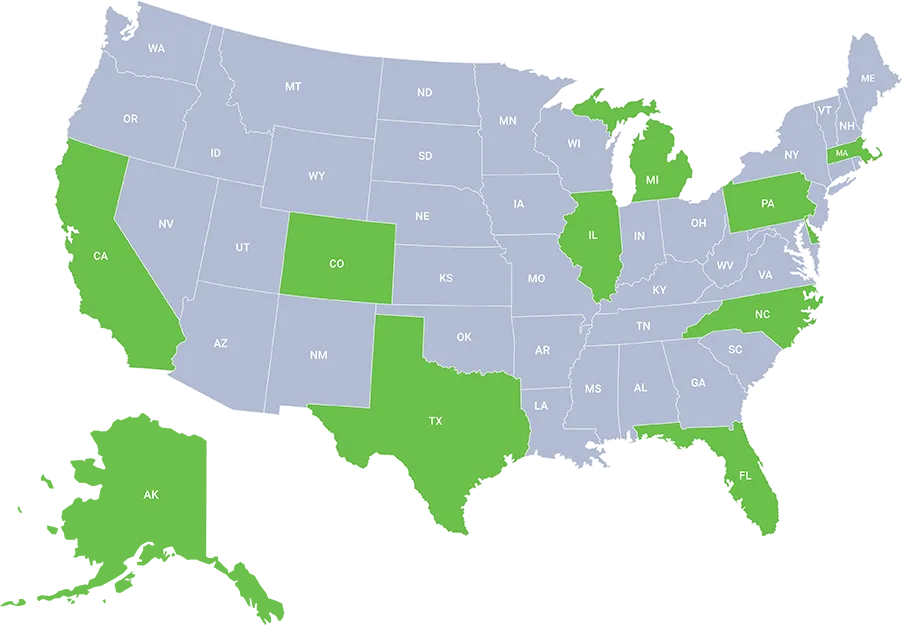

FIND THE NEAREST BANYAN LOCATION
Banyan Treatment Centers
Mental Health Care Nationwide

• Accepting Admissions Now
| Mental Health Addiction | Yes Yes |
| Inpatient Outpatient Telehealth | Yes Yes Some States* |
| Dual diagnosis | Yes — integrated |
| Accreditation | Joint Commission |
Most insurances accepted
If you or someone you know is in crisis, confidential help is available 24 hours a day, 7 days a week.
988 Suicide & Crisis Lifeline
Call or text 988 · 24/7
Medically Reviewed by:

Dr. Darrin Mangiacarne
Chief Medical Officer
At Banyan Treatment Centers, Chief Medical Officer Dr. Darrin Mangiacarne leads our nationwide clinical team with over a decade of addiction medicine experience, helping ensure evidence-based, compassionate care across every level of treatment.
Author / Written by: Banyan Editorial Staff
Medically reviewed by: Dr. Darrin Mangiacarne, CMO
Updated on: October 2026
Partial hospitalization programs (PHP) and intensive outpatient programs (IOP) offer more care than a single weekly therapy session. Both can address mental health or substance use issues, or the two combined, depending on clinical assessment.
While not identical, the programs are "outpatient" because they don't require an overnight stay at a treatment facility. A partial hospitalization program may involve a full day and closer monitoring. Support housing can be an option during PHP. An intensive outpatient program offers structured treatment, but for fewer weekly hours.
At Banyan, the decision to enroll someone in either a PHP or IOP is a clinical one. Our medical team decides how to place someone based on their day-to-day function, medical and clinical acuity, safety, their nighttime environment and what they can achieve between treatment sessions.

What PHP and IOP Mean Within Outpatient Care
On the levels of care continuum, PHP and IOP are both examples of outpatient treatment. Each option can be appropriate for an individual at different points on their recovery journey.
What Is a Partial Hospitalization Program?
A PHP is a high-intensity outpatient program. It delivers structured daytime treatment without routine overnight care. For coverage, Medicare has a specific definition of a PHP. It typically involves between four and eight hours of care per day, or at least 20 therapeutic hours per week.1
PHP doesn't include overnight treatment, but support housing can be an option. Support housing can provide a substance-free environment.
For some, a PHP is a step-down from residential care or a way to prevent having to go into a different mental health level of care. They often still need more than a few hours of weekly therapy. Their daily functioning may be impaired and they may still have active symptoms, such as depression or anxiety, trauma symptoms, mood instability, or co-occurring substance use.
Questions about our Facilities or Programs?
Our admissions coordinators are available 24/7 to answer any questions you may have as you consider whether treatment at Banyan is right for you or your loved one.
Where Standard Outpatient Treatment Fits
After completing a PHP or IOP, a person may continue to receive care through a standard outpatient treatment program. Contact between an individual and their care team is less frequent during standard outpatient treatment. Medicare offers coverage for a variety of treatments, including therapy sessions, an annual depression screening, and a follow-up phone call after treatment in an emergency setting.3
Level of care decisions are made at the clinical level, with an individual's safety being one of the primary considerations.
PHP versus IOP at a Glance
Factor | PHP | IOP | Why it matters |
Relative intensity | Higher intensity | Moderate intensity | Both PHP and IOP are more intensive than standard outpatient care but less so than a 24/7 residential program. |
Common time commitment | PHP and IOP offer more structure and support than standard outpatient, but the level of care is different. | ||
Overnight stay | Possibly in support housing | Patient returns to home environment overnight | Individuals in a PHP may need nighttime support |
Clinical monitoring | Frequent | Less frequent | Individuals in a PHP often need clinical monitoring to maintain safety. |
Ability to attend work/school | Depends on the patient and clinical assessment | Depends on the patient and clinical assessment | PHP is often necessary when an individual doesn't yet have the skills needed to return to work or school. |
Factor | PHP | IOP | Why it matters |
Ability to practice skills independently | Depends on the patient and clinical assessment | Depends on the patient and clinical assessment | PHP helps individuals build the ability to practice independently. Those in an IOP may apply what they learned in one session to real life. |
Home or nighttime environment | Support housing can be an option | Patient may stay at home overnight | Those in an IOP may need less support overnight while those in a PHP may continue to need structure and support in their nighttime environment |
Common entry point | Can be from residential care or from an IOP | From residential care or a PHP | PHP is often the next step after residential treatment. Some may move directly to IOP. |
Step-down or step-up role | Either, depending on the patient's needs and previous level of care | Either, depending on the patient's needs and previous level of care | Sometimes, a person may need to step up or down into either a PHP or IOP from another outpatient treatment program. |
Factor | PHP | IOP | Why it matters |
Mental health use | Available | Available | People in either a PHP or IOP can receive treatment for mental health concerns |
Substance use treatment | Available | Available | People in either a PHP or IOP can receive treatment for substance use issues |
Co-occurring treatment | Available | Available | If needed, an individual can receive care for mental health and substance use issues simultaneously. |
Virtual availability | Often not an option | Can be an option based on a person's needs | Virtual IOP can be an option for people who can't attend in person for various reasons. |
How Clinicians Decide Between PHP and IOP
A medical professional chooses the appropriate level of care, after a clinical assessment. Online content cannot determine the right level of care for a person. Where a person falls on the treatment continuum can change, so regular reassessment is needed.
Under the supervision of Dr. Darrin Mangiacarne, Chief Medical Officer for Banyan Treatment Centers, our clinical care team uses a six-point decision framework, known as the ASAM criteria,4 to decide whether PHP or IOP is the right option.
The decision framework assesses:
- Safety and immediate risk: Safety is a primary consideration during the clinical assessment and admissions process. Care providers evaluate a person's ability to care for themselves, risk of self-harm or suicidal intent, acute psychosis, intoxication, and withdrawal risk.
- Symptom and substance-use severity: Cravings, recent use, stability, overdose history and how mental health symptoms and substance use interact all influence care level.
- Daily functioning: Considerations include self care, such as hygiene and sleep, plus ability to function in relationships, attend school or work or go to appointments.
- Medical and medication needs: Any current conditions or recent medication changes, plus their monitoring needs and prior response to treatment can influence a clinician's decision.
- Recovery and nighttime environment: A stable home environment, meaning it's supportive, substance-free and safe, increases the chance of treatment success. A difficult home doesn't rule out PHP for an individual, as support housing may be available.
- Treatment history, readiness, strengths, preferences, and practical barriers: Clinicians also evaluate "person centered considerations," a category recently added to the ASAM criteria,5 such as an individual's treatment history, including what levels of care have been tried and what did or did not work. Practical realities, such as their transportation options, daily schedule, cultural context and the amount of structure they need are also taken into account.
For immediate help for mental illness and In life-threatening situations, individuals should call 911 or visit their nearest emergency department. If experiencing emotional distress or thoughts of suicide, call 988, the Suicide and Crisis hotline.6
PHP versus IOP for Mental Health
A clinical assessment, examining a person's safety, daily functioning and mental history health can determine if PHP or IOP for mental health is appropriate.
When Mental Health PHP May Fit
Mental health PHP may be right for someone with active symptoms of depression, anxiety, trauma, or mood instability. PHP can support a person who is undergoing medication changes and who may need additional support as they adjust. It can also benefit someone experiencing repeated setbacks or disrupted sleep. To be eligible for Medicare coverage for a PHP, a medical provider must certify that a patient would otherwise need inpatient care.1
When Mental Health IOP May Fit
A good candidate for an IOP for mental health is often someone with active symptoms but who has started to develop independent coping skills. An IOP may help someone who can live safely at home, without the need for a supportive nighttime environment, and can manage work, school or family responsibilities.
A mental health IOP can be a step up, if weekly therapy is not sufficient, or a step down after a PHP.
Evidence-based treatment options offered through an IOP or PHP may include cognitive behavioral therapy, supportive therapy, medications and psychotherapy.7 The treatment options available to each individual will depend on their clinical assessment and what their provider determines is most appropriate.
A Composite Clinical Example
An individual enrolled in a PHP appears better during their group therapy sessions by the third week of treatment. However, they are isolating themselves after program hours, not sleeping and missing their morning doses.
Rather than move them to another outpatient mental health program, the clinicians at Banyan would maintain the level of care, PHP, and examine what is occurring during the night. We assess whether support housing would be right for someone and tighten the plan for the evening.
If useful, and possible, our clinical team would involve the individual's family and reassess their medications.

PHP versus IOP for Addiction Treatment
PHP or IOP may be right for someone receiving addiction treatment services, depending on a clinical assessment. Treatment options for addiction should be individualized and may include therapy and medication, as indicated for a patient.9
When Addiction PHP May Fit
Following detoxification or residential care (or both), individuals often need structure. It helps them establish new routines, manage cravings and reduce the recurrence of use. PHP provides that structure while offering medication monitoring and other support.
PHP for substance use disorder may also be an appropriate fit for individuals who live in a home environment that can undermine recovery. Where available, nighttime support can be beneficial.
PHP for addiction can be an appropriate first step for some people with substance use disorder. But, it isn't a substitute for supervised withdrawal management for individuals who need to detox first.
When Addiction IOP May Fit
Not everyone who needs treatment for substance use disorder requires detox or round-the-clock care and supervision. A peer-reviewed evidence review found that the evidence for the effectiveness of IOP for addiction is high. The outcomes were often similar when compared to residential care.8
IOP for substance use may be appropriate for a person who has a stable home environment, is not around others who are continuing to use substances and who can apply the skills they are learning to their daily life.
However, it's important to note that IOP is not a solution for every patient. Some do require higher levels of care. A clinical assessment can determine whether a person will benefit from an IOP, which will often include individual counseling, peer support, relapse prevention work and recovery skills practice.
Getting into treatment is easy with our free insurance verification
"*" indicates required fields
How PHP and IOP Address Co-Occurring Conditions
It's fairly common for an individual with substance use disorder to also have a mental health disorder. The 2024 National Survey on Drug Use and Health (NSDUH), conducted by the Substance Abuse and Mental Health Services Administration (SAMHSA), found that more than 21 million adults in the US have co-occurring mental health and substance use disorders.10
Untreated mental health concerns, whether trauma, depression, anxiety or mood symptoms can impact a person's substance use recovery. Alternatively, ongoing substance use can complicate mental health treatment.
Treatment programs often sequence treatment for substance use disorder and mental health disorder. They focus first on one, then the other concern. Banyan takes a different tack to dual diagnosis treatment. We look at mental health and substance use as one clinical picture, rather than two separate concerns. SAMHSA's Integrated Treatment for Co-Occurring Disorders Evidence-Based Practices (EBP) KIT supports this approach.11
Our integrated treatment provides coordinated assessment and care for both conditions. The one exception is when an individual is in acute withdrawal and needs immediate detoxification or medical stabilization. Once the person stabilizes or completes detox, concurrent treatment resumes. As Dr. Mangiacarne states, you cannot treat one concern without treating the other.
What Treatment Can Include in PHP and IOP
An IOP or a PHP offers an individualized treatment plan. When deciding what therapy approaches to use, Banyan's clinicians examine a person's unique needs. Sleep and medical issues, family patterns, response to medication, trauma history, legal pressures, spiritual concerns, work or school demands and existing beliefs about treatment all contribute.
Clinicians also examine the evidence behind each treatment method. For instance, motivational interviewing may be successfully used when treating substance use disorder12 while some patients may benefit from a trauma-informed approach to care.13
Keeping in mind that each person is unique, there is the possibility of some overlap among therapy options at each level of care.
Services That May Appear in Both Levels
People in PHP or IOP may receive individual therapy, group therapy, medication management, care coordination, psychoeducation, skill-building, relapse prevention planning and family work, if appropriate. Even if two people receive the same type of treatment, their experience of it is unique. One person may have a completely different plan, including different meeting frequency, goals, or clinical emphasis, than another.
A De-Identified Example
Two individuals who are in the same Dialectical Behavior Therapy (DBT) group may have completely different diagnoses and current challenges.
For instance, one person may need support to help manage cravings after work. Another person may need support to reduce self-harm behaviors. In their group therapy, they are learning the same skills, but the application of those skills will differ in practice. They'll focus on the application of skills in their individual therapy sessions.
The process of individualizing a treatment plan is a collaborative one. Motivational interviewing plays a key role in the planning process. A patient's safety and medical needs play a role in determining the options available to them.
Examples of evidenced-based therapy available7 include:
- Cognitive Behavioral Therapy (CBT)
- DBT
- Motivational interviewing
- Trauma-informed care
- Solution-focused work
- Psychoeducation
- Family therapy
Modalities vary by program, clinician, location and patient.
How Treatment Fits Daily Life and the Nighttime Environment
A person may not be ready to jump back into their regular life after leaving residential care. For some, the home environment may not be stable or safe. These are all considerations when choosing a level of care.
The hours outside of treatment, including overnight, are a part of the clinical picture. Someone who performs well in group therapy may have difficulty maintaining their medication routine, sleeping or managing conflict when on their own. Support housing can be an option for individuals in a PHP, when determined to be clinically appropriate and when available at the applicable location.
Life Factor | What It May Mean for Level of Care |
Work or school demands | Someone who can't yet work or go to school may benefit from a PHP. Those in an IOP may resume work or school attendance. |
Caregiving | Similarly, those in a PHP may not be ready to resume caregiving roles. |
Transportation | Transportation can be a big issue for both PHP and IOP, as a person needs a reliable way to get to their therapy sessions. |
Safe housing | Safe housing is a must. Those in a PHP without safe housing may benefit from support housing, if available. |
Exposure to substances | When available and appropriate, support housing can minimize exposure to substances. |
Family conflict | Minimizing conflict in the home environment is ideal, but may not preclude a person from stepping down into flexible IOP care. |
Ability to follow an evening plan | Support housing can benefit someone in a PHP who doesn't yet have the ability to stick to a nighttime plan. |
Sleep | Someone who isn't sleeping may benefit from nighttime support. |
Medication routines | Someone who misses doses or has difficulty remembering to take their medication when on their own may benefit from a nighttime support program while enrolled in a PHP. |
Moving Between Levels of Care
An individual's treatment team, in conversation with a patient, decides to step up or step down a level of care. Whether a patient moves up or down the continuum of care depends on several factors. A patient's functioning, their symptoms, safety, skills application and medication response all impact the decision.
When a Step Down May Be Appropriate
An individual's care team may decide that the time is right to step down a level of care, moving from a PHP to IOP, for instance, once someone begins to demonstrate that they are using the skills they've learned between therapy sessions. They may also step down once their functioning improves and their safety has stabilized.
The quality of the nighttime environment is another big consideration. Once a person demonstrates that they can support less structure, whether at home or in their nighttime support environment, the clinical team may move them down a level and begin planning for continued care.
When the Current Level May Continue
Sometimes, a person may be making progress, but may not yet have stability outside of their group sessions. They may still struggle with sleep or medications or be experiencing stressors that impact their coping ability. In those cases, the clinical team will decide to hold a person at their current level of care.
When a Step Up May Be Needed
Sometimes, a patient needs to step up a level of care, moving from an IOP to PHP, for instance, or PHP to residential care. If symptoms worsen or substance use resumes, safety concerns emerge or functioning declines, the care team may determine that moving up a level is the appropriate action.
Whether a person remains at their current level or moves up or down a step is based on response and reassessment, not a predetermined calendar.
Where Virtual IOP Fits
Virtual, or telehealth, IOP may be an option for certain patients. During telehealth or virtual mental health or substance use disorder treatment, individuals communicate with a medical care provider using two-way video or audio technology. Communication may be synchronous, such as a video call, or asynchronous, such as emails exchanged between patient and provider.15
Virtual IOP can be the appropriate choice for an individual who has transportation or travel difficulties. It may also be an option for someone whose work schedule would prevent them from traveling to therapy several times a week.
Options for telehealth treatment include online counseling, initial diagnosis, group therapy, individual therapy and consultations for opioid use disorder medications.14
Virtual mental health treatment offers several benefits for the right person, including continuity of care, privacy and reduced travel. However, virtual addiction treatment, mental health care and virtual co-occurring disorders treatment depends on a person having a private space to access their treatment. They also need the appropriate technology and a stable home environment.
People who may be eligible for telehealth IOP include:
- Those with limited transportation options
- Those who live too far to drive to therapy multiple times a week
- Those whose work schedules would prevent them from attending treatment in person.
The Role of Family and Other Supports
Families play an important role in the care and treatment process.16 They can benefit from caregiver support. Through education about a patient's illness and level of care and by learning communication skills and boundary setting, family members develops the skills needed to support an individual without enabling them. SAMHSA's Navigating Mental Health and Substance Use Care: An Introductory Guide for Families compiles insights from more than 60 family representatives. It highlights the important role families members can play in supporting their loved one's recovery.17
Support for families can include:
- Targeted education programs
- Group therapy
- Family therapy sessions
While families can be part of the recovery process, they don't automatically receive clinical information about a patient, unless that person has issued consent for them to do so.
Not every family is an appropriate support system. If family members are actively using or the relationship is otherwise unsafe, involvement shouldn't be forced. A patient may also need time to stabilize away from their family system.
FAQ + Final Takeaway
Conclusion and Next Step
Which level of care is the best level of care? The one that is the least intensive but still meets treatment needs safely and effectively. Whether it's PHP or IOP depends on the patient, their individualized needs and the care team's clinical assessment.
Speak with the admissions team at Banyan to find out more about the assessment process, program availability, locations and to verify your insurance benefits.
What Our Patients Are Saying


Getting Into Treatment Is Easy. Here's How to Get Started!

Call Us Anytime
Speak with our compassionate admissions specialists to discuss your situation and explore treatment options.

Initial Assessment
We conduct a thorough evaluation to determine the best level of care tailored to your needs.

Financial Guidance
Our team will verify your insurance coverage and provide transparent cost information.

Begin Your Recovery
Once everything is set, you’ll be welcomed into our program and start your journey toward healing.