
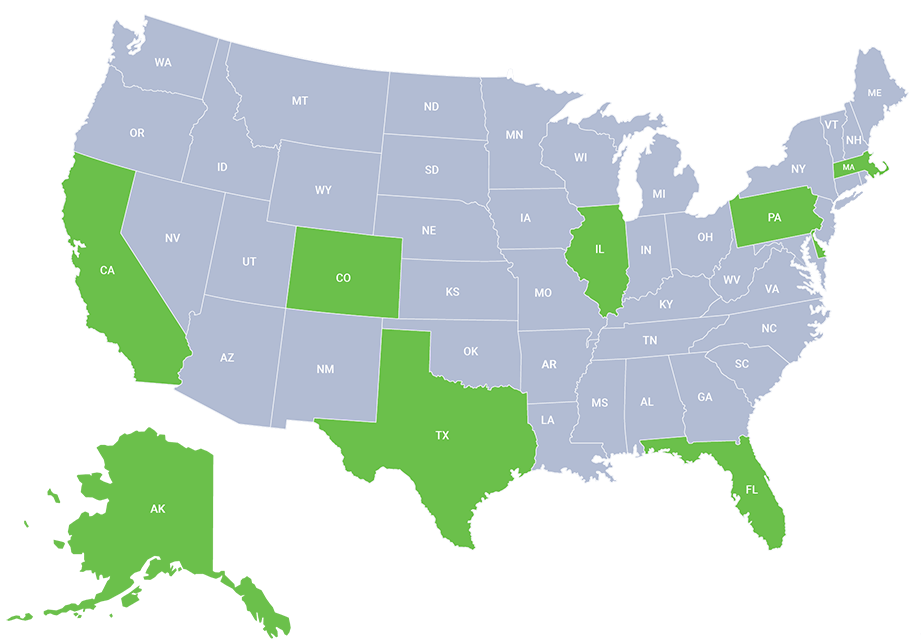

FIND THE NEAREST BANYAN LOCATION
Banyan Treatment Centers
Mental Health Care Nationwide

• Accepting Admissions Now
| Mental Health Addiction | Yes Yes |
| Inpatient Outpatient Telehealth | Yes Yes Some States* |
| Dual diagnosis | Yes — integrated |
| Accreditation | Joint Commission |
Most insurances accepted
If you or someone you know is in crisis, confidential help is available 24 hours a day, 7 days a week.
988 Suicide & Crisis Lifeline
Call or text 988 · 24/7
Medically Reviewed by:

Dr. Darrin Mangiacarne
Chief Medical Officer
At Banyan Treatment Centers, Chief Medical Officer Dr. Darrin Mangiacarne leads our nationwide clinical team with over a decade of addiction medicine experience, helping ensure evidence-based, compassionate care across every level of treatment.
Author / Written by: Banyan Editorial Staff
Medically reviewed by: Dr. Darrin Mangiacarne, CMO
Updated on: August 2026
There are few things harder to endure than fentanyl withdrawal. If you’re going through it, the days seem to drag on with unrelenting cravings, bone-deep aches, digestive issues, insomnia, and severe anxiety. While withdrawal from opioids tends to last a few days, every hour feels like an uphill battle. However, many factors can affect the length of time you’ll experience fentanyl withdrawal, such as the type of fentanyl you’re using, how much, how long, and how frequently you’re using it, whether you’re using other drugs, your overall physical health, and the administration of any withdrawal medications.
A fentanyl detox program can offer medical evaluation, symptom monitoring, fluids, and a treatment plan. Here’s what you can expect from fentanyl withdrawal, and why you should not attempt to plan your own withdrawal or try to do it alone.
Medical disclaimer: This article is for informational purposes only and is not intended as a substitute for medical diagnosis, individual detox planning, or emergency treatment. Call 911 for overdose symptoms, chest pain, fainting, severe dehydration, suicidal thoughts with immediate danger, or withdrawal involving alcohol, benzodiazepines, or other sedatives.
What Is Fentanyl Withdrawal?
Fentanyl withdrawal describes the physical and psychological symptoms that may develop when an individual who has developed physical dependence on fentanyl ceases or decreases their use. Physical dependence occurs when the body adapts to the presence of a substance after regular use. Physical dependence is not the same as opioid use disorder, though these conditions can coexist.
Opioids act on receptors related to pain, pleasure, breathing, and various automatic functions. After extended use, the brain adjusts to the presence of the drug. If fentanyl is taken away, the body reacts by reacting more than usual to normal stimuli, causing sweating, a runny nose, yawning, muscle aches, diarrhea, nausea, anxiety, insomnia, and cravings.
There is no way to predict how much you'll experience fentanyl withdrawal based on any one factor. Other factors include the dose of fentanyl, how it was administered, how often and for how long you used it, past withdrawal experiences, health conditions, pregnancy, mental health, and other drugs, such as alcohol and benzodiazepines.
Questions about our Facilities or Programs?
Our admissions coordinators are available 24/7 to answer any questions you may have as you consider whether treatment at Banyan is right for you or your loved one.
Why Fentanyl Is So Dangerous
Fentanyl is a powerful synthetic opioid that is prescribed medically for severe pain. Illicitly manufactured fentanyl, however, is increasingly found in powders and counterfeit pills, sometimes without the person using the drug knowing it is present. Like other opioids, fentanyl can dangerously slow breathing, and its high potency significantly increases the risk of overdose, especially when the amount or contents of a substance are unknown.
The Dangers of Using Fentanyl
Fentanyl use outside of a medical setting carries risks in addition to physical dependence. Illicitly manufactured fentanyl is not produced under pharmaceutical standards; the amount of fentanyl could be very different from what is expected. Fake pills may even be designed to look like prescription medications but may contain fentanyl rather than a prescription drug.[2]
Fentanyl overdose and side effects include drowsiness, confusion, nausea, loss of consciousness, respiratory depression, and overdose. Combining fentanyl with alcohol, benzodiazepines, or other central nervous system (CNS) depressants increases the risk.
How Common Fentanyl-Related Overdose Is
According to final mortality statistics for the United States, synthetic opioids other than methadone, which includes fentanyl, fentanyl analogs, and tramadol, were implicated in nearly 48,000 deaths from overdoses in 2024. The number was lower than the ~72,000 deaths recorded in 2023, representing a 35.6% reduction in the age-adjusted rate. While significant, synthetic opioids still accounted for most opioid-related deaths in 2024. [1]
How Little Fentanyl Can Lead to an Overdose
The Drug Enforcement Administration reports that 2 milligrams of fentanyl can cause a potentially fatal overdose, although this amount isn't always lethal. Factors like body weight, tolerance, and prior opioid usage influence whether it's enough to trigger an overdose. The fact that you might die from a tiny amount explains why fentanyl’s concentration is dangerous in street drugs and fake pills. [2]
Signs of an opioid overdose include: very slow or no breathing, inability to wake up, bluish or grayish color to lips or fingertips, choking or gurgling sounds, limpness, and pinpoint pupils. Administer naloxone (Narcan) if available, call 911, position the individual on their side, and wait for emergency services. Multiple doses of naloxone may be necessary with potent opioids like fentanyl. [3]
Why Fentanyl Withdrawal Can Feel Different From Other Opioid Withdrawal
Fentanyl is highly potent and lipophilic (readily enters fatty tissue), which can cause fentanyl and norfentanyl to appear in drug tests for a longer period than would be suggested by short, single-dose references. As a result, it can be hard to determine when a person’s last use was, whether they’ll pass a drug test, when their withdrawal will start, and when they should start treatment. [6]
One small study looking at patients seeking residential treatment after regular fentanyl use found that it took longer for them to clear fentanyl from their urine than short, single-dose references suggest. While this doesn’t mean there’s a particular withdrawal schedule to follow, it does emphasize the need for careful clinical judgment when considering recent fentanyl use in treatment decisions. [6]
Fentanyl can cause analgesia, relaxation, euphoria, drowsiness, confusion, nausea, and respiratory depression. Depending on the dose, route, formulation, tolerance level, and other factors, a fentanyl high can last anywhere from minutes to hours. The length of time a person experiences these effects cannot be used to estimate when they will go into withdrawal, when they can safely start a medication, or when they will have a negative drug test. [2]
Regular fentanyl use can lead to heightened tolerance, dependence, cravings, and opioid use disorder. For those developing OUD, fentanyl addiction treatment often extends beyond detox to medication, therapy, relapse-prevention planning, and continuing care.

Fentanyl Withdrawal Timeline: What to Expect by Stage
The following is a general overview of fentanyl withdrawal, although it may vary for each individual. According to SAMHSA guidelines for short-acting opioids, withdrawal symptoms typically begin between 8-24 hours after the last use. Symptoms peak between 1-3 days, and the acute withdrawal stage generally ends between 7-10 days. Due to the nature of fentanyl and possible drug interactions, this typical timeline can change due to continuous use, transdermal use of fentanyl, polysubstance use, and switching to medications for opioid use disorder. [4]
Stage 1: early symptoms
First 8-24 hoursCraving, anxiety, yawning, sweating, runny nose, watery eyes, restlessness, difficulty sleeping, and aches may start.
Timing may be sooner or later depending on the individual. Exposure via patches and the frequency of fentanyl use may affect it.
Stage 2: symptoms worsen
Days 1-3Pain in muscles and joints, goosebumps, abdominal cramps, nausea, vomiting, diarrhea, shaking, fast heartbeat, and extreme restlessness may become stronger.
Vomiting and diarrhea can lead to dehydration. Risk of returning to fentanyl use increases when symptoms become too overwhelming.
Stage 3: acute symptoms start to change
Days 3-5Some symptoms may stay strong, while others like sweating, stomach issues, and aches may start to improve for some people.
Symptoms do not always improve in tandem. Sleep issues and cravings may persist even when other symptoms decrease.
Stage 4: acute symptoms ease
Days 5-10Most people see a slow physical improvement. Fatigue, sleep disturbances, depression, stomach issues, and cravings may still be present.
Timeline can be longer for those who used large amounts over a long time, or for those who have medical conditions or other substance use.
Post-acute phase
No set lengthCravings, sleep disturbances, anxiety, irritability, lack of enjoyment in things that used to bring pleasure, and fatigue may persist or return.
Treatment can target relapse risk, mental health conditions, sleep issues, and create a recovery plan.
Fentanyl Patch Withdrawal Timeline Note
Using a transdermal fentanyl patch is not the same thing as taking one small dose of illicit fentanyl powder or using an oral or intravenous short-acting dose. Once the patch has been removed, fentanyl continues to be absorbed from the drug that remains in the skin. According to current prescribing information, the concentration of fentanyl in the blood drops approximately by half in 20–27 hours. [7]
However, the time it takes to reach this point doesn’t indicate when withdrawal will begin. If you’re using a fentanyl patch, stick to the instructions given to you by your prescribing doctor. Never cut, heat, swap, or taper your patch without medical supervision.
Common Symptoms of Fentanyl Withdrawal
Fentanyl withdrawal can cause similar symptoms to a bad case of the flu mixed with some anxiety, sleep difficulties, and craving for opioids. Someone may have several symptoms from one category and few from another; it varies.
Physical & Gastrointestinal Symptoms | Emotional, Sleep, & Craving Symptoms |
|
|
Severe vomiting or diarrhea can lead to dehydration and loss of electrolytes. Doctors should also look at your fever, chest pain, pregnancy status, any infections or injuries, co-occurring mental health symptoms, and the possibility of withdrawal from alcohol or other sedating medications. A medical detox setting can determine if your symptoms are consistent with withdrawal, or if they’re signs of something else that needs to be addressed urgently.
How Long Does Fentanyl Withdrawal Last?
For some people, the worst physical symptoms subside within around a week. But a 7-10 day estimate should only be used as a rough guideline for the duration of withdrawal from short-acting opioids. Fentanyl withdrawal can take longer to run its course, or it might be much less orderly. The sleep issues, fatigue, mood disturbances, gastrointestinal problems, and cravings can continue to linger for a while.
What Can Affect the Fentanyl Detox Timeline?
- Regularly taking fentanyl, doing so over a long period of time, and/or using higher doses can increase the likelihood of developing a dependence.
- Different illicit forms of fentanyl (e.g., powder, fake pills, injection, patches) aren’t metabolized identically.
- If you’re also taking alcohol, benzodiazepines, stimulants, or other drugs, these can change what you experience during withdrawal and your risk of complications.
- Health factors like age, liver and kidney function, hydration status, pregnancy, any infections or injuries, pre-existing conditions, and psychiatric symptoms can affect the overall presentation of withdrawal.
- Some medications work better for managing symptoms than others, and how a medication is introduced can make a difference.
How Long Does Fentanyl Stay in Your System?
It’s possible to stop experiencing the effects of fentanyl, go into withdrawal, clear the drug from your body, and get a negative test result, all in a relatively short amount of time. You could no longer feel the effects of the drug even though traces of it and/or its primary metabolite, norfentanyl, are still present in your body. Conversely, you can experience withdrawal symptoms even after you’ve stopped feeling the high.
Mayo Clinic reports an approximate window of detection of three days for fentanyl and norfentanyl in urine samples. The lab indicates that actual time periods will depend on the dose, frequency of use, and individual factors such as metabolic rate. [8]
Long-term exposure can potentially extend the window of detection. One study involving 12 people who submitted to weekly testing after being admitted to residential treatment reported an average of 7.3 days between the last positive and first negative test for fentanyl, and 13.3 days for norfentanyl. One individual had extended periods of positivity for both drugs. Given the limited sample size, this shouldn’t be viewed as a definitive range. [6]

Getting into treatment is easy with our free insurance verification
"*" indicates required fields
Why Medical Detox Is Recommended for Fentanyl Withdrawal
Detox is not just a process of waiting for the clock to tick out. A medical team can check how recently someone has used drugs, monitor vitals, check hydration levels, manage vomiting and diarrhea, watch mental status, help a person sleep, and recognize when symptoms suggest an alternative problem. The uncertainty of the drug supply or the possibility of multiple substances makes these tasks important.
A supervised detox keeps people away from easy access to fentanyl at a time when they will experience intense cravings. When someone goes back to the amount of opioids that worked for them before, their tolerance is no longer there, and they could be at higher risk for overdose. The World Health Organization identifies resuming opioid use following detox or another period of abstinence as an overdose risk factor. [12]
Here’s what medical detox may involve:
|
Medications for Opioid Use Disorder and Fentanyl Withdrawal
Buprenorphine, methadone, and naltrexone are all FDA-approved medications for opioid use disorder. Not all three work in the same way, and naltrexone is not used as an immediate comfort medication during opioid withdrawal. A person’s clinical history, treatment goals, access, and current health conditions are taken into consideration when determining which medication is right for them. [9]
Buprenorphine reduces withdrawal symptoms and cravings, but if taken too soon, it can displace a full opioid agonist and precipitate withdrawal. Because the research and drug supply are always changing, ASAM offers Fentanyl-Era Buprenorphine Initiation Guidance for providers. This article does not provide a start time, dose, or home induction protocol. [10]
Methadone is a long-acting full opioid agonist used to treat opioid use disorder in licensed Opioid Treatment Programs (OTPs). Naltrexone is an opioid receptor antagonist that requires an extended period of opioid-free time before it can be used. A licensed provider should go over the pros, cons, and safety considerations of each option. When clinically appropriate, these medications may be incorporated into medication-assisted treatment alongside counseling and other recovery services.
Why Detox Should Be Followed by Ongoing Treatment
Withdrawal management stabilizes a person for a short period. It cannot eliminate the behavioral, medical, emotional, and social reasons why someone uses opioids. The best plan for someone might include inpatient treatment, a partial hospitalization program, intensive outpatient care, individual counseling, group therapy, MAT, family therapy, or aftercare planning.
The right next step will depend on a person’s clinical needs instead of some prescribed order. In some cases, a highly structured treatment environment is necessary. In other cases, continuing in an outpatient setting with medication management and peer recovery supports is appropriate.
Can You Detox From Fentanyl at Home?
Some people detox from fentanyl without going to a detox center, but it is not necessarily a safe option. People may find withdrawal symptoms too difficult to manage, underestimate fluid losses, and return to use due to cravings. An unknown drug supply makes the situation even more unpredictable.
Risks of Quitting Fentanyl Cold Turkey
When a person stops using fentanyl abruptly, opioid effects will rapidly shift to withdrawal symptoms. While opioid withdrawal alone is generally not considered life-threatening, complications related to vomiting, diarrhea, dehydration, mental illness, pregnancy, other physical illnesses, and withdrawal from other substances may necessitate urgent care. [5]
There might not be naloxone, transport, observation, or a plan if they use again in a home environment. Families and friends should concentrate on getting medical attention, preventing overdoses, and supporting them to enter treatment on their own terms. They should not try to force or oversee an at-home detox.
Tapering, Weaning, and Rapid Detox
Fentanyl tapers should be managed by a provider. A template schedule cannot take into account formulation, exposure, health status, pregnancy, other drugs, and medicines. Fentanyl patch cutting or changing could also lead to risks related to dose.
Rapid or fast detox programs are different in what they offer. Anesthesia-assisted ultra-rapid opioid detoxification is not recommended in ASAM's national guideline because of the risk of serious adverse events or death. Opioid withdrawal also does not substitute for evidence-based treatment of opioid use disorder. [11]
Those unable to leave the area immediately may still be able to have a professional assessment and talk about local or telehealth fentanyl treatment options. Telehealth is not a replacement for emergency room visits or medical detox if they're needed.
When Fentanyl Withdrawal Requires Urgent Medical Attention
Seek emergency medical assistance or call 911 if you experience any of the following:
|
Dehydration can be dangerous. According to MedlinePlus, confusion, feeling faint, no urination, fast pulse, and fast breathing are signs you should seek medical help. [13]
Pregnant persons should not stop using fentanyl without obstetrics and addiction medicine advice. Opioid agonist treatment during pregnancy is recommended by ACOG and preferred over medically supervised withdrawal because of the association with high relapse rates and worse outcomes. [14]
Can Fentanyl Withdrawal Kill You?
Withdrawal from opioids isn't typically viewed as directly fatal like severe alcohol and benzodiazepine withdrawal. None of this is intended to suggest that fentanyl detox is “safe.” Dehydration, comorbid medical conditions, pregnancy, psychiatric emergencies, other substance withdrawals, and returning to opioid use can all lead to life-threatening complications.
There is also a risk of overdose during the early stages of abstinence. Although tolerance will decrease, craving and expectations to take the previous dose will remain. Naloxone should be readily available, and those who might witness an overdose should know how to administer naloxone and call 911.
What Happens After Fentanyl Detox?
Once acute withdrawal has resolved, the focus shifts to treatment of opioid use disorder and relapse prevention. The treatment plan may consider medications, cues for relapse, co-occurring mental health conditions, housing, social supports, pain, legal issues, and barriers to treatment participation.
Residential programs offer a structured environment and 24-hour support. Partial hospitalization and intensive outpatient programs provide more frequent treatment sessions while allowing patients to spend more time outside the program. Counseling, group therapy, psychoeducation for family members, and aftercare services can help establish healthy behaviors to maintain sobriety.
Banyan Treatment Centers offers multiple levels of addiction care across its nationwide facility network. Programs and suitability for treatment vary among locations, so an evaluation must be completed prior to admission.
FAQ + Final Takeaway
What Our Patients Are Saying


Getting Into Treatment Is Easy. Here's How to Get Started!

Call Us Anytime
Speak with our compassionate admissions specialists to discuss your situation and explore treatment options.

Initial Assessment
We conduct a thorough evaluation to determine the best level of care tailored to your needs.

Financial Guidance
Our team will verify your insurance coverage and provide transparent cost information.

Begin Your Recovery
Once everything is set, you’ll be welcomed into our program and start your journey toward healing.