
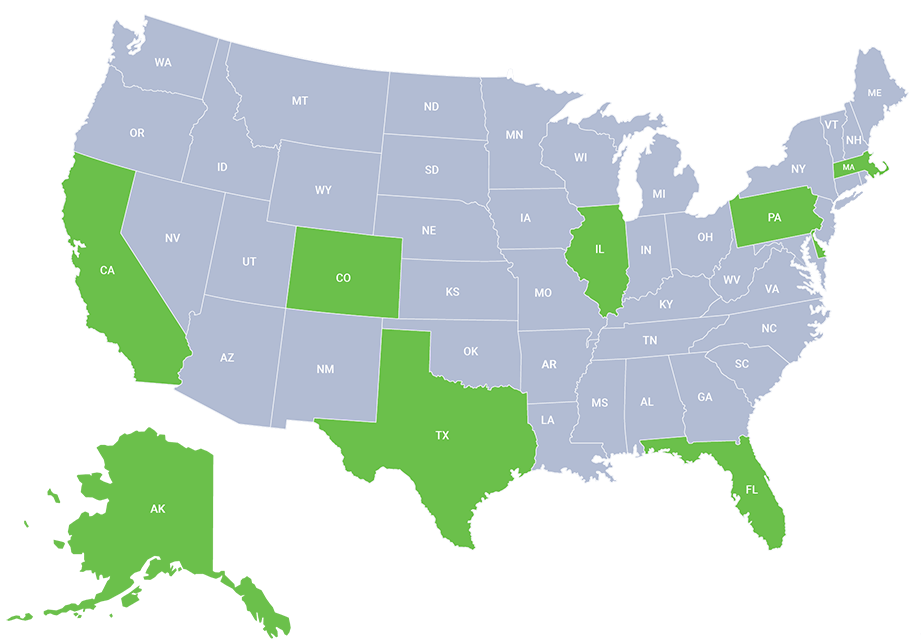

FIND THE NEAREST BANYAN LOCATION
Banyan Treatment Centers
Mental Health Care Nationwide

• Accepting Admissions Now
| Mental Health Addiction | Yes Yes |
| Inpatient Outpatient Telehealth | Yes Yes Some States* |
| Dual diagnosis | Yes — integrated |
| Accreditation | Joint Commission |
Most insurances accepted
If you or someone you know is in crisis, confidential help is available 24 hours a day, 7 days a week.
988 Suicide & Crisis Lifeline
Call or text 988 · 24/7
Medically Reviewed by:

Dr. Darrin Mangiacarne
Chief Medical Officer
At Banyan Treatment Centers, Chief Medical Officer Dr. Darrin Mangiacarne leads our nationwide clinical team with over a decade of addiction medicine experience, helping ensure evidence-based, compassionate care across every level of treatment.
Author / Written by: Banyan Editorial Staff
Medically reviewed by: Dr. Darrin Mangiacarne, CMO
Updated on: June 2026
Intro: Why This Medication Combination Deserves Immediate Attention
A person can overdose when they take too much of an opioid or a benzodiazepine. Should they take those two drugs together, the overdose risk is amplified, as the drugs work in conjunction, slowing breathing and interfering with brain function.
Opioids and benzos are often prescribed medications, taken under the supervision of a medical provider. However, prescription drug misuse occurs and increases overdose risk if someone takes a drug prescribed to someone else, if they take more than prescribed, or if they take multiple types of drugs at the same time. Understanding how opioids and benzodiazepines work and what the warning signs of an overdose are allows you to get help for yourself or a loved one, either to prevent an overdose or to know what to do to stop one in its tracks.
Remember that a blog post is no substitute for medical advice. If you think someone is having an overdose, call 911 and follow the dispatcher's instructions.
Why Mixing Opioids and Benzodiazepines Is So Dangerous
Benzodiazepines and opioids are two examples of drugs that have therapeutic effects when used as prescribed and under the close supervision of a medical professional, but that are harmful when used outside of medical supervision. Although the two types of medication have different purposes, both similarly act on the body. Benzodiazepines are sedatives that suppress the central nervous system (CNS), increasing feelings of relaxation.
Opioids attach to opioid receptors in the nervous system, preventing pain signals from coming through. While they aren't CNS depressants like benzodiazepines, opioids also make a person feel sleepy and relaxed. The major risk of combining opioids and benzodiazepines is that the nervous system can slow down too much, leading to a coma or even death.
A medical professional may prescribe a benzodiazepine, such as Valium or Xanax, to a person experiencing anxiety or panic disorder. While these drugs are legal when used as prescribed by the person prescribed them, they include numerous risks and are frequently overused or misused.
Opioids may be prescribed to people for acute or chronic pain that can't be managed with other methods, such as non-steroidal anti-inflammatory medications or acetaminophen. Both medications need to be taken under close supervision and exactly as a doctor prescribed to minimize the risk of addiction, overdose, or other harm.
As both types of drugs act on the nervous system and suppress breathing, leading to overdose and possibly death, it's uncommon for a medical provider to prescribe both medications simultaneously. In fact, in 2016, the FDA began requiring boxed warnings on opioids and benzodiazepines that detail the risks of taking both types at the same time.
Combining medications like Xanax and Percocet (an opioid that also contains acetaminophen) can increase the risk of death, as both drugs lead to sedation and suppress breathing. In 2021, almost 14% of all opioid overdose deaths also involved the use of a benzodiazepine, according to data from the National Institute on Drug Abuse. In addition to the increased risk of overdose death, using the two drugs simultaneously increases the risk of a visit to the emergency department or hospital admission.
While mixing opioids and benzodiazepines is typically not recommended, there may be instances when a clinician determines that it is the best course of action for a person. In those cases, careful oversight and supervision are required. Outside of close clinical supervision, mixing methadone and benzodiazepines or any other opioid and benzodiazepine is incredibly risky.
What Are Opioids?
Opioids are drugs that bind to particular receptors in the brain, called opioid receptors. The class of drugs is a large one and includes both prescription medications such as oxycodone, hydrocodone, morphine, codeine, tramadol, methadone, and fentanyl and illegal street drugs such as heroin. Opioids may be derived from natural materials, notably the poppy flower, or synthesized in a lab. Some medications, such as Vicodin and Percocet, combine an opioid with another type of pain-relieving drug.
Are opioids stimulants or depressants?
Opioids are depressants. They can suppress the central nervous system and slow down breathing. At high doses, or when combined with another depressant, they can cause a person to stop breathing. While opioids aren't stimulants, they do often trigger feelings of happiness in a person or can make them feel more energized. Prolonged use of opioids can lead to symptoms of withdrawal and require medically supervised detox when a person wishes to stop using them.
Opioids are addictive and can have negative effects on a person's health even when used under the close supervision of a doctor or as prescribed. For that reason, the Centers for Disease Control and Prevention's (CDC) Clinical Practice Guideline for Prescribing Opioids for Pain recommends that providers prescribe opioids only when certain conditions are met, notably when a person isn't experiencing pain relief from other methods. Providers are encouraged to thoroughly discuss the benefits and risks of taking opioid medications with their patients. The CDC's guidelines also recommend prescribing the lowest possible dose and for the shortest possible duration, after evaluating a patient's risk for potential misuse and opioid-related harm.
Since opioids can interact with a number of other types of drugs and the combined use of opioids and other drugs can be particularly risky, such as benzodiazepines, sleep medications, alcohol, other sedatives, and even over-the-counter pain relievers such as ibuprofen and acetaminophen. Some opioid medications, such as Vicodin or Norco, also contain acetaminophen, meaning a person needs to pay close attention before taking other pain-relieving medications alongside an opioid.

What Are Benzodiazepines?
Among the most widely prescribed medications in the US, benzodiazepines are a type of drug that depresses the central nervous system. The medications were introduced in 1957 as a replacement for barbiturates, which are highly addictive and have dangerous side effects.
Benzodiazepines have sedative effects and affect GABA, an inhibitory neurotransmitter. As the central nervous system's most common neurotransmitter, GABA is responsible for calming the nerves.
What Are Benzodiazepines Used For?
Benzodiazepines are often prescribed to treat various disorders, among them anxiety, sleep disorders, muscle spasms, alcohol withdrawal, and in some cases, epilepsy. The drugs act quickly, providing almost immediate relief. Anxiety and panic disorder are two of the most common uses for the medication.
Ongoing use of benzodiazepines, even for therapeutic purposes, can lead to dependence on the drug, as they are very addictive. Even individuals who take benzodiazepines at the prescribed dose and who don't misuse the drug may experience withdrawal symptoms after stopping and may need to detox from benzos if they abruptly stop taking the medication without tapering or the supervision of a medical provider.
Types of Benzodiazepines
Benzodiazepines are either long-acting or short-acting, which refers to the medication's half-life or how long it stays in your system. Short-acting benzodiazepines are usually more likely to cause withdrawal symptoms, as they leave the body quickly, without giving it time to adjust. Long-acting medications are less likely to cause withdrawal and may be used to treat the withdrawal symptoms associated with short-acting benzodiazepines. Benzodiazepines also differ in how the body metabolizes them and their potency.
Among the benzodiazepines commonly prescribed to treat anxiety are Xanax (generic name alprazolam), Ativan (generic name lorazepam), Klonopin (generic name clonazepam), and Valium (generic name diazepam). Klonopin may also be prescribed to treat epileptic seizures. Xanax and Ativan are examples of short-acting benzodiazepines while Klonopin and Valium are long-acting.
Benzodiazepines that are used to treat insomnia or other sleep disorders include Restoril (generic name temazepam) and Halcion (generic name triazolam). Both are short-acting. Versed (generic name midazolam) is used as a sedative and administered before anesthesia. Along with diazepam or lorazepam, it may also be used to stop seizures.
Is Lorazepam a Controlled Substance?
Lorazepam, and other types of benzodiazepines, are listed as Schedule IV Controlled Substances by the US Drug Enforcement Administration. That means that the drug has a low risk of misuse and low risk of dependence. While the risk for addiction is lower for Lorazepam and other benzodiazepines compared to drugs in Schedules I, II, and III, the risk is still there, and prolonged use of any type of benzo may mean that a person would benefit from addiction treatment.
Opioids vs Benzodiazepines: Key Differences
Benzodiazepines are not the same as opioids. There are distinct differences between the two classes of drugs, including what they are used for, their risk for addiction, and how withdrawal or addiction is treated. That said, the two types of drugs may be misused at the same time, which significantly increases the risk of overdose.
Questions about our Facilities or Programs?
Our admissions coordinators are available 24/7 to answer any questions you may have as you consider whether treatment at Banyan is right for you or your loved one.

Differences Between Benzodiazepines and Opioids
A notable difference between opioids and benzodiazepines is how they work in the body. Opioids bind to opioid receptors on nerve cells while benzodiazepines cross the blood-brain barrier and affect GABA.
Getting into treatment is easy with our free insurance verification
"*" indicates required fields
A notable difference between opioids and benzodiazepines is how they work in the body. Opioids bind to opioid receptors on nerve cells while benzodiazepines cross the blood-brain barrier and affect GABA.
Despite their considerable differences, the two types of drugs have something in common. Both have sedative effects and can slow breathing. A reduced breathing rate limits the amount of oxygen that reaches the brain, increasing the risk of death. When used in combination, benzodiazepines and opioids amplify the risk of slowed breathing, overdose, and death.
Warning Signs of Overdose After Mixing Opioids and Benzodiazepines
An accidental overdose can occur if a person takes too much of an opioid at once or takes an extra dose of an opioid they are prescribed. Using medication intended for another person can also lead to an overdose, as can combining opioids with other medications, including benzodiazepines, alcohol, or other illegal drugs. Taking too much of a benzodiazepine at once rarely leads to the typical signs of overdose; however, combining a benzodiazepine with another drug often does.
What to Do in the Event of a Benzodiazepine and Opioid Overdose
Act quickly if you think someone is overdosing on opioids and benzodiazepine. Call 911 or your local emergency number immediately. If the person has stopped breathing or has shallow breathing, administer CPR if you have been trained in it.
Also, administer naloxone, if available, to reverse the effects of the opioids on the body and stop the overdose. It is safe to use even if you aren't sure whether a person is overdosing on opioids or another substance. While you wait for emergency help to arrive, do what you can to keep the person awake and alert.
Signs of an Overdose
Emergency warning signs of an overdose include:
- Loss of consciousness or extreme sleepiness
- Slow, shallow or stopped breathing
- Blue or gray skin, purple or blue lips or fingertips
- Limp body
- Slowed heartbeat
- Confusion
- Choking or gurgling sounds
- Very small pupils
Among the dangers of mixing benzodiazepines and opioids is that an overdose may involve extreme sedation and make it more challenging to recognize or respond to it.
What to Do in an Emergency
What you do in the event of an overdose emergency can be the difference between saving a person's life and not.
The first thing to do is call 911 right away if you suspect a person is overdosing. Even if you aren't certain of an overdose, the best thing to do is call for emergency help.
If you have it available, use an opioid overdose reversal agent, such as naloxone or nalmefene. Naloxone is available over-the-counter and in two forms, as a nasal spray or injection. You don't need to have had medical training to administer naloxone. Nalmefene is available as a nasal spray and is available by prescription only.
While there is a medication, flumazenil, that can reverse the effects of benzodiazepines, it is meant for use in hospital settings. It isn't available to the general public due to specific risks.
When waiting for the emergency response crew to arrive, remain at the side of the person experiencing the overdose. Follow any instructions given by the dispatcher, including administering CPR. Depending on how long it takes the emergency team to arrive, the overdose reversal medication may wear off, meaning that symptoms can return.
Remember that a person can't sleep off an overdose and that vomiting is not an effective way to reverse it. Don't tell the person to sleep it off or try to induce vomiting. Whatever you do, don't leave the person alone while waiting for help to arrive.
Prescription Drug Misuse, Dependence and Withdrawal Risks
Whether benzodiazepines or opioids, prescription drug misuse can take multiple forms. It may be taking more of a drug than prescribed by a medical provider, taking a drug prescribed to another person, combining medications without medical supervision, or using the medication in a manner not prescribed, such as crushing and snorting pills.
Misuse of opioids and benzodiazepines increases the risk of addiction and physical dependence on the drugs. It's worth noting that even when used as prescribed, there is a risk of dependence on benzodiazepines, requiring medical supervision when lowering the dose or stopping the medication to reduce withdrawal symptoms.
Why Are Benzodiazepines and Opioids Addictive?
Opioids and benzodiazepines are addictive because they increase dopamine levels in the brain. The release of dopamine motivates a person to repeat the experience and use the drug again and again. The large surge of dopamine that occurs when someone takes an opioid or benzodiazepine often encourages them to repeat that behavior at the expense of others.
Over time, a person needs to take more and more of the drug to get the same rush of dopamine, which leads to tolerance and continues the cycle of addiction, meaning a person may need opioid or benzodiazepine addiction treatment to break the cycle.
What is Opioid or Benzodiazepine Dependence?
One thing that's important to understand is opioid or benzodiazepine dependence is not the same as benzodiazepine or opioid addiction. A person can become physically dependent on benzodiazepines after taking a medication, as prescribed, regularly, for several days or weeks.
When someone is dependent on a drug, their body needs it to continue functioning normally. Removing the drug from the system suddenly is likely to lead to symptoms of withdrawal, which can be life-threatening. A person who is addicted to a drug may also be dependent on it, but not always. What sets addiction apart from dependence is that a person continues to use a substance even though it is causing them harm.
What Are the Risks of Withdrawal From Benzodiazepines or Opioids?
Withdrawal from opioids can be unpleasant, uncomfortable, and increase the risk for overdose in the event of a relapse. Withdrawal from benzodiazepines can be life-threatening. In either case, detoxing from opioids or benzodiazepines should be done under medical supervision.
During withdrawal from benzodiazepines, a person may have difficulty sleeping, feel irritable or anxious, or have nausea and vomiting. People taking higher doses may be at risk of life-threatening seizures should they stop taking benzodiazepines suddenly. For that reason, tapering the medication, under the supervision of a medical provider, is the recommended way to stop taking benzodiazepines.
Withdrawal from opioids can make a person feel as if they have a bad case of the flu. They may vomit or have diarrhea and experience intense cravings for the drug. How long withdrawal lasts depends on the type of opioid a person was using.
Protect Your Loved Ones
To reduce the risk of prescription drug misuse and to protect your loved ones, store medications safely, in a locked cabinet if necessary. Encourage your loved ones to seek professional help if they are experiencing signs of dependence or addiction. If possible, keep naloxone available so you can respond quickly in the event of an opioid overdose.
How Detox and Treatment Can Help
Whether before an overdose happens or following an overdose that was successfully reversed, treatment for opioid or benzodiazepine addiction or dependence can help you or your loved one get their life back. The first step to treatment is usually to undergo medical detox. From there, a person may enroll in a residential care addiction treatment program, partial hospitalization program, or outpatient therapy, depending on their care needs.
What is Medical Detox?
During medical detox, a person undergoes withdrawal from a substance or substances, under the close supervision of a medical team. The withdrawal process can be unpredictable. Having medical supervision reduces the risk of life-threatening complications while improving a person's comfort.
While undergoing medical detox, a person's vital signs are closely monitored, as are closely monitored. Benzo detox typically involves tapering a person's dose, to minimize the risk of complications such as seizures, which can occur if someone stops using the drugs abruptly.
Opioid and Benzodiazepine Addiction Treatment Options
Detox is just the first step when treating addiction to opioids or benzodiazepines, or both. Following detox, a person may enroll in a residential care treatment program, which provides continuous, 24/7 care. The individual stays at the treatment center during the course of treatment and participates in various forms of therapy.
A person undergoing treatment for opioid addiction may also participate in medication-assisted treatment (MAT), during which they are prescribed medication that helps manage withdrawal symptoms, minimize cravings, and may lead to continued recovery and reduce the risk of relapse. MAT isn't for every patient, but may be particularly useful for individuals with a history of relapse or who have a long history of opioid use.
Upon completion of a residential treatment program, or in lieu of residential treatment, a person may enroll in a partial hospitalization program or intensive outpatient care. During partial hospitalization, a person goes to a treatment facility multiple times a week for care but returns to their home in the evening. Intensive outpatient treatment is similar, but usually sees a person attending treatment fewer times or for shorter days during the week.
Following PHP or intensive outpatient care, individuals are typically offered ongoing support to reduce the risk of relapse and to help them transition back into their everyday lives. Assistance is available to verify insurance coverage before treatment begins.
Banyan Treatment Centers offers a continuum of addiction treatment for opioids and/or benzodiazepines at treatment facilities across the country. Under the close supervision of our medical professionals, you can receive treatment that helps you break the cycle of dependence or addiction.
FAQ + Final Takeaway
What Our Patients Are Saying


Getting Into Treatment Is Easy. Here's How to Get Started!

Call Us Anytime
Speak with our compassionate admissions specialists to discuss your situation and explore treatment options.

Initial Assessment
We conduct a thorough evaluation to determine the best level of care tailored to your needs.

Financial Guidance
Our team will verify your insurance coverage and provide transparent cost information.

Begin Your Recovery
Once everything is set, you’ll be welcomed into our program and start your journey toward healing.