
Medically Reviewed by:
Dr. Patrick Jung, MD
Medical Director at Banyan Heartland
Author / Written by: Banyan Editorial Staff
Medically reviewed by: Dr. Darrin Mangiacarne, CMO
Updated on: June 2026
Our IL Facility Offers Specialized OCD Therapy
Most people are not familiar with OCD, and many think it just means being neat or particular. In a treatment setting, we only treat adults whose intrusive thoughts and compulsive acts are impacting their lives and who need a supportive atmosphere to get back the sense of control they need.
We offer a facility that allows our clients to be free of daily routine, responsibilities, and individual behaviors that sustain OCD. This controlled setting can make it easier to look at the behaviors that drive their symptoms and to start to develop new behaviors. Treatment must always be tailored for each patient because OCD can look different from one patient to another.
What is OCD?
OCD consists of two parts: obsessions and compulsions. Intrusive thoughts, ideas, and impulses causing distress are referred to as obsessions. Obsessed persons engage in mental or physical behaviors to stop this feeling or to keep a feared outcome from happening; these behaviors are called compulsions.
Sometimes OCD is centered on worries about germs or dirt and washing. In other instances, it may involve checking, counting, getting reassurance, taboo thoughts, or an overwhelming need for things to be just right. Even if patients have awareness that this behavior makes no sense, they frequently have problems breaking the pattern. The effects of OCD may be widespread and impair one's functioning at work or school, ability to focus, quality of sleep, close relationships, and other important areas of life.
OCD Therapist Recommendation
Adults can frequently suffer for years from their obsessive and compulsive behaviors. OCD treatment might be helpful when these compulsions and obsessions are getting out of hand.
Some signs that you could need OCD therapy that includes a lot of structure:
- Obsessions result in great stress or shame
- Rituals take away large quantities of your day
- One's work, school, home life, and relationships are impacted
- More avoidance is noticed since certain events trigger the obsessions
- Sleep, attention, and daily routines are suffering
- Anxiety levels remain high post-compulsions
- Previous OCD therapy has resulted in few results
A professional assessment is needed to know whether inpatient treatment is the first step, or if there is a lower level, such as virtual IOP.
OCD Therapy Options / Levels of Care
There are 2 primary care modalities of our mental health therapy services for those who are in search of OCD therapy in Illinois. Inpatient care is a residential setting and is more intensive, with a lot of structure and guidance from our staff. Inpatient care may be a good option when OCD symptoms are severe, when there are problems in one's daily functioning, or when environmental stressors interfere with one's engagement.
A virtual IOP (Virtual Intensive Outpatient Program) provides treatment following the stay of an inpatient, or for those who require structured therapy services while living at home. This level of care helps to provide a link of continuity to the treatment so that it won't end abruptly when someone moves to another level of care. The two modalities enable care to be aligned with one's current severity of symptoms and stage in recovery.
What to Expect During OCD Therapy
The first step in treatment is an assessment to understand symptom patterns, triggers, compulsive behaviors, co-occurring disorders, and the impact of the condition on a client's life. All this information contributes to creating a tailored and specific treatment plan for a particular client as opposed to a general one.
Clients at our inpatient unit can expect a scheduled schedule of therapy, skills, emotional support, and gaining insight into OCD. Depending on medical need, mental health services can also be an important part of a treatment plan. As treatment progresses, the focus is not just on alleviating symptoms, but also helping a person to handle intrusive thoughts and discomfort in different ways without the previous compulsive behavior.
Evidence-Based Therapies Used
Thoughtfully planned evidence-based treatment is essential in treating OCD. At Banyan Heartland, treatment may include the following evidence-based therapy methods to help clients learn more about their symptoms and how to approach them differently:
Cognitive behavioral therapy assists clients in learning to identify and address cognitive distortions related to obsessional fear. If clinically indicated, exposure therapy may also be included to help clients decrease avoidance and be able to sit with uncertainty. DBT (dialectical behavior therapy) can be helpful for clients who need assistance in distress tolerance and emotional regulation, and particularly for clients who may be experiencing elevated anxiety levels at times. Group sessions may reduce feelings of isolation and help create space for learning more about how to apply skills effectively. If medication is a part of a client's treatment plan, mental health support can be helpful rather than medication being the only answer to the symptoms.
Continued Care After OCD Therapy
For most individuals, treatment is an ongoing process of skill development, rather than a singular treatment experience. Transition care can be important to help clients maintain gains they have made in treatment. After completion of inpatient treatment, virtual outpatient programming via Telehealth can be a helpful option for continuing skills practice, scheduling, and continued accountability as clients transition back into life. Clear discharge planning is also a part of this process so that clients know what to do next.
Choosing an OCD Therapy Center in Illinois
When looking for an OCD therapist in Illinois, it is essential to find an OCD center that is experienced in treating OCD, not an agency that dismisses OCD as a minor condition. A reputable program will offer individualized planning, clinical expertise, a safe and stable setting, and multiple levels of care.
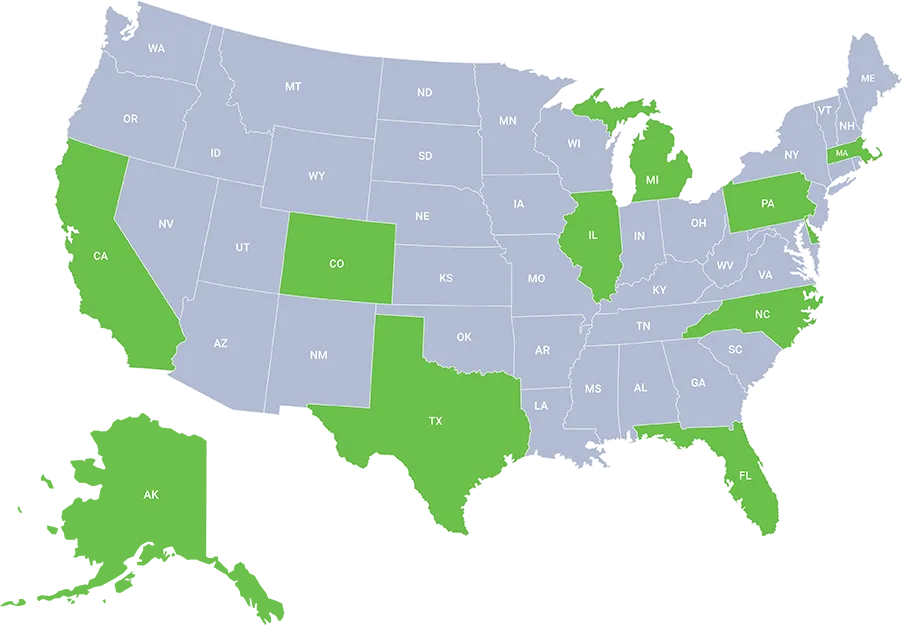
At Banyan Heartland, adults can enter a residential treatment program in Gilman and continue care via virtual IOP (intensive outpatient program) via Telehealth as appropriate. This level of treatment is especially beneficial for clients who may require a safe and stable place to begin their treatment and then return to treatment more easily afterward.
Insurance
Banyan Heartland serves adults from across the state of Illinois who are looking for a specialized OCD treatment program. Call our admissions team to learn more about the program. We can also answer any questions you might have about insurance verification and help you determine what level of care you may need. If you feel like OCD is taking over your life, it is important to seek help. Contact us to talk about what treatments might work for you.
Frequently Asked Questions

Questions about our Facilities or Programs?
Our admissions coordinators are available 24/7 to answer any questions you may have as you consider whether treatment at Banyan is right for you or your loved one.