



Our facility has a higher success rate than other similar treatment facilities.
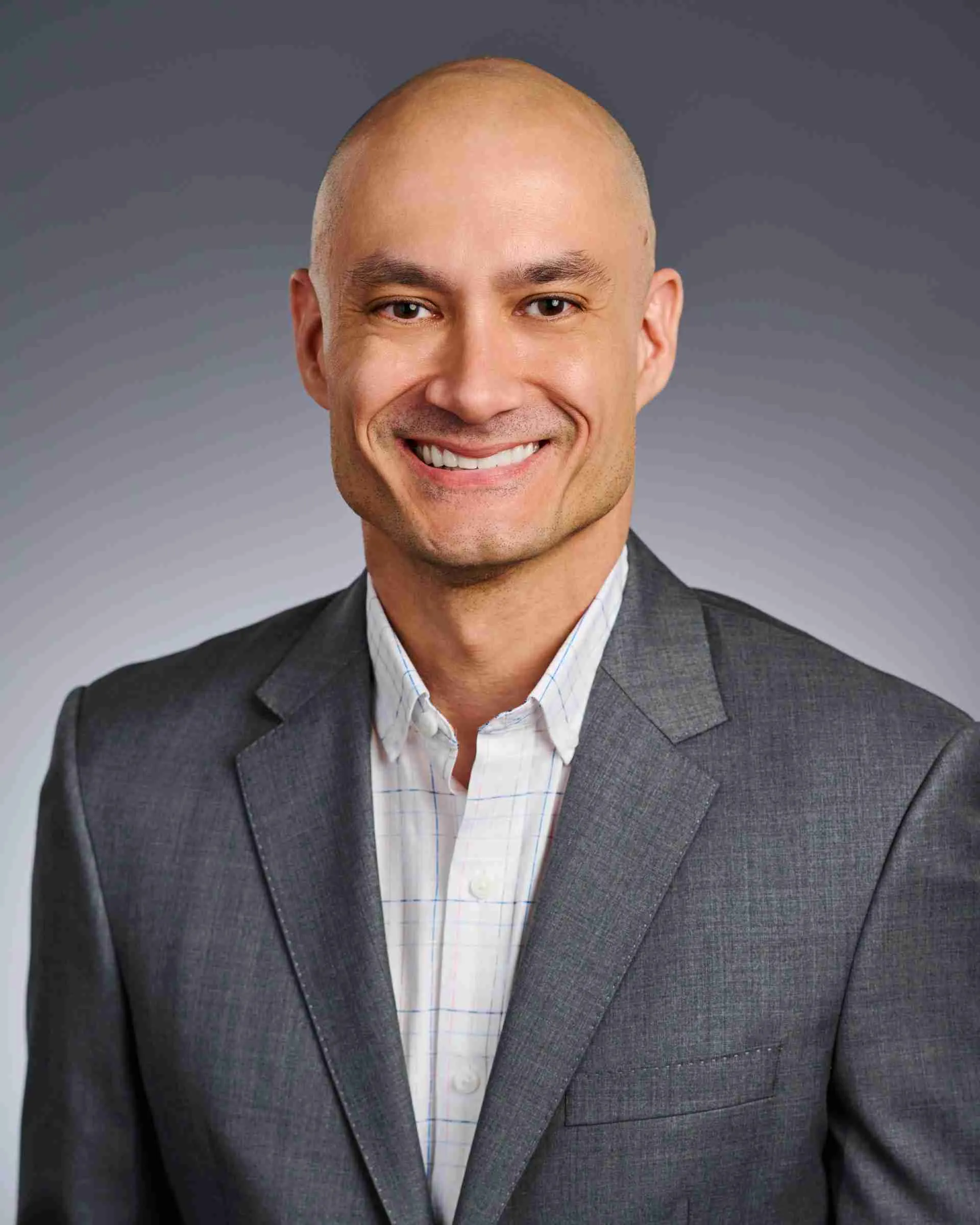
Patrick L. Jung, MD
Medical Director - Banyan Heartland & Banyan Chicago
Dr. Jung is a double board-certified psychiatrist with advanced training in both general psychiatry and obesity medicine. He brings extensive clinical and academic experience to his role as medical director, guiding treatment at two Banyan facilities in Illinois.
Education & Training
Medical School
Internship
Psychiatry Residency
Academic Appointment
Board Cetification
- American Board of Psychiatry and Neurology (ABPN)
- American Board of Obesity Medicine (ABOM)
Area of Focus
General Psychiatry
Addiction & Recovery
Obesity Medicine
Clinical Leadership
Dual Diagnosis
Medication Mangement
"Every patient who walks through our doors deserves individualized, evidence-based care delivered with compassion and without judgment."
Dr. Jung's career reflects a commitment to meeting patients where they are. From his residency training at a nationally recognized academic medical center to volunteer work and locum tenens service across multiple states, he has built a practice grounded in flexibility, cultural humility, and whole-person care. In his role as medical director, he oversees clinical programming and ensures that Banyan's treatment standards reflect the highest levels of psychiatric and medical best practice.



Learn more about Banyan Heartland & Banyan Chicago >
Below is a list of the various types of addiction specialists and doctors that are normally on staff in a rehab facility.
An Advanced Registered Nurse Practitioner (ARNP) is a registered nurse who completed graduate-level education and has the primary responsibility of caring for the patient. The roles of licensed ARNPs include:
- Examining patients and establishing diagnoses according to client history, physical examination, and other forms of care
- Admitting, managing, and discharging patients to and from health care centers
- Ordering, collecting, performing, and interpreting diagnostic examinations
- Managing health care by identifying, developing, implementing, and evaluating a care plan for the individual
- Prescribing therapies and medical equipment for treatment
- Prescribing medications, when necessary
Substance abuse nurse practitioners offer addiction recovery medical services to treat clients in our facilities. Nurses on our staff have a combination of advanced degrees and certifications in mental health and substance abuse nursing to ensure our clients receive the best care possible.
Medical directors have years of experience managing health care facilities. Their qualifications must address the various responsibilities of the role.
Like other addiction treatment facilities, Banyan involves a hierarchy of professional addiction specialists in leadership roles. At the top of this hierarchy is the medical director (MD).
Our medical director provides oversight on all our facilities’ medical-related duties. They ensure that all medical staff members follow guidelines, protocol, and provide high-quality care to clients while ensuring their team members’ needs are being met.
Typical roles of a medical director in addiction treatment include:
- Enforcing an environment in which medical professionals can safely and effectively work
- Developing policies and protocols that match the health care institution’s guidelines to ensure client safety and treatment efficacy
- Supervising and evaluating medical staff operations
- Working with institutional leadership to meet the health care system’s goals
- Staying up-to-date on the latest medical advancements and changes through continuing education
- Managing all medical departments of their facility
- Ensuring that medical staff members meet institutional expectations, including certifications
- Recruiting and managing medical team members