
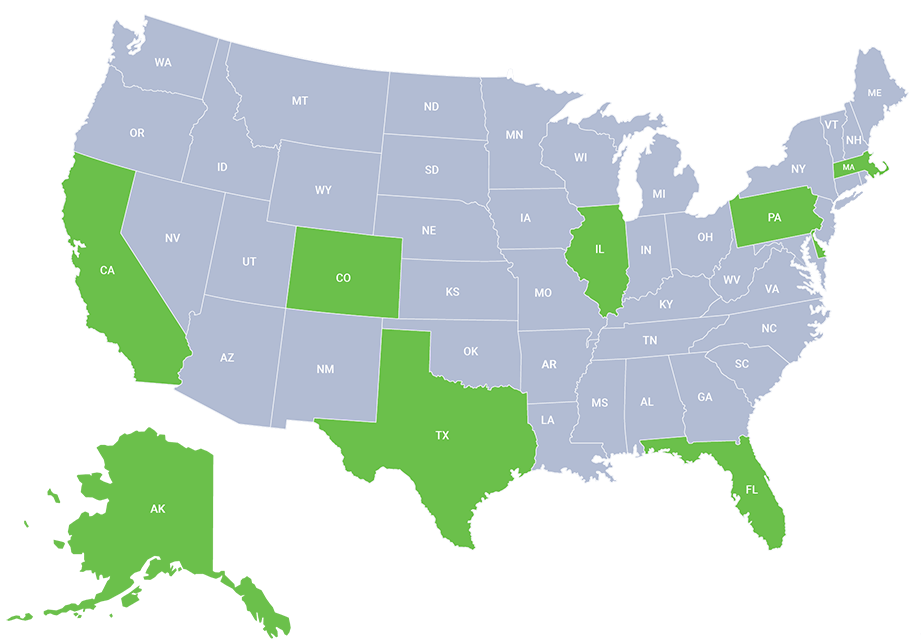

NEAREST BANYAN LOCATION
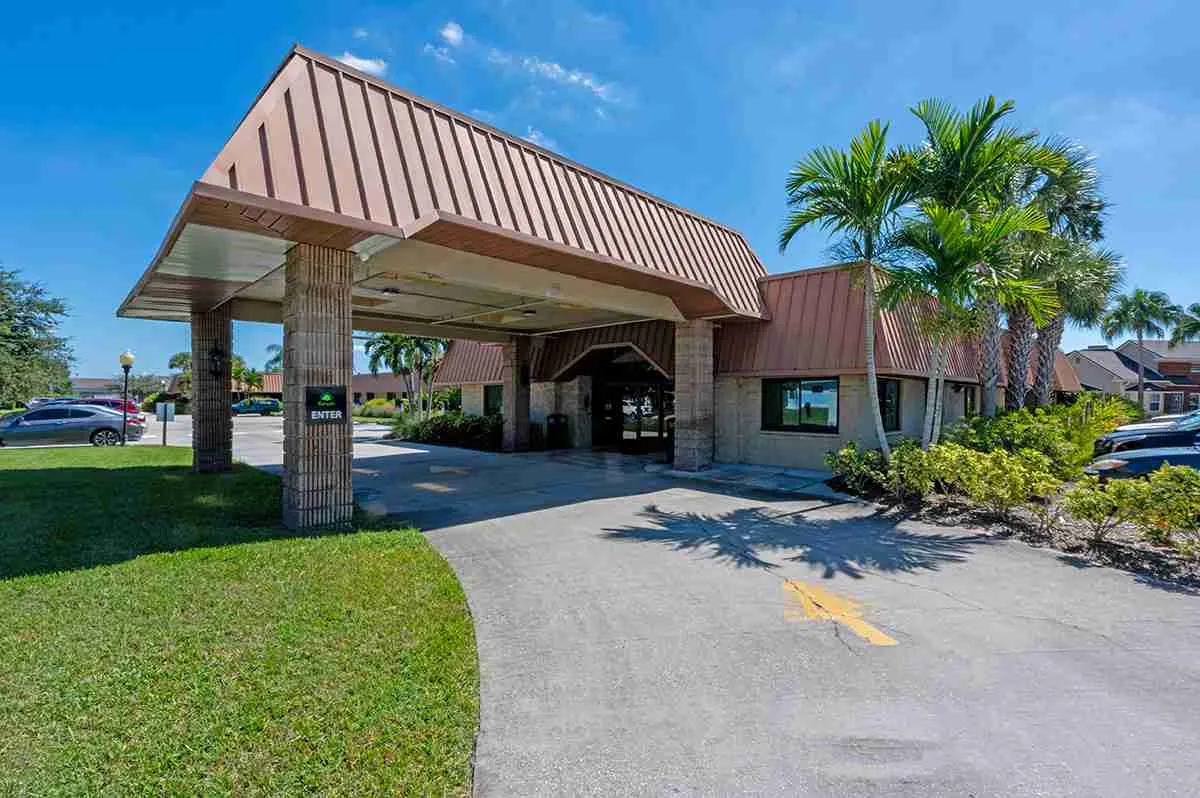
Banyan Treatment Center
Banyan Gulf Breeze, FL · Serving Leon County
• Accepting Admissions Now
| Mental Health Addiction Treatment | Yes Yes |
| Inpatient Care Outpatient Program | Yes Yes |
| Dual Diagnosis | Yes |
Most insurances accepted
Banyan Tampa ~275 miles
| Distance | about 275 miles |
| Main fit | mental health programming, and broader dual-diagnosis support |
| Phone | (813) 521-7847 |
IN IMMEDIATE CRISIS?
988 Suicide & Crisis Lifeline
Call or text 988, 24/7.
For overdose or any medical emergency, call 911.
Medically Reviewed by:
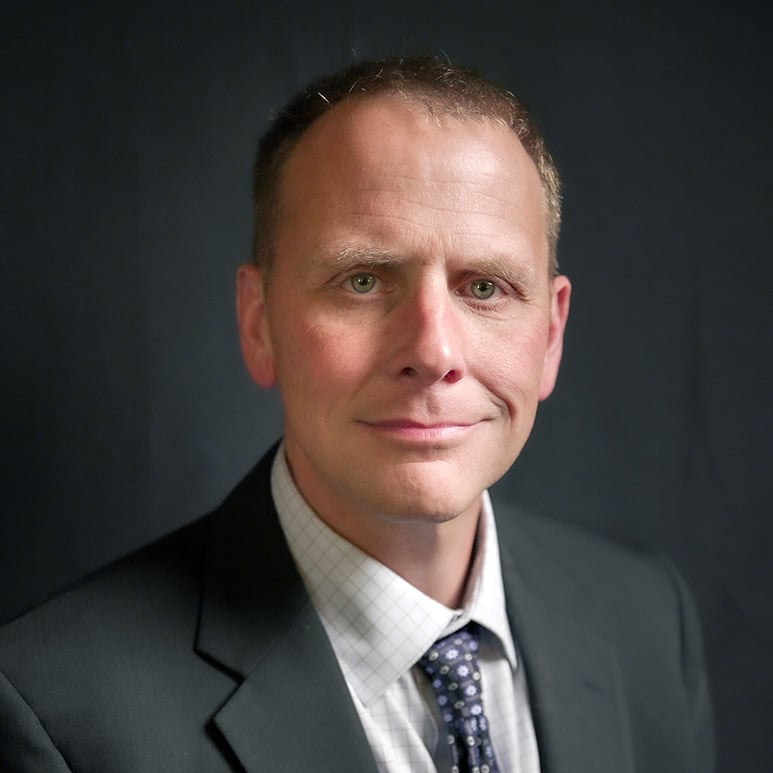
Dr. Darrin Mangiacarne
Chief Medical Officer
At Banyan Treatment Centers, Chief Medical Officer Dr. Darrin Mangiacarne leads our nationwide clinical team with over a decade of addiction-medicine experience, helping ensure evidence-based, compassionate care across every level of treatment.
Author / Written by: Banyan Editorial Staff
Medically reviewed by: Dr. Darrin Mangiacarne, DO, MPH - Chief Medical Officer
Updated on: August 2026
Mental Health & Addiction Support Near Tallahassee, FL
Tallahassee is both Florida’s capital and home to Florida State University, Florida A&M University, and Tallahassee State College. Its community includes college students and young adults as well as government employees, working professionals, families, and longtime Leon County residents, all of whom may have different behavioral health needs.
Mental health and substance use treatment can take several forms depending on individual circumstances. Options may include outpatient or virtual services, intensive outpatient programming, medical detox, residential treatment, or care for co-occurring mental health and substance use disorders.
This page explains local behavioral health resources, available levels of care, insurance considerations, and treatment options for people seeking mental health or substance use support in the Tallahassee area.
Talk to someone 24/7: (850) 605-3295 - free and confidential
Leon County, Florida: The Numbers Behind the Need
205,091 – residents of the city of Tallahassee (U.S. Census Bureau, 2024 American Community Survey 1-year estimate)
20.3% – Tallahassee adults who report frequent mental distress, defined as 14 or more days of poor mental health during the past 30 days (CDC PLACES: frequent mental distress, 2023 model-based estimate)
16.7% – Tallahassee adults who report binge drinking (CDC PLACES: binge drinking, 2023 model-based estimate)
These estimates provide local context for behavioral health concerns in Tallahassee. Frequent mental distress and binge drinking affect a notable portion of the city’s adult population, which includes students, professionals, families, and other residents throughout the community.
These statistics do not establish why these concerns occur or determine whether an individual needs treatment. A clinical assessment can help identify mental health or substance use concerns and determine what type of support may be appropriate.
Whether You're Searching for Someone You Love or for Yourself
Searching for behavioral health treatment can involve questions about what type of care is appropriate, where services are available, how treatment may fit with school, work, or family responsibilities, and what insurance may cover.
Tallahassee’s mix of college students, government employees, working professionals, families, and longtime residents means treatment needs and practical considerations can vary widely. Students may need to consider class schedules or insurance arrangements, while working adults may have questions about balancing treatment with employment or other responsibilities.
A clinical assessment can help determine whether outpatient care, medical detox, residential treatment, or another level of support may be appropriate. People seeking treatment, families, and others helping someone explore care can also learn about available services and the admissions process without needing to determine the appropriate level of care themselves.
Types of Treatment for Substance Use and Mental Health
Different levels of treatment provide different amounts of medical supervision, structure, and clinical support. A professional assessment can help determine which level of care may be appropriate based on individual needs.
Medically supervised care for people who may experience withdrawal symptoms or complications when stopping substance use.
Residential / Inpatient Treatment
Live-in treatment that provides 24-hour support and a structured setting for people who need a higher level of care.
Partial Hospitalization (PHP)
Structured treatment provided for several hours a day, several days per week, while allowing patients to live outside the treatment facility.
Intensive Outpatient (IOP)
Structured therapy provided several times per week for people who need more support than traditional outpatient care but do not require residential treatment.
Outpatient and Telehealth
Less intensive treatment that may include counseling, psychiatric support, and virtual services, depending on the program and individual needs.
Dual Diagnosis (Co-Occurring) Care
Treatment for people experiencing both a substance use disorder and a mental health condition, such as depression, anxiety, or a trauma-related disorder.
Medication-Assisted Treatment (MAT)
The use of FDA-approved medications alongside counseling to treat certain substance use disorders.
Getting Help in Tallahassee: The Local Safety Net
Tallahassee and Leon County residents have access to community resources for mental health, substance use, and crisis support.
Apalachee Center – 850-523-3333 provides behavioral health services throughout the Big Bend region, including crisis services, Baker Act receiving, acute inpatient care, residential treatment, outpatient care, and telehealth.
DISC Village provides community-based substance use and mental health services, including outpatient treatment, intensive outpatient programming (IOP), medication-assisted treatment (MAT), and residential programs.
988 Suicide & Crisis Lifeline provides free, confidential crisis support by call or text at any hour.
These resources serve different behavioral health needs, from immediate crisis support to ongoing treatment. The appropriate starting point depends on the type and urgency of care needed.
Private Treatment Options Near Tallahassee
Tallahassee residents have several private treatment options offering different levels of behavioral health care and areas of specialization.
Tallahassee Memorial Behavioral Health Center provides inpatient detoxification, inpatient psychiatric care, and an outpatient recovery program within a hospital system. WhiteSands and Legacy Healing offer addiction treatment services through broader networks that include detox, residential, and outpatient levels of care.
When comparing treatment programs, consider the provider’s clinical specialties, available levels of care, insurance participation, location, and whether mental health conditions can be treated alongside substance use disorders when needed.
Speaking directly with a provider can help clarify its current services, availability, admission requirements, and whether the program may be appropriate for individual treatment needs.
Getting into treatment is easy with our free insurance verification
"*" indicates required fields
Does Insurance Cover Addiction and Mental-Health Treatment?
Health insurance may cover mental health and substance use treatment, but coverage varies by plan, provider, and level of care. Verifying benefits before treatment can help clarify which services may be covered and what deductibles, copays, or other out-of-pocket costs may apply.
For Tallahassee’s student and young-adult population, insurance arrangements can vary. Many young adults can remain on a parent’s health insurance plan until age 26, and student health plans may also include behavioral health coverage. Benefits should be confirmed with the specific plan and treatment provider.
Federal laws provide additional protections for behavioral health coverage. The Affordable Care Act (ACA) requires certain plans to include mental health and substance use disorder services as essential health benefits. The Mental Health Parity and Addiction Equity Act (MHPAEA) establishes requirements for how covered behavioral health benefits are treated in comparison with medical and surgical benefits.
Banyan works with a range of commercial insurance plans and offers free benefits verification to help determine available coverage and potential out-of-pocket costs before admission.
Why Traveling for Treatment Can Help
Traveling for treatment may be appropriate when the recommended level of care or specialized services are not available nearby. For Tallahassee residents, this may be a consideration when medical detox, residential treatment, or another higher level of care is recommended.
Whether traveling is appropriate depends on individual clinical needs as well as practical considerations such as distance, transportation, school or work responsibilities, family obligations, and plans for continued care after treatment.
Travel is not necessary for everyone. Local services or virtual treatment may be appropriate for some people, while others may need the structure or medical support available through an in-person program. A clinical assessment can help determine the appropriate treatment setting and level of care.
How Banyan Serves Tallahassee
Banyan provides Tallahassee residents with virtual and in-person treatment options based on individual clinical needs. Because Banyan has no facility in Tallahassee, some services are available remotely, while others require travel to another Banyan location in Florida.
Virtual Intensive Outpatient Program (IOP)
Banyan’s Virtual IOP provides structured group and individual therapy through telehealth for eligible Florida residents who are appropriate for outpatient care.
Substance Use and Mental Health Services at Banyan Gulf Breeze
Banyan Gulf Breeze, about 194 miles west of Tallahassee, provides medical detox, residential substance use treatment, PHP, IOP, and outpatient mental health services. Transportation support may be available for eligible patients; confirm with the admissions team.
Residential Mental Health Treatment at Banyan Tampa
Banyan Tampa in Seminole provides residential inpatient treatment for primary mental health conditions when that level of care is clinically appropriate.
A clinical assessment can help determine which Banyan program and level of care may be appropriate based on individual treatment needs.
Conditions We Treat
Banyan provides treatment for a range of mental health conditions, substance use disorders, and co-occurring conditions. Available services and levels of care vary by program and individual clinical needs.
Mental Health Conditions
Treatment can address symptoms such as persistent low mood, loss of interest, low energy, and difficulty with daily functioning.
Treatment can address persistent worry, panic, avoidance, and other symptoms that interfere with everyday life.
Trauma-informed treatment can address symptoms such as intrusive memories, heightened alertness, avoidance, and emotional withdrawal.
Substance Use and Co-Occurring Disorders
Treatment may include medically supervised withdrawal and ongoing behavioral health care based on individual needs and the recommended level of care.
Treatment may include medical detox and structured behavioral health care depending on the substance involved and individual clinical needs.
Treatment addresses a substance use disorder alongside a mental health condition, such as depression, anxiety, or a trauma-related disorder.
Specific services and levels of care vary by Banyan location. A clinical assessment can help determine which treatment options may be appropriate.
Why Tallahassee Residents Choose Banyan
Tallahassee residents may consider Banyan when they need a level of care or treatment option that fits their individual clinical needs and circumstances. Because treatment can change over time, access to different levels of care may help support appropriate transitions as needs change.
Treatment planning can also account for practical considerations such as school, work, family responsibilities, and location. For people who begin at one level of care and later need another, the clinical team can help determine appropriate next steps.
Banyan’s admissions team can answer questions about available programs and help determine whether a Banyan treatment option may be appropriate based on the person’s needs.
Questions about our Facilities or Programs?
Our admissions coordinators are available 24/7 to answer any questions you may have as you consider whether treatment at Banyan is right for you or your loved one.
Common Questions From Tallahassee Families
Is there a Banyan facility in Tallahassee?
No. Banyan does not have a facility in Tallahassee. Depending on individual treatment needs, options may include virtual care or in-person treatment at another Banyan location in Florida.
How can treatment work around college classes or a work schedule?
Scheduling depends on the recommended level of care and the specific program. Outpatient and virtual programs may offer more flexibility than residential treatment for people who are clinically appropriate for those levels of care.
What should I consider when comparing treatment programs?
Consider the levels of care offered, clinical specialties, insurance participation, location, accreditation or licensing, and whether the program provides services appropriate for the conditions being treated.
Can a young adult keep treatment private?
Behavioral health treatment is subject to federal and state privacy requirements. What information can be shared, and with whom, depends on factors such as the patient’s age, consent, and applicable privacy laws. A treatment provider can explain its privacy practices before care begins.
Will a student health plan or other insurance cover treatment?
Coverage varies by plan, provider, and level of care. Student health plans may include behavioral health benefits, and many young adults can remain on a parent’s health plan until age 26. Verifying benefits before admission can help clarify available coverage and potential out-of-pocket costs.
Free or Low-Cost Support in the Tallahassee Area
Apalachee Center
850-523-3333 - Leon County's nonprofit community behavioral-health provider: crisis and Baker Act receiving services, acute inpatient, residential, and outpatient care.
DISC Village
Community-based substance-use and mental-health services, including outpatient, IOP, MAT, and residential programs.
988 Suicide & Crisis Lifeline
Call or text 988 for free, confidential support available 24 hours a day, 7 days a week.
2-1-1 Big Bend
Dial 211 for Big Bend referral and crisis line services, including behavioral health, food, housing, and community support.
SAMHSA National Helpline
1-800-662-4357 - the national treatment-referral line, staffed 24/7.
Getting Into Treatment Is Easier Than You Think
Contact the admissions team. Ask questions about available treatment options and share the concerns that are leading you to consider care.
Complete a confidential assessment. The assessment helps the clinical team understand current symptoms, substance use, medical needs, and other factors that may affect the recommended level of care.
Review insurance and costs. Banyan can verify accepted insurance benefits and provide information about available coverage and potential out-of-pocket costs before admission.
Review the next steps. If you decide to move forward, the admissions team can explain program availability, admission requirements, and what to expect before treatment begins.
Talk to our team: (850) 605-3295 - available 24/7
You Don't Have to Figure This Out Alone
If you’re considering treatment, you don’t need to know which program or level of care is appropriate before reaching out. Asking questions can help you understand the available options and what the next steps may involve.
Banyan’s admissions team can provide information about treatment programs, answer questions about the admissions process, and help you explore care based on individual needs.
Verify your insurance free, or call (850) 605-3295 - 24/7.
Disclaimer:
1. Provider details in the "Private Treatment Options" section come from each program's own published materials and public treatment directories; programs change, so confirm current specifics with each provider directly.
2. The information on this page is for educational purposes only and is not a substitute for professional medical advice, diagnosis, or treatment. If you or a loved one needs support, please contact Banyan Treatment Centers or a qualified clinician. For overdose and related medical emergencies, dial 911.
What Our Patients Are Saying


Getting Into Treatment Is Easy. Here's How to Get Started!

Call Us Anytime
Speak with our compassionate admissions specialists to discuss your situation and explore treatment options.

Initial Assessment
We conduct a thorough evaluation to determine the best level of care tailored to your needs.

Financial Guidance
Our team will verify your insurance coverage and provide transparent cost information.

Begin Your Recovery
Once everything is set, you’ll be welcomed into our program and start your journey toward healing.