
NEAREST BANYAN LOCATION
Banyan Treatment Center
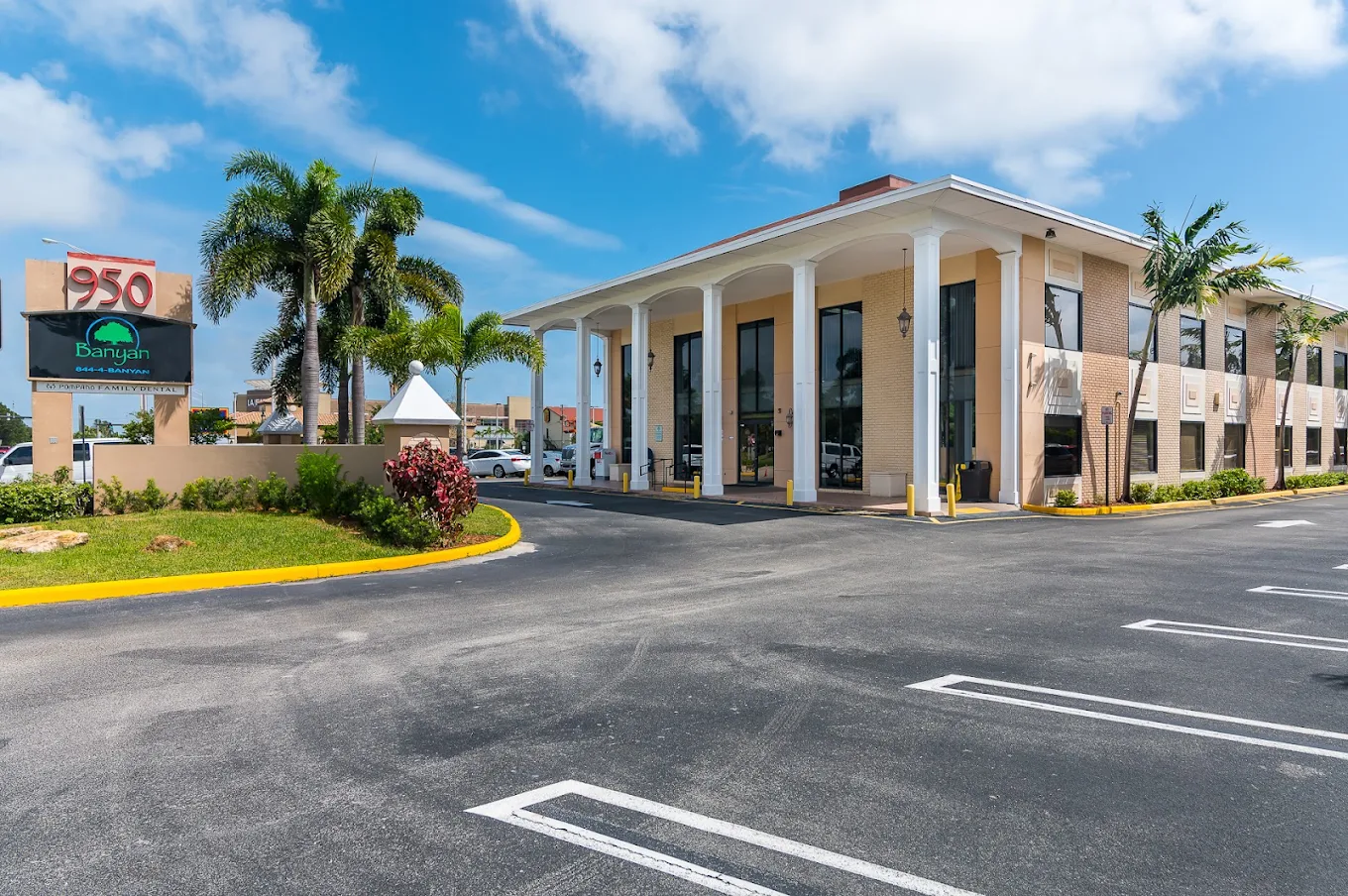
Banyan Pompano, FL · Serving Broward County
• Accepting Admissions Now
| Mental Health Addiction Treament | Yes Yes |
| Inpatient Care Outpatient Programs | Yes Yes |
| Dual Diagnosis | Yes |
Most insurances accepted
Banyan Palm Beaches ~45 miles
| Distance | about 45 miles |
| Main fit | mental health treatment and dual diagnosis treatment |
| Phone | (561) 264-1138 |
IN IMMEDIATE CRISIS?
988 Suicide & Crisis Lifeline
Call or text 988, 24/7.
For overdose or any medical emergency, call 911.
Medically Reviewed by:

Dr. Darrin Mangiacarne
Chief Medical Officer
At Banyan Treatment Centers, Chief Medical Officer Dr. Darrin Mangiacarne leads our nationwide clinical team with over a decade of addiction-medicine experience, helping ensure evidence-based, compassionate care across every level of treatment.
Author / Written by: Banyan Editorial Staff
Medically reviewed by: Dr. Darrin Mangiacarne, DO, MPH - Chief Medical Officer
Updated on: October 2026
Mental Health & Addiction Support Near Plantation, FL
Treatment decisions in Plantation become easier once you know the right level of care. A medically stable adult who is safe at home may be able to attend structured outpatient treatment. Someone who needs continuous support for a primary mental health condition may need residential care instead. Banyan Treatment Centers serves adults from Plantation through outpatient programs at Banyan Pompano and residential mental health treatment at Banyan Treatment Center of the Palm Beaches. Local programs in central Broward can also be part of the comparison, depending on the condition being treated, insurance, transportation, and current availability.
Talk to someone 24/7: (954) 866-4486 - free and confidential
Mental Health and Addiction Treatment Access in Plantation
The U.S. Census Bureau QuickFacts profile for Plantation reports that 11.2% of residents under age 65 lacked health insurance in the 2020-2024 estimate period. That figure is useful as an access measure, not as a measure of mental illness or addiction. A person with insurance may still need to check network rules, authorization requirements, and the level of care a plan will cover.
At the county level, the 2024 Broward Community Health Needs Assessment ranked access to care as its highest priority category and included behavioral health within that category. The Florida Department of Health in Broward's overdose surveillance program also tracks emergency visits, EMS calls, hospital discharges, vital records, and toxicology data to monitor overdose harm. These are Broward County findings, so they should not be treated as Plantation-specific prevalence rates. They do show why timely navigation and accurate level-of-care matching matter.
What to Consider Before Starting Outpatient Treatment
A treatment search is easier when you answer a few practical questions first. Is there a risk of dangerous withdrawal? Can the person stay safe outside a facility? Is the primary concern substance use, a mental health condition, or both? How much structure is needed during the week? A clinical assessment can organize these questions without requiring the patient or family to choose a program name. Medical history, current symptoms, substance use, prior treatment, medications, daily functioning, and support at home can all affect the recommendation.
Levels of Care Used for Addiction and Mental Health Treatment
Medical Detox
Medical detox provides monitoring and support when withdrawal could be medically risky or difficult to manage safely without supervision. It is one phase of treatment, not a complete addiction treatment plan.
Residential Treatment
Residential treatment is a live-in level of care. Programs may focus on addiction, primary mental health conditions, or both. The clinical focus matters just as much as the fact that the program is residential.
PHP and IOP
A partial hospitalization program offers extensive structured daytime treatment while the patient lives outside the facility. An intensive outpatient program provides fewer weekly treatment hours but still requires regular attendance. Both can be appropriate when a person can safely remain at home.
Standard Outpatient and Virtual Care
Standard outpatient care can support ongoing therapy and continuing care after a more intensive program. Virtual IOP through Banyan can reduce travel for eligible Florida patients when remote treatment is clinically appropriate. It does not replace detox, emergency care, or residential treatment when those services are needed.
Searching for Yourself or for Someone You Care About
People often start looking for treatment because something has changed: substance use is becoming harder to control, mood or anxiety symptoms are disrupting daily life, work or relationships are suffering, or a previous treatment plan is no longer enough. Those signs alone do not identify the correct diagnosis or program. A person seeking help for themselves can describe what has been happening and what support they have at home. A family member can share concerns and treatment history without trying to diagnose the person. The assessment team can use that information to recommend the appropriate level of care.
What to Consider Before Starting Outpatient Treatment
Outpatient treatment works best when the schedule is realistic enough to follow consistently. Ask how many days each week require attendance, how long sessions last, whether treatment is offered during daytime or evening hours, and how medication appointments are handled. It is also worth asking what happens if symptoms worsen or the person can no longer remain safe at home. A program should explain how it responds when a patient needs a higher level of care and how it coordinates a step-down when the patient improves.
When Traveling Outside Plantation Can Make Sense
Travel can be reasonable when a program outside Plantation offers the clinical focus or level of care that fits the assessment. Distance alone does not make one option better. For outpatient care, recurring travel has to be sustainable. For residential care, the patient stays at the facility, so families should focus on admission logistics, communication during treatment, and what follow-up will look like after the person returns home.
Central Broward Treatment Options
Plantation residents can compare programs in Plantation, Fort Lauderdale, Oakland Park, Tamarac, and nearby Broward communities. Destination Hope lists addiction, mental health, dual-diagnosis, detox, residential, and outpatient services. Agape Treatment Center focuses on addiction and co-occurring mental health needs across residential, PHP, and IOP settings. Fort Lauderdale Behavioral Health Center provides inpatient and outpatient behavioral health care, while The Sylvia Brafman Mental Health Center focuses on primary mental health and dual-diagnosis treatment. These providers differ in clinical focus and level of care, so the comparison should be guided by the main condition and recommended treatment intensity.
Getting into treatment is easy with our free insurance verification
"*" indicates required fields
Insurance and Cost Planning
Behavioral health benefits vary by insurer and plan. Before admission, confirm network status, deductibles, copays or coinsurance, prior authorization, medical-necessity rules, and whether the recommended program is covered. Banyan's insurance verification resource can review plan information before treatment begins. Verification can clarify likely benefits and patient responsibility, but it does not guarantee coverage or admission.
Banyan Pompano for Structured Outpatient Care
At Banyan Pompano, adults can receive addiction or mental health care through PHP, IOP, standard outpatient services, and Virtual IOP. Treatment can also address co-occurring mental health and substance use needs. Plantation residents considering in-person PHP or IOP should plan for repeated travel east across Broward County and ask how many days each week require on-site attendance. Work hours, caregiving, and transportation can make the schedule as important as the mileage.
Residential Mental Health Care at Banyan Treatment Center of the Palm Beaches
Banyan Treatment Center of the Palm Beaches provides residential treatment for adults whose primary mental health condition calls for a live-in setting. The program also supports co-occurring disorders. This treatment pathway differs from Banyan Pompano's outpatient services, but both remain viable Banyan options when they match the clinical recommendation. Residential treatment involves staying at the facility, so travel usually centers on admission, family involvement, and discharge rather than weekly commuting.
Conditions Addressed Through Banyan Programs
Relevant Banyan programs provide care for depression, anxiety, bipolar disorder, trauma-related conditions, mood disorders, alcohol and drug use disorders, and co-occurring mental health and substance use conditions. Availability varies by facility and level of care. The Banyan dual-diagnosis treatment information explains how co-occurring conditions are approached, while Banyan's addiction treatment resources describe substance-specific care.
Planning for the Next Level of Care
A treatment plan should include what happens after the current program ends. Someone leaving residential care may step down to PHP, IOP, or standard outpatient treatment. A patient who starts in IOP may later move to weekly therapy, medication follow-up, peer support, or another continuing-care service. Before admission, Plantation residents can ask where follow-up care will occur, whether the next program is close enough to attend consistently, and how records or medication information will be transferred.
Using an Assessment to Narrow the Choice
The assessment should clearly explain why a specific level of care is being recommended. Ask what risks or symptoms led to that recommendation, whether the plan can change if the person's condition improves or worsens, and how progress will be reviewed. If the provider recommends a program outside Plantation, ask what makes that setting clinically appropriate and what the transition back to local care will look like. Those answers make it easier to compare options without relying on marketing language or distance alone.
Questions about our Facilities or Programs?
Our admissions coordinators are available 24/7 to answer any questions you may have as you consider whether treatment at Banyan is right for you or your loved one.
Common Questions From Plantation Families
How do I know if outpatient treatment is enough?
Outpatient treatment can fit when the person is medically stable, can remain safe outside the program, and has enough support to follow the schedule. Residential care may be recommended when symptoms, safety concerns, or daily functioning require a live-in setting.
Can Banyan treat mental health and substance use together?
Yes. Banyan provides co-occurring care when both concerns are present. The recommended facility and level of care still depend on which condition is primary and how much structure is required.
Should I choose the closest provider?
Distance matters, especially for outpatient treatment, but clinical fit comes first. Before deciding, confirm the provider's treatment focus, level of care, medical capabilities, insurance participation, and continuing-care plan.
What happens when I contact Banyan?
The Banyan admissions process begins with gathering information about the current concern, treatment history, medical needs, substance use, mental health symptoms, insurance, and safety. An assessment helps determine the appropriate setting and next steps.
Free and Low-Cost Support in Broward County
For immediate emotional crisis support, call or text the 988 Suicide & Crisis Lifeline. The SAMHSA National Helpline provides treatment referral information at 1-800-662-HELP (4357). People seeking publicly funded behavioral health services can also use Broward County's behavioral health network and community referral resources. Call 911 for immediate danger or a medical emergency.
Getting Help Near Plantation
Plantation residents can compare local Broward programs with Banyan's outpatient and residential options based on the condition being treated and the amount of support required. Admissions staff can explain which Banyan setting matches the assessment, review insurance, and discuss travel or scheduling before treatment begins.
Verify your insurance free, or call (954) 866-4486 - 24/7.
Disclaimer:
1. Provider details in the "Private Treatment Options" section come from each program's own published materials and public treatment directories; programs change, so confirm current specifics with each provider directly.
2. The information on this page is for educational purposes only and is not a substitute for professional medical advice, diagnosis, or treatment. If you or a loved one needs support, please contact Banyan Treatment Centers or a qualified clinician. For overdose and related medical emergencies, dial 911.
What Our Patients Are Saying


Getting Into Treatment Is Easy. Here's How to Get Started!

Call Us Anytime
Speak with our compassionate admissions specialists to discuss your situation and explore treatment options.

Initial Assessment
We conduct a thorough evaluation to determine the best level of care tailored to your needs.

Financial Guidance
Our team will verify your insurance coverage and provide transparent cost information.

Begin Your Recovery
Once everything is set, you’ll be welcomed into our program and start your journey toward healing.