
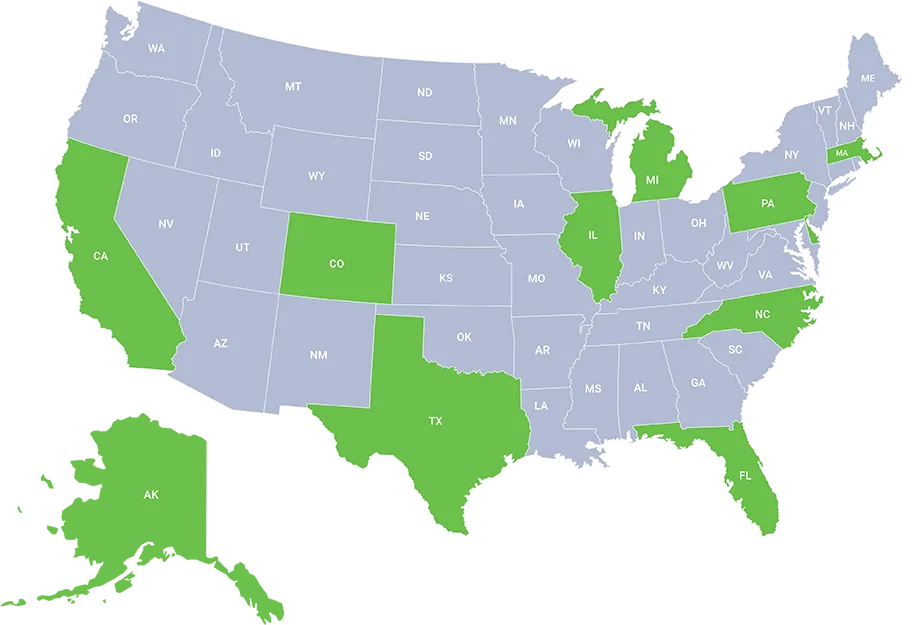

NEAREST BANYAN LOCATION
Banyan Treatment Center
Banyan Pompano, FL · Serving Miami-Dade County
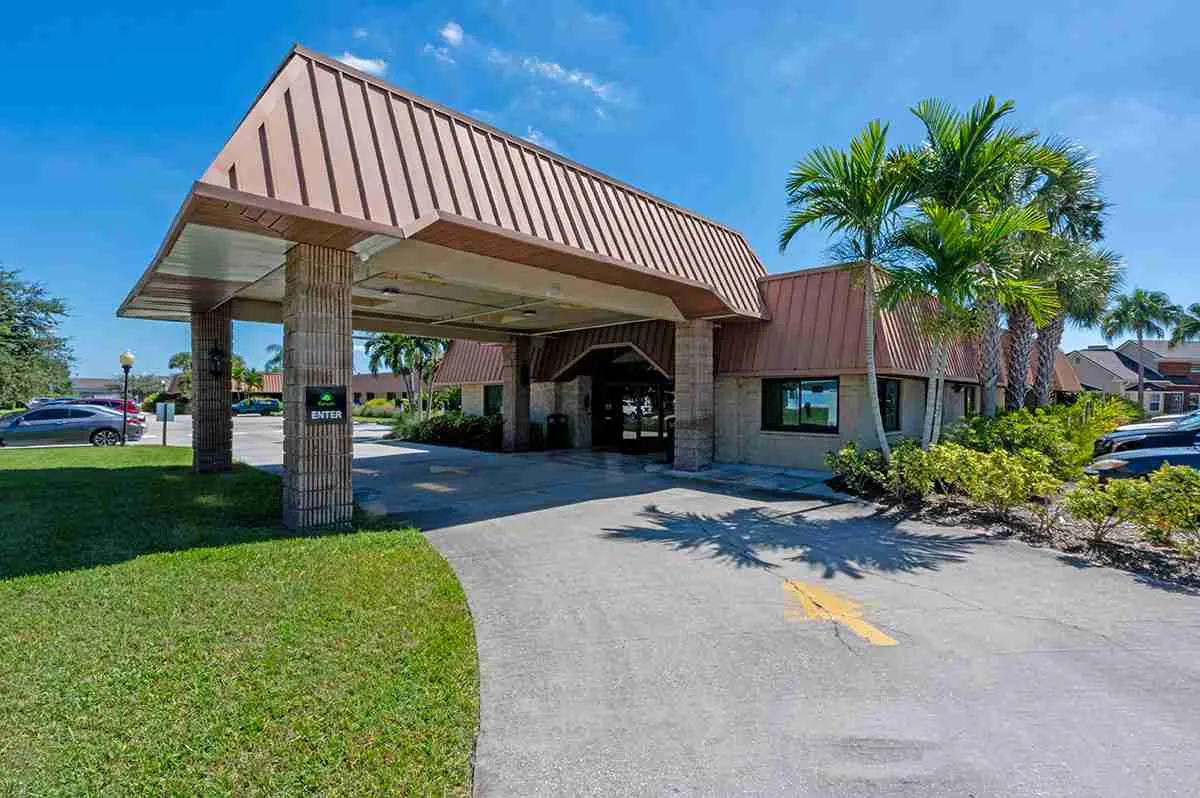
• Accepting Admissions Now
| Mental Health Addiction Treament | Yes Yes |
| Inpatient Care Outpatient Programs | Yes Yes |
| Dual Diagnosis | Yes |
Most insurances accepted
Banyan Palm Beaches ~65 miles
| Distance | about 65 miles |
| Main fit | mental health treatment and dual diagnosis treatment |
| Phone | (561) 264-1138 |
IN IMMEDIATE CRISIS?
988 Suicide & Crisis Lifeline
Call or text 988, 24/7.
For overdose or any medical emergency, call 911.
Medically Reviewed by:
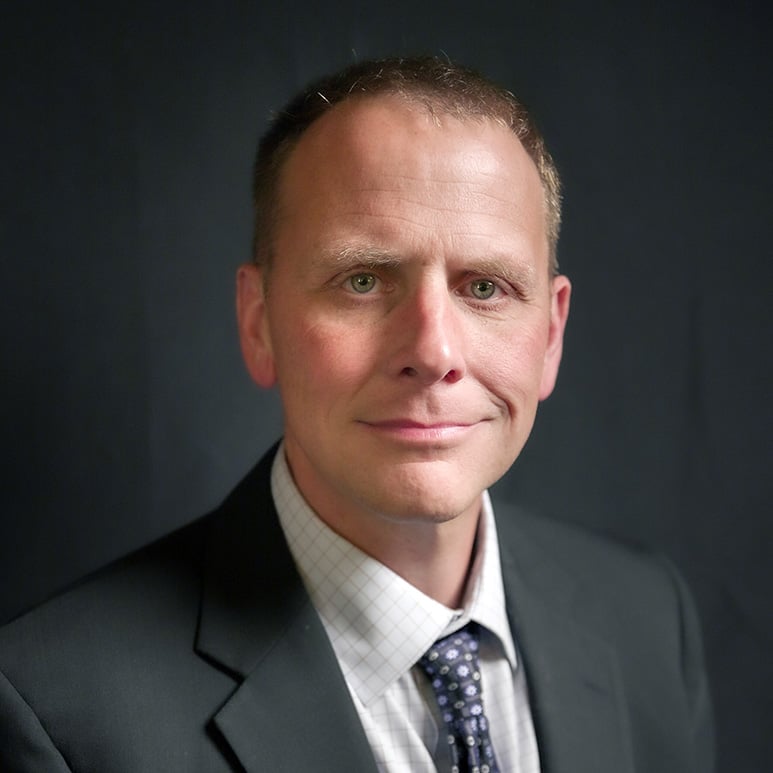
Dr. Darrin Mangiacarne
Chief Medical Officer
At Banyan Treatment Centers, Chief Medical Officer Dr. Darrin Mangiacarne leads our nationwide clinical team with over a decade of addiction-medicine experience, helping ensure evidence-based, compassionate care across every level of treatment.
Author / Written by: Banyan Editorial Staff
Medically reviewed by: Dr. Darrin Mangiacarne, DO, MPH - Chief Medical Officer
Updated on: October 2026
Mental Health & Addiction Support Near Miami, FL
Miami residents seeking support for substance use or mental health concerns have access to a range of treatment options throughout Miami-Dade County and surrounding South Florida communities. Depending on individual needs, care may include medical detox, residential treatment, partial hospitalization programs (PHP), intensive outpatient programs (IOP), virtual treatment, and standard outpatient services.
The appropriate treatment setting depends on factors such as symptoms, withdrawal risk, medical needs, safety, previous treatment, and whether the primary concern involves substance use, mental health, or both. A clinical assessment can help identify the appropriate level of care.
For Miami residents considering Banyan Treatment Centers, Banyan Pompano provides outpatient treatment for substance use and mental health concerns, while Banyan Treatment Center of the Palm Beaches provides residential treatment for primary mental health conditions.
Talk to someone 24/7: (954) 866-4486 - free and confidential
Mental Health and Treatment Access in Miami-Dade County
According to U.S. Census Bureau QuickFacts for Miami, the city had an estimated 489,812 residents in 2025. Census data also show that 18.9% of residents under age 65 were without health insurance during the 2020–2024 reporting period. Insurance status can affect access to treatment, including provider options and potential out-of-pocket costs.
Thriving Mind South Florida’s 2025 Behavioral Health Needs Assessment identified access delays among surveyed behavioral health service users in the Miami-Dade and Monroe service region. Among respondents who waited for services, 37.7% reported waiting more than one month, while nearly 42% reported being placed on a waitlist. Miami-Dade’s 2025–2030 health planning efforts also identify access to care and behavioral and mental health as county priorities.
These findings reflect regional access considerations and should not be interpreted as estimates of mental health or substance use conditions among Miami residents. Individual treatment decisions should be based on each person’s clinical needs and available care options.
Finding the Appropriate Level of Care
Concerns that lead someone to seek treatment may include difficulty controlling alcohol or drug use, withdrawal symptoms, depression, anxiety, trauma-related symptoms, mood changes, repeated crises, or changes in daily functioning. Substance use and mental health concerns may also occur together.
A clinical assessment can consider current symptoms, substance use, withdrawal risk, medical needs, safety, previous treatment, daily functioning, and the ability to remain safely at home. This information can help identify the appropriate level of care and treatment setting.
Types of Treatment Miami Residents May Encounter
Medical Detox
Medical detox may be used when stopping a substance could cause serious withdrawal symptoms. It can also be needed when there is a health risk. It is not necessary for every person or every substance. It is only the first phase of care when ongoing addiction care is also needed.
Residential or Inpatient Treatment
Live-in treatment provides a structured setting with around-the-clock care. It may suit people who aren't well served by returning home each evening. Residential mental health care and residential addiction care are different services. So the program's clinical focus matters.
Partial Hospitalization Program (PHP)
A partial hospitalization program provides intensive daytime treatment. The person still lives outside the care setting. PHP may be considered when someone needs more structure than standard outpatient care but does not require a live-in program.
Intensive Outpatient Program (IOP)
An intensive outpatient program offers scheduled therapy and recovery work several times per week. The person can continue living at home. The schedule and clinical fit vary by program.
Virtual Treatment
For eligible Florida residents, telehealth and Virtual IOP can reduce commuting. It may also make structured care easier to fit around work or family responsibilities. Virtual care is not a substitute for detox, live-in care, or emergency services when those are needed.
Co-Occurring Disorder Treatment
A mental health condition and a substance use disorder can occur together. Co-occurring disorder treatment can address both concerns within one coordinated plan instead of treating them as unrelated problems.
Community Mental Health and Addiction Resources in Miami-Dade County
Miami-Dade County has public and community resources for mental health and substance use concerns. Thriving Mind South Florida’s provider network coordinates behavioral health services across Miami-Dade and Monroe counties, including services for uninsured or underinsured people. Eligibility and available services vary by program.
Miami-Dade County also reports activity within community-based substance use programs. In FY 2024, county data included 460 admissions to community-based residential services and 244 people served through the Diversion and Treatment Program. These figures reflect specific county programs and should not be interpreted as estimates of how many Miami residents need treatment.
Private Treatment Options Near Miami
Miami residents comparing private programs may encounter several different models. Harbor Village describes addiction care across detox, residential, PHP, and IOP. Summer House Detox Center focuses on detox and inpatient recovery support. Adaptive Center offers addiction-focused outpatient, PHP, and IOP services. Transitions Recovery Program describes addiction, mental health, and dual-diagnosis care across multiple settings. Don't rank these examples as a simple list of better or worse choices. Compare the primary focus, level of care, co-occurring support, insurance, and next-step plan. Confirm current services directly with each program.
Getting into treatment is easy with our free insurance verification
"*" indicates required fields
Insurance, Cost and Treatment Planning
Insurance coverage for mental health and substance use treatment varies by individual plan, provider, level of care, network status, medical necessity, authorization requirements, deductibles, and cost-sharing terms.
According to United Way Miami’s 2026 ALICE Report, 56% of Miami-Dade households live in poverty or earn above the federal poverty level but still cannot afford basic necessities. This figure reflects financial strain within the county and is not a measure of substance use or mental health conditions.
Banyan’s insurance verification process can help review plan-specific benefits before admission. Verification does not guarantee coverage, payment, or admission, and potential out-of-pocket costs depend on the individual policy and services received.
Considering Treatment Outside Miami
Miami residents may be able to find an appropriate treatment program locally. Treatment outside the city may also be considered when a specific level of care, clinical focus, or program is not available locally, or another provider better matches the individual’s treatment needs.
When comparing options, practical considerations may include transportation, work or caregiving responsibilities, insurance coverage, family participation, and continuing-care planning. The decision should be based primarily on the individual’s clinical needs and the services available at the treatment program.
How Banyan Serves Miami Residents
Banyan Pompano is approximately 33.5 miles from central Miami and provides outpatient treatment for substance use and mental health concerns, including PHP and Virtual IOP. These programs may suit individuals who need structured treatment while remaining safely outside a residential setting.
For eligible Florida residents, Virtual IOP may provide access to structured outpatient treatment without requiring repeated travel to Pompano. Whether virtual or in-person outpatient treatment is appropriate depends on individual clinical needs and safety considerations.
Banyan Treatment Center of the Palm Beaches is approximately 65 miles from central Miami and provides residential treatment for primary mental health conditions. The facility can also support co-occurring disorders when clinically appropriate.
Because Banyan Pompano and Banyan Treatment Center of the Palm Beaches offer different treatment settings and clinical focuses, the right option depends on the individual’s primary treatment needs and recommended level of care.
Conditions and Concerns Banyan Can Address
Banyan’s South Florida programs may support substance use concerns as well as depression, anxiety, trauma-related symptoms, bipolar and mood disorders, OCD, and co-occurring concerns. The available treatment setting depends on the facility and the level of care needed.
Banyan Pompano provides outpatient mental health and addiction treatment, while Banyan Treatment Center of the Palm Beaches provides residential treatment for primary mental health conditions. A clinical assessment can consider symptoms, safety, functioning, and other individual needs to help identify an appropriate treatment setting.
Choosing the Appropriate Banyan Treatment Setting
Miami residents considering Banyan can choose from different treatment options based on their clinical needs. Banyan Pompano provides outpatient treatment for substance use and mental health concerns, while Banyan Treatment Center of the Palm Beaches provides residential treatment for primary mental health conditions.
The appropriate setting depends on factors such as the primary treatment need, symptoms, safety, ability to remain at home during treatment, and the level of structure that may be appropriate. Banyan’s admissions team can also answer questions about available programs, insurance verification, and practical considerations before treatment begins.
Questions about our Facilities or Programs?
Our admissions coordinators are available 24/7 to answer any questions you may have as you consider whether treatment at Banyan is right for you or your loved one.
Common Questions From Miami Families
How do I know whether someone needs outpatient or residential care?
Several factors shape this decision. Safety and withdrawal risk come first. Symptom severity, daily functioning, previous treatment, and home support also matter. A clinical assessment can match those needs with the right level of care.
Can mental health and substance use concerns be treated together?
Yes, when the program is equipped to address both concerns. Ask how the provider assesses co-occurring conditions and whether both will be included in the care plan.
Will I have to leave Miami for treatment?
Not always. Miami has a large treatment market. Travel becomes relevant when a particular level of care, clinical focus, insurance arrangement, or program is a better match outside the city.
Can I call Banyan for a family member?
Yes. A family member can ask about care options and the admissions process. Privacy rules still apply to an adult patient's personal health details and participation in care.
What happens when I contact admissions?
The first conversation often covers the current concern and any urgent safety issues. Admissions may also ask about care history, substance use, mental health symptoms, health needs, and insurance. The goal is to identify possible next steps. A call does not automatically mean admission.
Local Resources and Immediate Support
For community referrals, 211 Miami's information and referral service is offered 24/7 and offers support in English, Spanish, and Creole. People in emotional distress can call or text 988 Suicide & Crisis Lifeline at 988. For treatment referrals nationwide, SAMHSA's National Helpline is offered at 1-800-662-HELP (4357). These services can help people find resources, but they do not replace ongoing treatment. Call 911 for an immediate medical emergency or danger.
Admissions and Next Steps
Individuals seeking treatment, as well as loved ones, can contact Banyan’s admissions team to discuss current concerns, previous treatment, medical needs, substance use, mental health symptoms, and safety concerns.
The admissions process may include gathering information about individual needs, discussing available programs, and reviewing insurance benefits when applicable. A clinical assessment can help identify the appropriate level of care and treatment setting.
You can also discuss program availability, transportation needs, and other practical considerations before treatment begins.
Explore Treatment Options Near Miami
Choosing treatment may involve questions about the right level of care, available programs, insurance coverage, and whether outpatient or residential treatment is appropriate.
For Miami residents considering Banyan, the admissions team can answer questions about outpatient treatment at Banyan Pompano, residential primary mental health treatment at Banyan Treatment Center of the Palm Beaches, and the admissions process.
Contact Banyan Treatment Centers to learn more about available treatment options and next steps.
Verify your insurance free, or call (954)866-4486 - 24/7.
Disclaimer:
1. Provider details in the "Private Treatment Options" section come from each program's own published materials and public treatment directories; programs change, so confirm current specifics with each provider directly.
2. The information on this page is for educational purposes only and is not a substitute for professional medical advice, diagnosis, or treatment. If you or a loved one needs support, please contact Banyan Treatment Centers or a qualified clinician. For overdose and related medical emergencies, dial 911.
What Our Patients Are Saying


Getting Into Treatment Is Easy. Here's How to Get Started!

Call Us Anytime
Speak with our compassionate admissions specialists to discuss your situation and explore treatment options.

Initial Assessment
We conduct a thorough evaluation to determine the best level of care tailored to your needs.

Financial Guidance
Our team will verify your insurance coverage and provide transparent cost information.

Begin Your Recovery
Once everything is set, you’ll be welcomed into our program and start your journey toward healing.