

NEAREST BANYAN LOCATION
Banyan Treatment Center
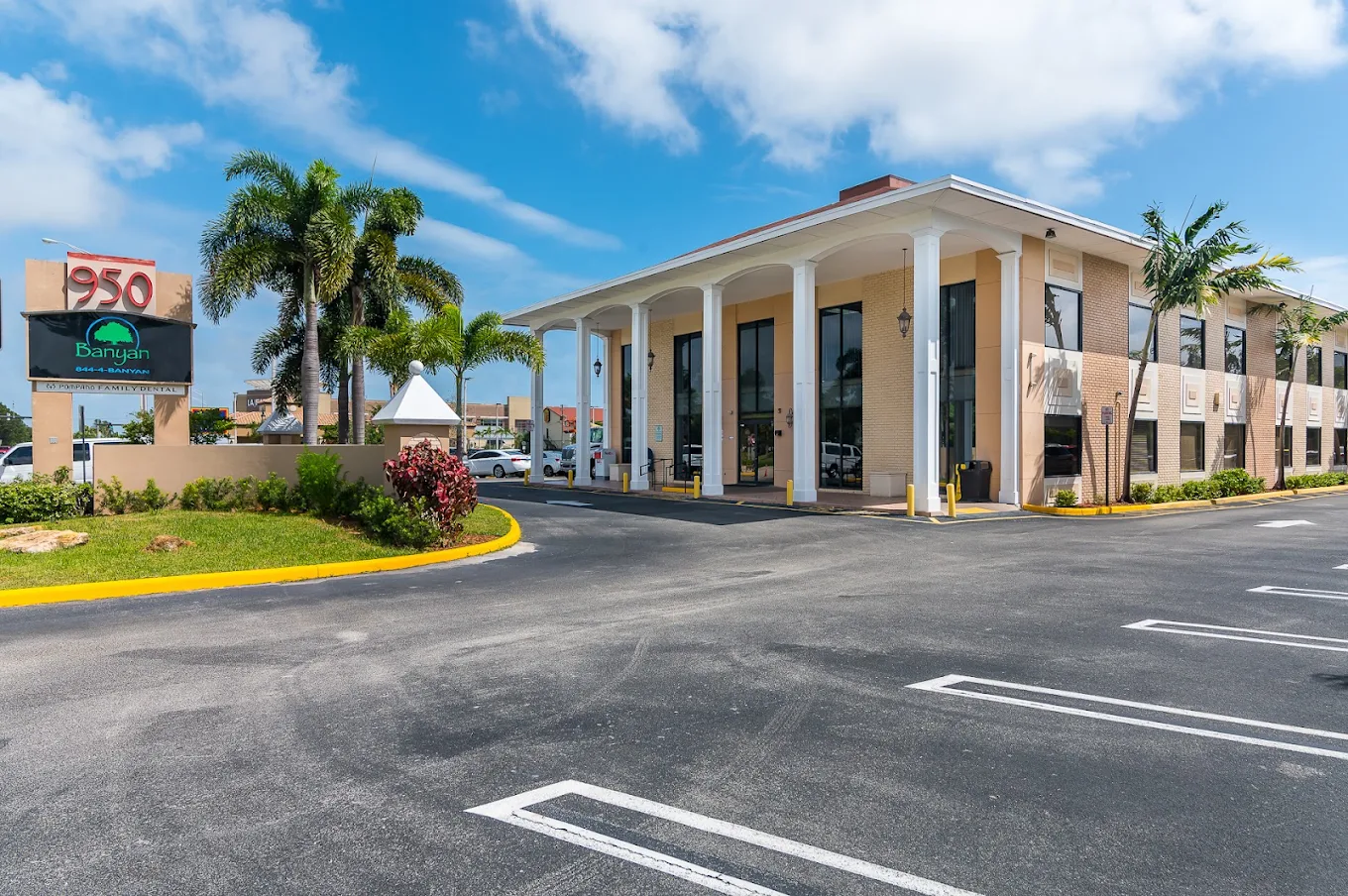
Banyan Pompano, FL · Serving Miami-Dade County
• Accepting Admissions Now
| Mental Health Addiction Treament | Yes Yes |
| Inpatient Care Outpatient Programs | Yes Yes |
| Dual Diagnosis | Yes |
Most insurances accepted
Banyan Palm Beaches ~70 miles
| Distance | about 70 miles |
| Main fit | mental health treatment and dual diagnosis treatment |
| Phone | (561) 264-1138 |
IN IMMEDIATE CRISIS?
988 Suicide & Crisis Lifeline
Call or text 988, 24/7.
For overdose or any medical emergency, call 911.
Medically Reviewed by:

Dr. Darrin Mangiacarne
Chief Medical Officer
At Banyan Treatment Centers, Chief Medical Officer Dr. Darrin Mangiacarne leads our nationwide clinical team with over a decade of addiction-medicine experience, helping ensure evidence-based, compassionate care across every level of treatment.
Author / Written by: Banyan Editorial Staff
Medically reviewed by: Dr. Darrin Mangiacarne, DO, MPH - Chief Medical Officer
Updated on: October 2026
Mental Health & Addiction Support Near Doral, FL
Doral residents seeking support for substance use or mental health concerns have access to different levels of treatment throughout Miami-Dade County and surrounding South Florida communities. Depending on individual needs, care may include medical detox, residential treatment, partial hospitalization programs (PHP), intensive outpatient programs (IOP), virtual treatment, and standard outpatient services.
The appropriate treatment setting depends on factors such as the primary condition, withdrawal risk, medical needs, safety, daily functioning, previous treatment, and whether substance use and mental health concerns occur together.
For Doral residents considering Banyan Treatment Centers, Banyan Pompano provides outpatient addiction and mental health treatment, while Banyan Treatment Center of the Palm Beaches provides residential treatment for primary mental health conditions and co-occurring disorders.
Talk to someone 24/7: (954) 866-4486 - free and confidential
Mental Health and Treatment Access in Miami-Dade County
According to U.S. Census Bureau QuickFacts for Doral, 9.6% of residents under age 65 were without health insurance during the 2020–2024 estimate period. Insurance status does not indicate how many Doral residents need mental health or addiction treatment, but it can affect access to care, provider options, and potential out-of-pocket costs.
The Florida Department of Health in Miami-Dade County identifies access to care and behavioral and mental health as among the county’s 2025–2030 health priorities.
United Way Miami’s ALICE research reports that 56% of Miami-Dade households live in poverty or earn above the poverty level but below the amount needed to afford basic household necessities. This countywide measure does not indicate rates of mental illness or substance use in Doral, but it provides broader context about financial barriers that may affect access to services.
Matching Treatment Intensity to Individual Needs
A clinical assessment can help identify an appropriate level of care based on factors such as symptoms, medical needs, withdrawal risk, safety, and daily functioning. Once a level of care is recommended, providers can also consider practical scheduling requirements.
PHP generally requires a greater weekly time commitment than IOP, while standard outpatient treatment involves fewer treatment hours. Residential treatment provides care in a live-in setting. For Doral residents considering outpatient care, work, school, caregiving, transportation, and other responsibilities may also affect how they manage a treatment schedule.
Treatment Levels Used for Mental Health and Addiction Care
Medical Detox
Medical detox is used when withdrawal requires clinical monitoring or medical support. It is not needed for every patient and should be followed by ongoing addiction treatment when further care is recommended.
Residential Treatment
Residential care provides treatment in a live-in setting. Programs differ in whether they focus primarily on addiction, mental health, or a specific population, so the clinical scope should be confirmed before admission.
PHP and IOP
PHP provides a high level of structured daytime treatment while the person lives outside the facility. IOP provides fewer weekly treatment hours and can support either a step-down from more intensive care or a direct admission when appropriate.
Virtual IOP and Standard Outpatient Care
Virtual IOP can reduce travel for eligible Florida patients. Standard outpatient treatment is less intensive and can support ongoing therapy and continuing care.
For Working Adults and Families in Doral
Treatment planning often has to account for employment, school schedules, childcare, and other responsibilities. Those factors should not determine the clinical recommendation, but they do affect whether a patient can follow an outpatient plan consistently. A patient who can remain safe at home may be able to arrange IOP or standard outpatient care around daily responsibilities. Someone who needs PHP will usually have a larger time commitment, while residential treatment requires time away from home. Families can ask about scheduling before admission so they understand what participation will require.
Community Resources and Treatment Access
Practical concerns such as transportation, food, housing, financial stress, and family responsibilities can affect a person’s ability to access and consistently participate in treatment. Miami-Dade referral services can help residents connect with community resources that may address some of these needs.
Doral residents who prefer to communicate in Spanish or another language can also ask treatment providers about available language services during the admissions process. Clear communication can help patients and families better understand treatment schedules, insurance information, and other program requirements.
What to Confirm When Comparing Treatment Providers
Before choosing a treatment provider, confirm the available level of care, the primary conditions treated, whether it addresses co-occurring disorders, and whether medical services are available when needed. Ask how often in-person attendance is required, whether the program accepts the insurance plan, and how continuing care is coordinated.
A program that provides medical detox may not be appropriate for someone seeking residential treatment for a primary mental health condition, just as a mental health residential program does not replace addiction detox when withdrawal management is needed. Confirming the program’s clinical scope can help identify options that align with the individual’s treatment needs.
Treatment Options in and Around Miami-Dade
Several Miami-Dade providers offer different treatment models. Harbor Village lists addiction treatment across detox, residential, PHP, and IOP settings. Summer House Detox Center focuses on addiction detox and inpatient recovery support. Adaptive Center provides addiction treatment through outpatient, PHP, and IOP services with supportive housing, while Transitions Recovery Program lists addiction, mental health, co-occurring, PHP, IOP, and residential care. Doral residents should confirm where services are delivered and how often in-person attendance is required.
Getting into treatment is easy with our free insurance verification
"*" indicates required fields
Insurance Coverage and Program Requirements
Before admission, confirm whether the treatment provider is in-network with the insurance plan and ask about deductibles, copays or coinsurance, prior authorization, and any medical-necessity requirements that may apply to the recommended level of care.
It is also helpful to confirm how many treatment days are required each week, how long sessions typically last, and whether evening or virtual options are available when appropriate. Banyan’s insurance verification resource can help patients and families review plan-specific benefits before treatment begins.
Banyan Pompano for Outpatient Treatment
Banyan Pompano provides PHP, IOP, standard outpatient care, and Virtual IOP for adults with addiction or mental health needs, including co-occurring concerns.
Doral residents considering in-person outpatient treatment should consider the required weekly schedule alongside work, caregiving, transportation, and other regular responsibilities. Virtual IOP may also be available for eligible Florida patients when remote treatment is clinically appropriate.
Residential Mental Health Treatment at Banyan Treatment Center of the Palm Beaches
Banyan Treatment Center of the Palm Beaches provides residential treatment for adults whose primary mental health condition requires a live-in level of care and can also address co-occurring disorders when appropriate.
For Doral residents who may need residential mental health treatment, a clinical assessment can help identify whether the individual’s primary condition, symptoms, safety needs, and required level of support align with the services available at this facility. Addiction detox or residential addiction treatment should be provided through a program equipped to offer those services.
Mental Health, Substance Use, and Co-Occurring Conditions
Banyan programs provide treatment for depression, anxiety, bipolar disorder, trauma-related conditions, mood disorders, alcohol use disorder, opioid use disorder, stimulant use disorders, and other substance-related conditions. When symptoms overlap, dual-diagnosis treatment addresses both mental health and substance use needs. The final program recommendation depends on the primary concern and required intensity.
Continuing Care After Treatment
As treatment needs change, someone may transition from residential care to PHP or IOP, from PHP to IOP, or from IOP to standard outpatient treatment. The appropriate next step depends on individual progress and ongoing clinical needs.
Before the current level of treatment ends, Doral residents can ask where follow-up care will take place, whether telehealth is available when appropriate, how medication management will be coordinated, and whether upcoming appointments have been arranged. This planning can help support continuity as someone moves from one level of care to another.
When a Family Member Is Helping With the Search
A family member can make the process easier by gathering concrete information rather than trying to decide the person's diagnosis. Useful details include recent changes in mood or behavior, substance use patterns, medication lists, prior treatment, medical conditions, and any safety concerns. Include the person seeking care in decisions whenever possible. If the family is calling on someone's behalf, ask the provider what information can be discussed and what consent will be needed once treatment begins.
When Treatment Needs Change
Treatment intensity may change as someone progresses through care or as new clinical needs emerge. A person may transition from residential treatment to PHP or IOP, or from IOP to standard outpatient treatment. In other situations, worsening symptoms, withdrawal concerns, or safety needs may indicate that a higher level of care should be considered.
Patients and families can ask how progress is evaluated, how recommendations to change levels of care are made, and how the next provider or program will be coordinated when a transition is recommended.
Questions about our Facilities or Programs?
Our admissions coordinators are available 24/7 to answer any questions you may have as you consider whether treatment at Banyan is right for you or your loved one.
Questions About Treatment Near Doral
Can someone keep working while in treatment?
It depends on the recommended level of care and the program schedule. Standard outpatient treatment and some IOP schedules may be easier to coordinate with employment than PHP or residential treatment. Patients should confirm attendance requirements directly with the program before treatment begins.
Is Virtual IOP the same as online therapy?
No. Virtual IOP is a structured intensive outpatient program delivered remotely. It generally involves more treatment time and structure than a standard outpatient therapy appointment and may be appropriate for eligible patients based on their clinical needs.
What if someone needs both addiction and mental health treatment?
Tell the assessment team about both concerns. Co-occurring treatment can address mental health and substance use needs together when appropriate, while the specific setting and level of care should reflect the individual’s primary condition, symptoms, medical needs, and safety.
How do I start with Banyan?
The Banyan admissions process begins with a conversation about current concerns, substance use, medical needs, treatment history, insurance, and safety. A clinical assessment can then help identify an appropriate level of care and available treatment options.
Local Referral and Crisis Resources
211 Miami provides information and referrals for community services throughout Miami-Dade County and offers assistance in English, Spanish, and Creole.
For immediate emotional or mental health crisis support, call or text 988 to reach the 988 Suicide & Crisis Lifeline. The SAMHSA National Helpline also provides treatment referral information for mental health and substance use concerns at 1-800-662-HELP (4357).
Call 911 or seek emergency medical care for an immediate medical emergency, suspected overdose, or situation involving imminent danger.
Explore Treatment Options Near Doral
Finding appropriate treatment can involve questions about the level of care, available programs, insurance coverage, and whether addiction, mental health, or co-occurring treatment may be appropriate.
If you are seeking treatment for yourself or someone you care about, Banyan can provide information about available programs and the admissions process. Contact Banyan Treatment Centers to discuss treatment options and possible next steps.
Verify your insurance free, or call (954) 866-4486 - 24/7.
Disclaimer:
1. Provider details in the "Private Treatment Options" section come from each program's own published materials and public treatment directories; programs change, so confirm current specifics with each provider directly.
2. The information on this page is for educational purposes only and is not a substitute for professional medical advice, diagnosis, or treatment. If you or a loved one needs support, please contact Banyan Treatment Centers or a qualified clinician. For overdose and related medical emergencies, dial 911.
What Our Patients Are Saying


Getting Into Treatment Is Easy. Here's How to Get Started!

Call Us Anytime
Speak with our compassionate admissions specialists to discuss your situation and explore treatment options.

Initial Assessment
We conduct a thorough evaluation to determine the best level of care tailored to your needs.

Financial Guidance
Our team will verify your insurance coverage and provide transparent cost information.

Begin Your Recovery
Once everything is set, you’ll be welcomed into our program and start your journey toward healing.