

How to Find a Rehab Center When You Don't Know Where to Start
Finding help for yourself or a loved one can feel overwhelming, here's a clear, step-by-step guide to make the process easier.
Reaching the point where you're searching for a rehab center is already a significant step. Whether this is for you or someone you love, the process doesn't have to be as complicated as it feels right now. This guide breaks it down into manageable steps, and explains the key terms and concepts along the way, so you can make an informed decision with confidence.
Step 1: Understand the Levels of Care
One of the most confusing parts of finding treatment is figuring out what type of program someone actually needs. "Rehab" is a broad term that covers a wide spectrum of care, and choosing the right level from the start makes a real difference in outcomes. The goal is to match the intensity of treatment to the severity of the problem, not too little, not more than necessary.
Detox (Medical Detoxification)
Detox is often the very first step for people with a physical dependence on alcohol, opioids, benzodiazepines, or other substances. When someone has been using heavily for an extended period, their body has adapted to the presence of that substance, and stopping suddenly can trigger withdrawal symptoms ranging from uncomfortable to life-threatening.
Medical detox provides 24/7 supervision by doctors and nurses who can manage symptoms, administer medications to ease the process, and intervene if complications arise. Detox typically lasts 3 to 10 days depending on the substance and the individual. It's important to understand that detox alone is not treatment, it clears the body, but it doesn't address the underlying psychological and behavioral patterns driving addiction. It should always be followed by a formal treatment program.
Inpatient / Residential Rehab
Inpatient or residential rehab means living at the treatment facility full-time during the program, which typically runs 28 to 90 days. This level of care removes a person from their everyday environment, away from triggers, stressors, and easy access to substances, and immerses them in a structured, supportive setting. Days are filled with individual therapy, group sessions, educational workshops, and often holistic activities like yoga, meditation, or fitness.
Residential rehab is generally recommended for people with moderate to severe addiction, those who have tried outpatient treatment without success, or individuals whose home environment is not conducive to early recovery. The around-the-clock support and accountability make it one of the most effective settings for building a foundation in sobriety.
Partial Hospitalization Program (PHP)
A Partial Hospitalization Program, commonly called PHP, is a step down from inpatient care, or sometimes a step up from outpatient when someone needs more structure. Patients attend treatment for roughly 5 to 6 hours per day, 5 days a week, but return home or to a sober living residence in the evenings.
PHP offers the clinical intensity of a hospital-based program without requiring an overnight stay, making it a good fit for people who have a stable, supportive living situation and don't need 24-hour supervision. It's also frequently used as a transition after completing inpatient rehab, allowing someone to gradually reintegrate into daily life while still receiving robust therapeutic support.
Intensive Outpatient Program (IOP)
An Intensive Outpatient Program (IOP) typically involves 3 to 4 hours of structured treatment per day, 3 to 5 days per week. Unlike inpatient care, patients live at home and maintain their daily responsibilities, going to work, caring for children, attending school, while attending scheduled treatment sessions.
IOP is often the right level of care for people with mild to moderate substance use disorders, those transitioning out of a higher level of care, or individuals whose addiction has not yet severely disrupted their functioning. The flexibility makes it more accessible for many people, though it does require a stronger support system at home and a higher degree of personal motivation to stay on track outside of scheduled hours.
Standard Outpatient Therapy
Standard outpatient care typically involves one to two individual therapy sessions per week, sometimes supplemented by group therapy or support groups. This is the least intensive level of formal treatment and works best for people in the earlier stages of substance use, those with strong social support, or individuals who have already completed a higher level of care and are maintaining their recovery.
Outpatient therapy is also commonly used for mental health treatment, ongoing work with a therapist or psychiatrist to manage conditions like depression, anxiety, PTSD, or bipolar disorder.
Inpatient Mental Health Care
For mental health crises, including suicidal ideation, psychotic episodes, severe depression, or acute trauma responses, inpatient mental health care provides short-term stabilization. These programs are typically brief (3 to 14 days) and focused on safety and stabilization rather than long-term therapeutic work. The goal is to get someone through a crisis, adjust medications if needed, and create a safe discharge plan that connects them to appropriate follow-up care.
Dual Diagnosis Treatment
Many people entering rehab are dealing with both a substance use disorder and an underlying mental health condition, this is called a co-occurring disorder or dual diagnosis. It's more common than most people realize: depression, anxiety, PTSD, ADHD, and bipolar disorder frequently co-exist with addiction, and in many cases one has been fueling the other for years.
Dual diagnosis programs are specifically designed to treat both conditions simultaneously with an integrated approach, rather than addressing only the addiction and leaving the mental health piece untreated (which significantly increases the risk of relapse). If there's any history of mental health struggles alongside substance use, seeking a dual diagnosis program is strongly recommended.
Questions about our Facilities or Programs?
Our admissions coordinators are available 24/7 to answer any questions you may have as you consider whether treatment at Banyan is right for you or your loved one.
Step 2: Think Through Your Practical Needs
Before you start comparing facilities, it's worth taking 20 minutes to get clear on your real-world constraints. This step prevents a lot of frustration and keeps the search focused on options that are actually viable.
Location is one of the first decisions to make. Some people benefit from traveling far from home, distance from familiar triggers, people, and places can be protective in early recovery. Others, particularly those with young children, demanding jobs, or limited support at home, need to stay close. There's no universally right answer; it depends on the person's specific circumstances and support network.
Length of stay matters practically as well as clinically. Research consistently shows that longer treatment stays produce better outcomes, but they also require time away from work and family. Think honestly about what's manageable. Many employers are legally required to offer medical leave for substance use treatment under the Family and Medical Leave Act (FMLA), which more people should know about and use.
Gender-specific and culturally competent care can make a meaningful difference for some people. Women, for example, often have different trauma histories and recovery needs than men, and gender-specific programs can create a safer space for that work. Similarly, facilities that offer care in a person's native language or with staff who understand specific cultural contexts tend to produce better engagement and outcomes for those individuals.
Special medical or psychiatric needs should be factored in early. If someone is managing a chronic illness, takes multiple medications, or has a significant psychiatric history, not every facility will be equipped to manage that complexity. Ask directly whether the facility has a medical director on staff and how they handle co-occurring medical conditions.
Step 3: Start Your Search
Once you have a sense of what you're looking for, these are the most reliable places to begin:
SAMHSA's National Helpline
The Substance Abuse and Mental Health Services Administration (SAMHSA) operates a free, confidential, 24/7 helpline at 1-800-662-4357, as well as an online treatment locator at findtreatment.gov. SAMHSA is a federal agency, and their helpline is staffed by trained information specialists who can help identify local options based on your insurance, location, and specific needs. This is the single most reliable starting point available, and it costs nothing.
Your Insurance Provider
Calling the member services number on the back of your insurance card early in the process, before you've fallen in love with a specific facility, saves a significant amount of time, money, and disappointment. Ask specifically: what behavioral health benefits are included in your plan, what the in-network versus out-of-network cost difference is, which specific facilities are in-network, and whether prior authorization is required before admission. Getting these answers in writing (or at least getting a reference number for the call) is always a good idea.
Online Directories
Psychology Today's treatment center directory allows you to filter by location, insurance accepted, and specialty. SAMHSA's findtreatment.gov is the most comprehensive national database. The Joint Commission's Quality Check tool allows you to verify whether a specific facility holds accreditation, an important credentialing step covered in detail below.
Call Treatment Centers Directly
Don't underestimate the value of simply picking up the phone and calling treatment centers directly. Most reputable facilities have dedicated admissions teams whose entire job is to help you figure out whether their program is the right fit, and if it isn't, many will point you somewhere that is.
At Banyan Treatment Centers, for example, the admissions line is available 24/7, meaning you don't have to wait until business hours to get answers, start a verification of benefits, or just talk through your options with someone who understands the process. Calling around to two or three centers also gives you a feel for how a facility communicates, responsiveness, transparency, and the willingness to answer questions honestly are telling signs of how they'll operate once someone is in their care.
Step 4: Verify Insurance Coverage
Cost is one of the most common barriers to seeking treatment, and it's also one of the most misunderstood. Many people assume they can't afford rehab without fully exploring what their insurance actually covers.
Under the Affordable Care Act (ACA) and the Mental Health Parity and Addiction Equity Act, most insurance plans are required to cover substance use disorder and mental health treatment at the same level as physical health care. This means your plan generally cannot impose stricter limits on behavioral health benefits than it does on, say, a broken arm or a surgery. In practice, coverage varies considerably by plan, but the legal floor is meaningfully higher than most people assume.
When you call your insurer, ask specifically about: the distinction between in-network and out-of-network benefits, what prior authorization is required and how long it takes to obtain; whether your plan covers all levels of care (detox, inpatient, PHP, IOP, and outpatient) or only certain ones; and what the annual or lifetime limits are, if any.
For those without insurance or with limited coverage, several pathways exist. Medicaid covers behavioral health treatment in all 50 states and has expanded significantly in recent years. Many nonprofit and faith-based treatment centers offer sliding-scale fees based on income. Some facilities also offer payment plans or financial assistance programs that aren't prominently advertised but are available if you ask.
Getting into treatment is easy with our free insurance verification
"*" indicates required fields
Step 5: Evaluate Specific Facilities
With a shortlist in hand, it's time to look more closely. The following factors are among the most important markers of a quality program.
Accreditation — What It Is and Why It Matters
Accreditation is an independent, third-party review process that verifies a facility meets established standards for safety, quality of care, staff qualifications, and operational practices. Think of it as a quality seal that requires ongoing renewal, not a one-time certificate. The two most recognized accrediting bodies in behavioral health are The Joint Commission (TJC) and CARF International (Commission on Accreditation of Rehabilitation Facilities). Both conduct rigorous on-site evaluations and require facilities to demonstrate compliance with hundreds of specific standards. Choosing an accredited facility provides meaningful assurance that you're entering a program that has been independently vetted, not just one that markets itself well. You can verify accreditation status for free at qualitycheckjointcommission.org or carf.org.
Evidence-Based Treatment — What It Means
"Evidence-based" is a term that gets used loosely, but it has a specific meaning: treatment approaches that have been studied in clinical research and shown to be effective. In behavioral health, the most well-established evidence-based approaches include:
Cognitive Behavioral Therapy (CBT) helps people identify the thought patterns and beliefs that drive addictive behavior or mental health symptoms, and teaches practical skills to interrupt and replace them. It's one of the most widely studied and effective forms of psychotherapy for both addiction and mental health conditions.
Dialectical Behavior Therapy (DBT) was originally developed for borderline personality disorder but is now used broadly for people who struggle with emotional dysregulation, self-harm, or trauma. It combines individual therapy with skills training in mindfulness, distress tolerance, emotional regulation, and interpersonal effectiveness.
Medication-Assisted Treatment (MAT) uses FDA-approved medications, including buprenorphine, methadone, and naltrexone for opioid use disorder, and naltrexone or acamprosate for alcohol use disorder, in combination with counseling and behavioral therapies. MAT is strongly supported by research as the most effective treatment for opioid and alcohol use disorders, and yet it remains stigmatized and underused. A good facility will offer or support MAT without shaming patients about it.
Motivational Interviewing (MI) is a counseling style specifically designed to strengthen a person's own motivation and commitment to change, rather than lecturing or confronting. It's particularly effective in early treatment when ambivalence about recovery is common and natural.
Be cautious of facilities that rely exclusively on 12-step programming or that dismiss the role of medication in treatment. A quality program will integrate multiple evidence-based approaches tailored to the individual, not apply a single philosophy to everyone.
Family Involvement
Addiction and mental health conditions don't happen in isolation, they affect the entire family system, and recovery is significantly more successful when family members are meaningfully involved in the process. Quality programs offer structured family therapy sessions where a licensed clinician facilitates communication, helps repair damaged relationships, and addresses the dynamics that may have contributed to or been affected by the addiction.
Beyond formal therapy, look for programs that offer family education components, workshops or psychoeducation that help loved ones understand the nature of addiction, recognize enabling behaviors, set healthy boundaries, and learn how to be genuinely supportive without inadvertently getting in the way of recovery. Family involvement isn't just for the benefit of the person in treatment; it's for the wellbeing of the whole family, many of whom have been living with the effects of addiction for years and have their own healing to do.
Aftercare Planning
What happens after someone leaves a treatment program is one of the most critical factors in long-term recovery, and it's also one of the most overlooked when people are evaluating facilities upfront. A strong aftercare plan is not an afterthought; it should be built into the treatment process from the beginning and developed collaboratively with the patient before discharge.
Good aftercare planning includes connecting the person to an outpatient therapist or counselor for ongoing work, identifying and enrolling in appropriate step-down care (such as moving from residential to IOP), connecting with peer support resources like AA, NA, SMART Recovery, or other community-based groups, addressing practical life needs like housing, employment, and transportation, and establishing a clear plan for what to do if cravings intensify or a relapse occurs. Ask any facility you're considering: "What does your discharge and aftercare planning process look like?" The quality and specificity of the answer tells you a great deal about whether they truly invest in long-term outcomes or just in short-term admissions.
Individualized Treatment Plans
No two people arrive at a rehab center with the same history, the same substances, the same trauma, or the same life circumstances, and cookie-cutter programs that treat everyone identically produce weaker outcomes than those that take the time to assess and address each person individually. A quality facility will conduct a thorough assessment at admission that covers not just the substance use history but also mental health history, trauma history, physical health, family dynamics, employment, housing, and personal goals. From that assessment, a tailored treatment plan should be developed and updated regularly as the person progresses. When you call a facility, ask how they individualize treatment, a vague or generic answer is a yellow flag.
Step 6: Take the First Step — Even If It's Imperfect
There is no single perfect rehab center, and waiting to find one can cost precious time. The best facility is a reputable one that's a good clinical fit and that the person will actually attend and engage with. If you've done reasonable research, verified accreditation, asked the right questions, and confirmed insurance coverage, make the call. The admissions team will guide you through what comes next.
If someone is in immediate danger or crisis:
- Call 988 (Suicide & Crisis Lifeline — also covers substance use crises)
- Call 911 for medical emergencies
- Go to the nearest emergency room
A Note If You're Searching for a Loved One
Searching for treatment on behalf of someone else carries its own emotional weight, often a mix of fear, love, frustration, and exhaustion. A few important things to keep in mind: you cannot force someone into recovery, but you can make the path easier to walk when they're ready. If your loved one is resistant to treatment, a Certified Intervention Professional (CIP) can help facilitate a structured, compassionate conversation that increases the likelihood of someone agreeing to get help. Al-Anon and Nar-Anon offer free peer support groups specifically for family members of people struggling with addiction, and they are worth attending regardless of whether your loved one has entered treatment. And finally: your own wellbeing matters. Caring for someone with an addiction or serious mental health condition is exhausting, and you deserve support too.
Quick-Reference Checklist
- [ ] Identify the type and level of care needed (detox, inpatient, PHP, IOP, outpatient)
- [ ] Determine if dual diagnosis treatment is needed
- [ ] Clarify location, timing, length of stay, and any special needs
- [ ] Call SAMHSA (1-800-662-4357) or search findtreatment.gov
- [ ] Call your insurance provider and verify behavioral health benefits
- [ ] Research 2–3 specific facilities and verify accreditation
- [ ] Ask about evidence-based treatment, family involvement, and aftercare planning
- [ ] Make the call
Treatment at Banyan Treatment Centers
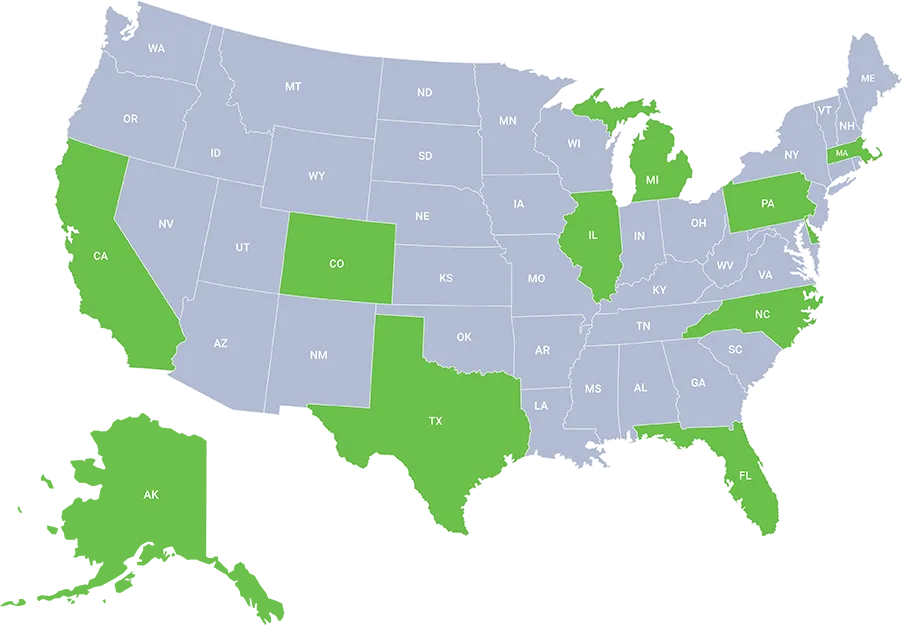
If you or someone you love is ready to take the next step, Banyan Treatment Centers offers comprehensive behavioral health and addiction treatment programs designed to meet people where they are. Accredited by The Joint Commission, the gold standard in healthcare accreditation, Banyan has been independently verified to meet rigorous standards for quality, safety, and clinical care. With multiple locations across the country, a full continuum of care, from medical detox and residential treatment to PHP, IOP, and outpatient services, and specialized programming for co-occurring mental health conditions, Banyan provides the kind of individualized, evidence-based care that lasting recovery is built on. Their admissions team is available 24/7 to answer questions, verify insurance benefits at no cost, and help determine which level of care is the right fit. You don't have to figure this out alone, reaching out is free, confidential, and the first step toward something better. Call today or get a free insurance verification.
Recovery is possible. The hardest part is often making that first move, and you've already started by being here.
This article is for informational purposes only and does not constitute medical advice. If you or someone you know is in crisis, please call 988 or go to your nearest emergency room.
Wherever you are, we have you.
Not sure what level of care fits your needs? Our admissions team can help you understand your options confidentially.
Medical Disclaimer
Banyan Treatment Centers aims to improve the quality of life for people struggling with substance use or mental health disorders with fact-based content about the nature of behavioral health conditions, treatment options and their related outcomes. We publish material that is researched, cited, edited and reviewed by licensed medical professionals. The information we provide is not intended to be a substitute for professional medical advice, diagnosis or treatment. It should not be used in place of the advice of your physician or other qualified healthcare providers.