

Medicaid Rehab Coverage for Drug & Alcohol Addiction
Medicaid drug treatment coverage exists, and it covers mental health services, too, but the amount and type of coverage available to you depends on where you live and what managed care plan you have.
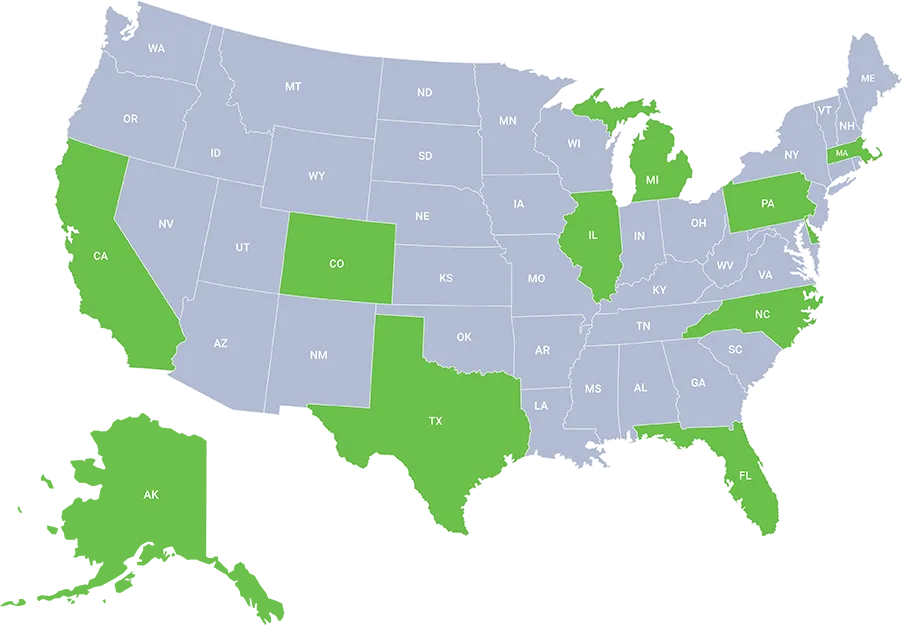
That's why you should call to verify your specific insurance benefits. Banyan Treatment Centers is Medicaid-friendly and accepts insurance at 5 locations. Call our team to find out exactly what your plan covers at one of our centers.
What Medicaid Healthcare members should know
- Verify Coverage Quickly
- No Obligation
- Confidential
Does Medicaid Cover Drug and Alcohol Rehab?
Yes. However, exactly what's covered will vary by state. At the federal level, the Mental Health Parity and Addiction Equity Act (MHPAEA) mandates that Medicaid managed care plans must ensure that the services they cover regarding behavioral health are comparable in scope and coverage level to what they cover in regard to other physical health services. In addition, substance use disorder treatment is included as an essential health benefit in the Affordable Care Act, which means it's covered in Medicaid expansion states.
Most Medicaid members, about 68%, get their coverage through managed care plans called Medicaid managed care organizations (MCOs). These are the plans that set up networks of doctors, decide on what services to cover, and authorize treatment. Some states carve their behavioral health services out to a separate organization. That's why it's really helpful to know exactly what plan and service levels you have.

What Types of Treatment Does Medicaid Cover?
The following is a list of treatment services that you may be able to access with Medicaid behavioral health coverage, though this list isn't guaranteed as availability varies by state:
Medical Detox
Medically supervised withdrawal management is available with Medicaid in most states.
Residential / Inpatient Treatment
Structured 24-hour treatment for drug or alcohol abuse. Some states will cover residential treatment with Section 1115 waivers.
Partial Hospitalization (PHP)
Day treatment is available with Medicaid in some states, depending on your waiver and plan design.
Intensive Outpatient Programs (IOP)
Several times a week of structured behavioral health therapy is covered.
Outpatient Therapy
Individual and group therapy is covered.
Medication-Assisted Treatment (MAT)
MAT is highly encouraged with Medicaid nationwide. These services usually include FDA-approved medications along with therapy and counseling.
Telehealth Intensive Outpatient Programs (IOP)
Banyan's telehealth programs extend access to Medicaid members across multiple states, including virtual IOP for substance use, mental health, dual diagnosis, and medication management.
Mental Health Treatment
This includes therapy, psychiatric services, and dual-diagnosis treatment for people with co-occurring mental health and addiction disorders.

Does Medicaid Healthcare Cover Mental Health Treatment?
Yes. Medicaid must include behavioral health services by federal law, and this includes mental health treatment such as therapy, psychiatric care, and dual-diagnosis treatment in many state Medicaid programs. MHPAEA also applies to Medicaid managed care plans. Several states have expanded the scope of services they cover for substance use disorder (SUD) and mental health over the past couple of years. Some of the states with the most extensive coverage include Connecticut, Delaware, and Vermont.
Inpatient Mental Health Coverage
Banyan's Palm Beach location provides both residential and outpatient mental health care to members with Medicaid coverage. Please get in touch with our admissions staff to find out if your specific state Medicaid insurance plan includes coverage for inpatient mental health treatment at our centers.
How Much Does Rehab Cost With Medicaid?
With a few exceptions, your state Medicaid plan is likely to pay for your addiction rehab. In most cases, you pay nothing or very little to use your state's Medicaid plan for addiction treatment, but your plan's out-of-pocket cost-sharing rules will vary by state, the enrollment category you belong to, and the treatments and services that you receive.
Factors That Affect Your Out-of-Pocket Cost
- Cost-sharing rules in your state for Medicaid patients
- The type of Medicaid enrollment you have (expansion, traditional, or CHIP)
- Whether your state's plan or your Medicaid managed care organization (MCO) requires prior authorization for treatment
- The kind of care you need to enter (detox, inpatient, outpatient)
- Network and coverage specifics for your state's Medicaid program and your managed care organization (MCO)
What You Can Do Right Now
There are many variations between state Medicaid plans, making it important that you verify the exact details of your plan. Call us today for a complimentary insurance check, and an admissions specialist will identify your state Medicaid plan and MCO along with the coverage you have available.
If You Call Medicaid / Your MCO Directly, Ask:
- Is medical detox covered?
- Are inpatient or residential programs covered under my plan?
- Are PHP or intensive outpatient programs covered?
- Do I need prior authorization?
- Is this facility in-network?
- What are my deductibles, copays, and coinsurance?
- Are there limits on the number of treatment days or sessions?
Or, We Can Verify for You (Recommended)
- We contact your insurance provider directly
- We review coverage details and medical necessity requirements
- We explain the benefits clearly and confidentially
How Medicaid Managed Care Affects Your Coverage
If you have Medicaid coverage, there's a very good chance that you're also covered under a managed care organization (MCO), which is the entity that handles your Medicaid benefits. Your MCO decides on the provider network that you must use, manages your prior authorization for treatment, and conducts a clinical review of any care you're receiving.
- Inpatient, residential, and intensive outpatient treatments usually require prior authorization.
- You likely won't be covered under your state's Medicaid plan; more than likely, you'll be covered under one of several MCOs that operate in your area.
- Expansion states usually have more extensive substance use disorder treatment coverage. The Medicaid behavioral health benefits offered by states such as Connecticut, Delaware, and Vermont are among the most expansive in the country.
- There are states where behavioral health services are "carved out," which means a separate organization manages your mental health and substance use disorder care, as opposed to your main managed care organization.
For those reasons, confirming your state Medicaid plan with a member of our admissions team will ensure the most accurate results.
How to Find Treatment That Accepts Medicaid
Our Palm Beach location offers the most comprehensive range of treatment for Medicaid patients. Inpatient and outpatient programming is available for both substance use and mental health at our Palm Beaches center. Residential care for drug or alcohol addiction is available at centers in Colorado, Delaware, and Texas, while many of our members can also access telehealth services from a number of other states. Your state Medicaid plan and your MCO (managed care organization) determine the in-network locations and treatment options.
Getting Matched to the Right Level of Care
A clinical assessment is the standard to identify the most appropriate rehab program according to the severity of your addiction, your mental health needs, and your Medicaid benefits.

Next Steps: Verify your Medicaid coverage or speak with an admissions specialist today.
Frequently Asked Questions
Coverage varies by Medicaid plan and state. Insurance verification is required to confirm eligibility and benefits.
Verify Your Medicaid Healthcare Coverage for Treatment
Banyan Treatment Center can help verify your Medicaid coverage and determine eligibility for telehealth services.
Banyan Facilities for Drug, Alcohol, & Mental Health Treatment

Banyan Castle Rock
Located in Castle Rock, CO
Substance Use Inpatient
Mental Health Inpatient
Telehealth Virtual IOP

Banyan Heartland Mental Health & Drug Rehab in Illinois
Located in Gilman, IL
Substance Use Inpatient
Mental Health Inpatient
Substance Use Outpatient
Telehealth Virtual IOP

Banyan Palm Springs
Located in Cathedral City, CA
Substance Use Inpatient
Telehealth Virtual IOP
Getting Into Treatment Is Easy. Here's How to Get Started!

Call Us Anytime
Speak with our compassionate admissions specialists to discuss your situation and explore treatment options.

Initial Assessment
We conduct a thorough evaluation to determine the best level of care tailored to your needs.

Financial Guidance
Our team will verify your insurance coverage and provide transparent cost information.

Begin Your Recovery
Once everything is set, you’ll be welcomed into our program and start your journey toward healing.