


June is Men's Mental Health Month, a time to talk openly about something that still doesn’t get talked about enough.
Why Men’s Mental Health Deserves Its Own Conversation
Mental health affects everyone. But the way it shows up, and the way it gets ignored, often looks different for men.
In the United States, men die by suicide at nearly four times the rate of women, yet they remain far less likely to seek mental health treatment, less likely to talk about emotional struggles, and more likely to wait until a crisis before reaching out for help. ¹
This isn’t because men are stronger. It’s because for generations, many men have been taught that struggling is weakness, that asking for help is failure, and that “real men” handle things on their own.
Men’s Mental Health Month exists to challenge all of that, and to make space for a different conversation.
Men’s Mental Health by the Numbers
The data makes one thing clear: this is not a small problem.
- 1 in 10 men experience depression or anxiety, but fewer than half ever seek treatment. ²
- Suicide is the leading cause of death for men under 45 in the United States. ¹
- Men account for nearly 80% of all suicide deaths in the US. ¹
- More than 6 million men in the US experience depression each year, yet the condition is far less likely to be diagnosed in men than in women. ³
- Men with depression are more likely to turn to alcohol or drugs as a coping mechanism, which compounds and masks the underlying condition. ⁵
These numbers aren’t meant to be alarming, they’re meant to be honest. Because the gap between how many men are struggling and how many are getting help is where lives are lost.
Breaking the Stigma: Why Men Don’t Ask for Help (and Why That Has to Change)
The “tough it out” message starts early
From childhood, many boys receive subtle (and not so subtle) messages: Don’t cry. Man up. Be strong. These messages don’t disappear in adulthood, they become internal voices that make it harder to admit when something is wrong.
Stigma looks like silence
Many men describe mental health struggles not as sadness or anxiety, but as a general numbness, irritability, or a sense that something is “off.” They don’t recognize it as depression or anxiety because it doesn’t match the cultural image of those conditions. And so they say nothing.
The cost of staying silent
Untreated mental health conditions don’t just go away. They grow. They affect relationships, work, physical health, and quality of life. The data is clear: when men get support, outcomes improve dramatically. Therapy works. Medication works. Talking to someone you trust works.
Seeking help isn’t weakness, it’s one of the most effective things a person can do.
Questions about our Facilities or Programs?
Our admissions coordinators are available 24/7 to answer any questions you may have as you consider whether treatment at Banyan is right for you or your loved one.
Practical Ways Men Can Support Their Mental Health
You don’t have to be in crisis to benefit from taking care of your mental health. These aren’t just tips, they’re habits that genuinely make a difference.
Name what you’re feeling — even privately
Most men aren’t taught an emotional vocabulary. A good starting point: try to put a word to what you’re experiencing. Not “fine” or “stressed” something more specific. Overwhelmed. Isolated. Stuck. Burned out. Naming it is often the first step to understanding it.
Move your body consistently
Exercise is one of the most well-researched interventions for depression and anxiety. It doesn’t need to be intense, a 30-minute walk three times a week has measurable mental health benefits. Physical activity changes brain chemistry in ways that support mood and resilience.
Audit your sleep and alcohol use
Two of the biggest underacknowledged factors in men’s mental health: poor sleep and drinking as a coping mechanism. Both feel like they take the edge off in the short term and both significantly worsen anxiety, depression, and emotional regulation over time.
Invest in at least one honest relationship
Research consistently shows that social connection is one of the strongest protective factors for mental health. Men on average have fewer close friendships than women, and fewer spaces where they can be honest. One real relationship, where you can say how you’re actually doing, matters enormously.
Consider therapy before you’re in crisis
Therapy isn’t just for people who are falling apart. It’s a useful tool at any point, for processing stress, improving relationships, working through patterns, or just having space to think. Many men find that once they try it, they wish they’d started sooner.
Know what professional support looks like
Options include:
- Talk therapy (cognitive behavioral therapy, in particular, has strong evidence for depression and anxiety)
- Medication (antidepressants and anti-anxiety medications are safe and effective for many people, a GP or psychiatrist can help evaluate this)
- Online therapy platforms (BetterHelp, Talkspace, Banyan's Virtual IOP) for those who prefer remote sessions or have limited access
- Support groups, both in-person and online communities where men share experiences
Warning Signs to Watch For — In Yourself and Others
Mental health struggles in men often don’t look the way people expect. Depression, for example, frequently shows up as anger, withdrawal, or overworking rather than visible sadness.
Signs to watch for in yourself:
- Persistent irritability, anger, or frustration that seems out of proportion
- Loss of interest in things you used to enjoy
- Increasing use of alcohol or other substances
- Pulling away from friends, family, or social situations
- Difficulty sleeping too much or too little
- Trouble concentrating or making decisions
- Feeling like a burden to others
- Physical symptoms with no clear cause (headaches, digestive issues, fatigue)
- Thoughts of hopelessness or not wanting to be here
Signs to watch for in the men in your life:
- Becoming more withdrawn or less responsive
- Increased drinking or risky behavior
- Short fuse reacting intensely to small things
- Talking about feeling trapped, hopeless, or like “things would be better without me”
- Giving away possessions or saying goodbye in unusual ways
- Big changes in sleep, appetite, or energy
If someone expresses suicidal thoughts, take it seriously and respond directly. Ask them plainly: “Are you thinking about suicide?” Research shows that asking doesn’t plant the idea it often provides relief. Then encourage them to seek immediate help, and stay with them.
Getting into treatment is easy with our free insurance verification
"*" indicates required fields
How to Support the Men in Your Life
You don’t have to be a therapist to make a difference. Here’s what actually helps:
Ask specific questions. “How are you doing?” gets a reflexive “fine.” “How have you been sleeping lately?” or “Things at work seemed intense how are you holding up?” opens a real conversation.
Listen without trying to fix. Many men pull away from sharing emotions because they expect advice or judgment. The most powerful thing you can do is listen, reflect back, and resist the urge to immediately offer solutions.
Check in consistently. Not just when things seem obviously wrong. A regular, low-pressure check-in with the men you care about, a coffee, a walk, a call, does more than a single crisis intervention.
Model it yourself. Normalize talking about mental health by doing it. When you’re honest about your own stress, anxiety, or struggles, you give others permission to be honest too.
How Banyan Treatment Centers Can Help
At Banyan Treatment Centers, we understand that men face unique barriers when it comes to seeking mental health care, and we’ve built our programs with that in mind. Whether you’re navigating depression, anxiety, trauma, or substance use, our clinicians provide compassionate, evidence-based treatment tailored to where you are right now. You don’t have to be in crisis to reach out, and you don’t have to figure this out alone.
For men who are ready to take a step but aren’t able to commit to in-person care, we offer HisSpace, a men’s-only Intensive Outpatient Program (IOP) delivered entirely online. HisSpace meets multiple times a week virtually, giving you structured, consistent support in a space designed specifically for men. It’s a place to be honest, build real coping skills, and connect with others who get it, all without disrupting your work, family, or daily life. If you’ve been on the fence about getting help, this is a real, accessible starting point.
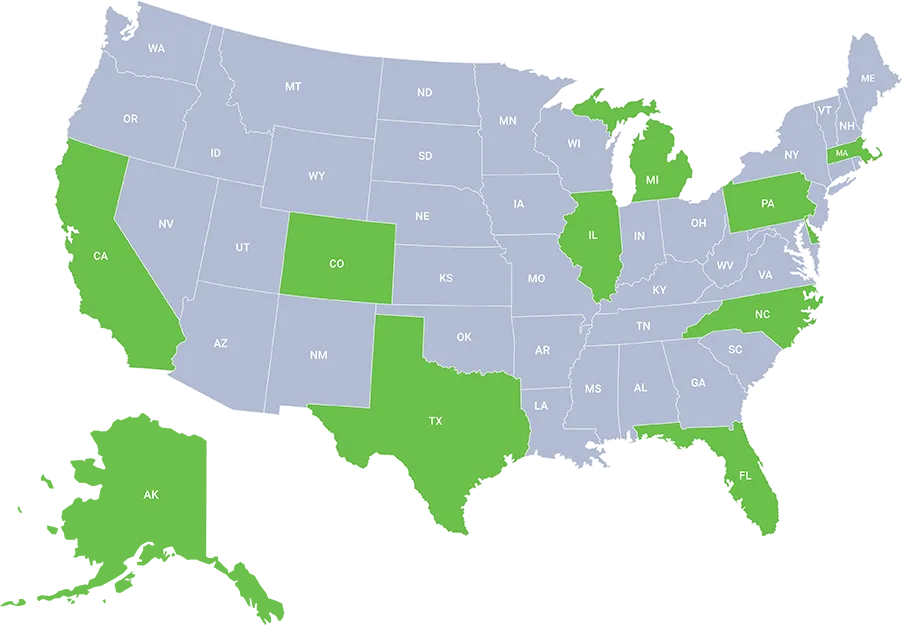
Learn more about our mental health programs around the nation.
Resources
If you or someone you know is struggling, support is available:
- 988 Suicide & Crisis Lifeline: Call or text 988 (US) — 24/7 support
- Crisis Text Line: Text HOME to 741741
- SAMHSA National Helpline: 1-800-662-4357 — free, confidential mental health and substance use treatment referrals
- Movember Foundation: Global men’s health organization with resources and community
- HeadsUpGuys: Practical resources specifically focused on men and depression
- Psychology Today Finder: Search for therapists by location, specialty, and insurance
The Bottom Line
Men’s Mental Health Month isn’t about pity or weakness, it’s about accuracy. The reality is that mental health struggles are common, treatable, and nothing to be ashamed of. The silence around men’s mental health costs lives, relationships, and years of unnecessary suffering.
If you’re struggling: reaching out is the bravest, most practical thing you can do.
If you know someone who might be: check in. Ask directly. Keep showing up.
The conversation starts with one person deciding to be honest. Let this be the month that person is you.
Share this post if it resonated with you. The more we talk about men’s mental health openly, the easier it becomes for someone to ask for help.
Wherever you are, we have you.
Not sure what level of care fits your needs? Our admissions team can help you understand your options confidentially.
Medical Disclaimer
Banyan Treatment Centers aims to improve the quality of life for people struggling with substance use or mental health disorders with fact-based content about the nature of behavioral health conditions, treatment options and their related outcomes. We publish material that is researched, cited, edited and reviewed by licensed medical professionals. The information we provide is not intended to be a substitute for professional medical advice, diagnosis or treatment. It should not be used in place of the advice of your physician or other qualified healthcare providers.