
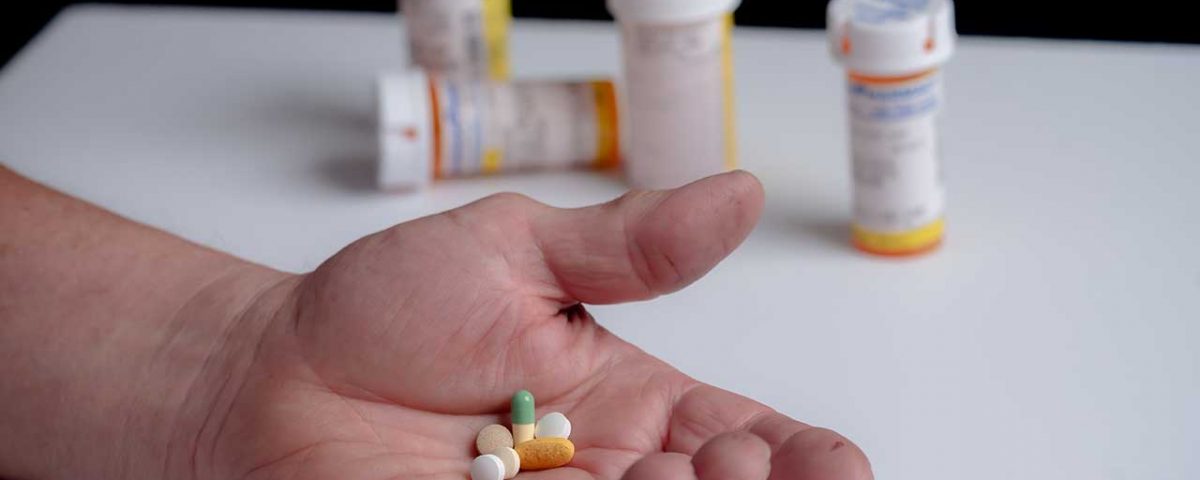
Percocet is the brand name for a combination of drugs called oxycodone hydrochloride and acetaminophen. Like other opioids, Percocet is prescribed to treat moderate to severe pain and should only be taken as prescribed. Oxycodone is a commonly prescribed opioid, while acetaminophen is a common over-the-counter medication that’s taken to alleviate minor pain like headaches. Acetaminophen is often combined with opioids to create a safer form of pain treatment. As safe as it is when taken as prescribed, can you overdose on Percocet? Why would this happen?
For those seeking help with opioid use disorder, our opioid recovery facility in Cathedral City, CA provides medically supervised detox tailored to each individual's needs.
Can You Overdose on Percocets?
Although it’s an effective pain medication, Percocet is an addictive drug because it contains the opioid oxycodone. Opioids bind to receptors in the body, which not only blocks pain signaling but also activates dopamine activity. Dopamine is a feel-good chemical associated with improved mood and the sensation of reward in the brain.
For this reason, Percocet’s effects on the brain lead to increased tolerance and physical dependence when abused for long periods. You can overdose on Percocet, and overdoses are common among people who abuse the drug for recreational purposes. An overdose occurs when a person takes a dosage of the drug that’s too high for the body to process, resulting in intoxication.
Various factors can increase the risk of overdosing on Percocet, including:
- Using Percocet in a way it’s not intended for, such as crushing and snorting pills
- Combining Percocet with other substances like alcohol or benzodiazepines
- Combining Percocet with drugs that contain acetaminophen
- Underlying medical conditions like liver disease or respiratory problems
- Having a Percocet dependence or addiction
The rate of opioid overdoses has steadily increased since the 1990s, when these drugs were being prescribed at high rates, which gave way to a drug crisis known as the opioid epidemic. This epidemic is still a problem today, and opioids like Percocet continue to be abused and cause overdoses.
For individuals in the Milford area seeking support, our opioid treatment center in Milford, DE offers medication-assisted treatment for opioid dependence, including residential treatment designed to address opioid misuse.
Getting into treatment is easy with our free insurance verification
"*" indicates required fields
Percocet Overdose Symptoms
Overdosing on Percocet can be fatal. However, if it’s recognized and treated quickly, a person can survive a Percocet overdose. With that said, it’s important to be familiar with the signs of a Percocet overdose, especially if you or a loved one takes the medication regularly.
While overdoses are common among people who use drugs recreationally, they may also occur accidentally in people when they take higher doses without realizing it or intentionally as suicide attempts. Regardless of the situation, it’s important to be vigilant.
Common Percocet overdose side effects include:
- Nausea
- Vomiting
- Severe drowsiness
- Unconsciousness
- Bluish nails and lips
- Shallow, weak, or stopped breathing (respiratory depression)
- Dangerously low blood pressure
- Slow heart rate
- Coma
- Non-responsiveness
- Seizures
Percocet contains the opioid oxycodone, an overdose can shut down various important functions, such as heart rate and breathing. Respiratory depression is the deadliest symptom of a Percocet overdose. Additionally, organ damage and severe liver failure can also occur during overdose due to the acetaminophen in Percocet.
If you suspect that someone is showing Percocet overdose signs, call 9-1-1 immediately or find medical support.
How Much Percocet to Overdose?
Percocet usually contains more acetaminophen than oxycodone, which is why liver problems are so common for Percocet users and abusers. Doses of Percocet range from 2.5 mg of oxycodone hydrochloride and 325 mg of acetaminophen to 10 mg of oxycodone hydrochloride to 650 mg of acetaminophen. The adult dosage of Percocet is one or two tablets every 6 hours.
The maximum dose of Percocet depends on how much oxycodone and acetaminophen are in the doses. Maximum daily doses are as follows:
- 5 mg of oxycodone and 325 mg of acetaminophen at 12 tablets daily
- 5 mg of oxycodone and 325 mg of acetaminophen at 12 tablets daily
- 5 mg of oxycodone and 325 mg of acetaminophen at 8 tablets daily
- 10 mg of oxycodone and 325 mg of acetaminophen at 6 tablets daily
Taking anything higher than these doses can lead to overdose.
Need Percocet Addiction Treatment?
Any prescription drugs that belong to the opioid drug class or contain opioids like oxycodone have the potential for abuse and addiction. Long-term Percocet abuse not only increases one’s risk of developing a substance use disorder but as the person increases their doses of the drug, their chances of overdose also rise.
Our Heartland rehab facility helps people recover from addiction with services like medically monitored detox and psychotherapy programs to address both the physical and psychological challenges of recovery. While detox focuses on safely mitigating withdrawal symptoms, our therapy programs connect with counselors that can help them heal emotionally and mentally from substance abuse.
If you're ready to address opioid dependence, contact our drug rehab in Stuart, FL to explore medically supervised detox and begin the path toward healing.
To learn more about our Heartland detox programs and addiction services, contact Banyan Treatment Centers today at 888-280-4763.
Related Reading:
Sources
- FDA/DailyMed. (n.d.). PERCOCET® (Oxycodone and Acetaminophen Tablets, USP) CII.
- U.S. Food and Drug Administration. (2006). oxygodone and acetaminophen tablets, usp.
- StatPearls - NCBI Bookshelf. (n.d.). Physiology, Opioid Receptor - StatPearls - NCBI Bookshelf.
- National Institute on Drug Abuse (NIDA). (n.d.). Prescription Opioids DrugFacts | National Institute on Drug Abuse.
- National Institute on Drug Abuse (NIDA). (n.d.). Benzodiazepines and Opioids | National Institute on Drug Abuse.
- Centers for Disease Control and Prevention. (n.d.). Understanding the Opioid Overdose Epidemic - CDC.
- MedlinePlus (U.S. National Library of Medicine). (n.d.). Hydrocodone/oxycodone overdose.
- Substance Abuse and Mental Health Services Administration. (2024). Opioid Overdose: Causes, Symptoms, and Treatment.
- National Center for Biotechnology Information (NCBI), National Institutes of Health (NIH). (n.d.). Acetaminophen - LiverTox - NCBI Bookshelf - NIH.
- National Library of Medicine (NLM) - DailyMed. (n.d.). Label: Percocet- oxycodone hydrochloride and acetaminophen tablet.
- FDA. (2018). PERCOCET® (oxycodone and acetaminophen tablets, USP).
- Journal of Analytical Toxicology. (2014). Pharmacokinetics of intranasal Crushed OxyContin and Intravenous Oxycodone: Implications for Abuse Deterrence. DOI: 10.1093/jat/bku006
Wherever you are, we have you.
Not sure what level of care fits your needs? Our admissions team can help you understand your options confidentially.
Medical Disclaimer
Banyan Treatment Centers aims to improve the quality of life for people struggling with substance use or mental health disorders with fact-based content about the nature of behavioral health conditions, treatment options and their related outcomes. We publish material that is researched, cited, edited and reviewed by licensed medical professionals. The information we provide is not intended to be a substitute for professional medical advice, diagnosis or treatment. It should not be used in place of the advice of your physician or other qualified healthcare providers.