
Written by: Banyan Editorial Staff | Medically reviewed by: Chief Medical Officer - Dr. Darrin Mangiacarne | Edited February 2026
Process addiction, alternatively known as behavioral addiction, contains compulsive behavioral habits which have negative consequences severe enough to bring serious problems disrupting mental health, relationships and normal functioning. Despite this, the compulsive behavior is ongoing, and like drug addiction or alcohol abuse, no drugs have been consumed, yet the effects can be quite as extreme.
Process addiction treatment is provided by Banyan Treatment Centers. YourSpace is a special Intensive Outpatient Program delivered through Telehealth. It provides treatment to people who have a primary behavior struggle together with a qualifying mental health disorder and/or substance abuse disorder. In this program, it is understood that behavior can and should be changed along with the underlying emotional and psychological underpinnings to support it.
What Is Process (Behavioral) Addiction?
Process addiction is defined as repeated involvement with specific behaviors despite detrimental consequences. The behavior eventually tends to become uncontrollable over a period of time. Individuals might experience formidable desires, use the behavior to escape from stress, or even press on with it despite the damage it causes to their job, finances, or relationships.
Types of Behavioral Addictions
Examples of process addictions include:
- Gambling addiction or gambling disorder
- Internet addiction and internet addiction disorder
- Video game addiction
- Shopping addiction or compulsive spending
- Compulsive sexual behavior, sometimes referred to as sex addiction
- Compulsive eating or food addiction
- Exercise addiction or sports addiction
Gambling disorder is formally acknowledged as being part of the Diagnostic and Statistical Manual of Mental Disorders. Further studies are being done to find out about other behavioral addictions and how they can be included in the current system of diagnosis. Various bodies, including the American Psychiatric Association and the World Health Organization, have made it clear that the need to understand other addictive behaviors that do not include psychoactive substances is rising.
Who Process Addiction Treatment Is For
Online process addiction treatment at Banyan may be appropriate for those who:
- Feel unable to control certain behaviors
- Experience repeated negative consequences related to those behaviors
- Notice that the behavior affects their mental health, physical health, or relationships
- Have co-occurring mental health concerns or substance abuse
Participation in YourSpace entails a need for mental health and substance use disorders that are appropriate for virtual Intensive Outpatient care. This may include depression, anxiety, trauma, substance abuse disorder, substance dependence, drug addiction, alcohol abuse, among many other issues. A thorough assessment is carried out by mental health professionals.
There are many people who deal with behavioral addictions and other types of addictive tendencies. In fact, it is not unusual to see cross-addictions or changes between substance addictions and process addictions.[5]
Questions about our Facilities or Programs?
Our admissions coordinators are available 24/7 to answer any questions you may have as you consider whether treatment at Banyan is right for you or your loved one.
Medically Reviewed by:

Dr. Darrin Mangiacarne
Chief Medical Officer
At Banyan Treatment Centers, Chief Medical Officer Dr. Darrin Mangiacarne leads our nationwide clinical team with over a decade of addiction medicine experience, helping ensure evidence-based, compassionate care across every level of treatment.
Author / Written by: Banyan Editorial Staff
Medically reviewed by: Dr. Darrin Mangiacarne, CMO
Updated on: April 2026
YourSpace Curriculum Focus Areas
YourSpace follows a qualified, specific, and evidence-based approach to treat behavioral addiction online, utilizing the concept of Telehealth. It seeks to treat the compulsive behavior as well as the emotional undercurrents behind it.
Behavioral Awareness & Pattern Identification
A client seeks to understand how particular behaviors developed. Additionally, a client seeks to understand how behaviors became repetitive. A client seeks to understand their early warning signs as well as high-risk situations.
Triggers, Urges, and Reinforcement Cycles
Addictive behaviors display a recognizable pattern. The client is able to identify what circumstances, internal states, or environmental factors bring about the urge. Interrupting the pattern of positive reinforcement is a major objective.
Emotional Regulation & Distress Tolerance
Compulsive behaviors often function as coping strategies. Individuals work on learning how to handle overwhelming emotions without the need for maladaptive behaviors. As they do so, the psychological dependence upon the behavior lessens.
Habit Change & Relapse Prevention
Significant change involves steady work. Clients work out realistic plans to substitute compulsive behaviors with better coping methods. Preventing a relapse is seen as a continuous procedure rather than a distinct event.
Accountability & Values-Based Recovery
In recovery, the individual is not just stopping that action. The individual thinks about their long-term goals. What is important to the individual can motivate their recovery.
The model used in the treatment is based on the cognitive behavioral model and includes elements of CBT, skills learned through DBT, relapse prevention, and trauma-informed care.
Co-Occurring Mental Health and Substance Use Disorders
Process addiction may occur with other mental health disorders and/or substance use disorders, for example:
- Substance abuse disorders
- Substance dependence
- Drug and alcohol abuse
- Obsessive-compulsive disorder
- Other mental health conditions
When the mental health issue remains untreated, the addictive behavior is likely to persist or resume. Therefore, at YourSpace, there is comprehensive treatment of both process addiction and any other concurrent illness, ensuring that emotional or psychological problems do not go untreated.
Family members may also be affected by compulsive behavior. These measures may be part of the treatment process.
Behavioral (process) addictions—compulsive, reward-seeking actions like gambling or internet use—are highly prevalent, with some estimates suggesting up to 46% of individuals struggle with at least one, often co-occurring with mental health issues or substance use.
Who This Program Is Not Appropriate For
YourSpace is not appropriate for those with:
- Predatory sexual behaviors
- Predatory financial behaviors
- Active paraphilic disorders requiring specialized treatment
- Severe cognitive impairment preventing meaningful group participation
- Clinical needs that require a higher level of care
Individuals who need detoxification or other more intensive addiction medicine services may need to be stabilized before entering an outpatient program.
Who Is Eligible for YourSpace
Admission into YourSpace is based upon the outcome of a thorough clinical assessment provided by one of Banyan's licensed treatment professionals to ensure that the individual meets criteria for online Telehealth Intensive Outpatient level of care and is clinically appropriate for the Process Addiction track.
To be eligible for YourSpace, individuals must:
- Meet diagnostic criteria for a co-occurring mental health disorder and/or substance abuse disorder appropriate for IOP treatment.
- Demonstrate patterns of compulsive or repetitive behavior that are causing distress or impairment
- Capability of actively participating in structured group therapy sessions via Telehealth technology
- Not require detoxification or a higher level of care at the time of admission
Our clinical team reviews all referrals for fit, medical necessity, and overall treatment needs. If YourSpace is not the appropriate level of care, alternative treatment recommendations will be provided to support the individual in their recovery.
Insurance Coverage, Payment Options & Telehealth Eligibility
Banyan Treatment Centers works with most major insurance providers to help make care more accessible. Insurance coverage may be available for process (behavioral) addiction treatment when it is addressed as a co-occurring condition alongside a qualifying mental health disorder and/or substance use disorder within our Intensive Outpatient Program (IOP).
Because process addictions often intersect with emotional, psychological, or substance-related concerns, treatment through YourSpace is clinically designed to address the full scope of an individual’s needs. Coverage eligibility is determined through a clinical assessment and insurance verification process.
Telehealth IOP Eligibility:
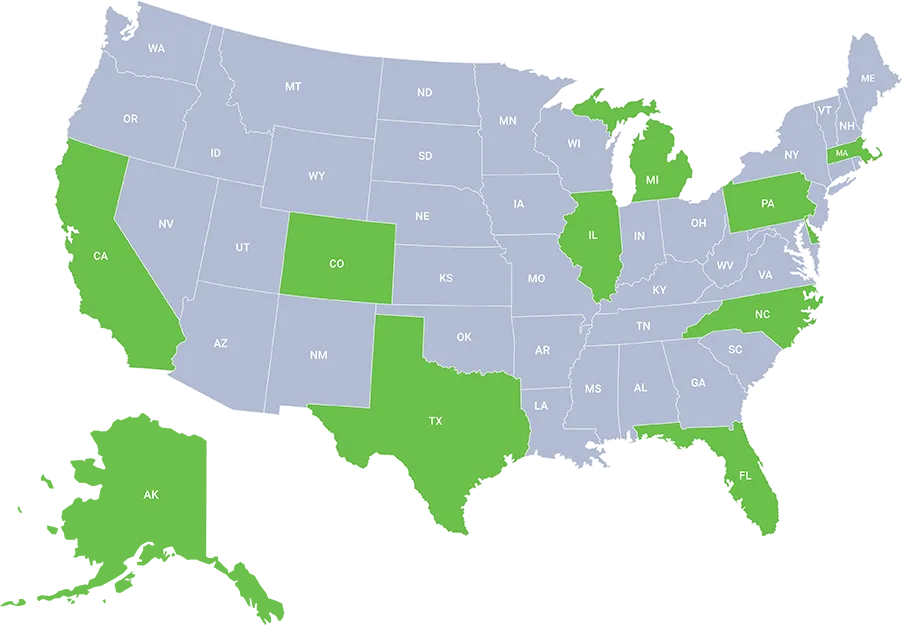
YourSpace is delivered through Telehealth and is available only to individuals who reside in one of Banyan’s currently approved providing states at the time of treatment. Eligibility for Telehealth services is based on state licensure requirements and clinical appropriateness, which are confirmed during the admissions process.
Our admissions specialists are here to support you every step of the way by:
- Verifying insurance benefits
- Confirming state eligibility for Telehealth IOP
- Completing a brief clinical assessment to ensure the right level of care
- Reviewing coverage and any potential financial responsibility
- Discussing private pay options, when applicable
- Guiding you through the next steps of the admissions process
If you have questions about insurance, telehealth eligibility, or payment options, we’re here to help. Contact Banyan to connect with an admissions professional and learn more about starting care through YourSpace.
Start Process Addiction Treatment with Banyan
Compulsive addictions, if they affect you, should be treated by a professional. Banyan Treatment Centers offer comprehensive addiction treatment services for process addictions and
Frequently Asked Questions
Our Specialized Addiction Virtual Treatment
Our Specialized Mental Health Virtual Treatment

Getting Into Treatment Is Easy. Here's How to Get Started!

Call Us Anytime
Speak with our compassionate admissions specialists to discuss your situation and explore treatment options.

Initial Assessment
We conduct a thorough evaluation to determine the best level of care tailored to your needs.

Financial Guidance
Our team will verify your insurance coverage and provide transparent cost information.

Begin Your Recovery
Once everything is set, you’ll be welcomed into our program and start your journey toward healing.