


Ready to take the next step? Verify your insurance.
"*" indicates required fields
Completion Rate
Written by: Banyan Editorial Staff | Medically reviewed by: Dr. Darrin Mangiacarne - Chief Medical Officer | Edited: March 2026
Quick summary
- Individuals with co-occurring disorders experience gambling disorder alongside a mental health disorder, such as depression or anxiety or with a substance use disorder.
- Gambling disorder and depression, anxiety or substance use disorder is relatively common, as the conditions have overlapping risk factors and causes.
- Trauma is a common link between gambling and other mental health disorders.
- Integrated treatment for gambling disorders and co-occurring disorders often leads to improved outcomes and greater quality of life for patients.
- Treatment can take the form of evidence-based therapies, such as cognitive behavioral therapy and motivational interviewing, medications and peer-support programs.
- Gambling disorder can increase the risk of suicide. Individuals experiencing suicide ideation or behaviors should seek immediate help.
If you or someone you know is in immediate danger and need emotional support, call 988, The Suicide and Crisis Lifeline, in the US.
An overview of gambling disorders
Since 1980, the Diagnostic and Statistical Manual of Mental Disorders (DSM) has recognized problem gambling as a psychiatric disorder. Initially known as "pathological gambling," the terminology changed to "gambling disorder" with the publication of the fifth edition of the DSM (DSM-5), to remove stigma.
Since its initial inclusion in the DSM, understanding of behaviors such as problem gambling, and the increasing recognition that certain nonsubstance behaviors can have similar characteristics to drug dependence, has led the DSM oversight committee to reclassify gambling disorder, placing it under the "Substance-Related and Addictive Disorders" category in the DSM-5. So far, gambling disorder is the only behavioral addiction to have sufficient evidence to allow for its inclusion in this category.
Although gambling disorder now shares the same category as substance use disorders, and has overlapping clinical expression, comorbidity, treatments and other traits, there are also distinct differences between gambling disorder and substance dependence.
Clinical definition and core features
The DSM-5 defines gambling disorder as "a persistent and recurrent gambling behaviour that leads to significant clinical distress." Similarly to substance-related disorders, gambling disorder often develops when a person is in their teens or early adulthood and typically follows a chronic and relapsing pattern. Some people are able to recover from problem gambling on their own while others need treatment and support.
What sets gambling disorders apart from non-problem gambling is the introduction of harm. A person who occasionally places a bet on a sporting event or visits a casino to play cards or the slot machines is not participating in problem gambling.
However, if that person should continue to place bets on sports matches or bet at the casino, even if they are struggling to pay off their gambling debts or lying to their loved ones about the extent of their gambling, then signs of gambling disorder are beginning to appear.
When someone is living with gambling disorder, thoughts of betting and gambling often take over their life. Similar to a substance use disorder, they may find that they need to gamble more and more to experience the same thrill. They may try to cut back on their own but find that they are unable to stop gambling.
To be diagnosed with gambling disorder, over a 12-month period, a person needs to meet at least four of the nine diagnostic criteria defined by the DSM-5:
- Needing to gambling more, and increasing amounts of money to achieve the desired level of excitement
- Feels restless or irritable when they try to stop or cut back on gambling
- Has tried to cut back, stop or control their gambling without success
- Thinks about gambling persistently, including planning their next gambling venture or coming up with ways to get more money to gamble with
- Gambles when feeling strong emotions, such as guilt, depression or anxiety
- Tries to get back the money they lost by gambling more
- Lies about how much they are gambling
- Has had a relationship, job, educational or career opportunity disrupted because of gambling
- Turns to others for financial help due to money problems associated with gambling
Why gambling can become compulsive
When a person gambles, the brain releases dopamine, the neurotransmitter associated with feelings of pleasure. The rush of dopamine can make a person feel excited and happy.
Dopamine isn't only connected to pleasure. It also plays a role in reinforcement, encouraging a person to continue the behavior that caused the initial dopamine rush.
Questions about our Facilities or Programs?
Our admissions coordinators are available 24/7 to answer any questions you may have as you consider whether treatment at Banyan is right for you or your loved one.
Why co-occurring disorders are so common
Many studies show a high rate of comorbidity between gambling disorder and mood disorders, such as depression, substance use disorders and anxiety disorders. The National Comorbidity Survey Replication study found that people with gambling disorder had 3.7 times the risk for depression and other mood disorders and 3.1 times the risk for anxiety disorders compared to people without gambling disorder, for instance.
There are multiple reasons for the connection between gambling disorder and co-occurring disorders.
The bidirectional model
Comorbidity goes both ways, meaning there is a bidirectional relationship between gambling disorder and other disorders. For some people, the problems with gambling precede mood, substance use or anxiety disorders. For others, a substance use, mood or anxiety disorder develops before the gambling disorder.
The stress and shame associated with problem gambling can lead a person to become anxious or to experience symptoms of depression. They may begin to use substances, such as alcohol or other drugs, to cope with the negative feelings.
In the other direction, a person living with anxiety disorder may develop a problematic relationship with gambling to ease feelings of stress. A person with substance use disorder may struggle with impulse control, leading them to gamble.
The result is often a circular pattern, where a person seeks out gambling to ease the symptoms of another disorder, only to have the gambling make those symptoms worse.
The pathways model of problem gambling divides those with gambling disorder into three subgroups, based on the factors that likely contributed to the development of the disorder.
While those who fall under Pathway 1 do not have any comorbidity, those in Pathways 2 and 3 do. In the Pathway 2 subgroup, individuals gamble as a way of escaping difficult moods or as a response to trauma. In the Pathway 3 subgroup, individuals experience heightened impulsivity, leading them to gamble. Those in the Pathway 3 subgroup are also likely to have substance use disorder.
Shared vulnerability factors
Gambling disorder shares a number of risk factors with mood, anxiety and substance use disorders. For example, each type of mental health condition has a genetic component, with people being at greater risk of developing one if they have a family history of the disorder.
Similarly, a person's environment also contributes to the likelihood of developing gambling disorder, depression or another co-occurring disorder. Poverty or economic disadvantage increases the risk of developing gambling disorder, as well as the risk for developing depression, anxiety or substance use disorder.
In some cases, a person's personality can increase their risk of developing gambling disorder and/or a co-occurring disorder. Those with impulse control difficulties may have problems with gambling and substance use. A person who has difficulty managing their stress levels may struggle with gambling or substance use as well as experiencing symptoms of depression or anxiety.
Trauma can also increase a person's risk of developing gambling disorder as well as a co-occurring mood, anxiety or substance use disorder. One study of individuals with gambling problems and depression found a high rate of childhood trauma, for instance. Additional studies have suggested that childhood trauma is a predictor of future gambling disorder. Post-traumatic stress disorder (PTSD) is another factor that contributes to an increased risk of developing gambling disorder alongside mood, anxiety or substance use disorders.
Depression and gambling
Gambling disorder is common in people with major depression disorder. Due to the bidirectional relationship between the two disorders, a person may gamble as a result of their depression or their gambling problem may contribute to depression.
How depression can contribute to gambling risk
Depression is a mood disorder that affects about 4 percent of the world's population, according to the World Health Organization. Commons signs and symptoms of depression include:
- Intense feelings of hopelessness, sadness or emptiness
- Frustration and anger
- Anhedonia, or a reduced ability to experience pleasure
- Difficulty making decisions, concentrating or remembering
A variety of factors can contribute to or increase a person's risk of developing depression. For example, the mood disorder often runs in the families, so a person has a higher chance of developing it if they have family members who also have depression. Events, such as becoming pregnant or giving birth, that cause hormonal changes can also trigger depression.
Negative life events, such as losing a job or a loved one, may also lead to depression in some individuals. The symptoms and impact of depression can then make these negative experiences worse. Someone who develops depression after job loss may lack the energy or interest required to seek out new employment.
When someone is experiencing depression, they may begin to gamble as a way to escape the negative feelings. Gambling usually gives people a thrill or feelings of excitement, due to the rush of dopamine that is released. It can be a way of self-medicating.
Unfortunately, if a person continues to gamble as a coping mechanism, they run the risk of developing problems with gambling. Financial struggles, feeling the need to hide their gambling habits or chasing losses by gambling more can then make a person's depressive symptoms worse.
How gambling can worsen depression
In some cases, a problem with gambling comes before a person develops depression or makes depression worse. Some of the consequences of gambling disorder can also be triggers for depression, such as:
- Financial difficulties
- Strained or lost relationships
- Chronic stress
- Isolation
- Feelings of shame or guilt
- Physical health problems including cardiovascular or respiratory disease
Clinical red flags
Both depression and gambling disorder can have a major impact on a person's quality of life, leading to sleep deprivation, problems with food, impaired functioning and thoughts of self-harm.
The inability to sleep is a common symptom of depression. At the same time, sleep deprivation is a common consequence of problem gambling, as many gambling locales, such as casinos, are open 24 hours a day and designed to conceal the passage of time. A lack of sleep can lead to more impulsive actions, contributing to both worsening gambling problems and worsening depression. Sleep deprivation can also contribute to thoughts of self-harm and can lead to impaired overall functioning.
Anxiety disorders and gambling
Just as there is a connection between depression and gambling disorder, there is a connection between problem gambling and anxiety disorders. When a person has an anxiety disorder, they experience feelings of dread or fear in certain situations. Examples of types of anxiety disorder include panic disorder, social anxiety and specific phobias. The most common type is generalized anxiety disorder, which affects 3.1% of the population in the US.
The anxiety to gambling pathway
Anxiety disorders and gambling disorders share a bidirectional relationship, with some individuals developing problems with gambling as a result of their particular anxiety disorder.
Gambling can relieve feelings of anxiety, reinforcing a person's thinking that they need to gamble to feel better. It can also offer an outlet that helps an individual feel as if they are effectively coping with their anxiety.
Unfortunately, the relief a person gets from gambling tends to be short-lived. As a result, the individual may gamble more, opening the door to developing problems with gambling.
Another factor that may contribute to the development of gambling disorder in individuals with anxiety disorder is a reduced focus or lack of attention paid to gambling. Instead of carefully considering when and how much to bet, a person with anxiety may instead place frequent or too-high bets, exacerbating the complications from gambling, such as financial stress or losses.
The gambling to anxiety pathway
The development of gambling disorder can sometimes precede the development of an anxiety disorder. The consequences of problem gambling can include:
- High levels of debt and other financial stresses
- Relationship strain
- Inability to provide for basic needs, such as food or shelter
When experiencing the consequences of a gambling disorder, an individual may also feel high levels of anxiety. They may panic about how they will pay their bills, feed their family or keep their house. They may fear the reactions of their spouse or other loved ones and live in constant dread that someone will discover their gambling activity.
Getting into treatment is easy with our free insurance verification
"*" indicates required fields
Alcohol and gambling cross-addiction
Alcohol use disorder has much in common with gambling disorder. Individuals with alcohol use disorder (AUD) have difficulty controlling how much alcohol they consume or trouble stopping alcohol consumption, similar to how individuals with gambling disorder struggle to stop or control their gambling.
AUD can occur on a spectrum, ranging from mild to severe. Having a history of trauma, family members with AUD or certain mental health conditions, such as depression or anxiety, increases a person's risk of developing alcohol use disorder.
Signs of problems with alcohol can include negative consequences from the consumption of alcohol, such as relationship or job troubles, as well as becoming physically ill following a drinking session. Individuals with moderate or severe AUD may experience signs of withdrawal when they stop drinking.
While gambling disorder occurs in about 0.4 to 0.6 percent of the general population in the US, its prevalence among individuals with AUD or another substance use disorder is notably higher, 4.3 percent.
Why alcohol and gambling often cluster
Gambling disorder and alcohol addiction both fall under the same category in the DSM-5. While the two disorders are not identical, they share overlapping reward-learning mechanisms in the brain. Like gambling, alcohol consumption triggers the release of dopamine in the brain. It stimulates the reward centers of the brain while reducing the response of the brain areas connected to stress or negative emotions.
Similar to repeated gambling, repeated alcohol consumption shifts motivation for drinking. Where someone may have initially consumed alcohol for pleasure or enjoyment, they begin to drink to avoid feelings of discomfort or pain.
Drinking alcohol and gambling often go hand in hand because the environments they occur in go hand in hand. It's common for casinos to provide gamblers with free alcoholic drinks. The casinos do this knowing that alcohol lowers inhibitions, encouraging people to gamble more. As people drink more alcohol, their judgement becomes impaired, making them more likely to continue to gamble even as their losses pile up.
Once the association between drinking and being in a casino becomes established, a person is likely to continue to drink whenever they step foot into a casino or other betting establishment.
Mutual escalation
Gambling disorders and alcohol addiction often escalate at the same pace. As a person drinks more, they are more likely to place risky bets, increasing the likelihood of losing a significant amount of money.
Then, as they experience stress connected to financial difficulties or increasing gambling debts, they may drink more to numb the uncomfortable emotions.
Consequences
There is an overlap in consequences from gambling disorder and AUD. When paired together, the two disorders often have higher rates of severity and increased relapse risk. Combined, alcohol use disorder and problem gambling increase a person's chance of having:
- Legal difficulties
- Financial struggles
- Health problems
- Increased violence
There are also greater safety concerns, including suicide ideation and attempts. One study found that suicidal behavior was more common in people who had both gambling disorder and alcohol or substance use disorder.
Substance use more broadly and “gambling vs drugs”
Gambling, alcohol and other substances all trigger the release of dopamine in the brain, lighting up the reward pathways and with repeated exposure, ultimately changing the makeup of the brain.
While alcohol use disorder, substance use disorder and gambling disorder are now all under the same DSM-5 category, it's worth understanding the distinct differences and evaluating how addictive is gambling compared to drugs.
How addictive is gambling compared to drugs?
Gambling, alcohol and other drugs are all addictive, and have several other similarities. Ingestion of alcohol or other drugs and the action of gambling spur dopamine production and release, so that a person experiences an initial thrill or feeling of excitement.
Over time, the brain learns to expect the dopamine and begins to require more and more for an individual to feel the same level of excitement. Substance use disorder and gambling disorder also share other traits, such as being heritable, having similar biomarkers and leading to poor performance on certain neurocognitive tasks.
A notable difference between gambling disorder and substance use disorder is what happens when a person stops. Individuals seeking treatment for substance use disorder may need to undergo medically supervised detox first, which allows them to manage and cope with withdrawal symptoms such as nausea, diarrhea and feelings of anxiety.
Individuals with gambling disorder typically do report feeling symptoms when they cut back or stop gambling. However, these withdrawal symptoms are notably different from those associated with substance use disorder. They may include feeling angry or irritable, restlessness or depression.
Suicide risk and gambling
If you or someone you know is in immediate danger and need emotional support, call 988, The Suicide and Crisis Lifeline
Suicide, the act of self-inflicted harm with the result of ending a life, claims the life of more than one million people each year. Multiple factors can contribute to an individual's suicide risk, including mental health status, stress levels and economic situations. Mental health disorders, including mood disorders and substance or behavioral addictions, are significant predictors of suicide. Research suggests that gambling disorders exhibit the highest rates of suicide ideation.
One meta-analysis examining suicidal behaviors among individuals with gambling disorders found that:
- 31 percent experienced suicide ideation
- 17 percent had plans to die by suicide
- 16 percent attempted to die by suicide
Among those receiving treatment for gambling disorder, the rates were even higher, with more than 80 percent experiencing suicide ideation and more than 30 percent attempting to die by suicide.
Why risk rises
Several factors are connected to the increased risk of suicidal behaviors and ideation. Notably, financial debt was a key risk factor, as was borrowing money to pay off those debts. Other contributing factors included feelings of guilt and shame about financial struggles, relationship strain. Impulse control and comorbidities such as mood disorders or substance use disorder can also increase the risk of suicidal behavior.
When to seek urgent help
Help is available to individuals experiencing signs of suicide ideation or behavior. Urgent warning signs of suicidal behavior include:
- Talking about wanting to die
- Making a plan to die or researching ways to die
- Withdrawing from loved ones
- Feeling high levels of guilt or shame
- Feeling as if there is no point to living
- Giving away possessions or making a will
- Taking dangerous risks, such as driving fast
- Drastic changes in behavior, including eating less, using more drugs or changing sleeping patterns
In the US, dial 988 to get immediate help and support if you or a loved one exhibits any signs of suicidal behavior.
Trauma links (PTSD and adverse experiences)
The vast majority of people, 70 percent, will experience a potentially traumatic event at some point during their lifetimes. A small percentage of those individuals will develop post-traumatic stress disorder (PTSD) as a result of the trauma. Traumatic events such as sexual violence or war are more likely to result in PTSD.
Some individuals with PTSD will also develop gambling disorder. Many more with PTSD will also have problematic gambling.
Trauma exposure as a driver
There is considerable evidence of a link between PTSD and gambling disorder or problems with gambling. However, the reasoning for the link remains poorly understood.
Research suggests that people with PTSD may be particularly vulnerable to problem gambling. Individuals with PTSD often struggle with impulse control, which is also a predictor for gambling disorder. Similarly, individuals with PTSD may gamble as a way to cope with negative emotions. Studies have suggested that individuals with PTSD who gamble do so for reasons that are distinct from the driving forces behind others who gamble.
“Drugs that cause gambling addiction”
In some cases, gambling disorders may develop as a result of a medication an individual is taking to treat another condition. A class of medication, known as dopamine agonists, are commonly used to treat Parkinson's disease and restless leg syndrome, both of which are types of movement disorders associated with dopamine levels in the brain.
Dopamine agonists essentially trick the brain into thinking it's producing dopamine. As a side effect, some patients develop impulsive behaviors, including gambling disorder. Aripiprazole, an antipsychotic medication, has also been reported to trigger impulsive behaviors in patients.
Dopamine agonists and impulse control disorders
Pramipexole and ropinirole are among the most frequently prescribed dopamine agonists in the US to treat Parkinson's disease and restless leg syndrome. The medications may also be prescribed to treat hyperprolactinemia (high levels of the hormone prolactin) or to counter the side effects of certain antipsychotic medications.
Among patients taking dopamine agonists for a movement disorder, impulse control disorders have occurred in anywhere from 6 to 24% of cases. The impulse control issues typically stopped when a patient stopped the medication, and then resumed if they began taking the dopamine agonist once again.
While the exact reason why dopamine agonists can trigger impulsive behaviors in some individuals isn't fully understood, both pramipexole and ropinirole are selective for the D3 dopamine receptor, which is associated with the development of addictive behavior.
For patients with Parkinson's disease, the risk of developing gambling disorder as a result of dopamine agonist medication may be particularly heightened. Individuals with Parkinson's are at an increased risk of developing depression and other mood disorders. They may also have a higher chance of developing impulse control disorders.
Those two factors, combined with the use of dopamine agonist medication, may make Parkinson's patients particularly vulnerable to the development of gambling disorder.
What patients should do
Gambling disorder can have a significant negative impact on patients taking dopamine agonists, leading to difficulties in their relationships, jobs and finances. Stopping the medication is often not an option.
The best course of action should a patient develop impulsive behaviors, including problem gambling, while taking a dopamine agonist, is to talk to the prescribing doctor and inform them of the behaviors. They may recommend a different therapy or direct the patient to treatment for the gambling disorder itself.
While it's common for patients taking dopamine agonists to hide their gambling from loved ones, support from family and friends is essential to treating the gambling disorder.
Why integrated care matters
Treating gambling disorder and depression, anxiety or a substance use disorder together leads to improved outcomes compared to treating each disorder separately. Integrated care typically leads to a more complete recovery.
Various therapies exist to help individuals struggling with gambling disorder and co-occurring disorders such as depression, anxiety and alcohol or substance use disorder.
Evidence-based therapies
Several evidence-based therapies, including cognitive behavioral therapy (CBT) and motivational interviewing have proven effective for helping individuals with gambling disorders and mood, anxiety or substance use disorders.
CBT focuses on three core principles:
- Problems stem from faulty ways of thinking
- Problems stem from learned behaviors
- Individuals with mental health conditions and substance or behavioral addictions can learn coping mechanisms that can improve their quality of life and relieve symptoms.
During CBT, a person learns to recognize thoughts that lead to gambling behaviors and learns coping skills to solve problems and manage uncomfortable situations. A number of studies have examined its effectiveness when used to treat gambling disorder.
CBT is typically a short-term therapy, and can take place either in person, in a residential inpatient treatment program, during an outpatient program or through telehealth.
Another evidence-based therapy commonly used to treat gambling and co-occurring disorders is motivational interviewing. The goal of the therapy is to encourage patients to change their behaviors. Three principles lie at the heart of motivational interviewing:
- Collaboration between interviewer and interviewee
- Evocation of information to highlight details the interviewee may not have noticed
- Autonomy support to give the interviewee the freedom to make their own decisions and to change
Interviewers typically use open-ended questions to guide the patient toward stages of change, helping them overcome and move beyond problematic behaviors such as gambling and substance use.
Co-occurring SUD treatment alignment
Aligning treatment for gambling disorder with treatment for substance use disorder is a cost-effective and efficient way to reduce overall harm from both disorders. Without integrated treatment, it is often the case that patients replace one addiction with the other, for example, they may gamble more while in treatment for substance use or use alcohol or other drugs more while treating their gambling disorder.
Integrated co-occurring disorder treatment for substance use disorder and gambling disorder often results in the following positive outcomes:
- Discontinued or reduced substance use
- Improved functioning and reduced psychiatric symptoms
- Better quality of life
- Reduced hospitalization
- Better housing stability
- Fewer arrests
Medications
For some patients with gambling disorder, opioid antagonists, which are often used to help individuals with opioid or alcohol addiction, may help reduce gambling severity.
A review of studies found that nalmefene and naltrexone, two drugs commonly used to treat opioid or alcohol use disorders, had the most evidence behind them for treating gambling disorder as well.
Support groups and recovery supports
In addition to evidence-based therapies, peer support programs, such as Gamblers Anonymous and other 12-step programs, can be helpful for many individuals with gambling disorder and co-occurring disorders. Peer support programs allow people to connect with others to share experiences and gain support. Such programs typically work best when combined with evidence-based treatment.
Support Is Available. Take the Next Step.
If your gambling losses are piling up, you're chasing bets to try to make up for what you've lost or you're experiencing relationship strain as a result of your gambling, help is available. Getting treatment and care is particularly important if you are living with gambling disorder and depression, anxiety or alcohol and substance use disorder.
When looking for a treatment provider, find out about how your care will be coordinated, what the options are if you have experienced trauma in the past or have thought about causing yourself harm. If you believe your problem gambling is a result of a medication you are taking, it's important to talk to your current care provider to discuss options for managing your condition.
If you are currently having suicidal thoughts or behaviors, call 988 or your local emergency services line for immediate help.
How Banyan can help
From residential treatment to telehealth, Banyan offers therapy for gambling and co-occurring disorders tailored to your needs.
YourSpace: A Virtual IOP Program for Behavioral Addictions
YourSpace is our telehealth-based intensive outpatient program for process or behavioral addictions. The treatment program is evidence-based and designed to treat the behavior as well as the emotions behind it. It is appropriate for individuals with behavioral addictions, such as gambling disorder, as well as co-occurring disorders such as depression, anxiety and substance use disorder.
The YourSpace curriculum focuses on five key areas:
- Behavioral awareness and pattern identification
- Triggers, urges and reinforcement cycles
- Emotional regulation and distress tolerance
- Habit change and relapse prevention
- Accountability and values-based recovery
To start your recovery journey, request a confidential assessment.
Verifying insurance coverage
Treatment for gambling and co-occurring disorders may be covered by your insurance. Coverage varies by state and insurance plans. Through a confidential clinical screening, our online tool can verify your insurance coverage and confirm that you are eligible for care at Banyan.
Frequently Asked Questions

Getting Into Treatment Is Easy. Here's How to Get Started!

Call Us Anytime
Speak with our compassionate admissions specialists to discuss your situation and explore treatment options.

Initial Assessment
We conduct a thorough evaluation to determine the best level of care tailored to your needs.

Financial Guidance
Our team will verify your insurance coverage and provide transparent cost information.

Begin Your Recovery
Once everything is set, you’ll be welcomed into our program and start your journey toward healing.
Banyan Facilities for Mental Health Treatment

Banyan Castle Rock
Located in Castle Rock, CO
Mental Health Inpatient
Telehealth Virtual IOP
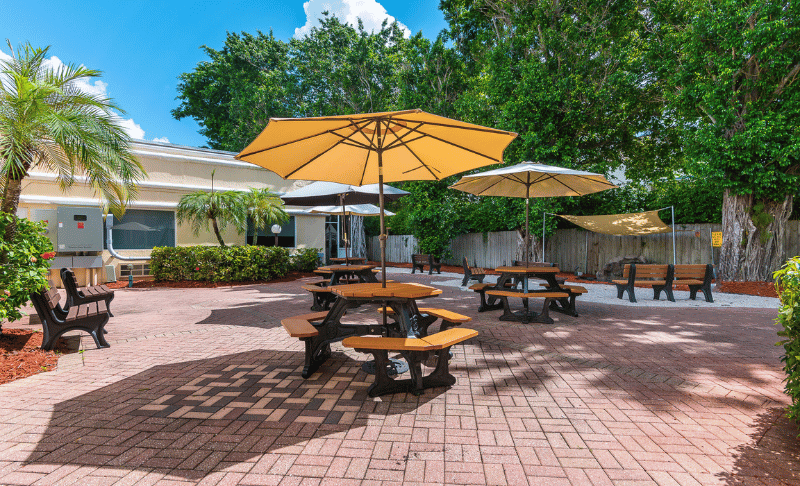
Banyan Boca
Located in Boca Raton, FL
Mental Health Inpatient
Telehealth Virtual IOP

Banyan Tampa
Located in Seminole, FL
Mental Health Inpatient
Telehealth Virtual IOP

Banyan Heartland Mental Health & Drug Rehab in Illinois
Located in Gilman, IL
Substance Use Inpatient
Mental Health Inpatient
Substance Use Outpatient
Telehealth Virtual IOP